
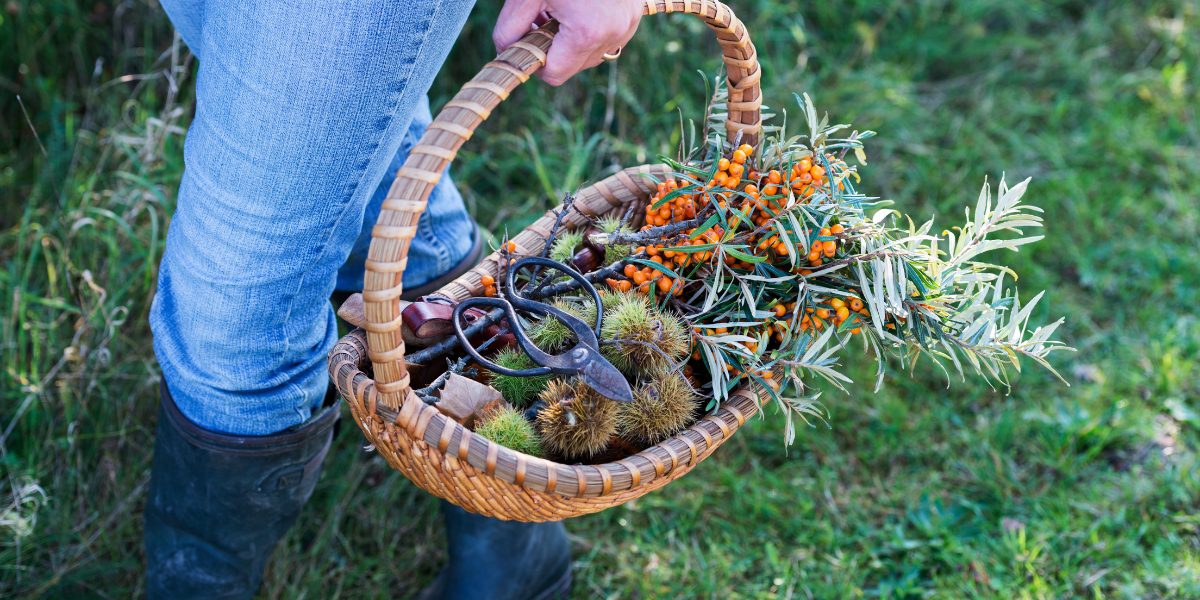
Autumn is a magical season for both nature lovers and culinary enthusiasts. The crisp air, vibrant foliage, and earthy scents invite us to explore the outdoors—and there’s a bounty waiting to be discovered. Foraging for wild herbs, berries, and nuts not only connects us to nature but also adds unique, fresh flavors to seasonal cooking.
Herbs: Adding Fresh Aromatics to Your Dishes
Autumn brings an array of flavorful herbs that can elevate soups, roasts, and baked goods:
- Sage: Its earthy, slightly peppery flavor pairs perfectly with roasted meats, squash, and stuffing.
- Rosemary: Piney and fragrant, rosemary works beautifully in roasted potatoes, breads, and savory pies.
- Thyme: With subtle citrus and mint notes, thyme complements roasted vegetables, soups, and poultry.
- Mint & Winter Savory: Ideal for finishing off warm drinks or adding a fresh contrast to hearty dishes.
Tip: When foraging, always make sure you can positively identify herbs in the wild. Avoid areas near roadsides or treated fields, and wash herbs thoroughly before use.
Berries: Sweet and Tart Accents
Autumn berries bring both color and flavor to desserts, sauces, and preserves:
- Blackberries: Found in brambles, these sweet-tart berries are excellent for pies, jams, and roasted meats.
- Elderberries: Best cooked before consumption, elderberries make rich syrups, sauces, and winter tonics.
- Cranberries: Native bogs and wetlands are home to these tart gems—perfect for relishes and baked goods.
Tip: Only pick berries you can confidently identify. Some wild berries are toxic, so double-check with a reliable field guide.
Nuts: Crunchy, Nutritious Additions
Autumn is prime time for foraging nuts, which can add texture and richness to your dishes:
- Hazelnuts: Delicious raw, roasted, or ground into flour for autumnal baked goods.
- Walnuts: Their deep, buttery flavor enhances breads, salads, and desserts.
- Chestnuts: Perfect for roasting or pureeing into creamy soups and stuffings.
Tip: Wear gloves when foraging nuts, as some husks can be prickly. Also, check for signs of mold or insect damage before using.
Incorporating Foraged Ingredients into Your Cooking
Once you’ve gathered your herbs, berries, and nuts, it’s time to get creative:
- Soups & Stews: Add fresh thyme, sage, or rosemary for aromatic depth.
- Salads & Grain Bowls: Toss in roasted nuts and fresh herbs for texture and flavor.
- Baked Goods: Incorporate berries and nuts into muffins, breads, and tarts.
- Preserves & Syrups: Cook berries into jams, compotes, or syrups to enjoy their flavors all season.
Safety and Sustainability
Foraging is a rewarding practice, but it’s important to approach it responsibly:
- Identify Before You Pick: Never consume plants or berries unless you are 100% certain of their identity.
- Respect Nature: Take only what you need, leaving enough for wildlife and future growth.
- Avoid Polluted Areas: Stay away from roadsides, industrial sites, or chemically treated fields.
- Practice Sustainable Harvesting: Avoid uprooting plants unless necessary, and harvest lightly from each plant.