
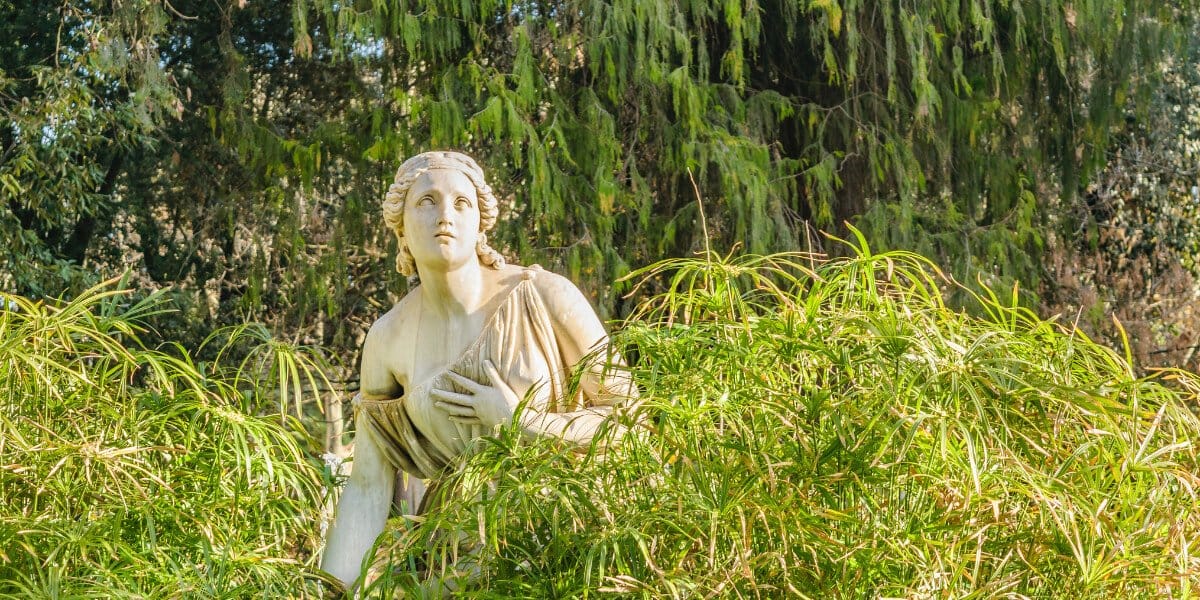
In the world of garden design, structure and planting may form the bones and skin of a landscape, but it is often the sculpture or statement feature that gives the garden its soul. These artistic interventions—whether classical, contemporary, or conceptual—bring narrative, personality, and a sense of permanence to outdoor spaces. For those seeking a garden not merely to inhabit but to experience, the inclusion of well-placed sculpture or architectural focal points can elevate the space from the functional to the sublime.
The Role of Sculpture in Garden Design
Historically, sculpture has played a central role in gardens—from the axial alignment of Roman statuary in formal courtyards to the poetic abstraction of Henry Moore in sweeping English parkland. Today, modern garden designers draw on this lineage to use sculpture in both subtle and dramatic ways.
A sculpture can act as an anchor for the eye, directing views and grounding compositions. It can frame a vista, introduce height where planting is low, or add intimacy to a secluded corner. Importantly, it serves as a year-round presence—retaining its impact even in winter, when herbaceous plants have retreated and leaves have fallen.
Choosing the Right Statement Feature
Statement features need not be figurative sculptures alone. Contemporary gardens increasingly incorporate a variety of focal points to suit the taste and architecture of the home. These include:
Architectural planters or urns: Oversized or antique vessels provide symmetry, scale, and a sense of grandeur.
Reflective water bowls or rills: Subtle yet powerful, these introduce movement and sound while mirroring the surrounding environment.
Corten steel or stone monoliths: Minimalist and robust, these lend a sculptural presence with minimal fuss.
Living sculptures: Carefully trained topiary or pleached trees can serve as organic statement pieces, blending horticultural expertise with formality.
Fire bowls and outdoor chimneys: Functionally and visually warming, they become gathering points and conversation starters.
Site-Specific Placement: The Key to Impact
The success of a sculpture or feature lies not only in its intrinsic beauty but in how it relates to its setting. A classical bust may appear incongruous in a wildflower meadow, just as a mirrored orb might feel disjointed in a traditional rose garden. Harmony between material, scale, and location is essential.
Key principles to consider include:
Framing and alignment: Place features at the end of pathways or axes to draw the eye.
Contrast and backdrop: Use planting to soften or accentuate, ensuring the piece stands out without clashing.
Proportion and scale: A small sculpture risks being lost in an expansive lawn; a towering obelisk may overwhelm a courtyard. Balance is everything.
Journey and discovery: Not every sculpture should be visible at once. Features revealed gradually through movement evoke curiosity and engagement.
Integrating with Planting Design
A common mistake is to treat sculptures and garden elements as afterthoughts. In the hands of a skilled designer, however, these features are woven into the very fabric of the landscape. A twisted bronze form might echo the branches of nearby acers; a rusted steel arc may mirror the hue of late-season grasses.
Designers at Willow Alexander Gardens often begin by understanding the mood or narrative a client wishes to evoke—romantic, minimalist, meditative—and then identify statement elements that reinforce that vision. In gardens designed for entertaining, large-scale pieces or functional features such as sculptural seating often take centre stage. In more contemplative spaces, subtle works nestled amongst ferns or moss can provoke quiet reflection.
Commissioning Bespoke Work
For clients wishing to invest in something truly one-of-a-kind, commissioning a bespoke sculpture can be a deeply rewarding process. Collaborating with an artist allows for the creation of a piece that reflects personal stories, values, or aesthetics, while ensuring perfect harmony with the garden’s design.
Materials matter—bronze weathers differently to limestone; stainless steel interacts distinctively with light. Working with a design studio that understands both the artistic and environmental considerations of sculpture in the landscape ensures a result that endures beautifully.
A Final Word
In the rhythm of the seasons, garden sculptures offer permanence, contrast, and meaning. They are the punctuation marks in the story of a garden—sometimes exclamatory, sometimes poetic, always intentional.
For those seeking to elevate their outdoor space beyond the expected, the integration of art and statement features offers a path toward true transformation. Whether through a commanding obelisk or a quiet, contemplative form in the shade of a tree, sculpture invites us to pause, reflect, and feel.