
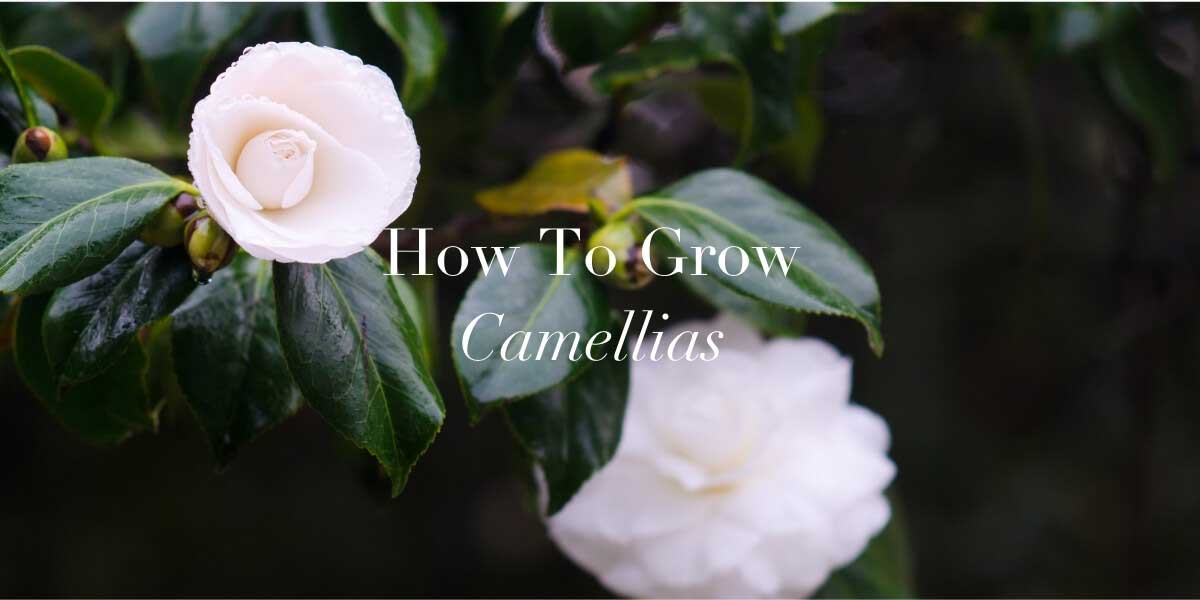
Camellias are the epitome of timeless elegance. With their glossy evergreen leaves and exquisite blooms in shades ranging from pure white to vibrant pinks and deep reds, camellias are the perfect addition to any sophisticated garden. Here’s your comprehensive guide to growing camellias and enjoying their charm year-round.
Choosing the Right Camellia
Camellias come in various species, but the most popular are Camellia japonica and Camellia sasanqua:
- Camellia japonica: Blooms in late winter to early spring. Ideal for shaded spots.
- Camellia sasanqua: Blooms in autumn to early winter. Tolerates more sun and has a more relaxed growth habit.
Select a variety that suits your garden’s conditions and aesthetic preferences.
The Perfect Spot
Camellias prefer a sheltered position with dappled sunlight. Ideal locations include:
- East-facing walls where they’re protected from harsh afternoon sun and cold winds.
- Shaded borders under tall trees, where they receive filtered light.
Avoid planting in deep shade or full sun, which can damage the leaves and hinder blooming.
Preparing the Soil
These plants thrive in acidic, well-drained soil rich in organic matter. Here’s how to prepare:
- Test the pH: Camellias prefer a pH of 5.5–6.5.
- Improve drainage: Mix in organic compost or leaf mould.
- Mulch: Apply a layer of pine bark or leaf mould around the base to retain moisture and keep roots cool.
- Planting Your Camellia
The best time to plant camellias is autumn or early spring. Follow these steps:
- Dig a hole twice the width of the root ball but no deeper.
- Place the plant so the top of the root ball sits slightly above soil level.
- Backfill with enriched soil and water thoroughly.
- Add mulch, keeping it away from the stem to prevent rot.
Watering and Feeding
- Watering: Camellias need consistent moisture, especially in dry periods, but dislike waterlogged soil. Water deeply to encourage strong root growth.
- Feeding: Use a slow-release, acid-loving plant fertiliser in spring after flowering and again in midsummer. Avoid high-nitrogen feeds, which encourage foliage over flowers.
Pruning for Perfection
Camellias require minimal pruning. After flowering, remove dead or weak growth to maintain a tidy shape. Light pruning encourages bushier growth and more blooms.
Protecting from Pests and Problems
Common issues include:
- Yellowing leaves: Often a sign of poor drainage or alkaline soil.
- Bud drop: Caused by overwatering or sudden temperature changes.
- Scale insects: Treat with organic insecticidal soap if necessary.
Winter Care
Camellias are hardy but benefit from some protection in colder climates:
- Mulch around the base to insulate roots.
- Fleece covers for young plants during severe frost.
- Avoid early morning sun on frosted buds, which can cause browning.
Growing Camellias in Containers
No garden? No problem. Camellias thrive in pots, making them perfect for patios and balconies:
- Use ericaceous compost.
- Ensure excellent drainage with pots that have large drainage holes.
- Repot every few years to refresh the soil and prevent root binding.
Enjoying Camellias All Year Round
Different camellia varieties bloom at varying times, so by selecting wisely, you can enjoy these spectacular flowers from autumn through spring. Combine with other shade-loving plants like ferns and hellebores for a luxurious, layered look.