
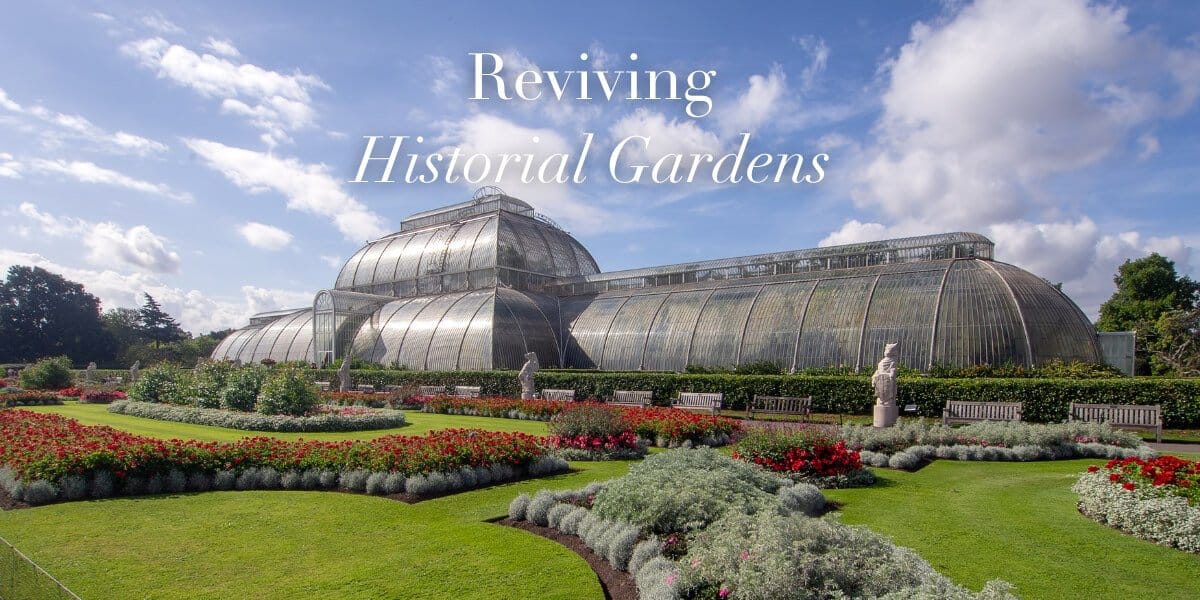
Once symbols of status and intellect, knot gardens and hedge mazes are experiencing a quiet yet profound revival in 2025. These historical garden features, once the hallmark of Tudor estates and Enlightenment-era parks, are being reimagined for contemporary homes and public landscapes—an aesthetic and philosophical nod to the past that resonates with modern values of slow living, craftsmanship, and connection to place.
The Knot Garden: Order, Ornament, and Aromatics
The knot garden, with its intricate patterns and carefully clipped box hedges, originated in 16th-century England, inspired by Renaissance ideals of symmetry and classical harmony. Historically planted with medicinal herbs, low-growing flowers, and scented foliage, these gardens were as practical as they were decorative, laid out like embroidered tapestries upon the earth.
In 2025, the resurgence of the knot garden is being led by both private estates and forward-thinking landscape designers, who see in its formality a counterpoint to the looser, naturalistic planting schemes that have dominated the past two decades. Today’s reinterpretations often blend heritage planting—lavender, thyme, germander—with contemporary materials such as gravel borders, corten steel edging, and even LED-lit pathways. Sustainable practices have also crept in: low-maintenance dwarf hedging alternatives, water-efficient layouts, and integrated wildlife zones ensure historical beauty doesn’t come at the cost of ecological responsibility.
The Maze: Symbol, Play, and Landscape Art
Long before garden mazes were associated with tourist attractions, they were philosophical in intent. Labyrinths and mazes embodied life’s complexity, the search for enlightenment, or simply an aristocratic taste for intellectual play. From the famous Hampton Court maze to the leafy spirals of European monastic gardens, these living puzzles offered both entertainment and introspection.
In 2025, mazes are being reintroduced into luxury residential gardens, boutique hotel grounds, and public parks—not just for nostalgia, but to foster sensory experience and mindfulness. Designers are scaling them to fit urban plots, using yew, hornbeam, and even tall grasses for a more fluid effect. Digital technology is being quietly embedded into some contemporary mazes, allowing for interactive lighting, soundscapes, or AR overlays that turn a walk through greenery into a multi-sensory journey.
Why Now?
The revival of these historical garden features speaks to a broader cultural mood. In an age dominated by digital speed and impermanence, the discipline of shaping a knot garden or walking a maze represents something grounding. Their permanence, structure, and symbolic richness offer an antidote to transient trends.
Moreover, heritage design is increasingly being embraced not as a static tradition, but as a living language—one that can be interpreted, challenged, and evolved. The best gardens being built in 2025 understand this tension, layering classical motifs with contemporary intent.
Design Considerations for 2025
For those considering incorporating a knot garden or maze into their own grounds, a few guiding principles are emerging:
Scale Matters:Even small gardens can host simplified knot motifs using dwarf hedging or herb-filled geometric beds.
Blended Planting: Traditional herbs can be paired with ornamental grasses or perennials to soften formal lines.
Pathway Innovation: Materials like clay pavers, reclaimed brick, or permeable resin-bound gravel offer sustainability and period-appropriate texture.
Multi-Use Mazes: Designers are increasingly integrating mazes with play elements, sculpture, or even edible plants—making them functional as well as beautiful.
A New Heritage
As we look forward, it’s clear that the gardens of the future are as much about rediscovery as they are about innovation. Knot gardens and mazes—once symbols of order and amusement—are now symbols of continuity, reflecting a desire to reconnect with place, tradition, and time-honoured craft.
Whether adapted for private gardens or commissioned on a grand scale, these historic elements are no longer relics. In 2025, they are being revived with sensitivity, imagination, and modern relevance.
Considering a garden rooted in history but designed for today?
Our design team specialises in interpreting classical motifs—such as knot gardens and mazes—into bespoke, sustainable spaces. Enquire about a consultation to begin your journey.