
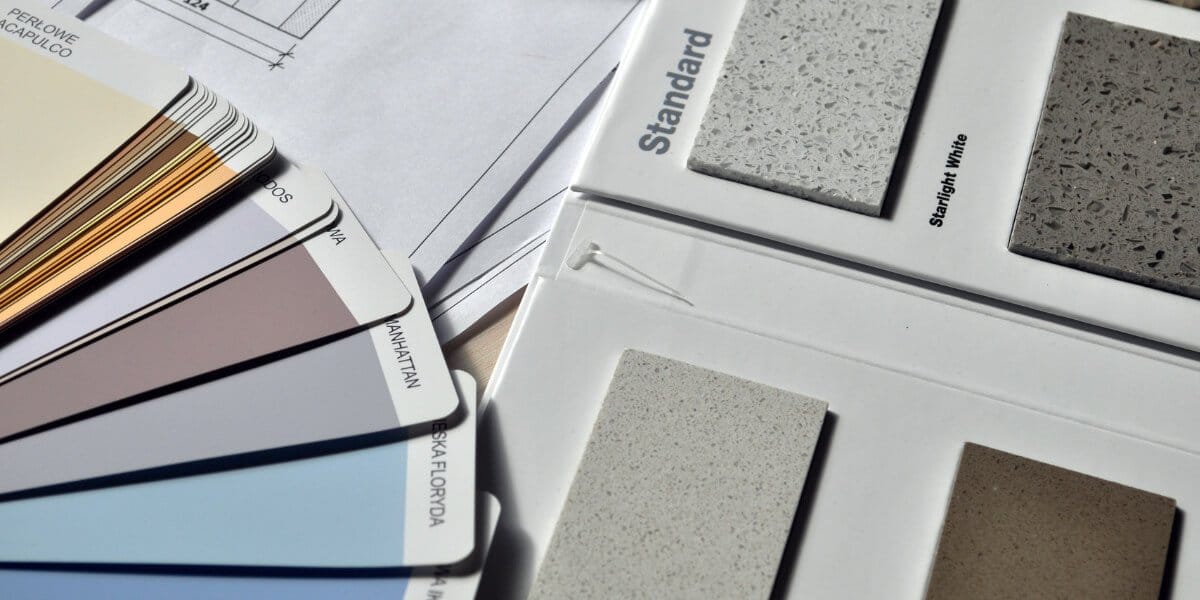
Colour is far more than decoration — it’s an emotional language that speaks to our instincts, shapes our perception, and subtly influences how we feel within a space. From the calming serenity of soft blues to the invigorating energy of ochre and vermilion, the palette you choose for your interiors has the power to transform your home’s atmosphere and identity.
At The House of Willow Alexander, we believe in designing with intention — and understanding the psychology of colour is essential to crafting rooms that not only look beautiful but feel profoundly right.
Blue: Serenity, Trust & Stillness
Often associated with calm, clarity, and introspection, blue is a favourite in bedrooms, bathrooms, and contemplative spaces. Pale, misty blues evoke a coastal breeze or early morning sky, ideal for creating restful, restorative environments. Deeper navy and inky tones bring a sense of structure and sophistication, anchoring a room with quiet confidence.
Best paired with: Linen, whitewashed wood, and brushed silver to maintain a clean, considered aesthetic.
Green: Balance, Renewal & Connection
Green mirrors the natural world — forests, fields, and ferns — and carries with it the emotional resonance of growth and harmony. Sage and olive tones feel grounded and timeless, perfect for living areas or kitchens. Emerald and mossy greens, meanwhile, introduce drama without overwhelming, especially when layered with earthy textures and soft lighting.
A favourite at Willow Alexander, green also links beautifully to our eco-conscious ethos — a colour that soothes and sustains.
Yellow: Optimism, Warmth & Light
From golden wheat to sun-bleached straw, yellow radiates positivity and playfulness. It’s a natural mood-lifter and works beautifully in east-facing rooms where morning light amplifies its warmth. While bright yellows can feel overpowering in large doses, mustard, ochre, and buttery tones are more subtle — adding life without fatigue.
Styling tip: Pair yellow with muted neutrals or matte black to create balance and prevent visual overload.
Neutrals: Simplicity, Sophistication & Space
Often misunderstood as bland, a well-composed neutral palette can be one of the most elegant design choices. Greys, creams, and taupes offer versatility, enhancing texture and materiality without demanding attention. These tones are psychologically associated with calm, spaciousness, and modern luxury.
Look for contrast in texture — boucle, oak grain, ceramic glaze — to stop neutrals from feeling flat.
Red: Passion, Energy & Depth
Long linked to vitality and drama, red commands attention. While fire-engine tones can feel overwhelming, brick, terracotta, and claret hues add depth and sensuality to dining rooms, libraries, or snug spaces. Used as an accent or in rich upholstery, red creates intimacy and richness — particularly in winter months.
Red is best treated with restraint — think velvet cushions, a lacquered cabinet, or a painted alcove.
Pink: Softness, Romance & Rebellion
Far from juvenile, pink has evolved into a nuanced design choice — from dusty rose and blush to bold corals and fuchsias. Lighter tones bring softness and comfort, while deeper pinks can be unexpectedly sophisticated, especially when paired with brass, smoked glass, or dark timber.
Try pink in cloakrooms, hallways, or reading nooks — unexpected spots where it feels fresh and contemporary.
Black & Dark Charcoals: Drama, Elegance & Protection
Often avoided in residential interiors, black is one of the most powerful tools in a designer’s palette. It creates contrast, frames architecture, and adds gravitas to any room. Psychologically, black suggests protection and quietude — making it ideal for spaces designed for reflection, like studies or bedrooms.
A matte black wall paired with natural linen and aged brass tells a story of confident minimalism.
Curating Your Emotional Landscape
Ultimately, the colours you choose for your home are deeply personal — reflecting not just aesthetic preferences but emotional needs and lifestyle. At The House of Willow Alexander, we encourage clients to think of their interiors as an emotional architecture — each room a unique moodscape, connected by a thread of deliberate, conscious design.
Whether you’re repainting a wall, reupholstering a chair, or investing in one of our hand-glazed ceramic lamps, begin with the question: How do I want this space to feel? Then let colour guide you — quietly, intuitively, beautifully.