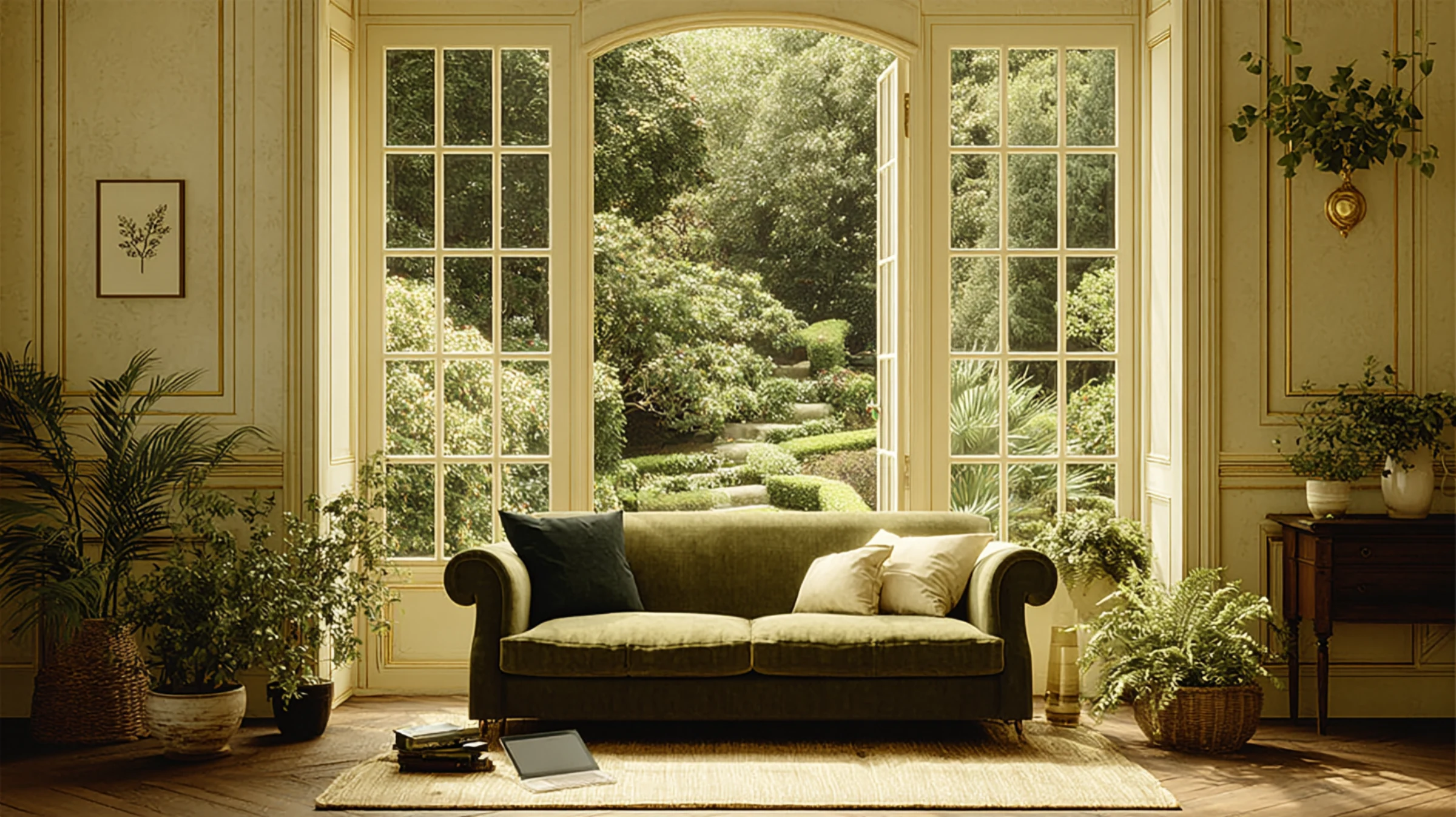
A Cooler Home for Warm Days
Warm days change the way a house is lived in. A calm, practical guide to keeping the home cooler in summer: shade drawn at the right time, air moved with purpose, lighter rooms, cooler bedrooms and a garden that helps the house breathe.
House of Willow Alexander·
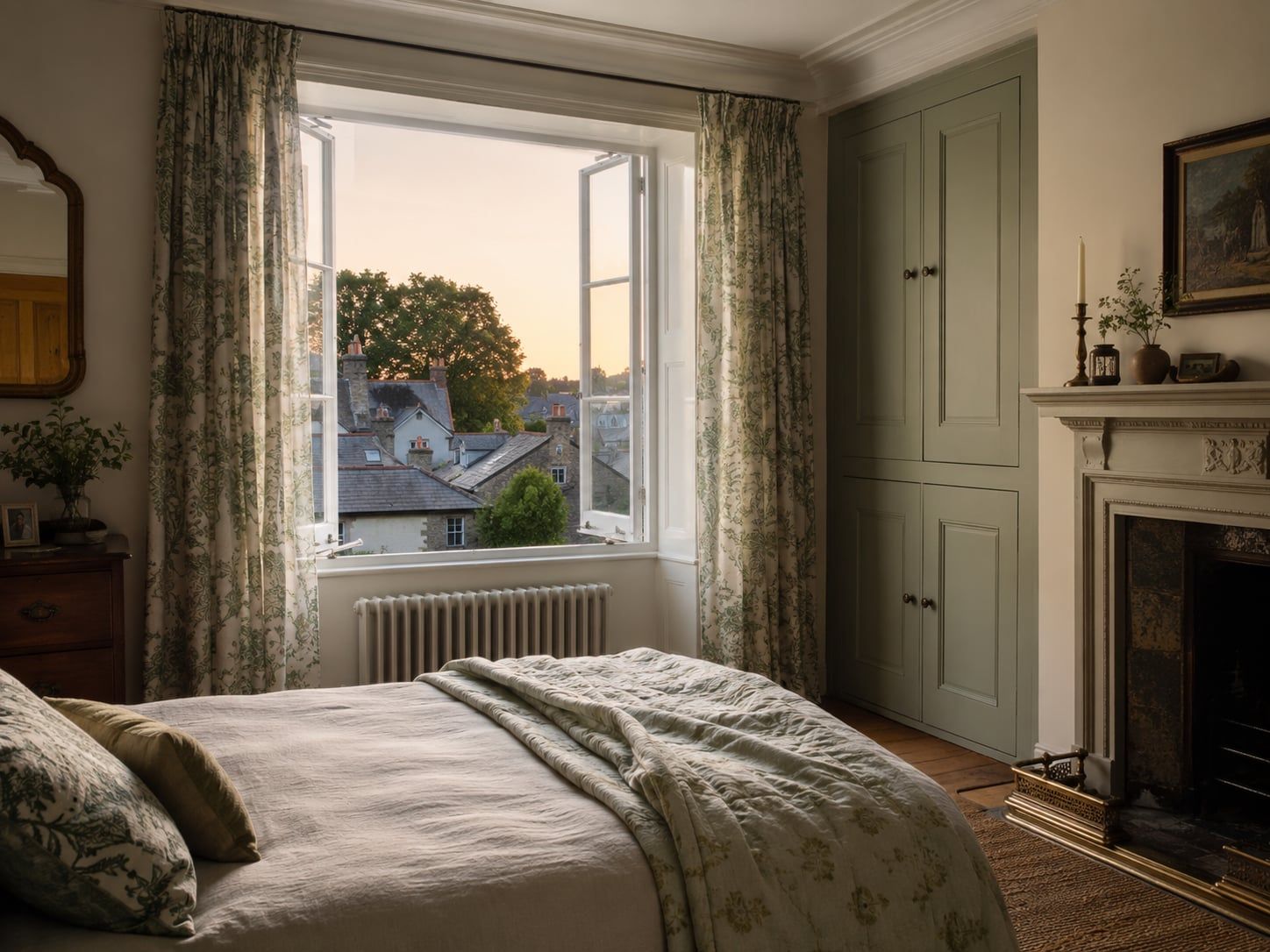
Warm days change the way a house is lived in.
Rooms that feel comfortable in spring can begin to hold the heat. Bedrooms ask for lighter bedding, kitchens feel busier, sitting rooms need shade and the garden becomes part of how the home breathes. The rhythm of the day shifts too. Windows open earlier, curtains are drawn before the sun becomes too strong, doors are left ajar and the cooler parts of the house become the ones people naturally move towards.
Keeping a home cooler in summer is not only about temperature. It is about how the house is managed through the day. The small choices made in the morning often decide how the rooms feel by late afternoon. Shade, airflow, fabric, planting and routine all have a part to play.
These summer home cooling ideas are not about turning the house into something clinical or stripped back. They are about helping the home feel calmer in warm weather, so it remains comfortable, useful and pleasant to be in.
Begin Before The Heat Builds
A cool house often begins early in the day.
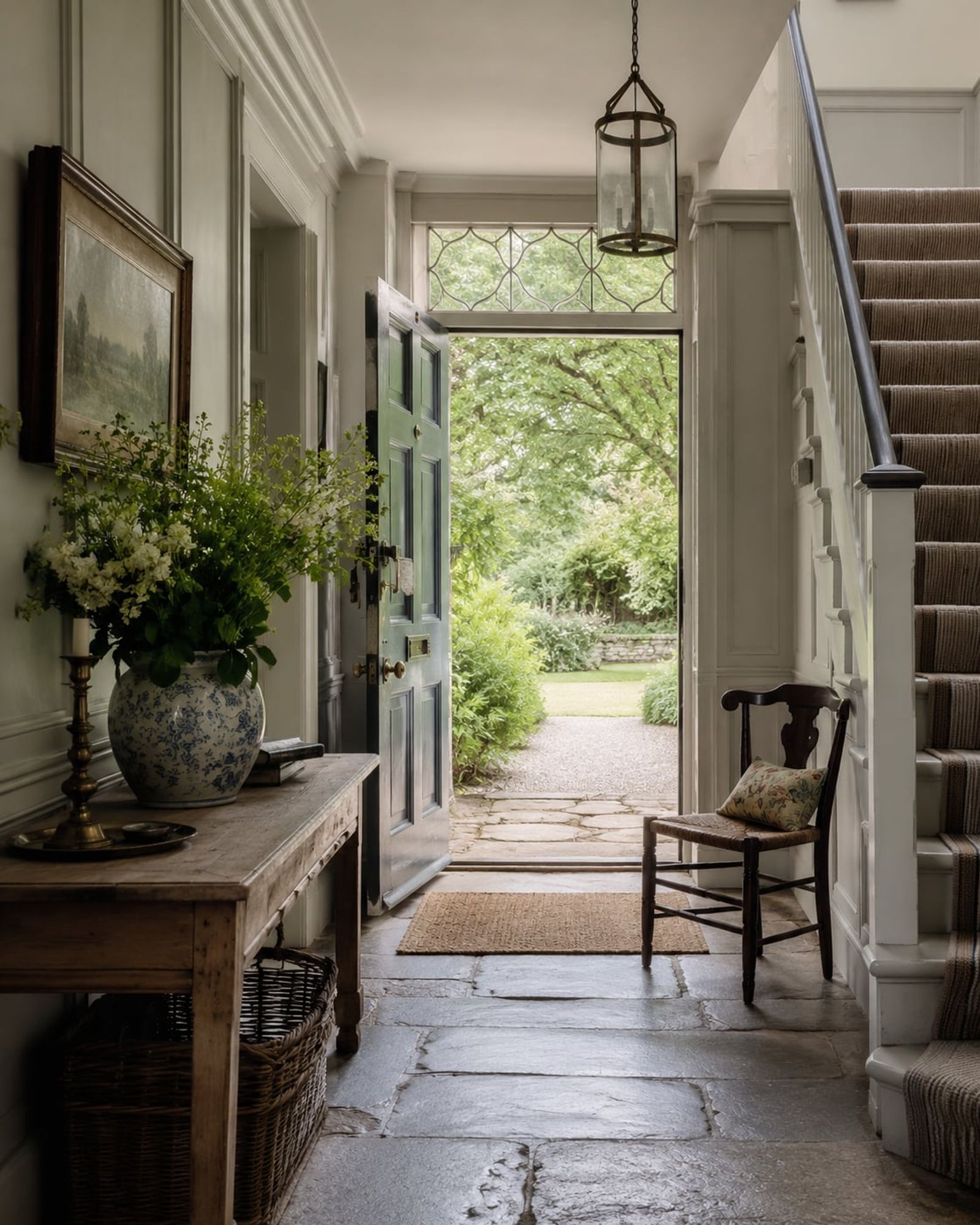
On warm mornings, it is tempting to open every window and leave the house to look after itself. But by the time the sun is high, the air outside may be warmer than the air inside. The better approach is to use the cooler hours carefully. Open windows early, especially on opposite sides of the house where air can move through. Let bedrooms, landings, kitchens and sitting rooms release the warmth they have held overnight, then begin to close the house down before the day becomes too hot.
Curtains, blinds and shutters are not only decorative. In summer, they become part of how a room works. Drawing them before the sun reaches the glass can help stop heat building inside, particularly in rooms that face south or west. A house that feels darkened for part of the day may feel more restful by evening than one left exposed to the sun for hours.
This is especially useful in rooms used later in the day. A bedroom kept shaded through the afternoon will usually feel more comfortable at night. A sitting room protected from strong sun may become the better place to gather once the day begins to soften.
Use Shade As Part Of The Room
Shade is one of the quietest luxuries of summer living.
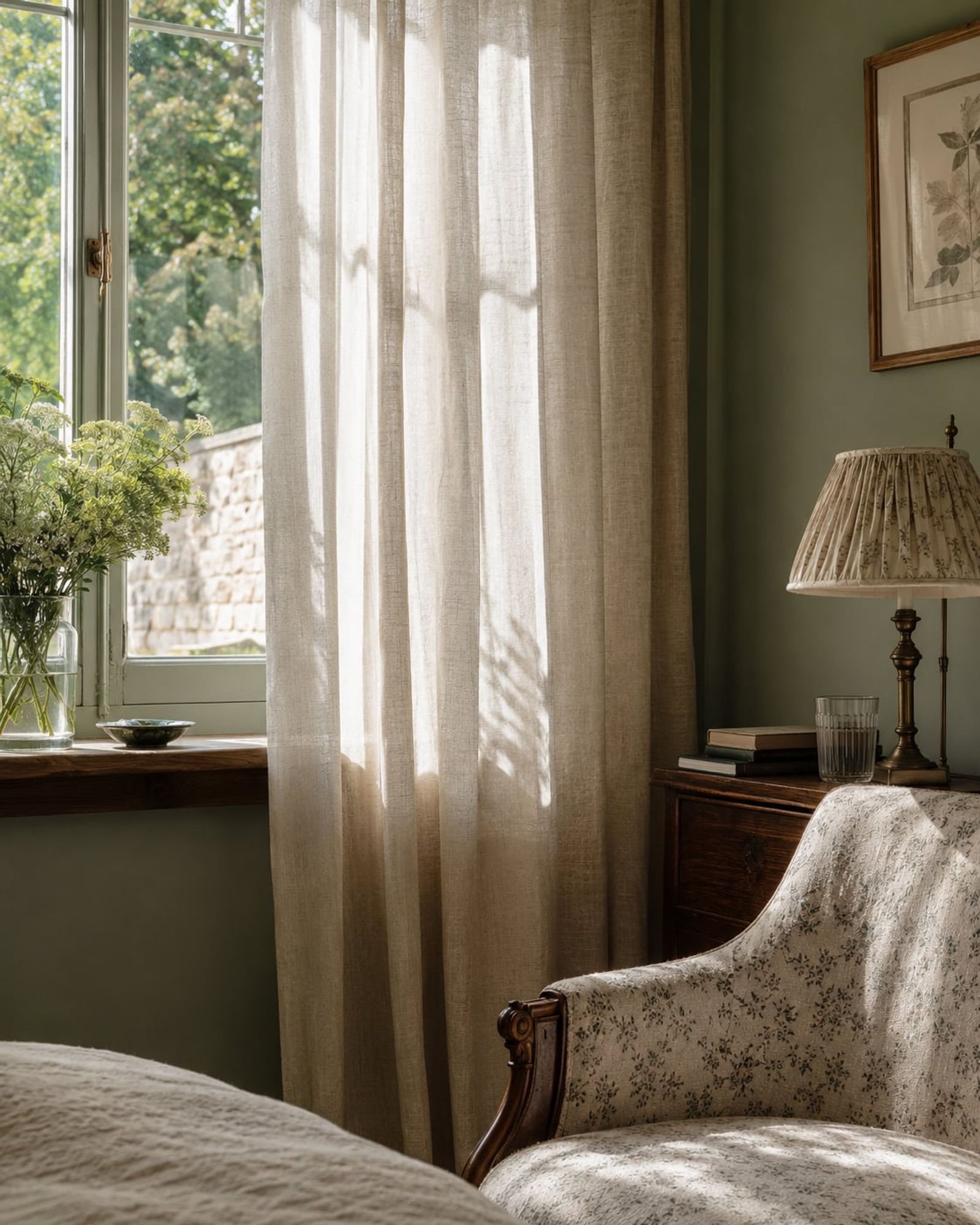
It can come from linen curtains, shutters, blinds, awnings, trees, climbers, parasols or the way a room is arranged. A shaded room does not need to feel closed. It can feel calm, filtered and more comfortable, particularly when strong light is softened rather than blocked altogether.
In older homes, shutters and deep window reveals often help the house manage heat naturally. In newer spaces, especially those with larger panes of glass, shade may need to be introduced more deliberately. Lightweight curtains, woven blinds, external awnings or planting outside the window can all help reduce glare and soften the room.
The best shade feels intentional. A curtain moving gently in a doorway, a blind lowered halfway through the afternoon, or a tree casting shadow across the kitchen floor can all make the house feel more settled in warm weather.
The garden can help too. A pergola, tree canopy, tall planting or large pot near a doorway can reduce the glare that comes into the house, while also making the transition between indoors and outdoors feel softer. When the space just beyond the doors is shaded, the rooms inside often feel calmer as well.
Let Air Move Through The House
Fresh air is most useful when it has somewhere to go.
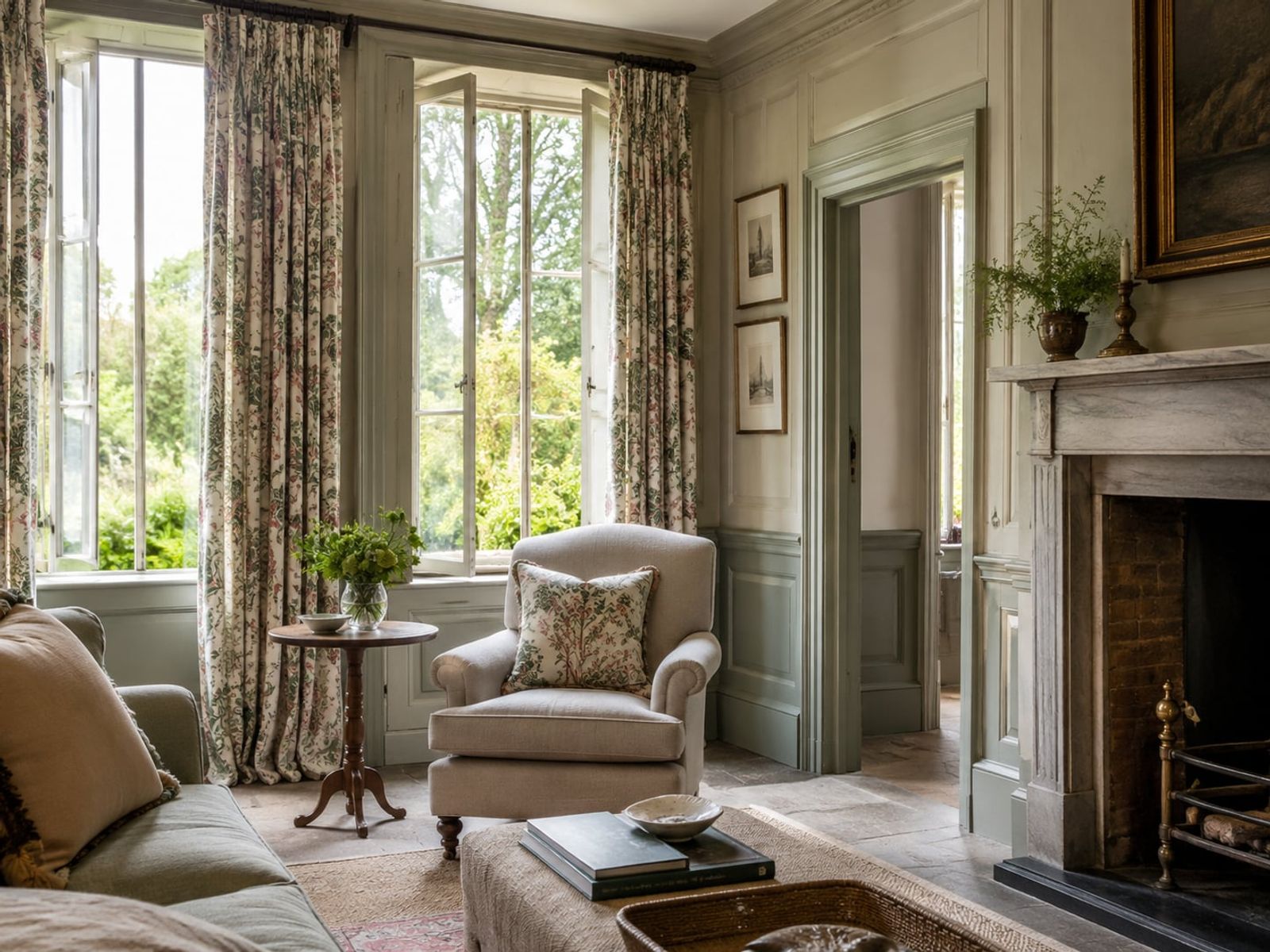
Opening one window may change the temperature a little, but opening windows or doors in relation to one another can change the feeling of the house. Air moves best when it can pass through a space, so cross-ventilation matters. A window at the front and a door at the back, a landing window and a kitchen door, or a bedroom window and an open internal door can all help the house breathe.
The timing matters. Early morning and later evening are often the most useful moments. During the middle of a hot day, open windows can sometimes bring warmer air in rather than cooling the room down. This is why many traditional houses in warmer countries are managed by closing down in the heat and opening up when the air outside has cooled.
Fans can help, but they work best when used with some thought. Rather than simply placing one in the middle of a room, consider where the cooler air is coming from and where the warm air needs to move. A fan near an open window in the evening can help draw cooler air into a bedroom. On still days, it can also make a shaded room feel more comfortable, even if the actual temperature changes very little.
Lighten The Weight Of The Room
Some rooms feel warmer because they are visually and physically heavy.
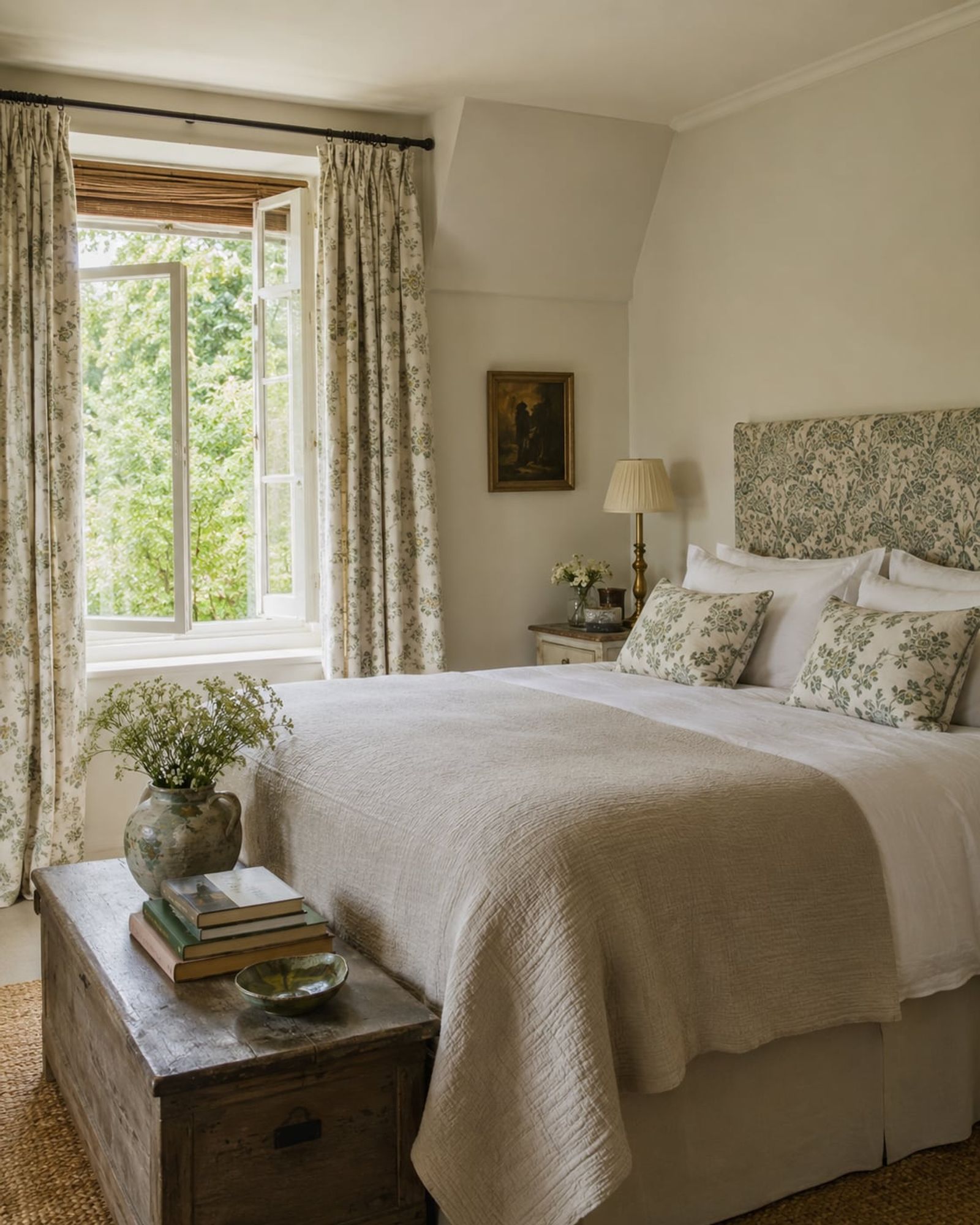
Summer is a good time to remove the layers that made sense earlier in the year. Thick throws, dense cushions, heavier rugs and darker decorative details can all be reduced without making the room feel bare. The aim is not to strip the room back entirely, but to let it breathe.
Cotton, linen, lighter wool, bare floors, pale ceramics, glass, timber and woven textures all sit naturally in a summer room. A table that is less crowded, a sofa with fewer cushions, a bed with lighter layers and a hallway cleared of heavier winter pieces can make a surprising difference to how the house feels.
This is partly practical and partly emotional. Rooms that look lighter often feel cooler and easier to occupy. In warm weather, the eye wants space. A little less on the surfaces, lighter textures under hand and rooms that are easier to move through can help the whole house feel more composed.
Scent can also play a role. Heavy candles and deep fragrances may feel too much in summer. Cleaner, greener or citrus notes, fresh flowers, herbs from the garden or simply well-aired rooms can feel more appropriate for warm days.
Prepare Bedrooms Before Evening
Bedrooms are often the rooms where summer heat is felt most.
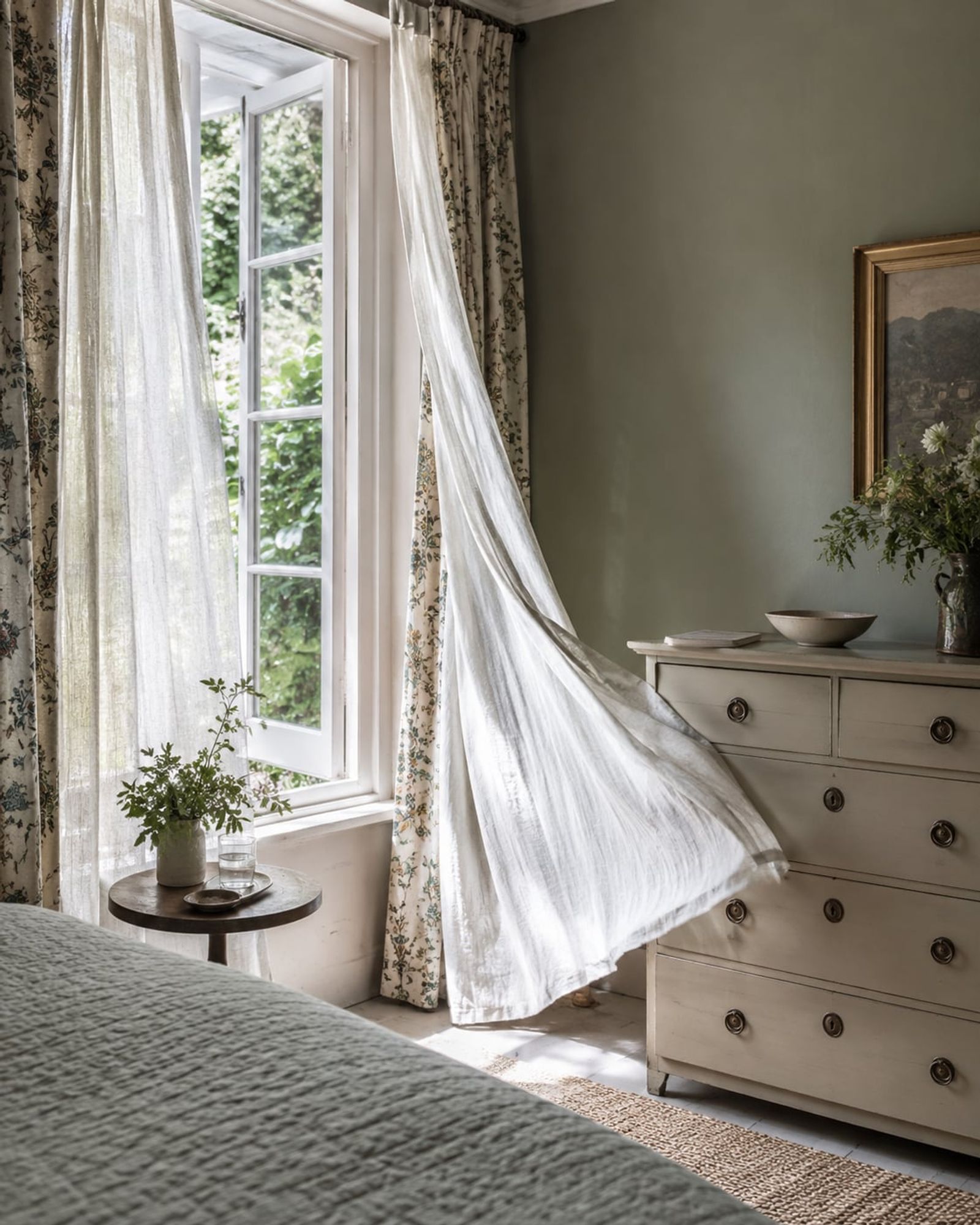
A room that has been allowed to warm all day is difficult to cool quickly at bedtime. The best approach is to prepare it much earlier. Keep curtains or blinds closed during the strongest sun, especially in west-facing rooms. Leave internal doors open when possible so air does not become trapped. Change bedding to cotton or linen, reduce unnecessary layers and make sure the bed itself feels light enough for the season.
A cooler bedroom in summer is usually about restraint. A flat sheet, lighter duvet, fewer cushions and breathable fabrics can all help. Bedside tables can be simplified too, with water, a book and a small lamp doing more than a crowded surface.
Once the outdoor air cools, open the windows and let the room change before sleep. If privacy or security allows, a window left slightly open into the evening can make a room feel fresher. In homes where windows cannot be opened easily, a fan used before bedtime can help move the stale air around and make the room more comfortable.
Guest bedrooms deserve the same attention. A room that is used less often can become warm and still during summer. Air it before guests arrive, check the bedding, draw the curtains during the day and leave water by the bed. Small details can make the room feel cared for rather than merely prepared.
Let The Garden Help The House
In summer, the garden becomes part of the home's cooling system.
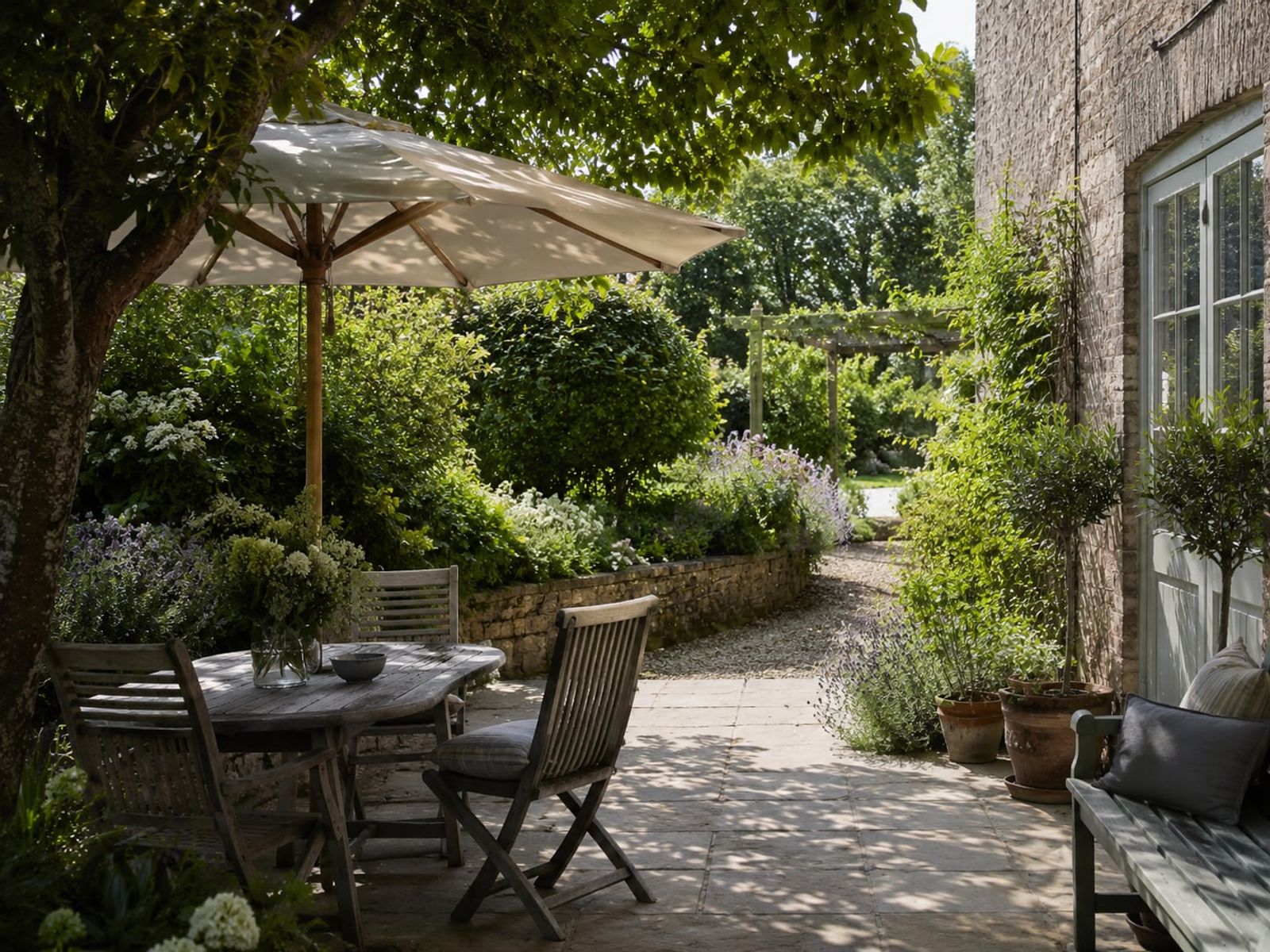
Not in a mechanical sense, but in the way it shapes light, air and use. A shaded terrace can stop heat reflecting straight into the house. Planting near doors and windows can soften glare. Trees, climbers and tall shrubs can create pockets of cooler air close to the building. Even pots grouped near an entrance can make the threshold feel softer and less exposed.
Hard landscaping matters too. Pale stone, gravel, brick, timber and planted edges all hold and reflect heat differently. Large areas of hard paving can become hot in strong sun, particularly where there is no shade. Adding planting, containers, parasols or a pergola can make these spaces feel more comfortable and reduce the sense of heat around the house.
The relationship between house and garden changes through the day. Morning coffee may belong to one side of the house, lunch to another, and evening drinks to the place where the shade finally settles. A well-used summer home often has these small seasonal patterns, with rooms and outdoor spaces being used according to light, temperature and time.
This is where the garden does more than look beautiful. It helps the house work.
Make The Kitchen Easier To Use
The kitchen is often the warmest room in the house, especially during summer hosting.
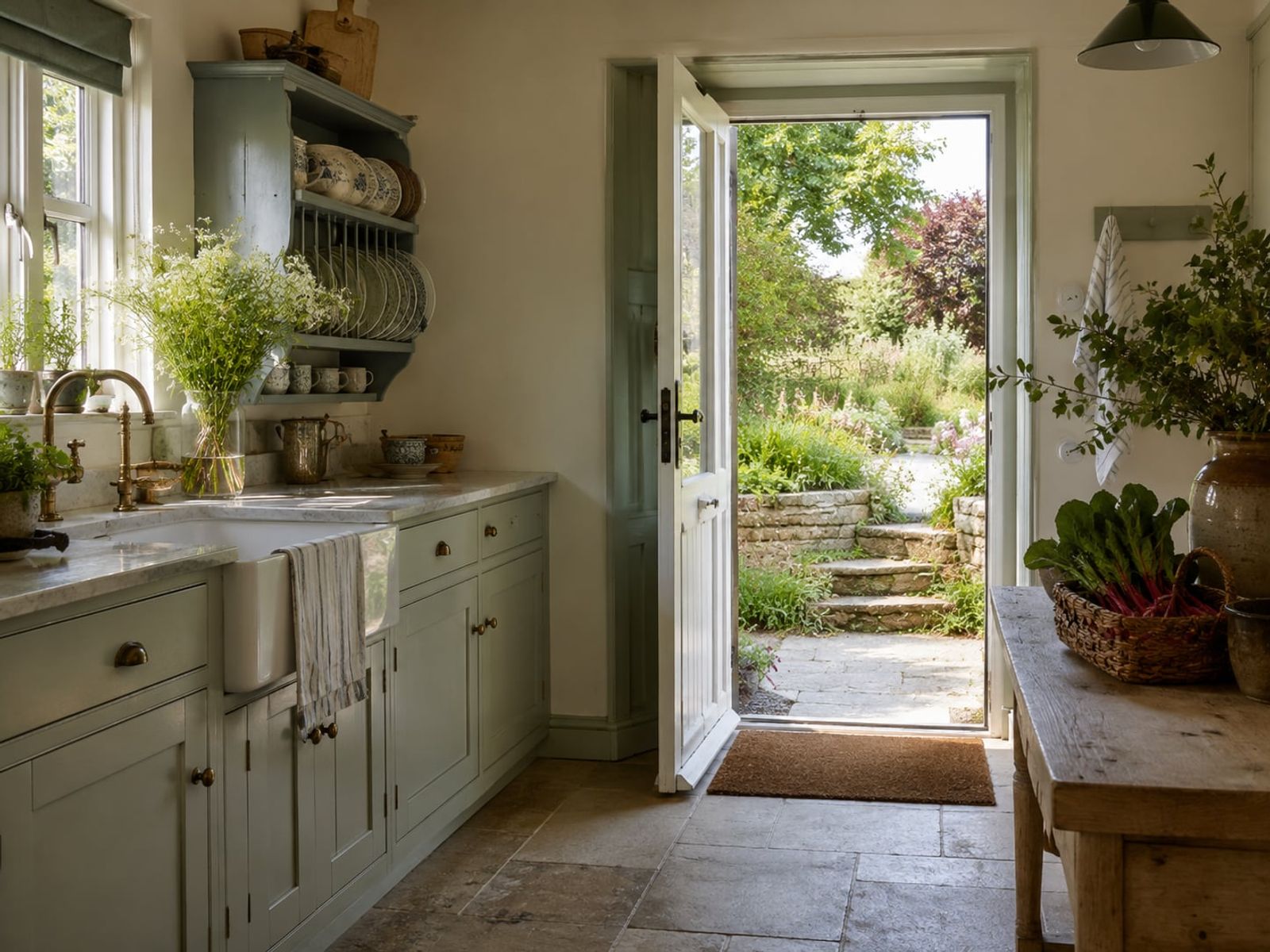
Cooking, sunlight, appliances and people moving through the space can all build heat quickly. A cooler kitchen begins with planning. Use the early part of the day for preparation where possible. Keep surfaces clear, avoid unnecessary oven use during the hottest hours and use doors or windows to move air through before the room becomes busy.
Summer kitchens often work best when they are simpler. Bowls of fruit, jugs of water, herbs in a glass, linen cloths and a clear table can make the room feel ready without feeling full. If meals can move outside, even partly, the kitchen becomes less pressured. The garden table, a shaded bench or a tray carried through open doors can all help spread the rhythm of the home beyond one room.
This is particularly useful when guests are expected. A kitchen that has been cooled, cleared and prepared before people arrive will feel easier to use, even if the day becomes warm.
A Home That Settles With The Season
Every season asks something different of the house.
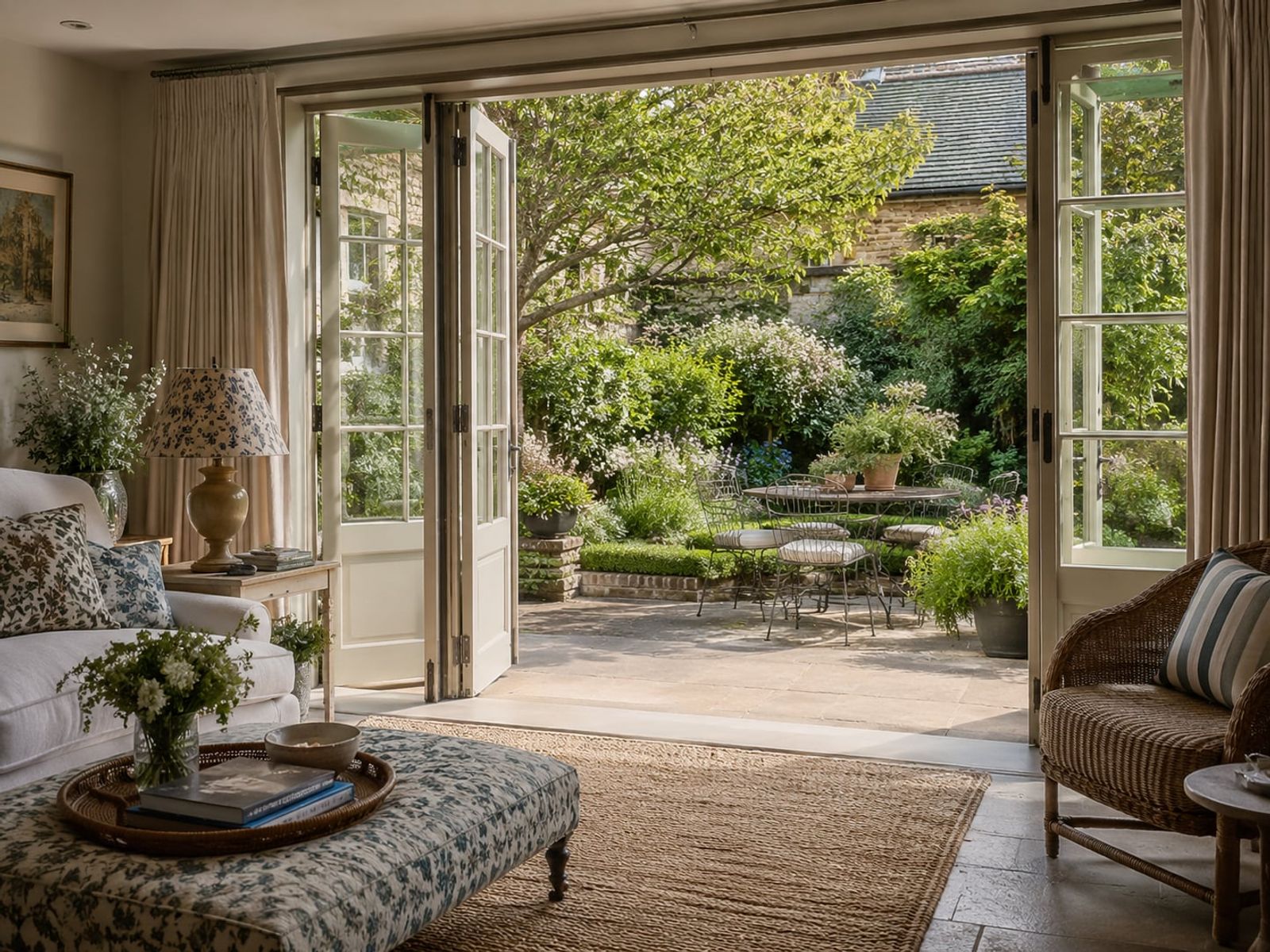
In winter, the home gathers itself inward. In summer, it opens, filters, airs and adjusts. The aim is not to fight the weather, but to help the house respond to it. Shade at the right time, windows opened with purpose, lighter rooms, cooler bedrooms and a garden that supports the house can all make warm days feel easier.
The most effective summer home cooling ideas are often the simplest. They are habits as much as changes: drawing the curtains before the sun arrives, airing bedrooms early, moving through the house according to light, lifting heavier layers and letting the garden take some of the weight of the day.
A cooler home is not only a cooler room. It is a house that feels calmer, more comfortable and better prepared for the way summer is lived.