Inside The World Garden at Lullingstone Castle with Tom Hart Dyke
At Lullingstone Castle, the world is held inside a wall. Beyond the Kent lanes, the gatehouse and the long rhythm of one of England’s oldest family estates, The World Garden…
House of Willow Alexander·
At Lullingstone Castle, the world is held inside a wall.
Beyond the Kent lanes, the gatehouse and the long rhythm of one of England’s oldest family estates, The World Garden opens as something both intimate and expansive. It is a garden with the structure of an atlas, but the feeling of a life story. Paths become oceans. Borders become planting beds. Continents are suggested not by lines on paper, but by leaves, bark, scent, flower, thorn and seed.
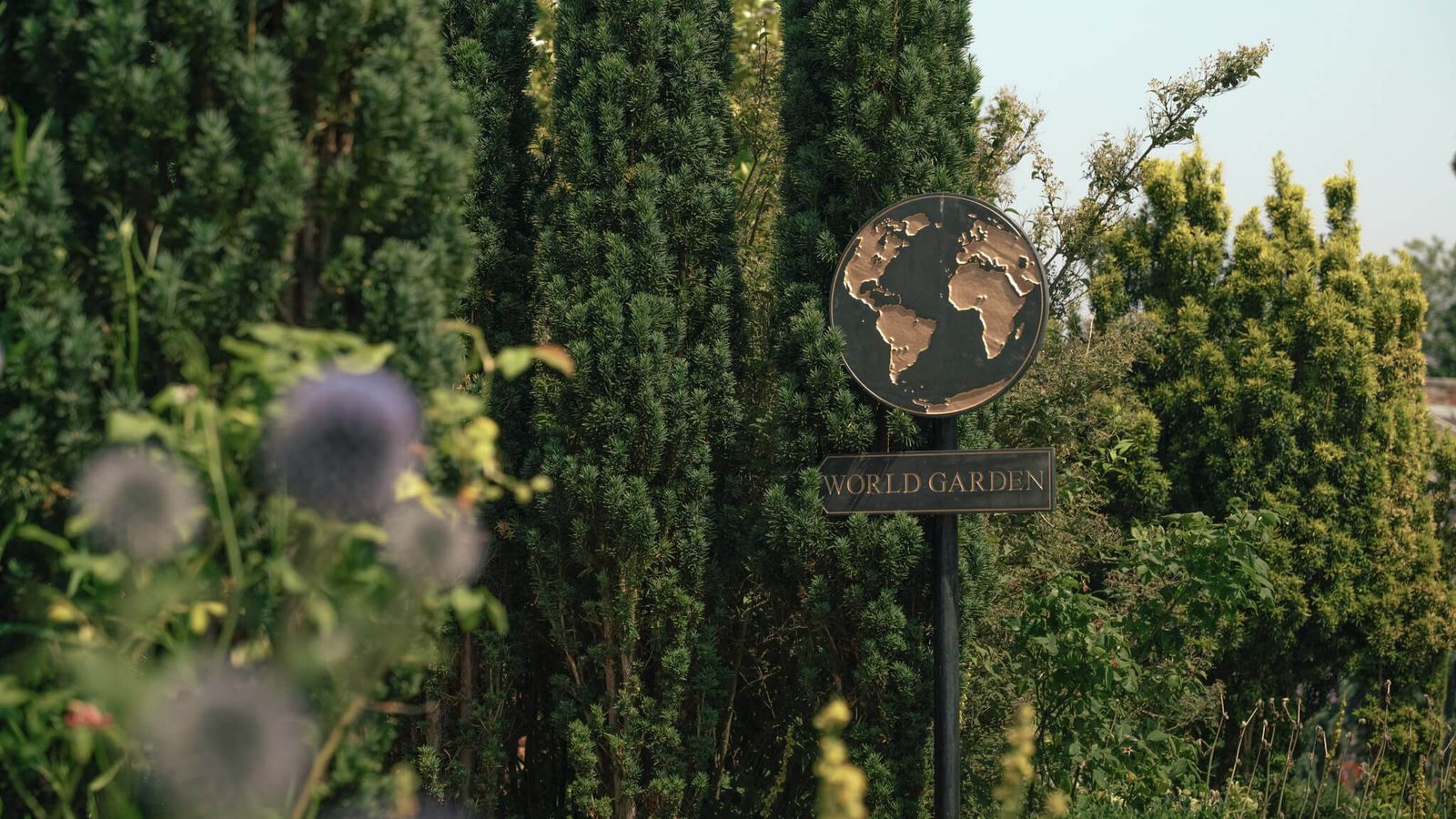
Created by Tom Hart Dyke, plant hunter and curator of The World Garden at Lullingstone Castle, it is one of the most unusual gardens to visit in Kent. Set within the estate’s walled garden, it gathers plants according to where they come from in the world, inviting visitors to move through Australia, Asia, Africa, Europe, the Americas and the islands between them without leaving the old Kentish walls.
It is a bold idea, but not a decorative one. The World Garden is part botanical collection, part living map, part family inheritance and part survival story. It contains rare plants, eccentric details, horticultural ambition and the unmistakable force of Tom’s own personality. It also carries the memory of where it began: not at Lullingstone, not in Kent, not even in Europe, but in captivity in the Darién Gap.
Tom Hart Dyke, the plant hunter behind The World Garden
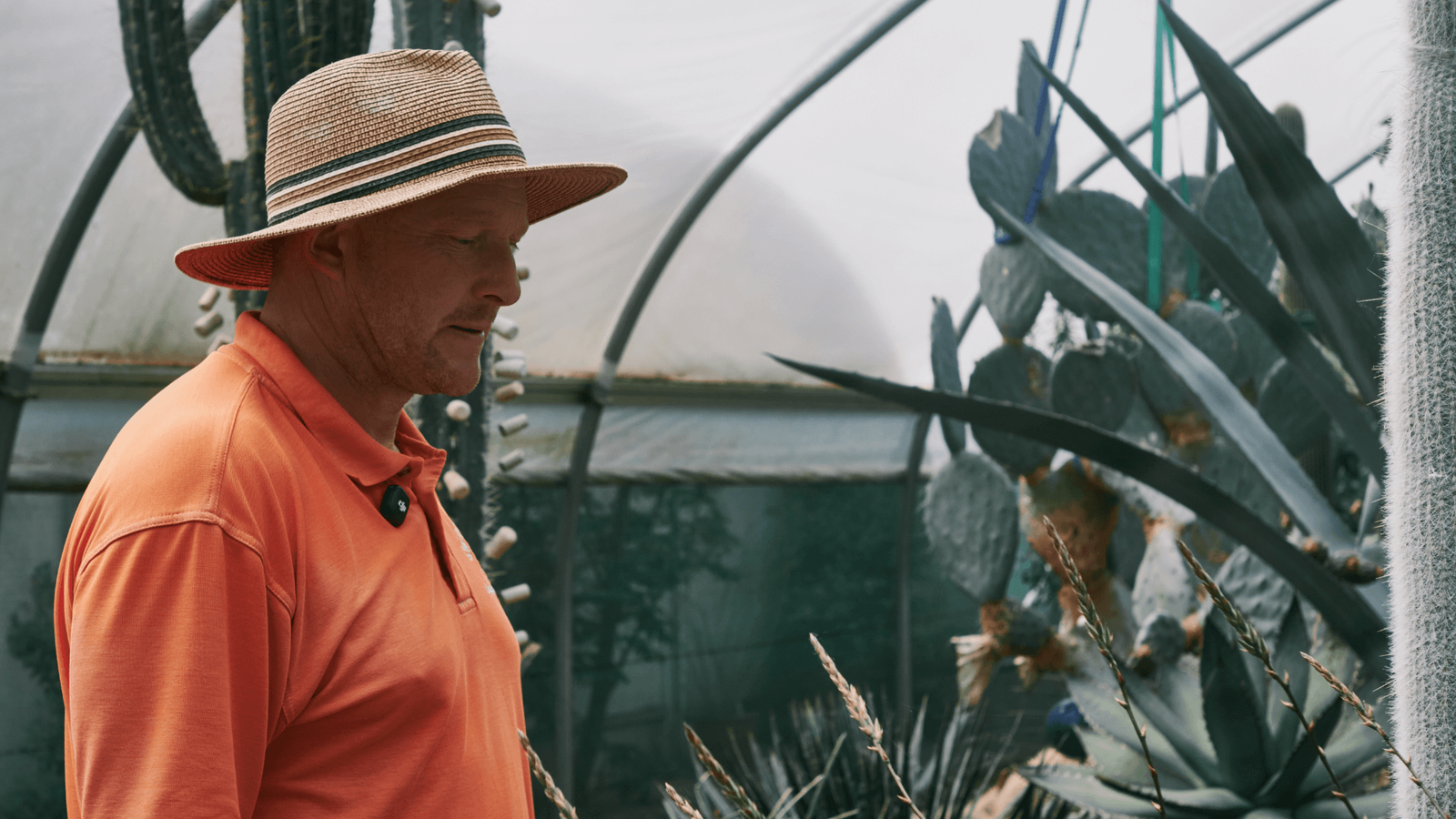
Tom introduces himself with characteristic humour as “the curator”, before immediately undercutting the grandeur of the title. But there is no avoiding the seriousness of what he has built. The World Garden is now central to the life of Lullingstone Castle, and Tom’s relationship with plants began long before the garden took shape.
He traces it back to childhood, to his grandmother and a packet of seeds. At the age of three, she gave him carrot seeds and a trowel, and the effect was immediate. He describes her as the person who gave him his “green blood cells”, a phrase that says almost everything about the way plants seem to have entered his life: not as a hobby, but as something inherited, absorbed and lived through.
His grandmother, Mary Hart Dyke, known within the family as Crac, appears throughout the garden in spirit. Tom speaks of her as energetic, formidable and deeply connected to his horticultural beginnings. She lived nearly to 96, he recalls, and was still riding a mountain bike into her nineties. That combination of eccentricity, resilience and outdoor appetite feels present in the garden itself.
From that early seed-sowing came a deeper fascination with plants in the wild. Tom talks about plant hunting as something larger than simply finding a specimen. “It’s not just about seeing that plant for the first time,” he says. “It’s about the adventure that goes with it.” That distinction matters. To Tom, plants are never just objects to be collected. They belong to places, climates, journeys and stories.
Orchids became one of his great obsessions. Their strangeness, rarity and delicacy drew him into remote landscapes and difficult routes, following the spirit of the Victorian and Edwardian plant hunters whose introductions changed the way British gardens look. But The World Garden is not nostalgia for that age. It is more thoughtful than that. It asks what happens when plants from many parts of the world are gathered into one place, and how their origins can still be remembered.
The story that shaped The World Garden
The most famous chapter in Tom Hart Dyke’s life began in 2000, when he and his travelling companion Paul Winder attempted to cross the Darién Gap, the dense and dangerous region between Panama and Colombia. Tom had gone in search of orchids. The journey became a kidnapping.
In the interview, Tom describes being taken by a Colombian guerrilla group and marched into the forest. He is characteristically blunt about the ordeal, adding that he is “not recommending the experience”. It is a moment of dry humour in a story that could otherwise overwhelm the garden completely.
What matters at Lullingstone is not the drama alone, but what Tom did with it. During captivity, he began to build gardens in his mind. He describes one particular moment on 16 June 2000, when he was being held in a palm hut and believed he had only hours to live. When one of the guards turned away, he opened his diary and began to sketch.
What he drew was the beginning of the garden that now surrounds him.
He describes it not as a grand plan at the time, but as “a way of dealing really with the situation”. That is perhaps the most revealing phrase in the whole story. The World Garden was first imagined as a structure for the mind. It gave shape to thought when the future had almost disappeared. It allowed him to travel through plants, countries and possibilities while physically held in one place.
That is why the garden has a charge that many gardens do not. It was not first conceived as a visitor attraction, a showpiece or an estate project. It began as an act of mental survival.
A Kent estate with the world inside it
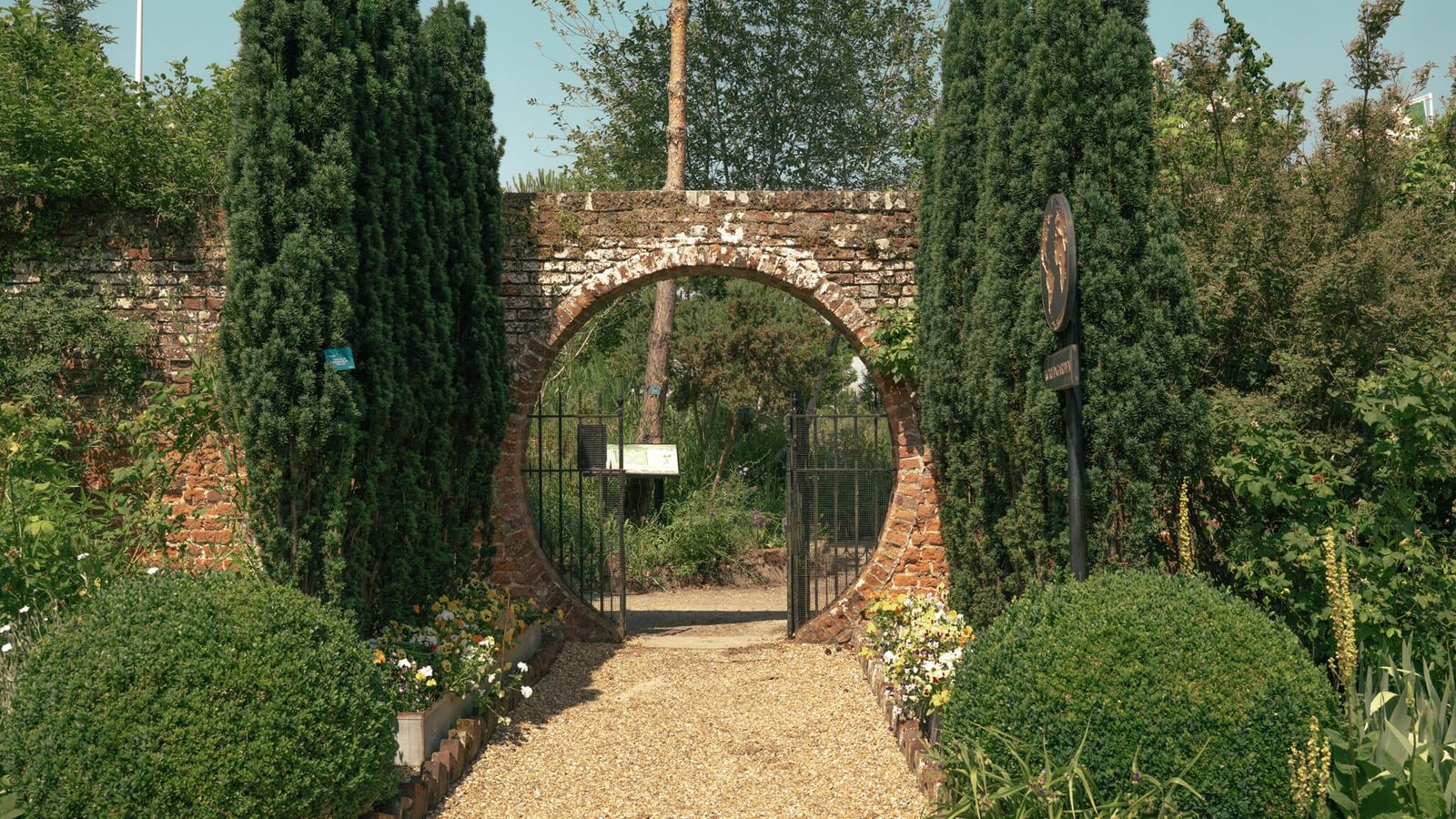
Lullingstone Castle gives The World Garden its frame. The estate sits near Eynsford in Kent, within a landscape of old walls, parkland, water, mature trees and historic buildings. It has the quiet weight of a place held over generations.
Against that deeply English setting, The World Garden does something unexpected. It opens outwards. Within the walls, plants are arranged according to their native regions, so the visitor moves through a living geography. It is not a garden composed only by colour or season, but by origin.
This makes it especially interesting for anyone who loves gardens, because it reveals a truth that is often hidden in plain sight. British gardens have always been international. The plants we think of as familiar often began elsewhere. Dahlias, eucalyptus, salvias, agaves, bamboo, penstemons, orchids, yuccas and so many others arrived through journeys, exchanges, risk, trade and experiment. The World Garden makes that movement visible.
Tom’s family story is folded into the idea too. The entrance through the moon gate is one of the emotional thresholds of the garden. He calls it his great-grandmother’s moon gate, and every time he walks through it, the symbolism is clear. The visitor steps from the inherited world of Lullingstone into the imagined world Tom drew in captivity.
The garden is also practical. Tom says that it is now “keeping the whole place going”, helping to support the house, the gatehouse and the wider estate. That gives the project another layer. The World Garden is not only a personal dream made real. It is a working part of Lullingstone’s future.
A living atlas of rare plants
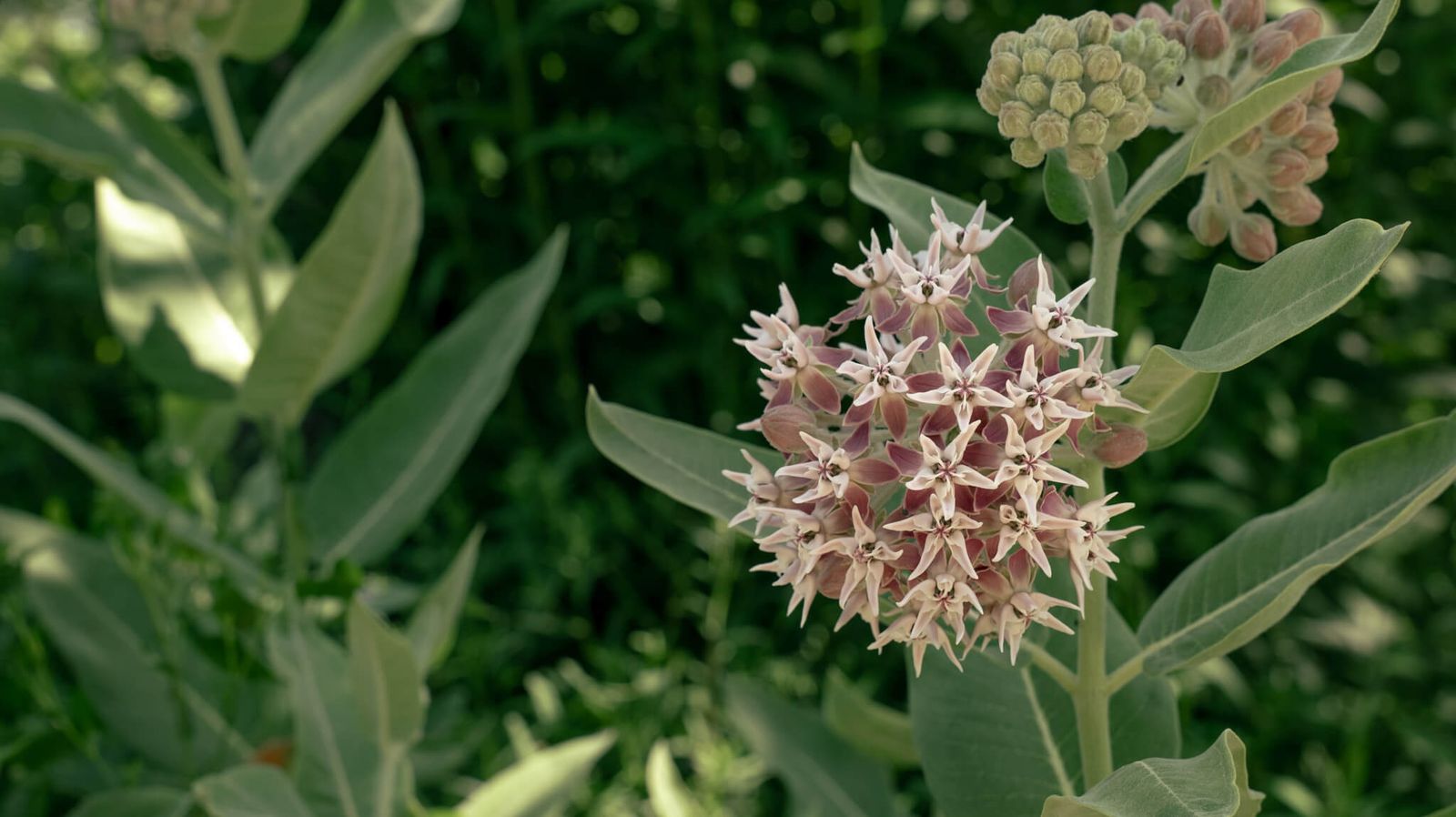
The central mapped garden is arranged as a miniature world, with plants placed according to their geographical origins. It is a concept that can be understood quickly, but the more slowly one walks, the more layered it becomes.
There are plants here with deep botanical significance, plants with personal associations and plants with a theatrical edge. The Wollemi pine, sometimes known as the Dinosaur Tree, sits within the Australian story of the garden. Eucalyptus morrisbyi, one of the rarest gum trees, connects back to Tom’s plant-hunting travels in Tasmania. Penstemon ‘Crac’s Delight’, named for his grandmother, turns family memory into a living plant. Dahlia ‘Lullingstone Castle’ ties the garden back to the estate itself.
There are also plants that give the garden its sense of drama and danger: Hoodia gordonii, Dendrocnide moroides, the Queensland stinger, and the Dorset Naga chilli. These details keep the garden from becoming too polite. It has humour, risk and oddity running through it, which feels entirely right for a garden born from such an improbable story.
The result is not a static collection. It is a garden of evidence. Each plant suggests a place, a journey, a climate or a person. Some speak of Tom’s travels, some of his family, some of the wider history of plant hunting, and some simply of the extraordinary adaptability of plants themselves.
The garden’s many worlds
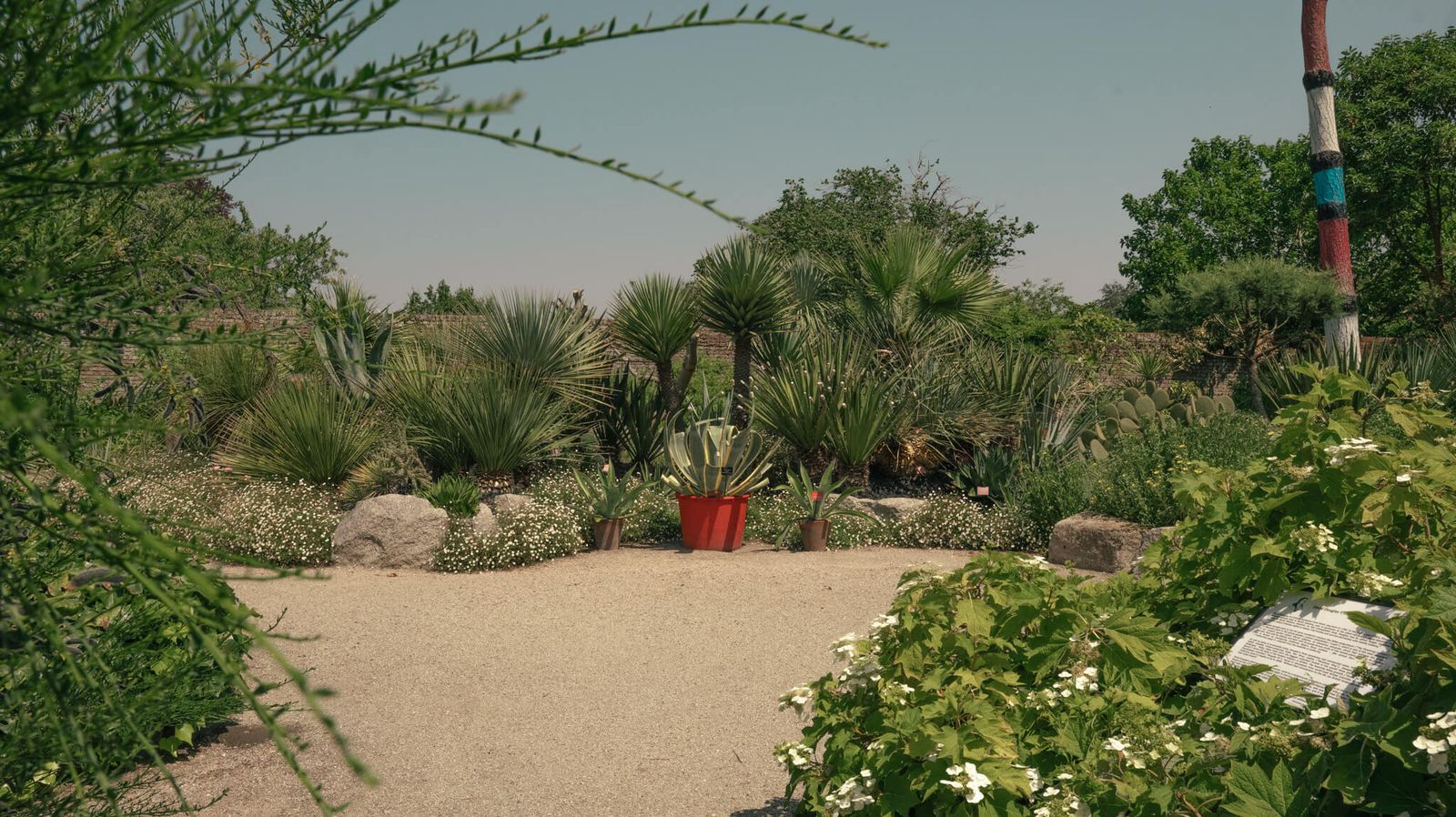
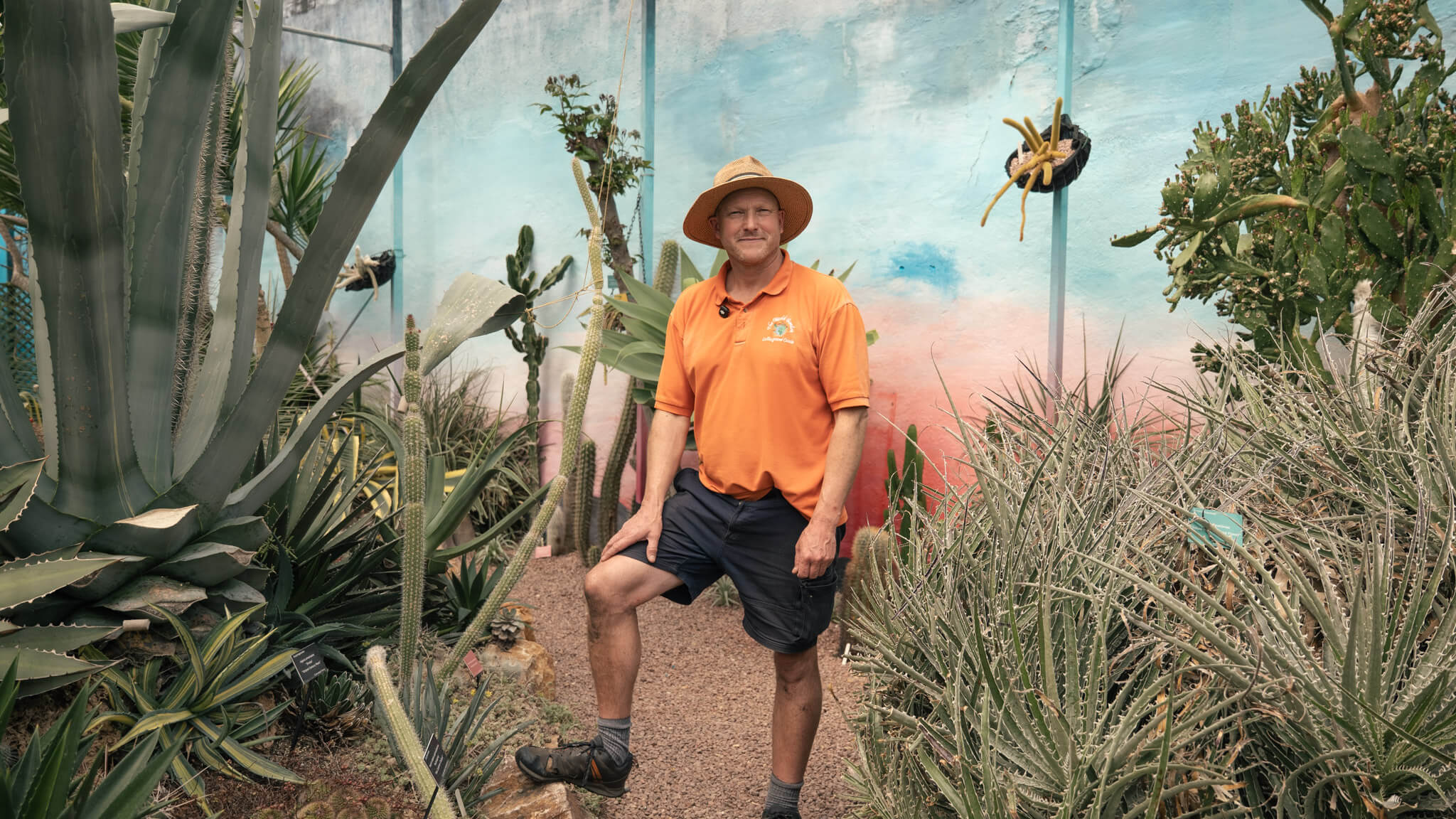
Although the map is the heart of The World Garden, the wider two-acre walled garden holds other distinct spaces. These include the Hot & Spiky Cactus House, the Cloud Garden, orchid displays, an Australasian area, the Moroccan Blue Room, an orchid meadow and wider walks through the grounds.
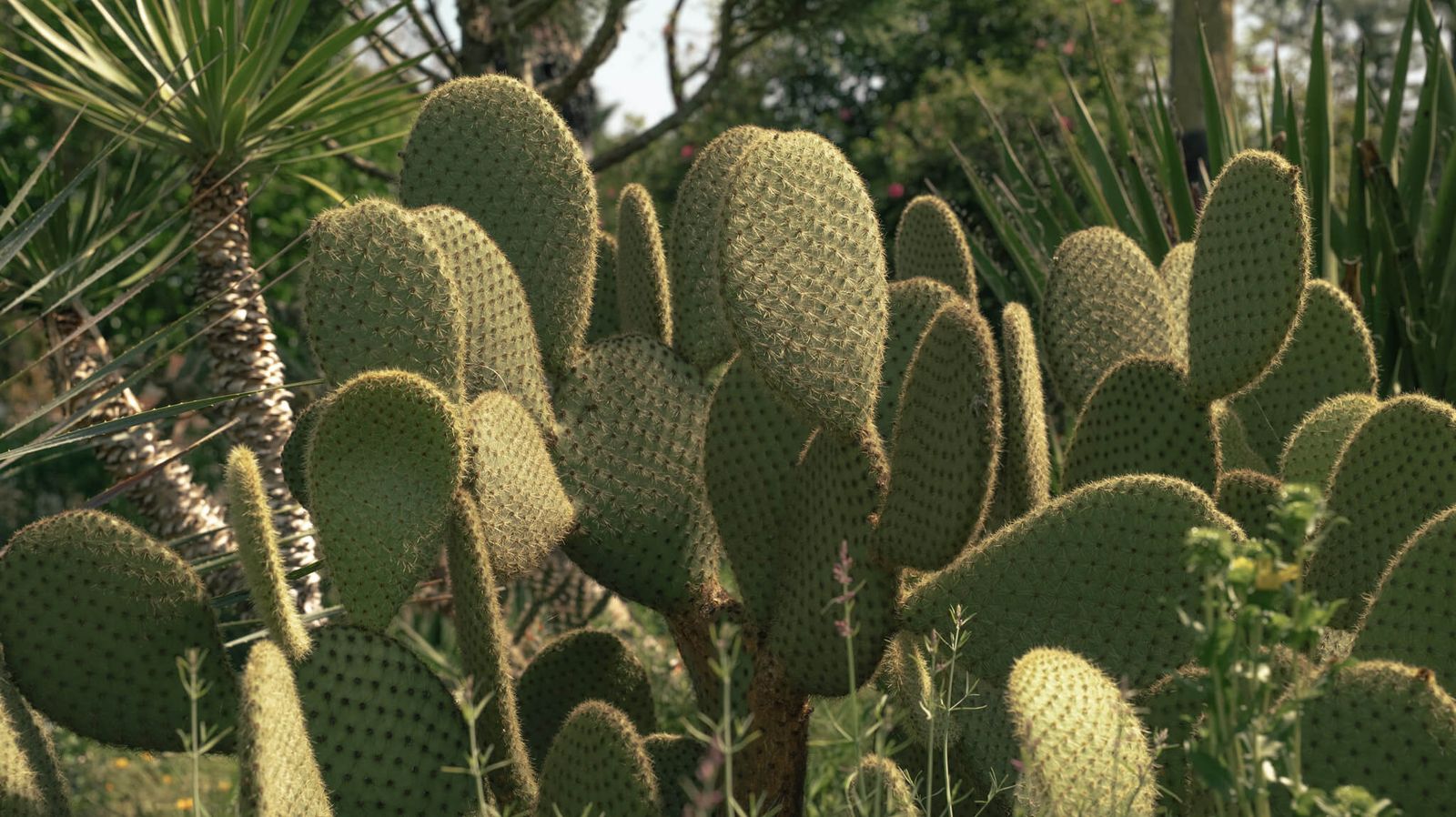
The Hot & Spiky Cactus House brings together cacti, succulents and bromeliads from dry regions across the world. It is a concentrated world of spines, swollen stems and survival strategies, where plants have adapted to heat, drought and scarcity. The Cloud Garden offers a different atmosphere, suggesting the cooler, damper conditions associated with higher-altitude planting. The orchid areas return to Tom’s original fascination, the plants that drew him towards some of the world’s most difficult landscapes.
Together, these sections make The World Garden feel less like a single idea and more like a series of encounters. It can be read botanically, geographically or emotionally. A casual visitor can enjoy the sense of travelling through continents. A gardener can look at habit, hardiness, placement and plant association. A plantsman can study the rarities. Children can understand the map almost immediately.
That accessibility is part of its strength. The idea is ambitious, but not closed off. It invites people in.
The maintenance of a world
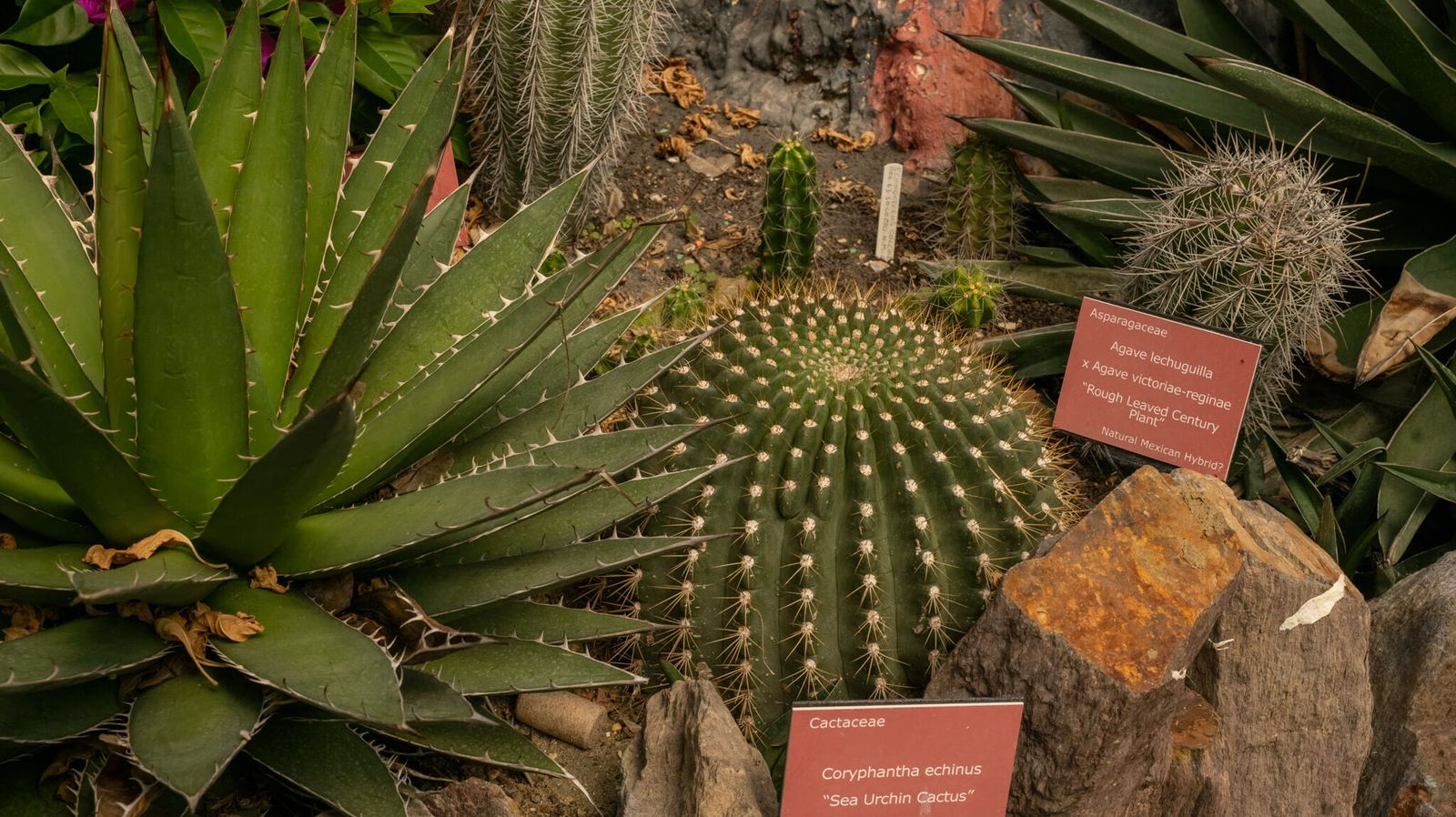
To create a garden in the shape of the world is one kind of ambition. To maintain it in Kent is another.
Plants do not behave according to a map. They grow, fail, outcompete, sulk, surprise and demand attention. Some need protection from winter. Some need free drainage. Some require heat. Some are tougher than expected. Others, despite all care, will not settle. A plant’s place of origin may explain it, but it does not guarantee its future in a Kent garden.
This is where The World Garden becomes especially interesting now. Climate, resilience and plant choice are no longer abstract ideas for gardeners. They are practical realities. A global collection in a British walled garden becomes an ongoing experiment in what can be grown, protected, adapted and understood.
The maintenance is not separate from the romance. It is what allows the romance to continue. Plant hunting may begin with travel and discovery, but the garden itself depends on watering, pruning, feeding, labelling, propagation, shelter, repair and constant observation. The World Garden is not finished, and that is part of its appeal. It keeps changing because living things keep changing.
Tom says that the original plan has gone far beyond what he expected. Sitting in the garden more than two decades after Colombia, he speaks of it as something that has exceeded the sketch, exceeded the private dream, and taken on a life of its own.
Why The World Garden matters
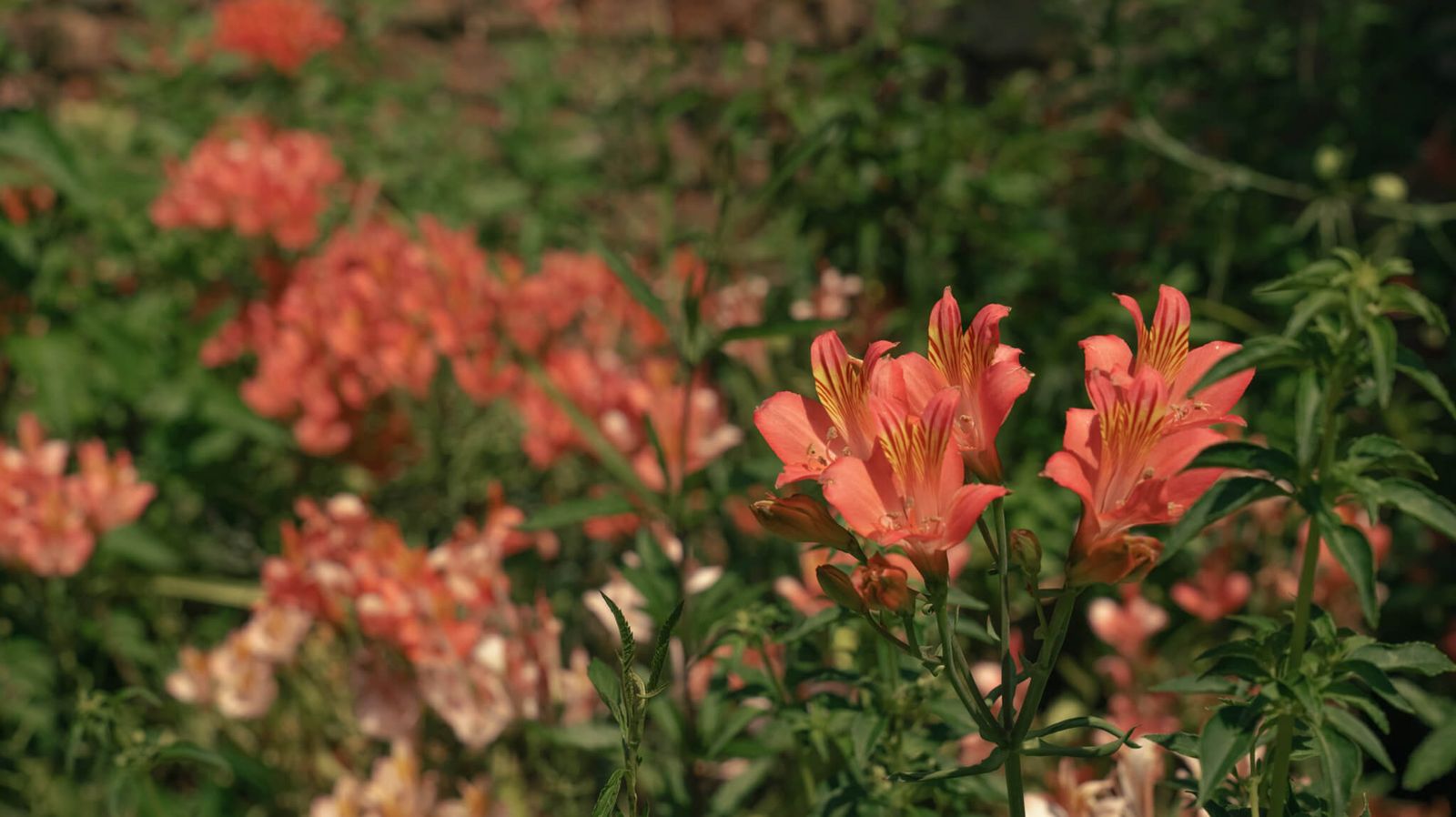
The World Garden matters because it reconnects plants to origin. It reminds us that a garden is never just a surface. It is a record of movement, climate, memory, labour and care.
It also matters because it refuses to let Tom’s story sit only in the past. The kidnapping is part of the garden’s beginning, but the garden itself is not a memorial to fear. It is an answer to it. It has become a place of public curiosity, horticultural knowledge, estate survival and family continuity.
Near the end of the interview, Tom reflects on the therapeutic nature of gardening: its escapism, its effect on mental health, its ability to steady a person. But then he goes further. Because of where The World Garden began, he says, it is “slightly more than that”. Then comes the simplest line: “It saved my life.”
That sentence should not be overworked. The garden itself does the work. It shows how an idea first drawn under threat became a living landscape in Kent. It shows how survival can be expressed not in a fixed monument, but through growth, maintenance and return.
For Tom Hart Dyke, The World Garden is not simply the result of survival. It is the continuation of it.
Visiting The World Garden at Lullingstone Castle
The World Garden at Lullingstone Castle is located in Eynsford, Kent, DA4 0JA, within the grounds of Lullingstone Castle. It is one of the most distinctive gardens to visit in Kent, particularly for those interested in rare plants, plant hunting, historic estates, walled gardens and unusual botanical collections.
For the 2026 season, The World Garden is open from Thursday 2 April until Saturday 31 October. Standard opening is Thursday to Sunday, including Bank Holiday Mondays, from 11am to 5pm, with last entry to the garden at 4.30pm. No pre-booking is required for standard visits, unless visiting as part of a group.
Standard garden admission is listed as £10 for adults, £5 for children aged 5 to 16, £8.50 for senior citizens and £25 for a family ticket. The Manor House is open on selected dates and special event days, with separate house and garden admission available when open.
Visitors can reach Lullingstone Castle via Eynsford, with parking available on site. The nearest train station is Eynsford, making the garden accessible for visitors travelling from London as well as across Kent.
Allow enough time to move slowly. The pleasure of The World Garden is not simply in seeing it, but in reading it: a rare eucalyptus here, an orchid story there, a plant named for family memory, a cactus house full of heat and resilience, and beyond it all the remarkable thought that this whole living map began as a sketch made when the future was far from certain.
You can find more information about the World Garden and Lullingstone Castle on their website – https://www.lullingstonecastle.co.uk/