
5 Easy Habitat Wins for Your Garden
There is a time that arrives in many gardens when you realise you are no longer the sole occupant. A blackbird begins inspecting the lawn with the seriousness of a surveyor. Bees drift lazily between flowers. And if you’re particularly fortunate, a hedgehog may appear one…
House of Willow Alexander·
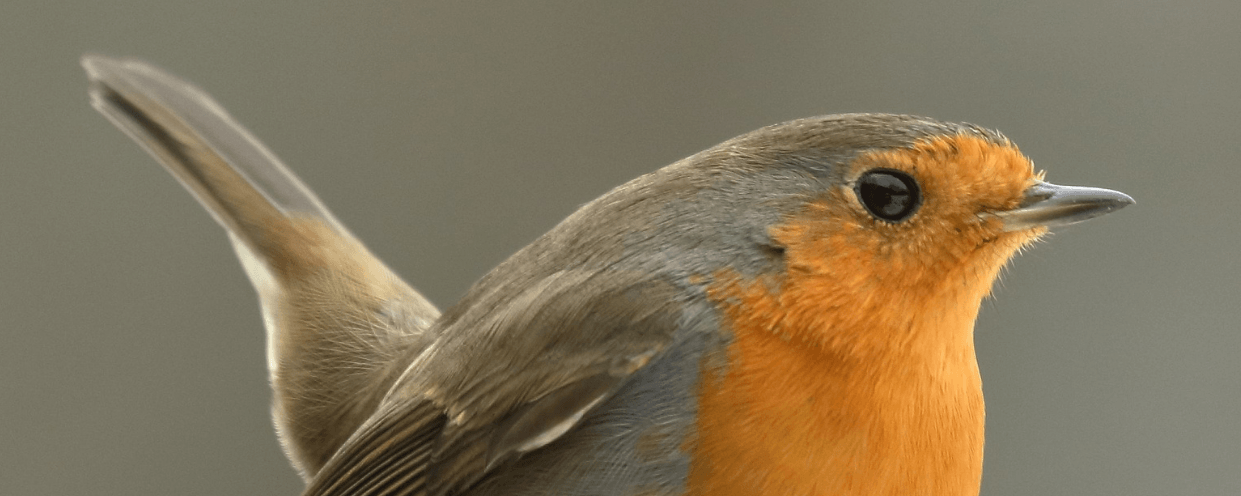
There is a time that arrives in many gardens when you realise you are no longer the sole occupant.
A blackbird begins inspecting the lawn with the seriousness of a surveyor. Bees drift lazily between flowers. And if you’re particularly fortunate, a hedgehog may appear one evening, wandering through the borders with the calm confidence of someone who has been using the garden long before you arrived.
Gardens, after all, are not truly private spaces. Even the smallest plot is part of a much larger landscape, a patch of habitat within the wider world.
The good news is that welcoming wildlife into the garden rarely requires dramatic effort. In fact, a few small adjustments are often enough to encourage birds, insects, and other visitors to settle in.
Here are five easy habitat wins that gently invite nature back into the garden, without requiring you to turn the entire lawn into a nature reserve.
1. Plant for Pollinators
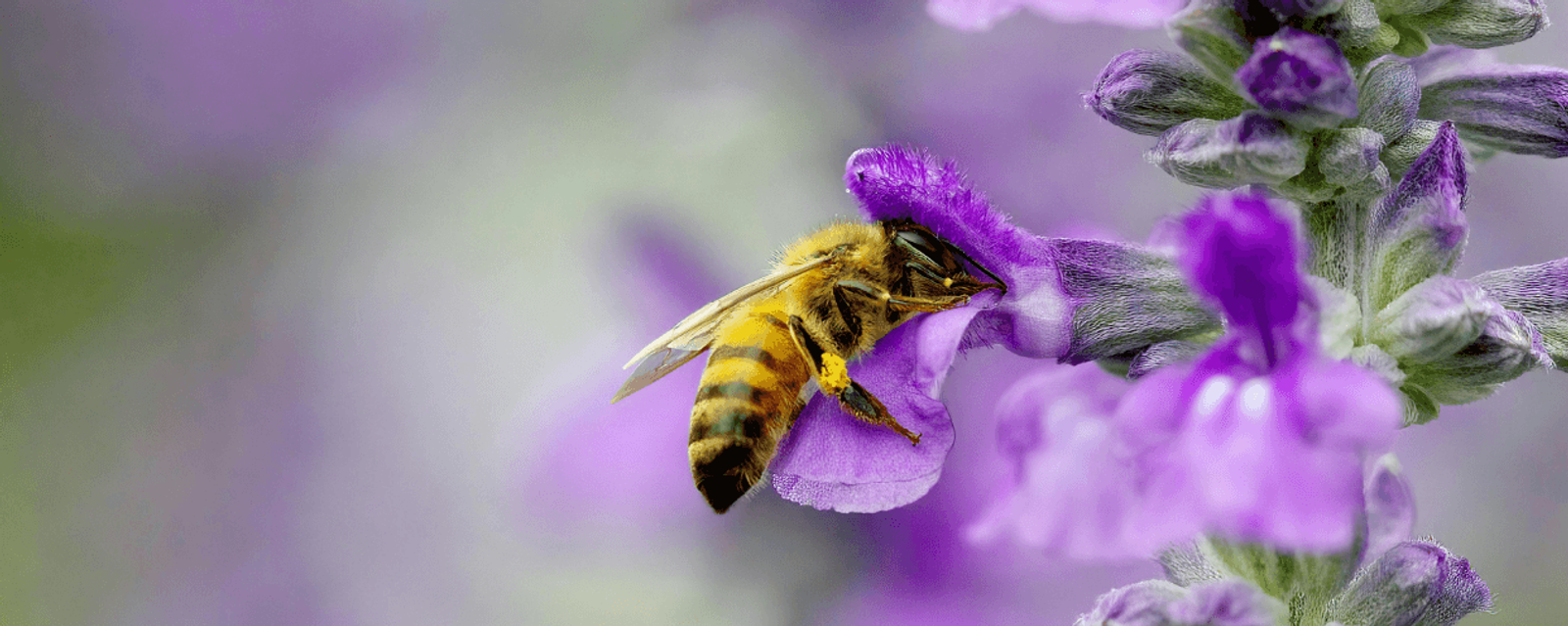
Bees, butterflies, and hoverflies are drawn to nectar-rich plants such as lavender, salvia, verbena, and echinacea.
One of the easiest ways to encourage life into the garden is to plant flowers that pollinators adore.
Bees, butterflies, and hoverflies are drawn to nectar-rich plants such as lavender, salvia, verbena, and echinacea, many of which are widely recommended for supporting pollinating insects in garden environments. These flowers provide food while also adding colour and movement to your garden.
The secret is planting generously. A small cluster of the same plant is far easier for pollinators to find than a single flower tucked between many others.
Before long, the garden begins to hum quietly with activity, a reassuring sign that the ecosystem is doing exactly what it should.
It also has the added benefit of making the garden look beautifully alive.
2. Add Water
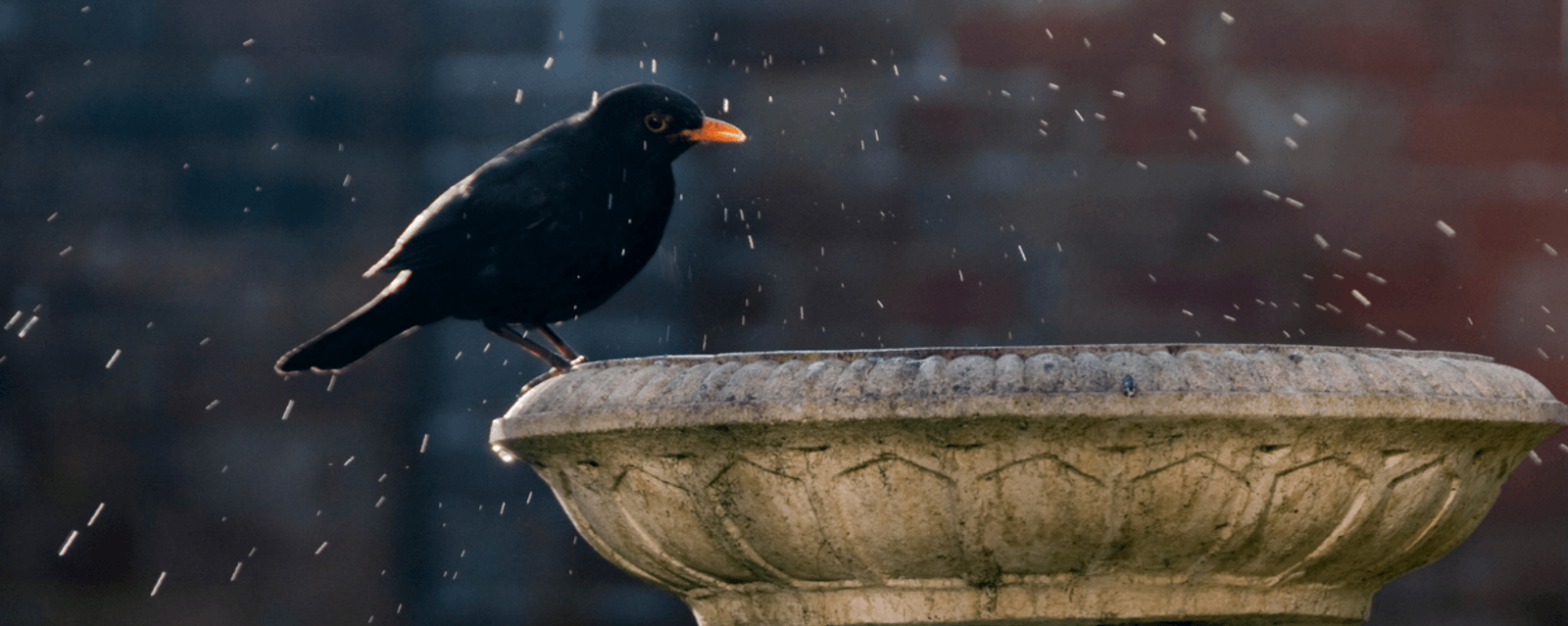
A simple bird bath, shallow bowl, or small water feature can quickly become one of the busiest spots in the garden.
Wildlife needs water just as much as it needs shelter and food.
A simple bird bath, shallow bowl, or small water feature can quickly become one of the busiest spots in the garden. Birds will drink, bathe, and splash about with remarkable enthusiasm, occasionally with such vigour that it begins to resemble a very small pool party.
Even something as simple as a dish of water placed among the plants can make a difference.
If you include a few small stones or pebbles, insects will also be able to land safely for a drink without taking an unexpected swim.
Water introduces movement and sound into the garden, both of which make the space feel instantly more alive.
3. Create Shelter
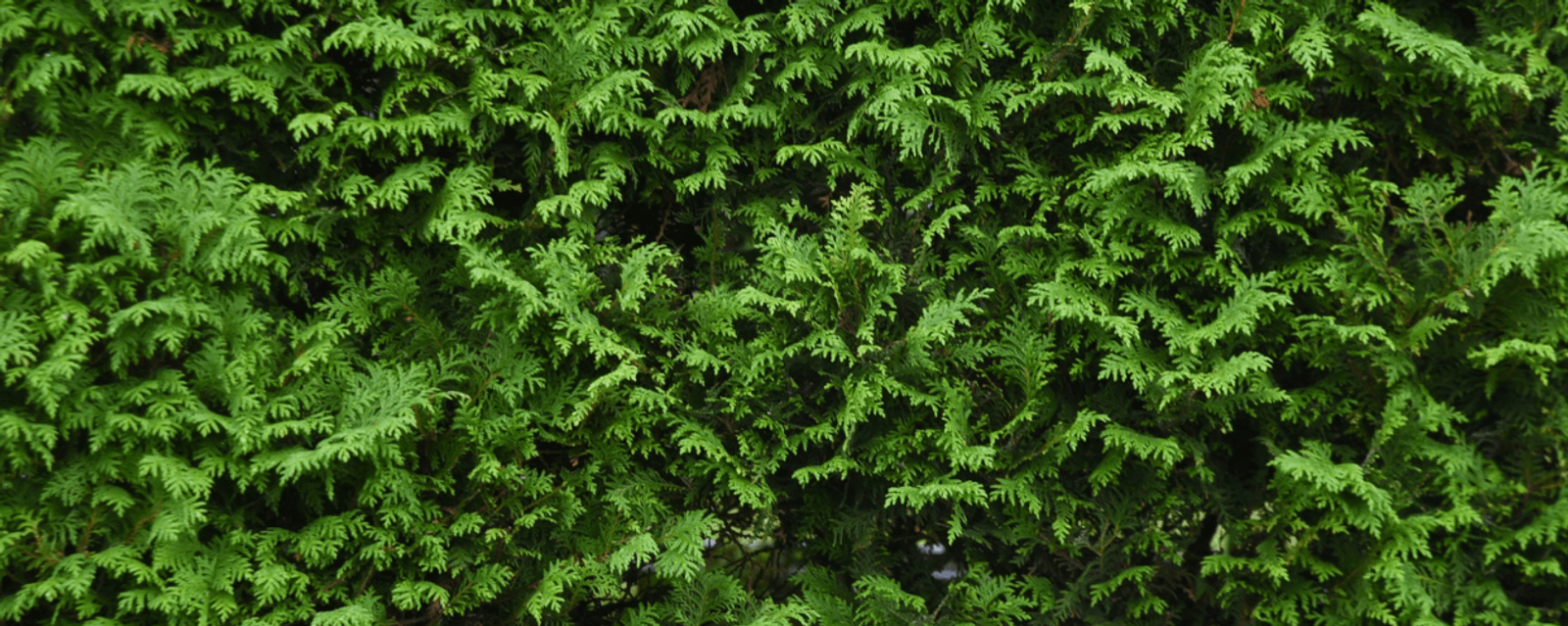
Dense shrubs, hedges, and layered planting give birds and small mammals protection from predators and weather.
For many creatures, the most valuable thing a garden can offer is somewhere safe to hide.
Dense shrubs, hedges, and layered planting give birds and small mammals protection from predators and weather. Even a small log pile or tucked-away brush stack can provide valuable refuge for insects and hedgehogs.
Not every corner of the garden needs to be perfectly maintained. In fact, wildlife tends to favour the slightly wilder areas.
A quietly overgrown corner can become a thriving habitat, which is excellent news for anyone who occasionally finds themselves “intentionally delaying” a bit of garden tidying.
4. Provide Natural Food
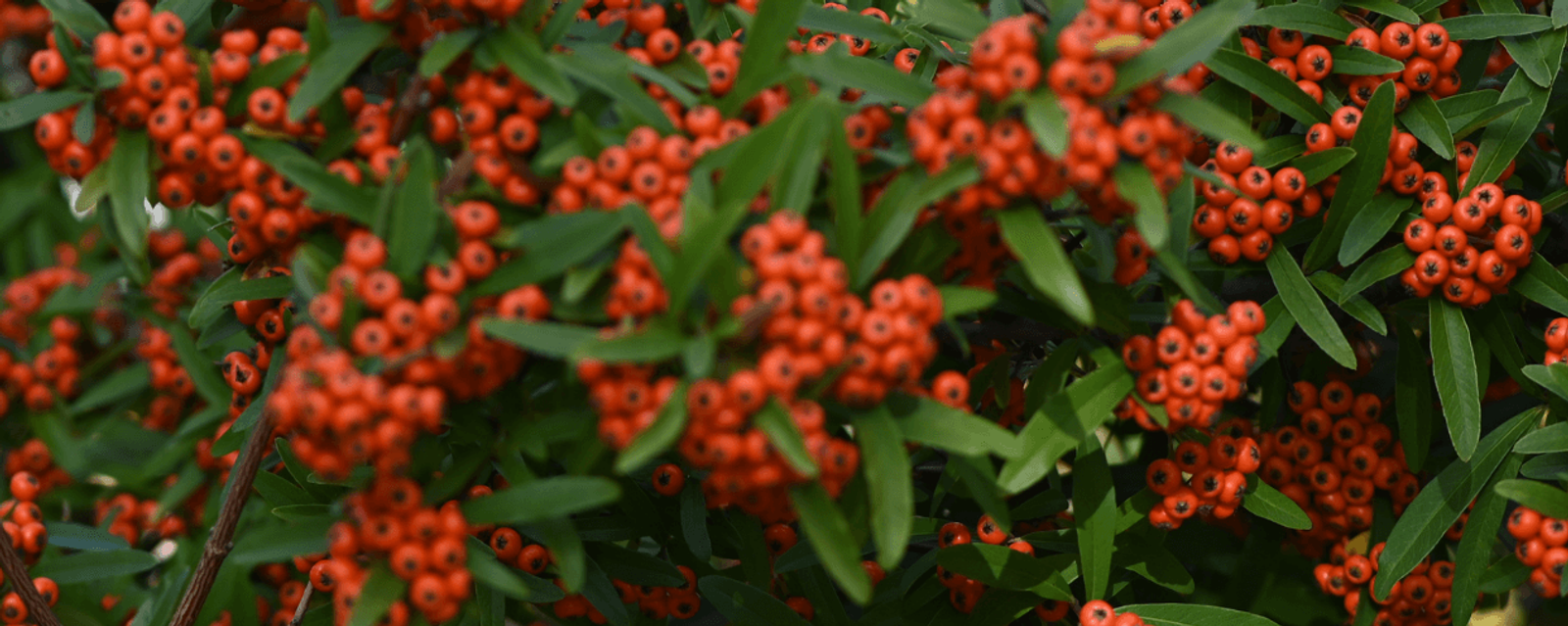
Berry-producing shrubs, seed heads from perennials, and native plants all provide nourishment for birds and insects.
A wildlife-friendly garden offers food throughout the year.
Berry-producing shrubs, seed heads from perennials, and native plants all provide nourishment for birds and insects. Rather than cutting everything back in autumn, leaving certain plants standing through winter allows birds to feed on the seeds while insects shelter in the stems.
What might look a little untidy to us often becomes a vital winter pantry for wildlife.
And as an added bonus, it gives the gardener the rather satisfying opportunity to describe slightly scruffy borders as “supporting biodiversity.”
5. Let a Little Wildness Stay

A patch of longer grass, a small corner left undisturbed, or leaves gathered beneath a hedge can all support wildlife in surprising ways.
Perhaps the most powerful habitat win is simply allowing a little wildness to remain.
A patch of longer grass, a small corner left undisturbed, or leaves gathered beneath a hedge can all support wildlife in surprising ways. These spaces offer shelter, nesting materials, and pathways through the garden.
Nature rarely needs much encouragement. Once the conditions feel right, it tends to return quickly.
Before long, the garden begins to feel less like a carefully managed outdoor room and more like a small ecosystem quietly going about its business.
A Garden Shared
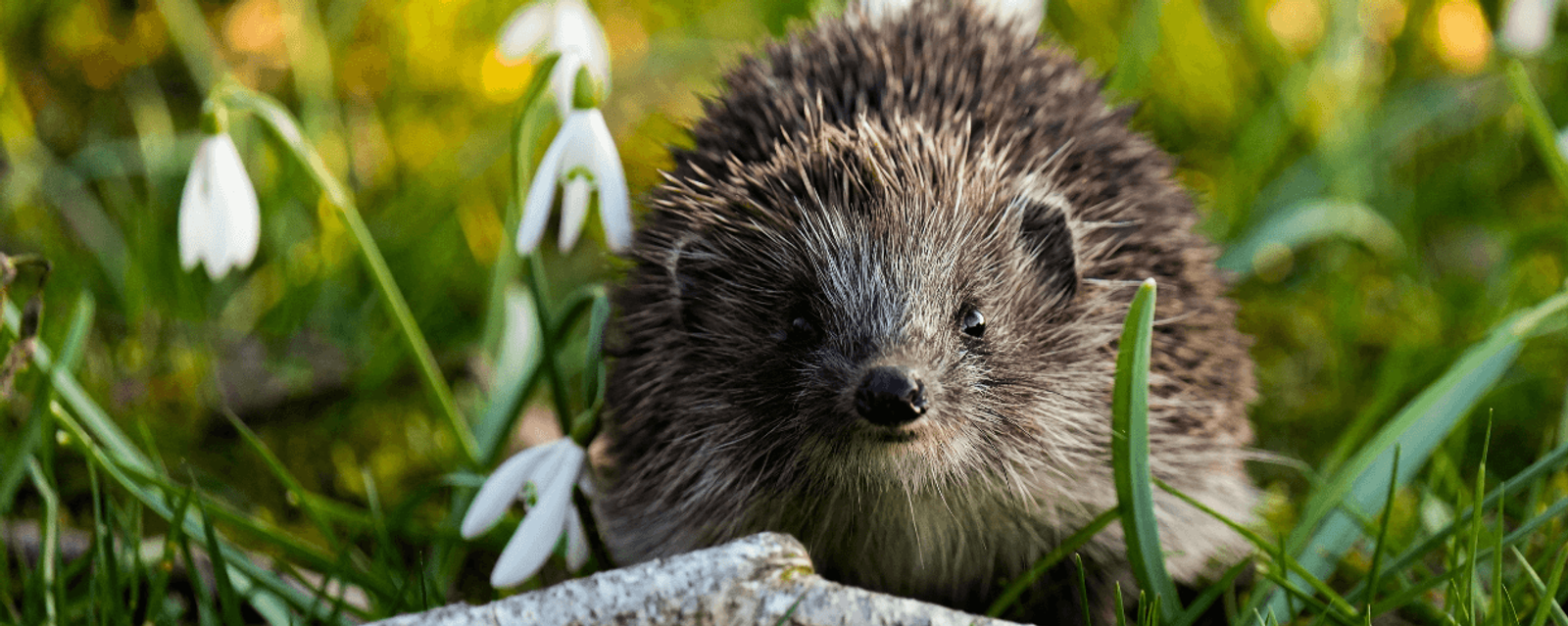
And once the birds, bees, and evening visitors begin to arrive, the garden somehow feels fuller.
Encouraging wildlife into the garden does not require grand gestures or elaborate design. Often it comes down to a few thoughtful choices, planting for pollinators, providing water, leaving space for shelter, and allowing the occasional corner to grow a little freely.
Over time, the garden becomes more than just a place to sit with a cup of tea, it becomes a thriving habitat.
It becomes a small refuge within the wider landscape.
And once the birds, bees, and evening visitors begin to arrive, the garden somehow feels fuller, as though it has remembered that it was never meant to belong to us alone.