Why Some Homes Always Feel Looked After: A Guide to Home Stewardship
There is a particular quality to certain homes that is difficult to define, yet immediately felt. They are not necessarily larger, newer or more carefully designed than others. There may…
House of Willow Alexander·

There is a particular quality to certain homes that is difficult to define, yet immediately felt.
They are not necessarily larger, newer or more carefully designed than others. There may be nothing especially remarkable about them at first glance. And yet, they hold a quiet sense of order – a feeling that everything sits as it should, and has done so for some time.
This quality is rarely accidental.
It is the result of something less visible, but far more enduring – an approach often described as home stewardship. A way of caring for a home that is not driven by urgency, but by continuity.
Nothing feels overlooked. Nothing feels strained. There is no sense of effort, and no sign of recent correction. Instead, the home appears settled, composed and entirely at ease with itself.
What sits behind this is not effort, but intention. A rhythm of small, consistent acts, carried out almost without notice, that prevent the need for larger intervention later on. Doors open as they should. Surfaces remain clear without being overly arranged. Spaces never quite fall out of balance.
When a home is cared for in this way, it begins to behave differently – calmer, more resilient, and always ready to be lived in rather than prepared for living.
A Home That Holds Its Balance
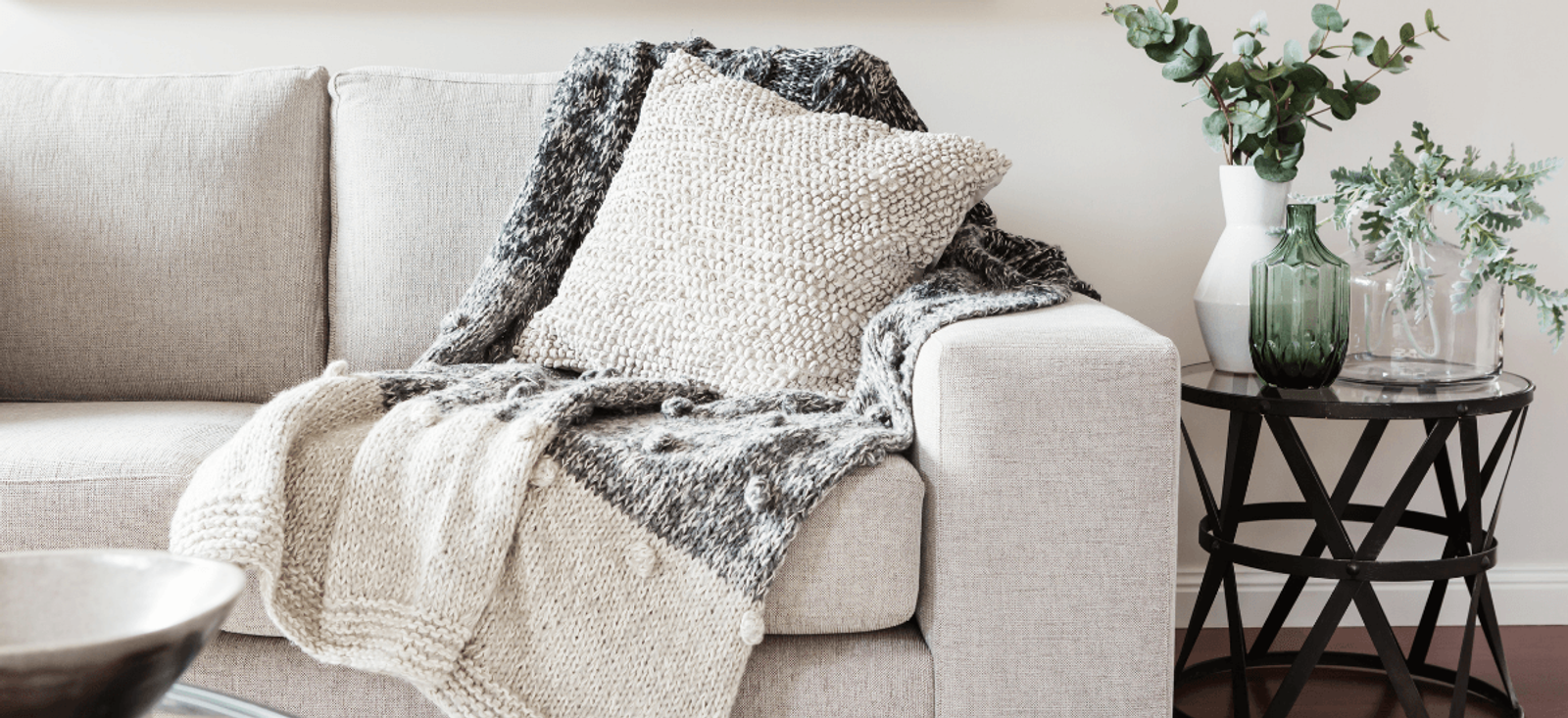
Soft textures and simple styling come together to create a calm, well considered space that reflects a quietly looked after home.
Most homes move through cycles, whether consciously or not.
There are moments when everything feels in order – rooms are clear, the garden is structured, and the house feels as though it is working as it should. Gradually, and often without immediate notice, that sense begins to shift. Small things are left. Edges soften. Surfaces become busier. The garden grows beyond its intended shape.
Eventually, something prompts action.
A period of attention follows – a weekend spent restoring order, a push to bring everything back into alignment. The home returns, briefly, to how it should feel. And then, slowly, the cycle begins again.
A stewarded home moves differently.
Rather than shifting between order and disorder, it remains in balance. Changes still occur, but they are absorbed as they happen. Nothing is left long enough to become a problem, and no single moment of intervention is required to restore it.
This does not mean the home is untouched. Quite the opposite.
It is continually, quietly adjusted – small actions taken at the right moment, often before they are strictly necessary. A pathway cleared before it becomes cluttered. A space reset before it begins to feel unsettled. A garden guided before it loses its form.
Over time, this creates something far more lasting than order.
It creates continuity.
The Quiet Discipline Behind It
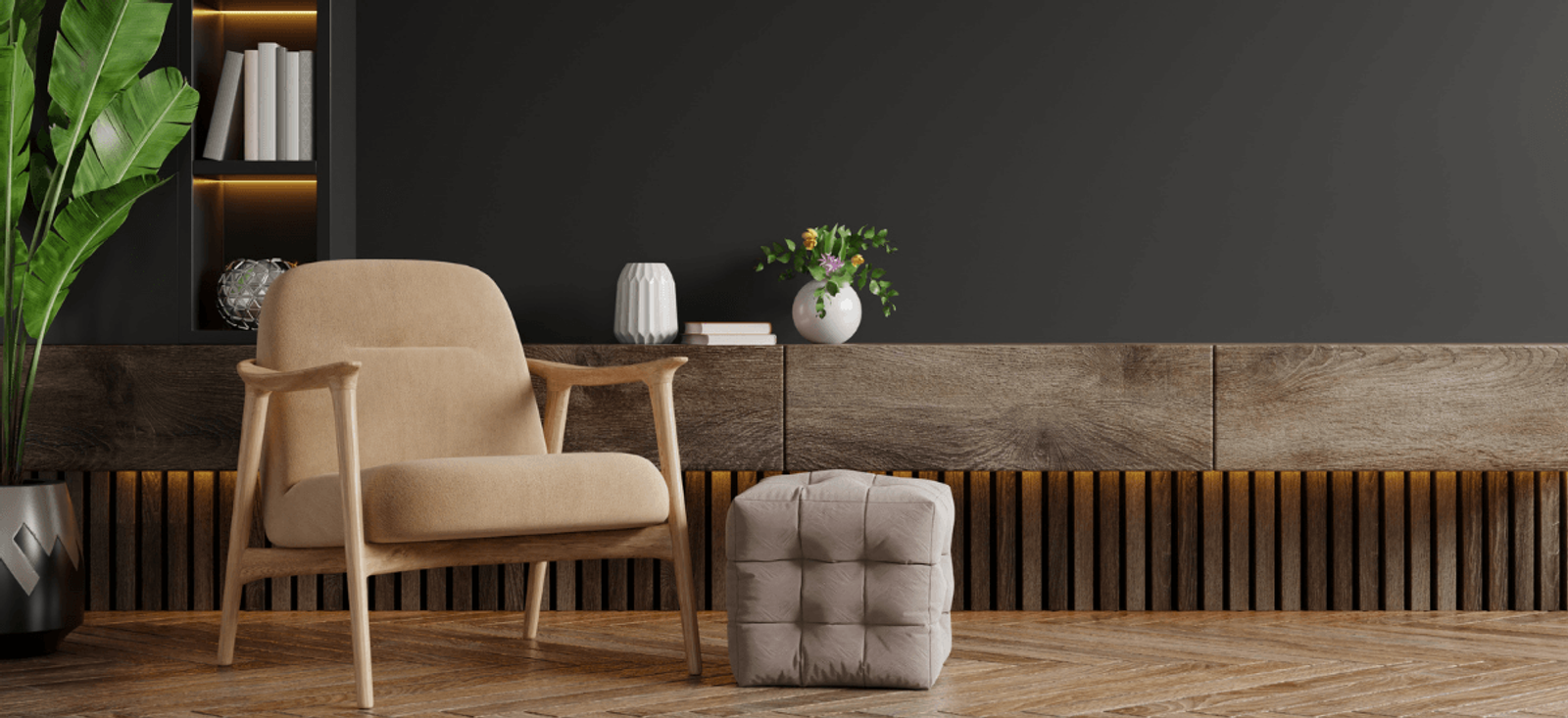
A well-stewarded home reflects care through considered materials, light and everyday maintenance.
What many people don’t see in a well-kept home is the work that never becomes visible.
The small, preventative actions that happen before problems arise – the clearing, the checking, the resetting of spaces before they fall out of balance – are what allow everything else to feel effortless. These moments are rarely acknowledged, and yet they define the overall experience of the home.
Rather than reacting to what is wrong, home stewardship is about maintaining what is right.
A well-kept home is not managed in bursts, nor restored after periods of neglect, but held in a steady state through consistency. Each element, from the interior to the garden beyond, is given attention at the right moment, often before it is strictly required.
This creates a different kind of relationship with the home.
There is no sense of catching up. No underlying awareness that something has been left too long. Instead, everything remains quietly in place – functioning, balanced and ready to be used without adjustment.
In many ways, this discipline sits just outside of daily awareness. It does not interrupt the rhythm of life within the home, but supports it. The home continues to feel composed not because it has just been restored, but because it has never quite fallen out of step.
The Relationship Between Care and Time
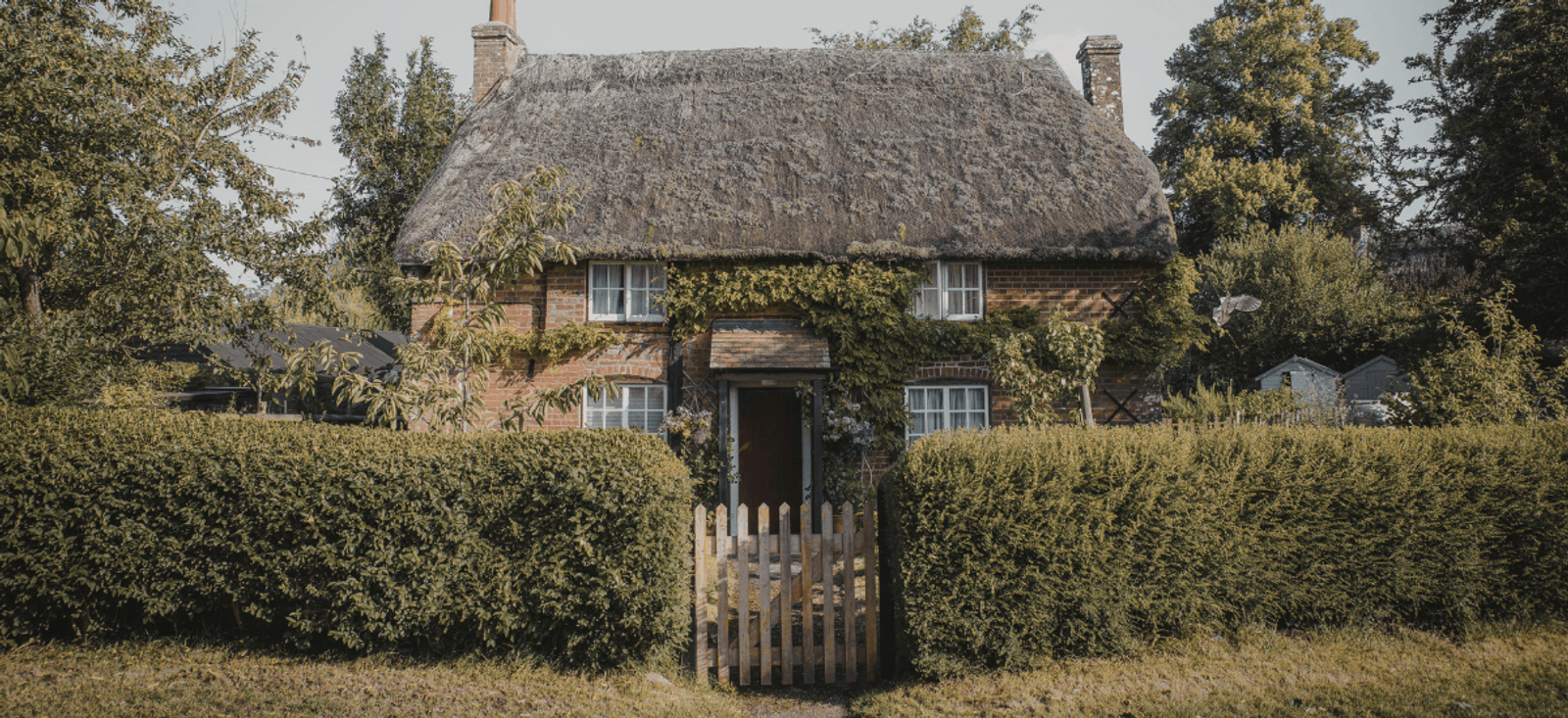
A well-maintained cottage exterior shows how consistent care shapes both home and garden over time.
What defines a well-looked-after home is not how much is done, but when it is done.
Timing plays a subtle but important role in how a space is experienced. A garden cut back too late feels overgrown, even once corrected. A room reset too infrequently begins to feel unsettled before it is addressed. Materials left unattended begin to show wear in a way that feels unintended, rather than natural.
When care happens at the right moment, everything behaves differently.
Gardens retain their structure while still feeling soft. Interiors remain composed without appearing arranged. Materials age, but do so evenly, developing character rather than deterioration.
This is where home stewardship becomes less about effort, and more about understanding – recognising how a home moves through time, and responding in a way that supports that movement rather than correcting it.
The Garden as a Measure of Care
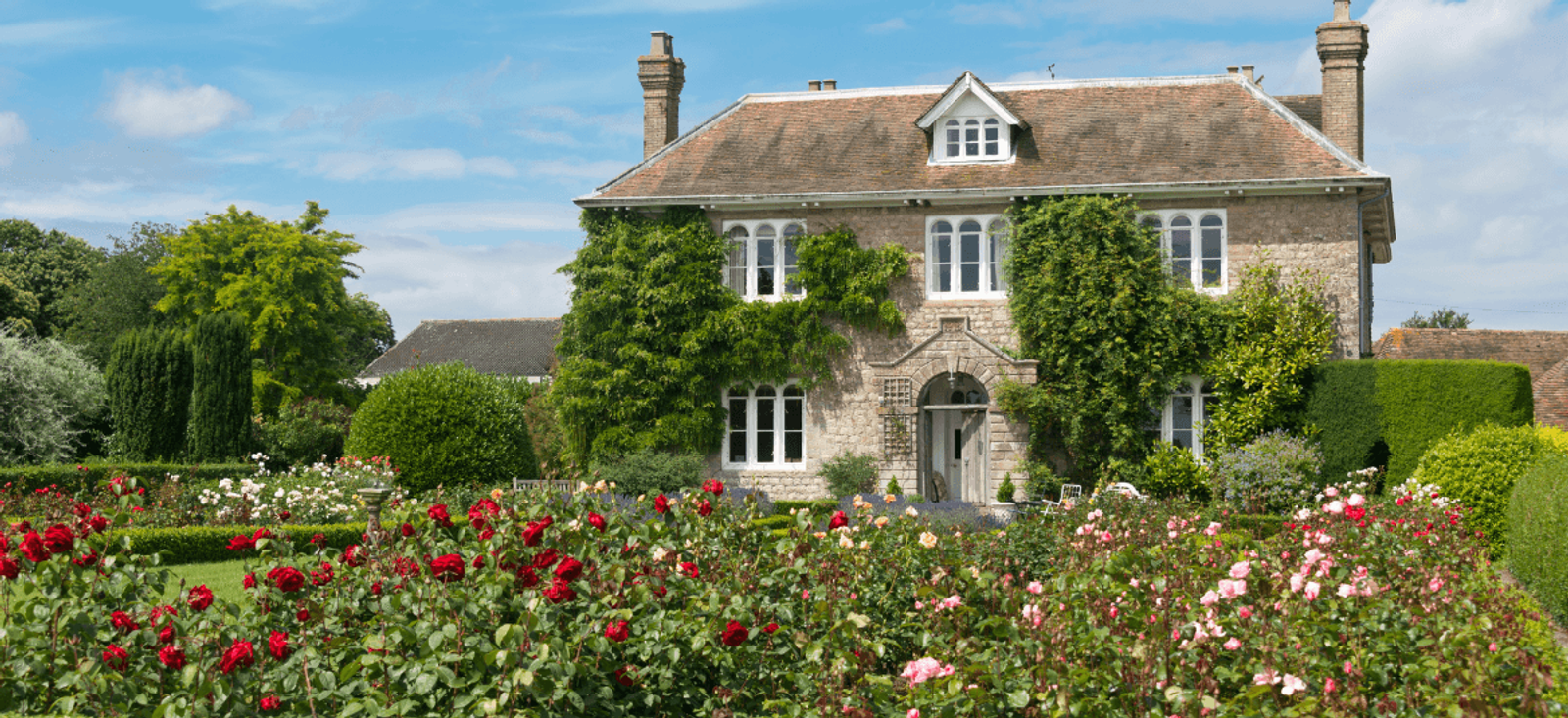
A well-stewarded home set within a carefully maintained garden, where structure and planting are kept in balance.
If there is one place where home stewardship reveals itself most clearly, it is in the garden.
Unlike interiors, which can be reset relatively quickly, a garden reflects time more honestly. Growth cannot be hidden. Imbalance cannot be disguised. What has been left unattended becomes immediately visible, often before anything inside the home begins to shift.
And yet, when cared for properly, a garden also offers the clearest sense of continuity.
Paths remain defined. Edges hold their shape. Planting sits within its intended structure, rather than pushing beyond it. Spaces remain usable – places to sit, to gather, to move through – rather than becoming overgrown or forgotten.
The garden continues to feel like part of the home, rather than something separate from it.
This does not require constant intervention, but considered intervention. Knowing when to act, and when to allow things to remain, creates a balance that feels both natural and intentional.
Living in a Home That Is Already Ready
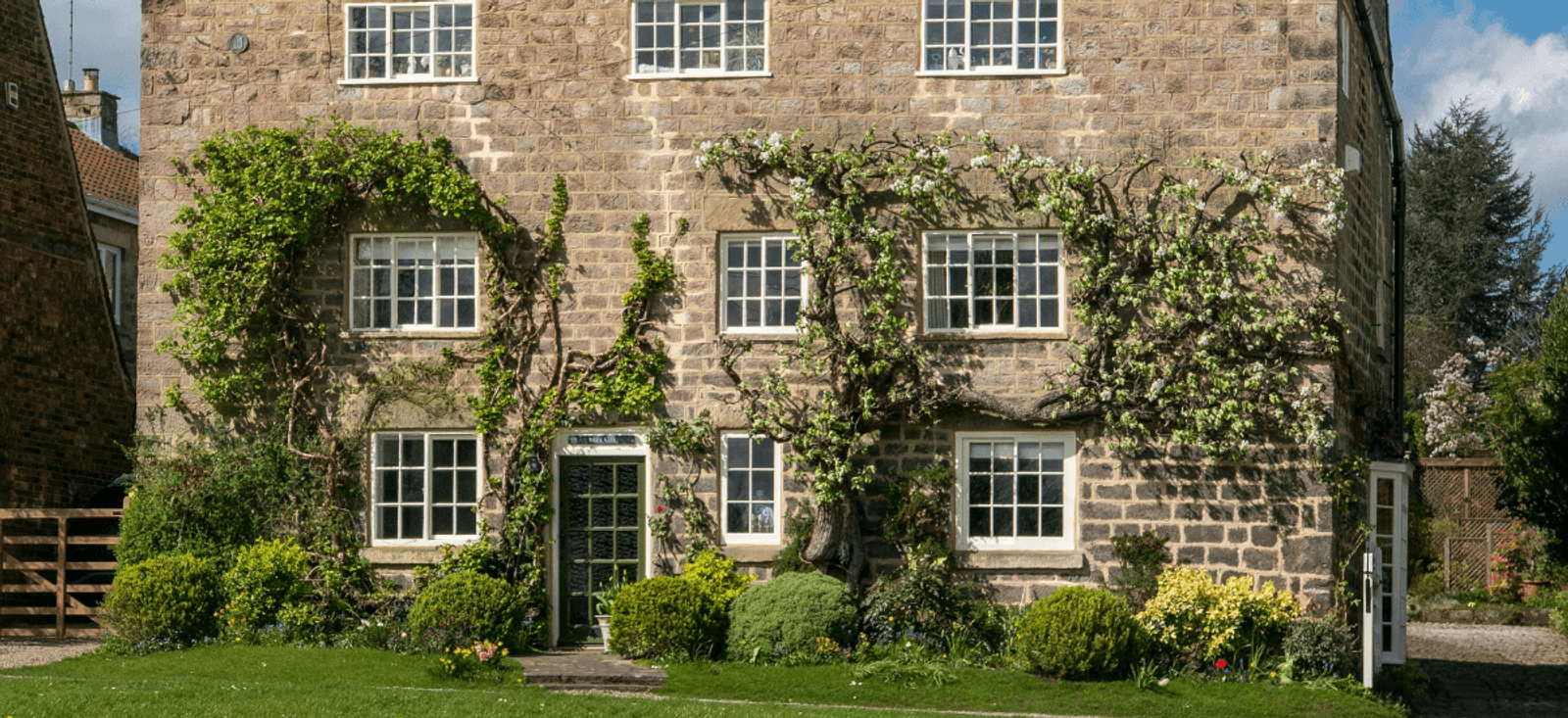
A traditional stone cottage with climbing planting and a well-kept garden, reflecting thoughtful, ongoing care.
One of the most subtle shifts that home stewardship creates is not visual, but experiential.
In many homes, there is a quiet preparation that happens before they are fully used. A moment of hesitation before inviting others in. A need to tidy, adjust, or correct something before a space feels ready.
In a well-stewarded home, that pause disappears.
Spaces are already as they should be. Doors can be opened without thought. The garden can be stepped into without needing attention first. The home supports daily life without asking for it to stop and adapt.
This is not about perfection.
It is about readiness.
A Different Kind of Attention
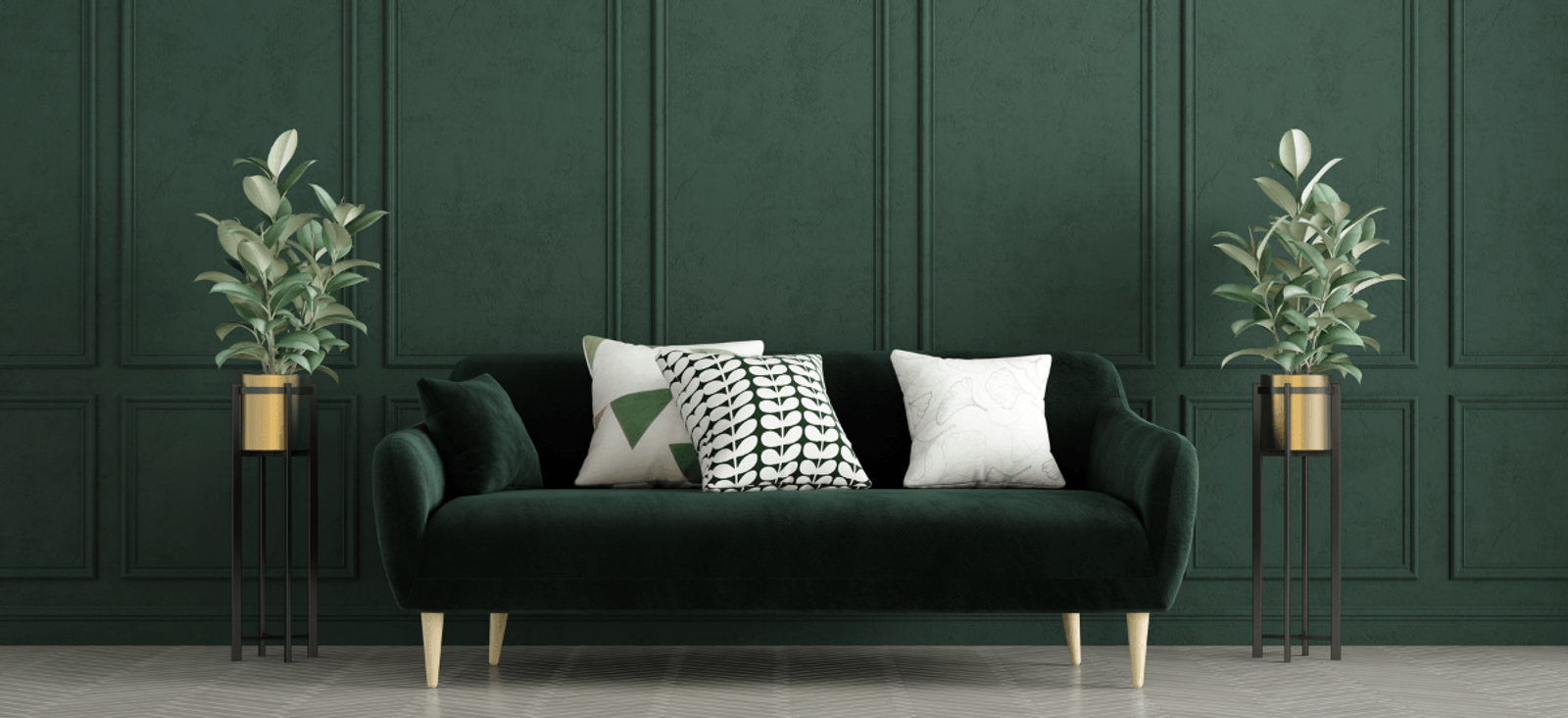
A composed interior with balanced styling and considered details, reflecting a quietly well-kept home.
Home stewardship is often mistaken for effort, but in reality it is closer to restraint.
It is not about doing more, but about doing what is necessary at the right time, and no more than that. It avoids both neglect and over-intervention, allowing the home to exist in a steady, balanced state.
This is why stewarded homes rarely feel overworked. There is no sense of recent correction, no indication that something has just been put right. Instead, everything appears to have remained as it should be.
It is a quieter form of attention, but one that carries far greater impact.
Holding a Home Over Time
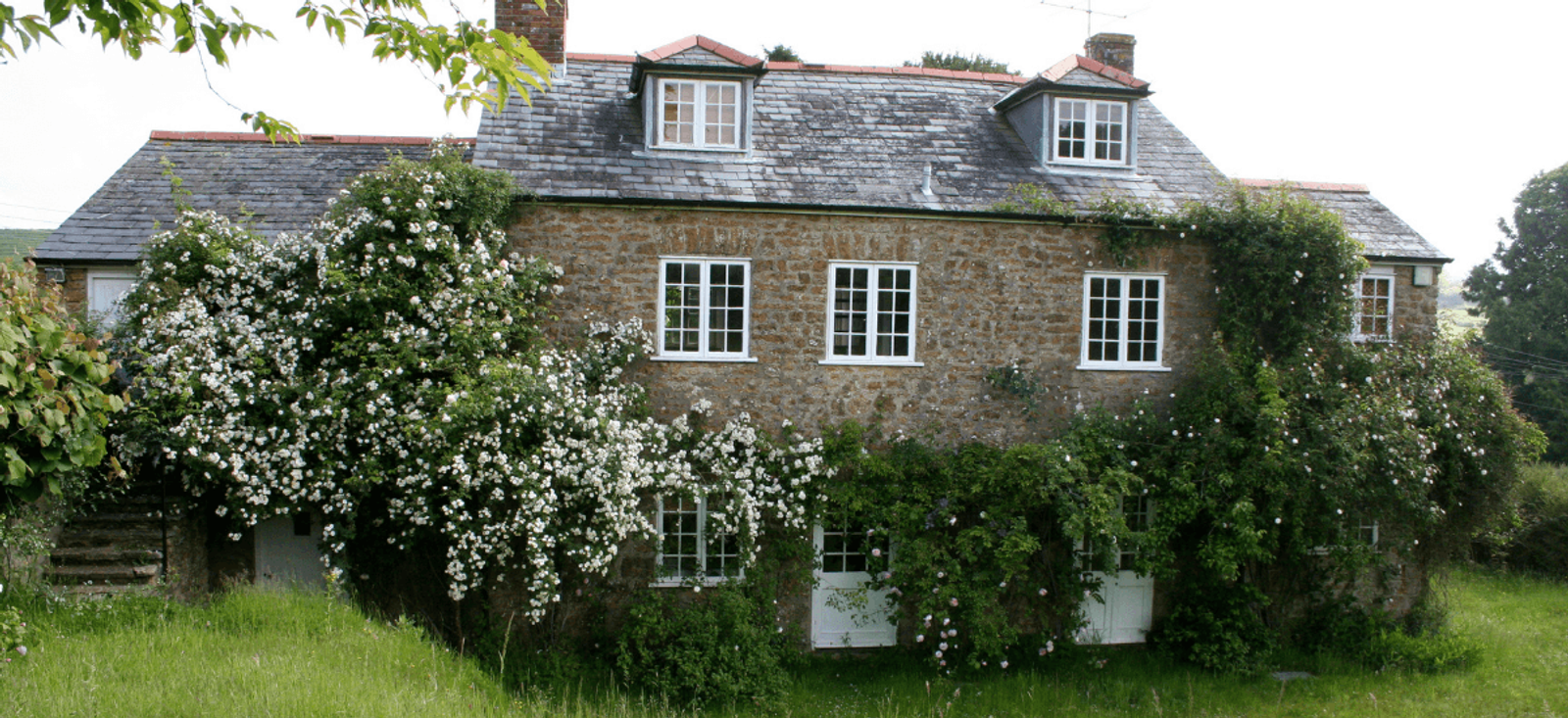
A country home softened by climbing roses and mature planting, reflecting long-term care and thoughtful stewardship.
The longer a home is cared for in this way, the more noticeable the difference becomes.
Rather than requiring repeated restoration, it holds its condition. Rather than drifting from its original intention, it continues to reflect it. Changes happen, but they feel natural rather than corrective.
This creates a sense of permanence – not in a fixed or rigid way, but in a way that feels stable and assured.
Because ultimately, what defines a home is not how it is created, but how it is maintained.
Bringing Stewardship Into the Home
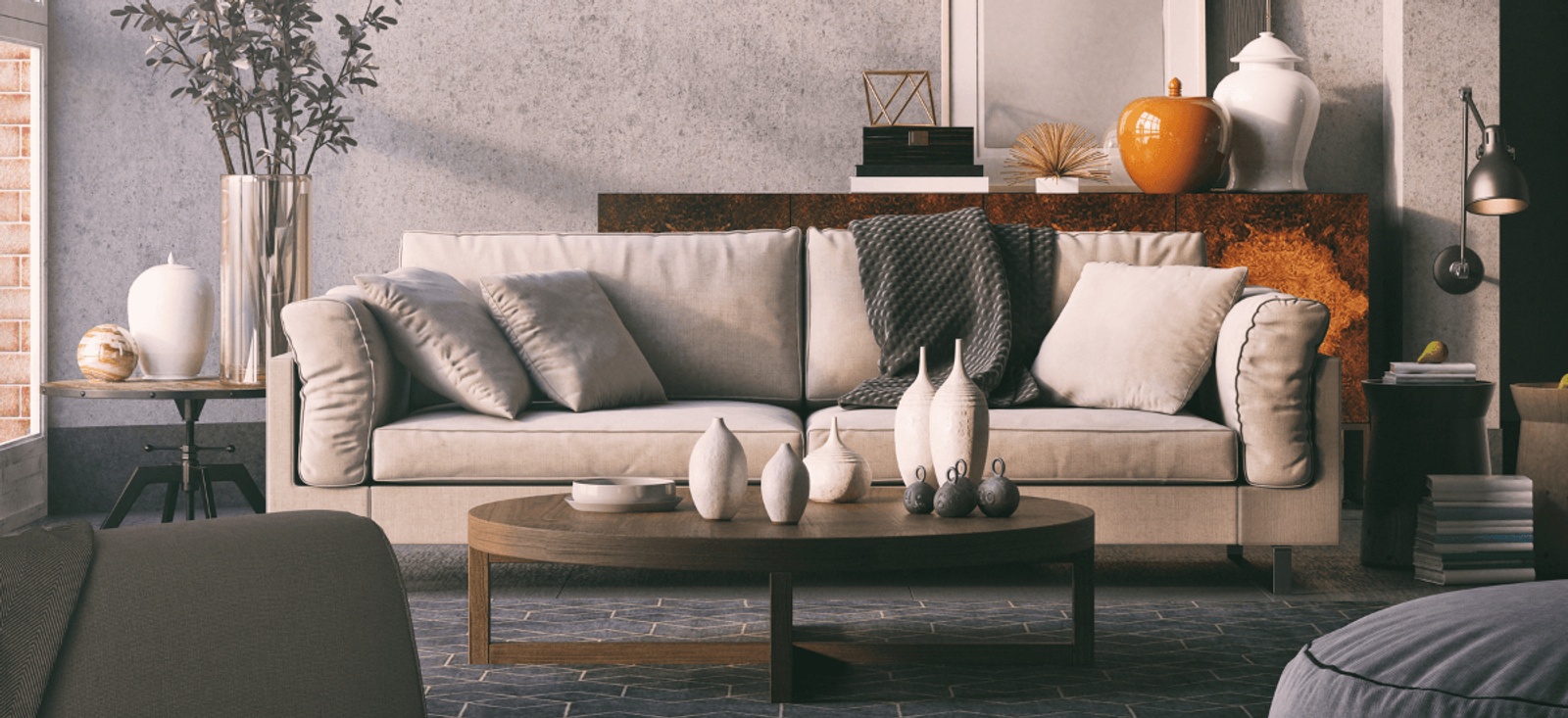
A carefully styled living space with layered textures and balanced details, reflecting a well-maintained home.
Adopting this approach does not require a complete overhaul. It begins with small adjustments – introducing consistency, addressing issues earlier, and considering the home as a whole rather than in parts.
For many, this also means introducing the right level of support. Ensuring that care happens consistently, and at the right time, allows the home to remain balanced without becoming demanding.
In this way, home stewardship becomes less about upkeep and more about preservation – ensuring that a home continues to feel as it should, not just now, but over time.