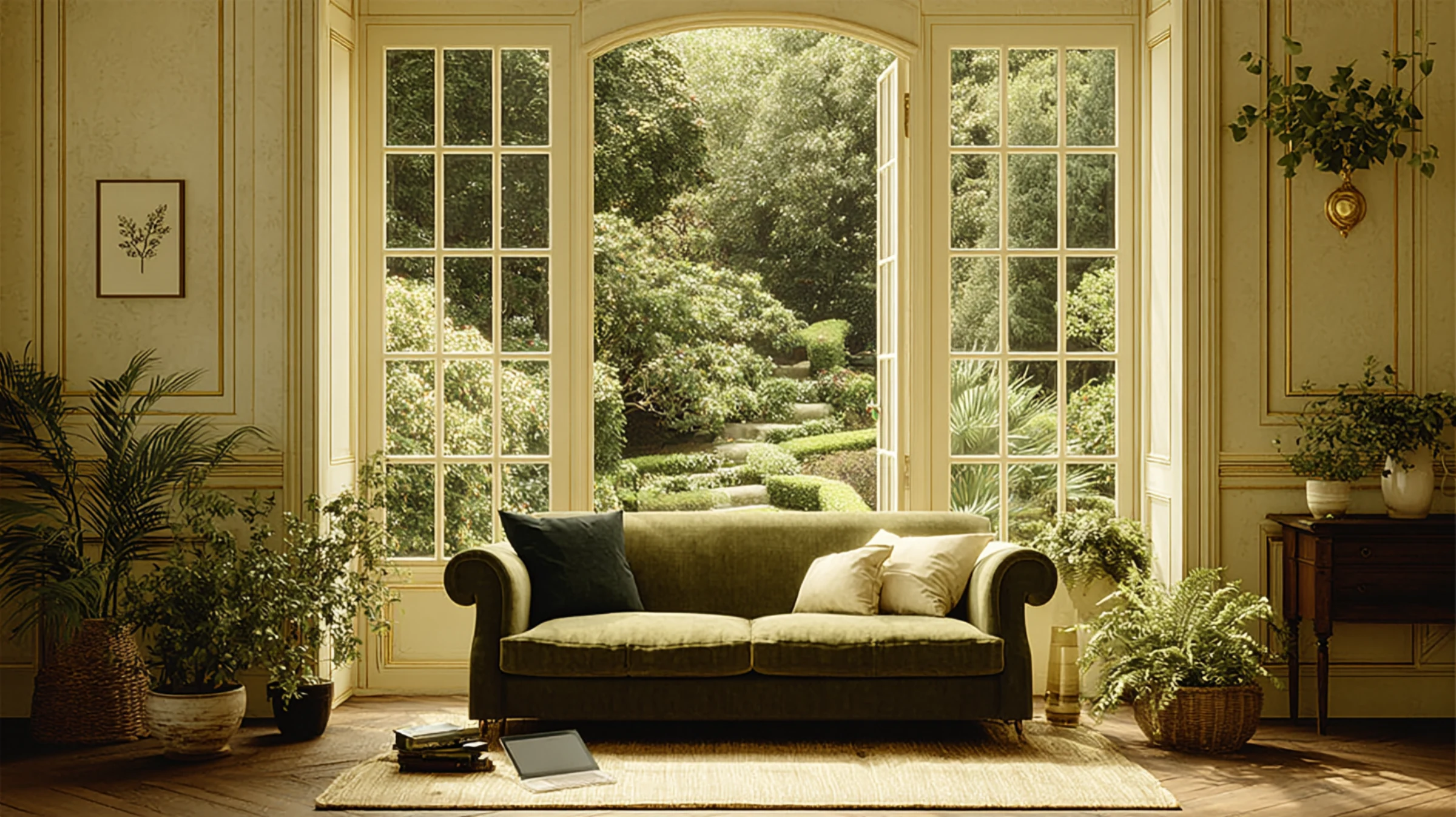
A Home That Opens Up in Summer
There is a moment in early summer when the home begins to change. Doors are left open a little longer. Windows stay ajar through the morning. Light moves differently across…
House of Willow Alexander·
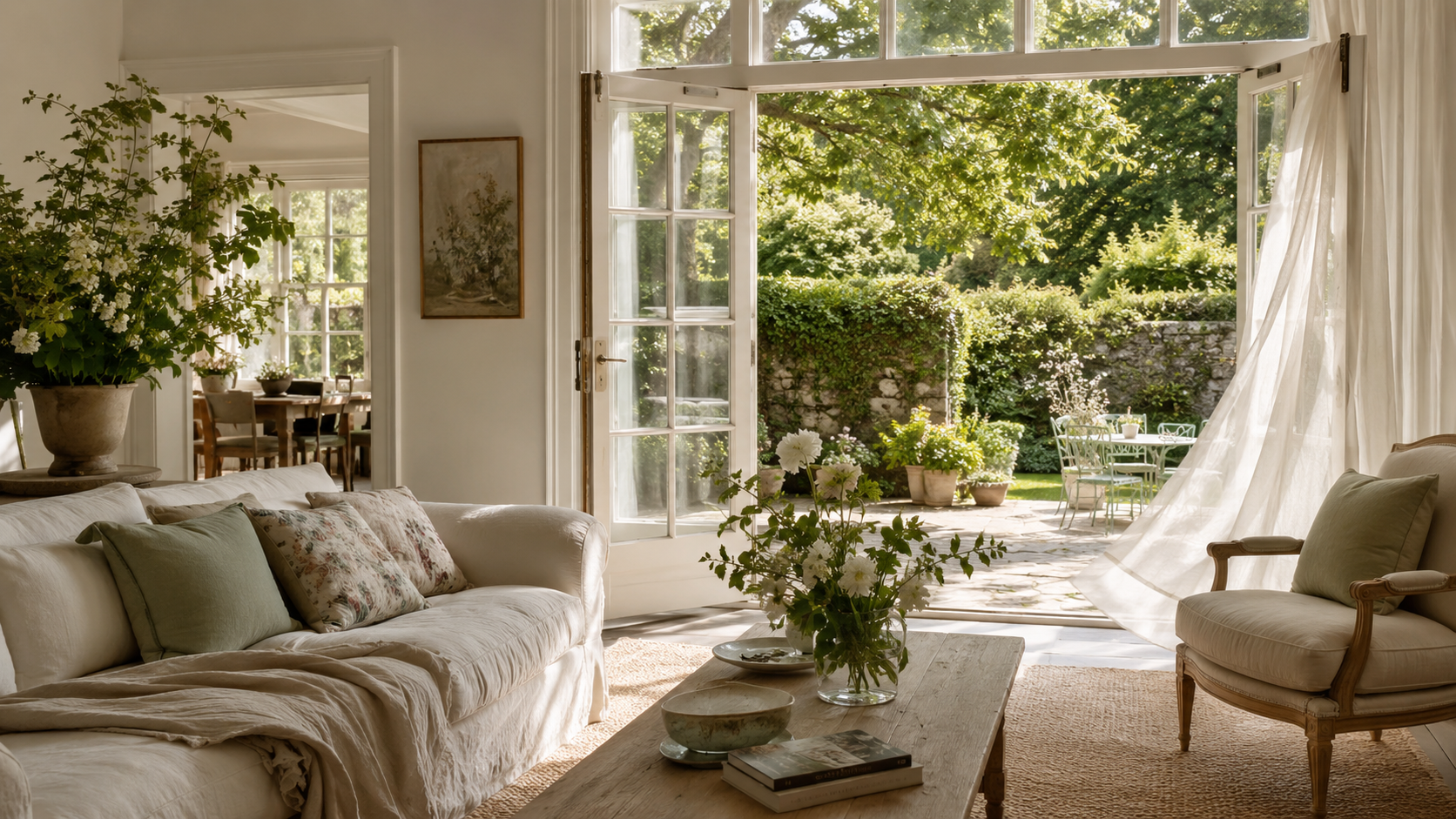
There is a moment in early summer when the home begins to change.
Doors are left open a little longer. Windows stay ajar through the morning. Light moves differently across the floor. The garden, which may have been something viewed through glass for much of the year, becomes part of the rhythm of the day again.
This is when a home starts to feel more open. Not because everything has been restyled or replaced, but because the way the home is lived in begins to shift.
Summer asks something different of a home. It asks for movement, light, ease and flow. It asks rooms to connect more naturally with the garden. It asks surfaces to work a little harder, guest spaces to feel ready, and everyday objects to sit beautifully within the pace of the season.
A summer home is not only about how it looks. It is about how it feels to move through it.
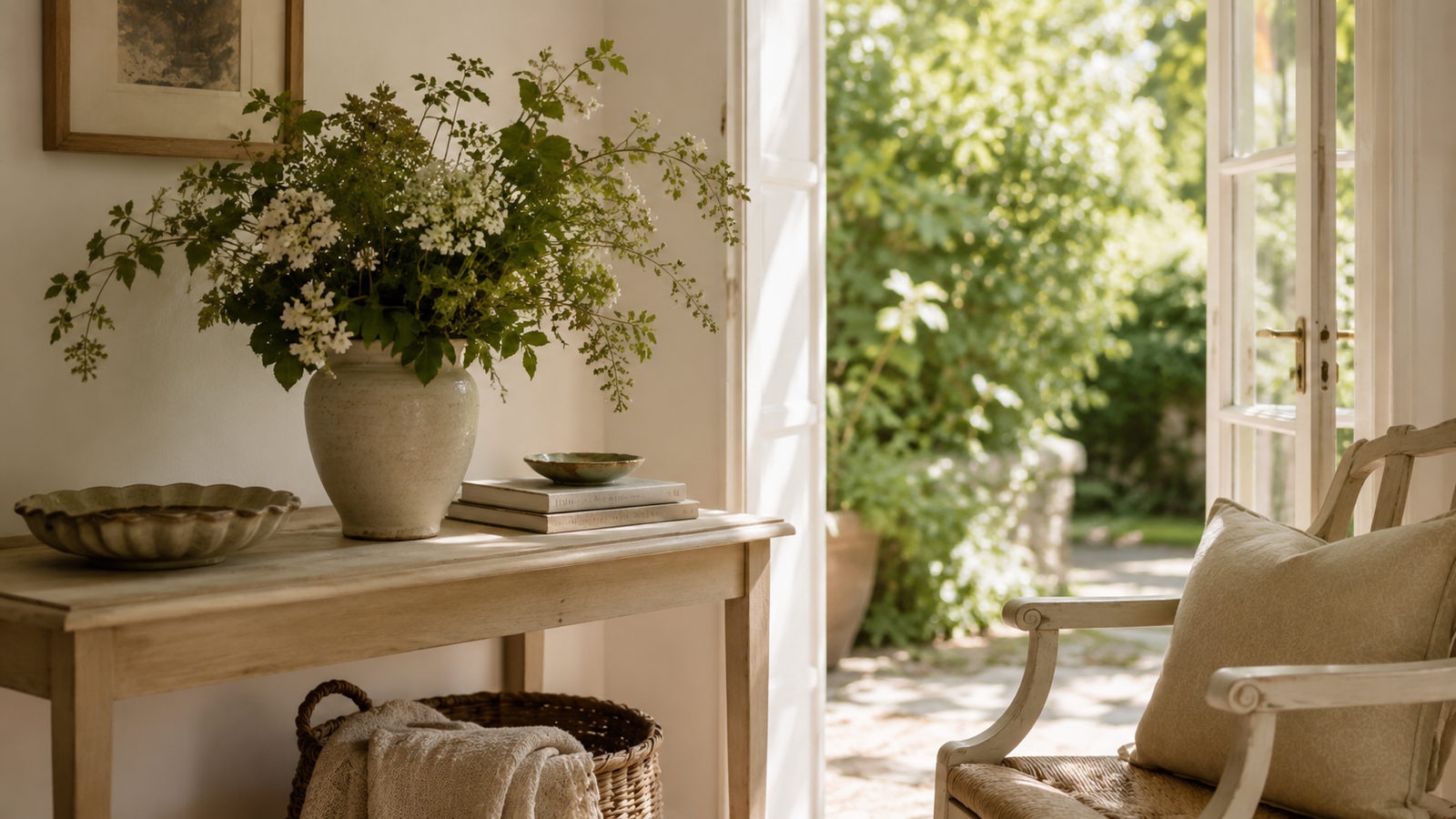
Summer asks something different of a home.
The Shift from Winter Living to Summer Living
Through the colder months, homes often become more enclosed. Rooms are layered with heavier textures. Curtains are drawn earlier. Lighting becomes warmer and lower. The focus turns inward, towards comfort, shelter and stillness.
By early summer, the feeling begins to change.
The home starts to open out again. Morning light reaches further into rooms. Garden doors become part of daily life. Kitchens, sitting rooms and dining spaces begin to work differently, especially in homes where the garden becomes an extension of the living space.
This seasonal shift does not always require dramatic changes. In many homes, the most effective summer styling ideas are simple ones.
A heavy throw is folded away. A table is cleared. A vase is filled with seasonal stems. A chair is moved slightly closer to the light. A hallway is softened with a basket, a mirror or a simple arrangement of flowers from the garden.
The home begins to breathe again.
Creating a Home That Feels Lighter
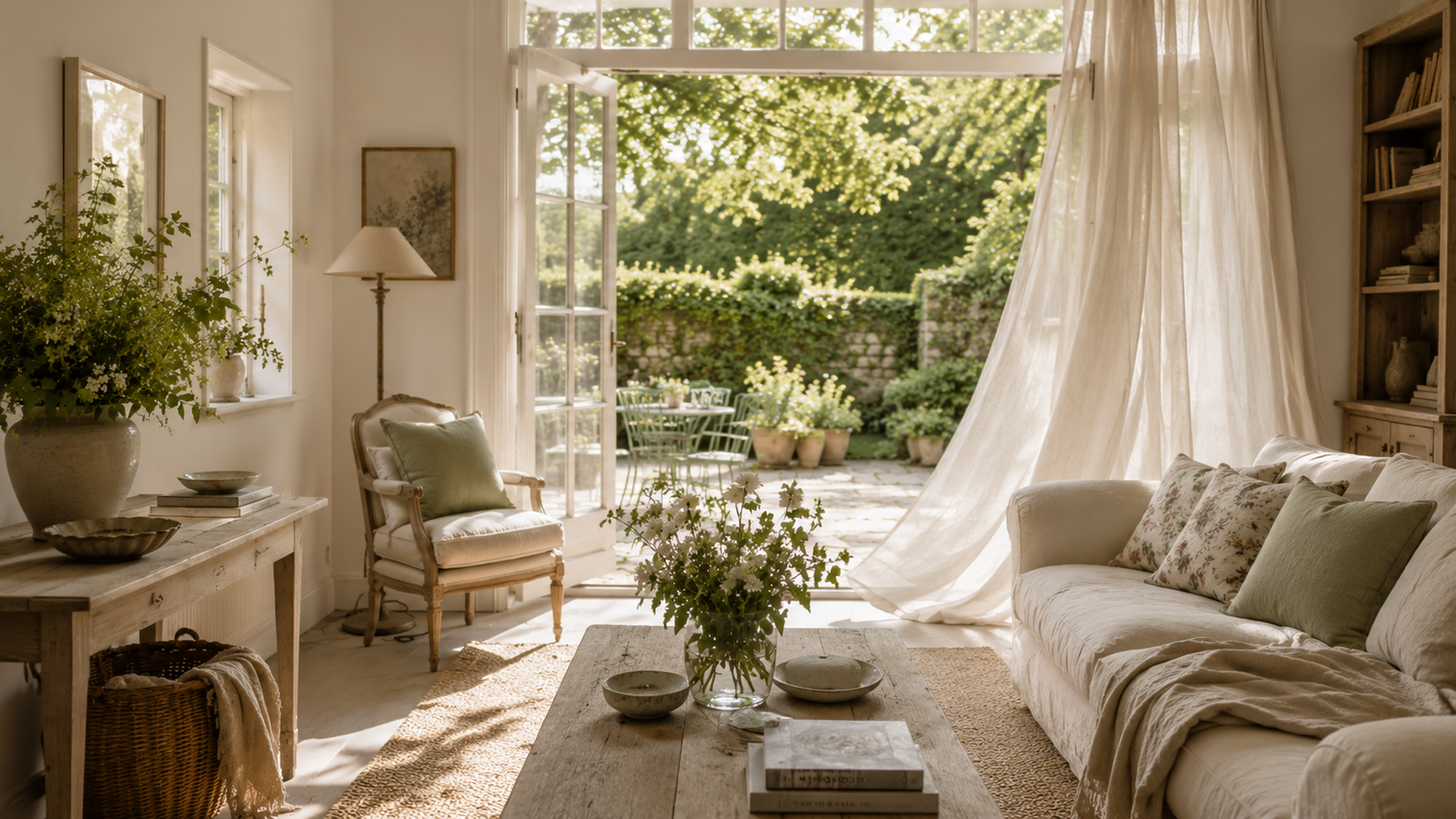
Lightness is one of the most important qualities in summer interiors.
This does not mean every room needs to become pale, minimal or sparse. A considered summer home can still feel layered, characterful and full of life. The difference is in how those layers are edited.
Lighter textures can make a room feel calmer and more seasonal. Linen, cotton, rattan, pale timber, aged ceramics, woven baskets and natural materials all help create a softer summer interior. They bring texture without heaviness and allow the room to feel relaxed rather than overworked.
Colour can also shift gently with the season. Warm neutrals, soft greens, chalky whites, faded blues and muted earth tones often sit beautifully in a home during summer. They reflect the colours found just outside the door: leaves, stone, soil, sky and cut flowers.
This is where seasonal home styling works best. It should not feel forced. It should feel as though the home has simply adjusted to the light.
Letting the Garden Become Part of the Home
One of the most beautiful things about summer living is the way the garden becomes part of the home again.
An open door can change the feeling of an entire room. A sitting room becomes less formal. A kitchen feels more generous. A dining space begins to connect with the outside. Even a small courtyard, terrace or balcony can shift the way a home feels when it is treated as part of the living space.
Creating flow between the home and garden is not only about architecture. It is also about the details that sit between the two.
A console table near the garden doors can hold cut stems, candles or a tray for drinks. A bench or chair positioned near the light can become a natural place to pause. A basket for blankets, cushions or garden accessories can keep summer living practical without feeling cluttered.
The aim is not to blur the boundary completely, but to make the transition feel natural.
The best summer homes often have this quality. They allow people to move easily between inside and out, without the home feeling disrupted by the season.
Rooms That Work Differently in Summer
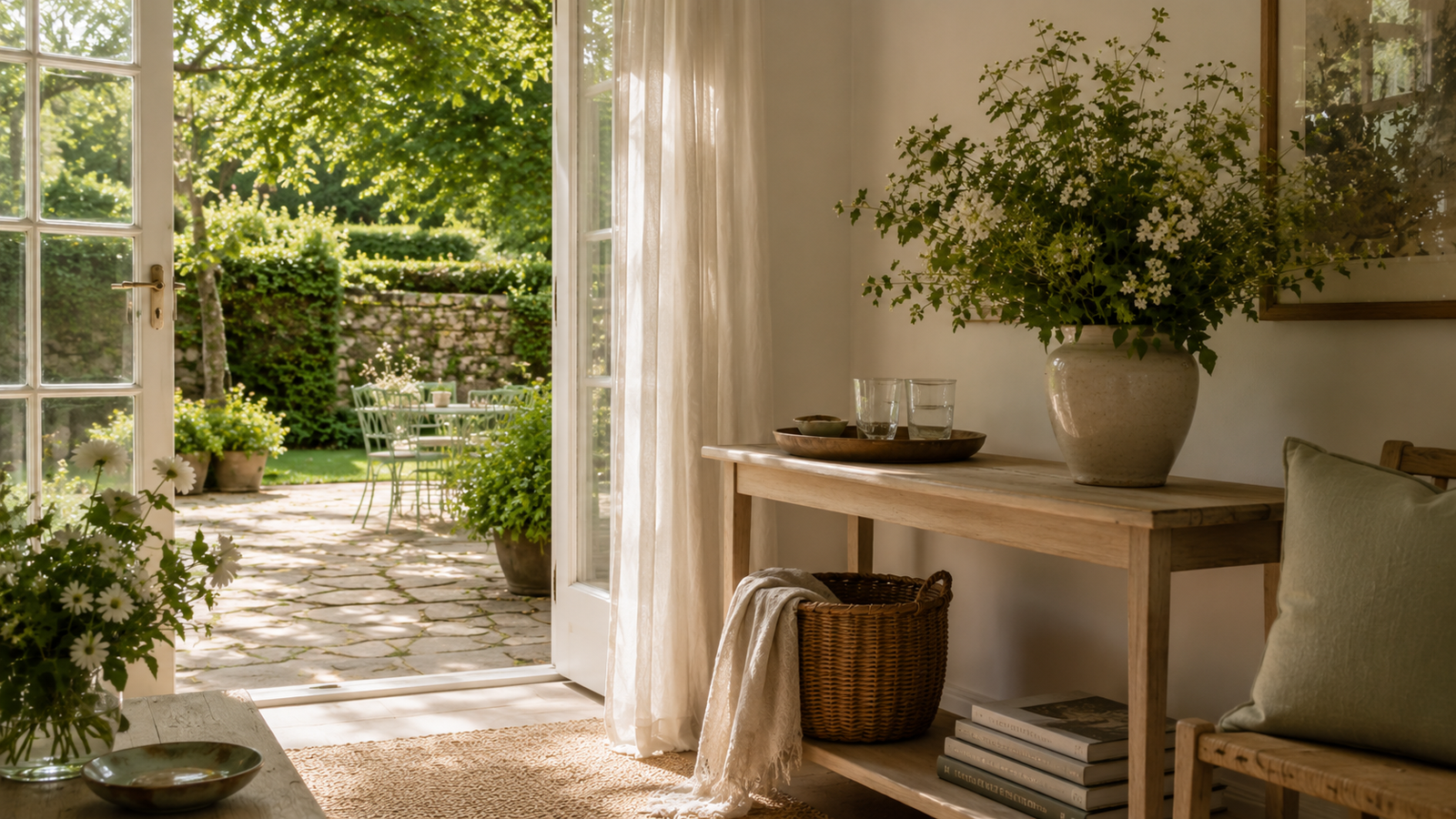
During summer, rooms often begin to work in new ways.
The kitchen becomes a gathering space before the garden. The dining room may be used less formally, with meals moving outside when the weather allows. Sitting rooms become quieter places to retreat from the heat. Guest bedrooms may be used more often. Hallways, boot rooms and utility spaces begin to hold the evidence of outdoor living: garden shoes, picnic blankets, linen bags, sun hats, flowers, baskets and open doors.
A well-considered home allows for this change.
It has places to put things down. It has surfaces that can be used. It has objects that feel both practical and beautiful. It has enough order to make daily life feel easy, but enough softness to avoid feeling staged.
This is an important part of seasonal home design. A home should not only be arranged for how it appears in photographs. It should be arranged for how it is lived in.
In summer, that means thinking about movement. Where do people walk when they come in from the garden? Where are drinks placed? Where are flowers cut and arranged? Where do guests gather? Where does the house need to feel cool, calm and clear?
These questions often reveal the small changes that make the biggest difference.
The Importance of Clear Surfaces in a Summer Home
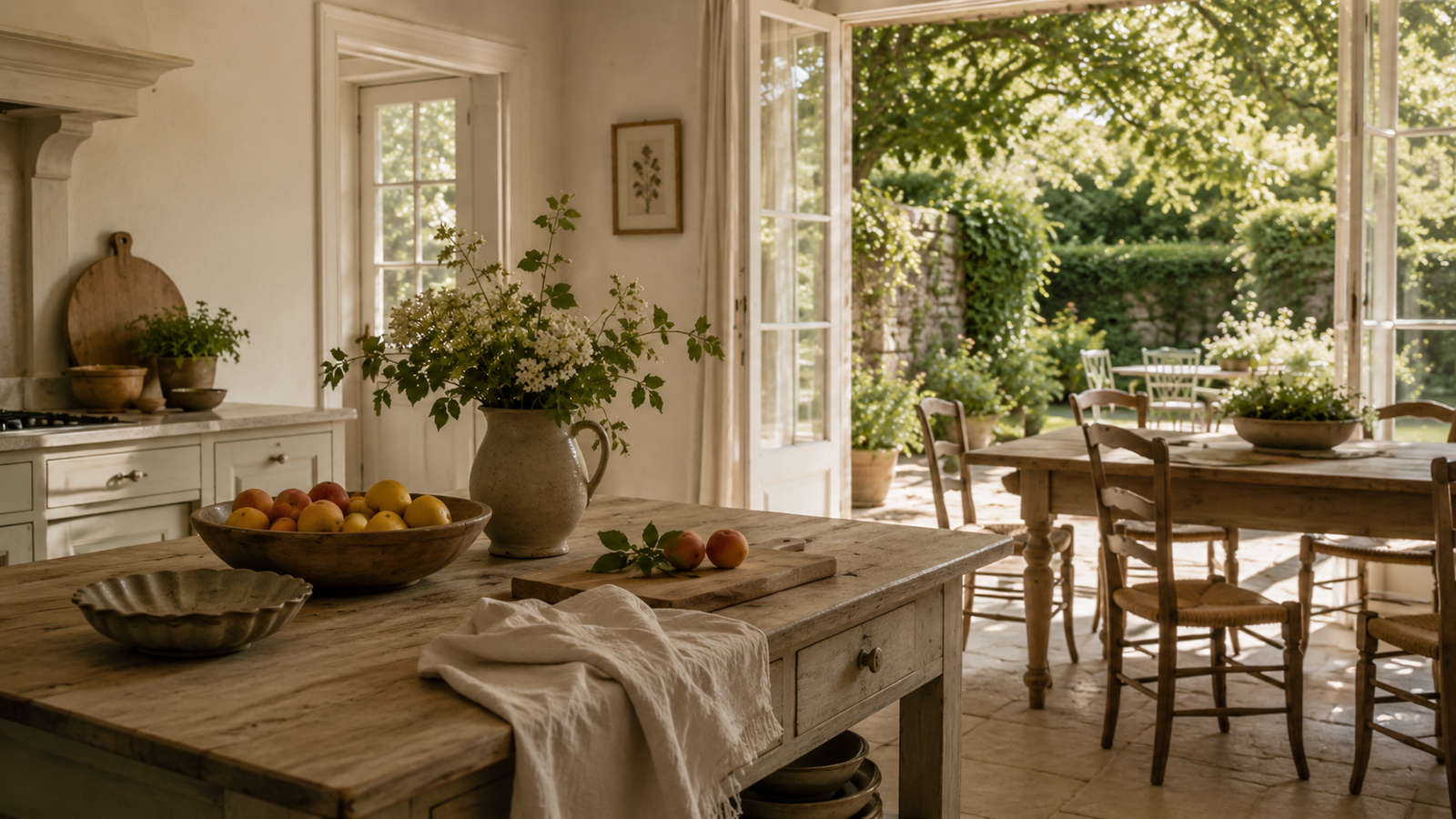
Clear surfaces have a particular value in summer.
When the summer home is being used more openly, clutter becomes more noticeable. Tables, sideboards, kitchen islands and consoles often become places where the activity of the season gathers. Keys, glasses, flowers, books, trays, garden tools, serving pieces and everyday objects can quickly make a room feel busier than intended.
This does not mean surfaces should be empty. A summer home should still feel warm and lived in. But there is value in editing.
A clear dining table feels ready. A console with one beautiful lamp, a bowl and a vase of seasonal stems feels calm. A kitchen island with space to prepare, serve and gather feels generous. A bedside table with fewer objects feels lighter.
In a considered home, empty space is not wasted space. It gives the eye somewhere to rest. It allows light to move. It makes the objects that remain feel more intentional.
This is especially important in summer interiors, where the home is often full of movement, guests and open doors.
Seasonal Stems and Natural Details
Few things change the feeling of a room as quickly as flowers, foliage and natural details.
In summer, the garden offers a different kind of decoration. Cut stems, branches, herbs, grasses and flowers can bring the outside in without needing to restyle an entire room. Even the simplest arrangement can make a home feel more connected to the season.
A jug of garden flowers on a kitchen table. A small vase beside a bed. A bowl of lemons or stone fruit on a sideboard. A few branches placed in a hallway. These are small details, but they help create a home that feels alive to the time of year.
Natural materials work in the same way. Woven textures, ceramic pieces, linen cloths, wooden trays and handmade objects all bring a sense of ease. They feel useful, grounded and quietly decorative.
The best summer home styling ideas are often the ones that do not announce themselves too loudly. They simply make the home feel more in tune with the season.
Making the Home Feel Ready
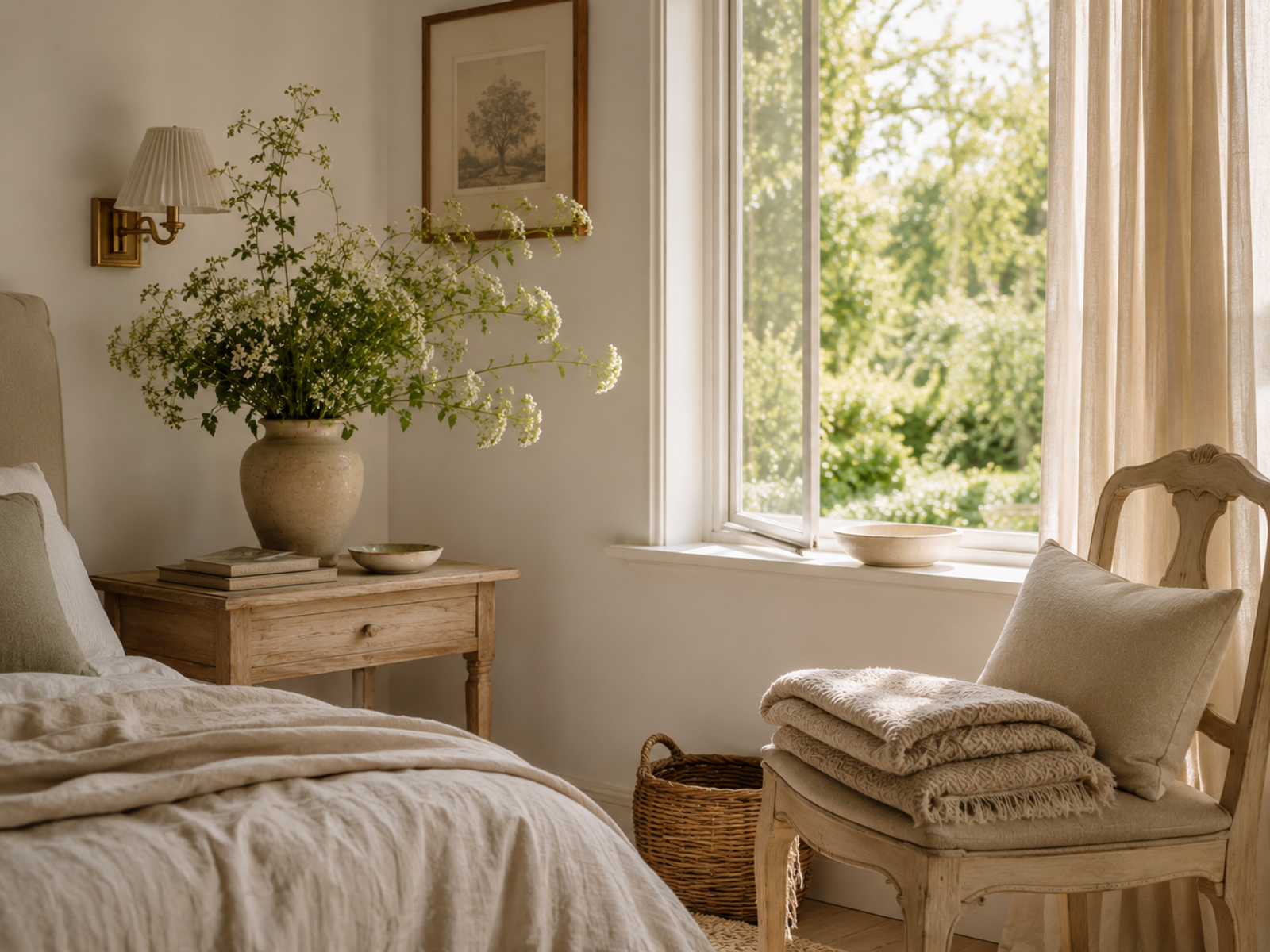
There is a particular feeling that comes from a home being ready.
Not perfect. Not overly arranged. Not prepared in a way that feels formal or fragile.
Simply ready.
Ready for someone to drop by. Ready for a door to be opened. Ready for lunch to move outside. Ready for flowers to be cut, guests to stay, children to run through from the garden, or a quiet evening to unfold with the windows open.
This kind of readiness is not created by one object or one room. It comes from the relationship between layout, light, furniture, surfaces and care.
A clear table. A well-placed chair. Fresh linen. Open glass. Garden-facing rooms that feel connected. Hallways that can hold the signs of daily life without becoming chaotic. These details all contribute to the feeling of a home that is easy to live in.
This is where home stewardship and seasonal styling meet. A cared-for home is not static. It responds to the season. It changes gently throughout the year, while still remaining true to itself.
A More Considered Way to Live with Summer
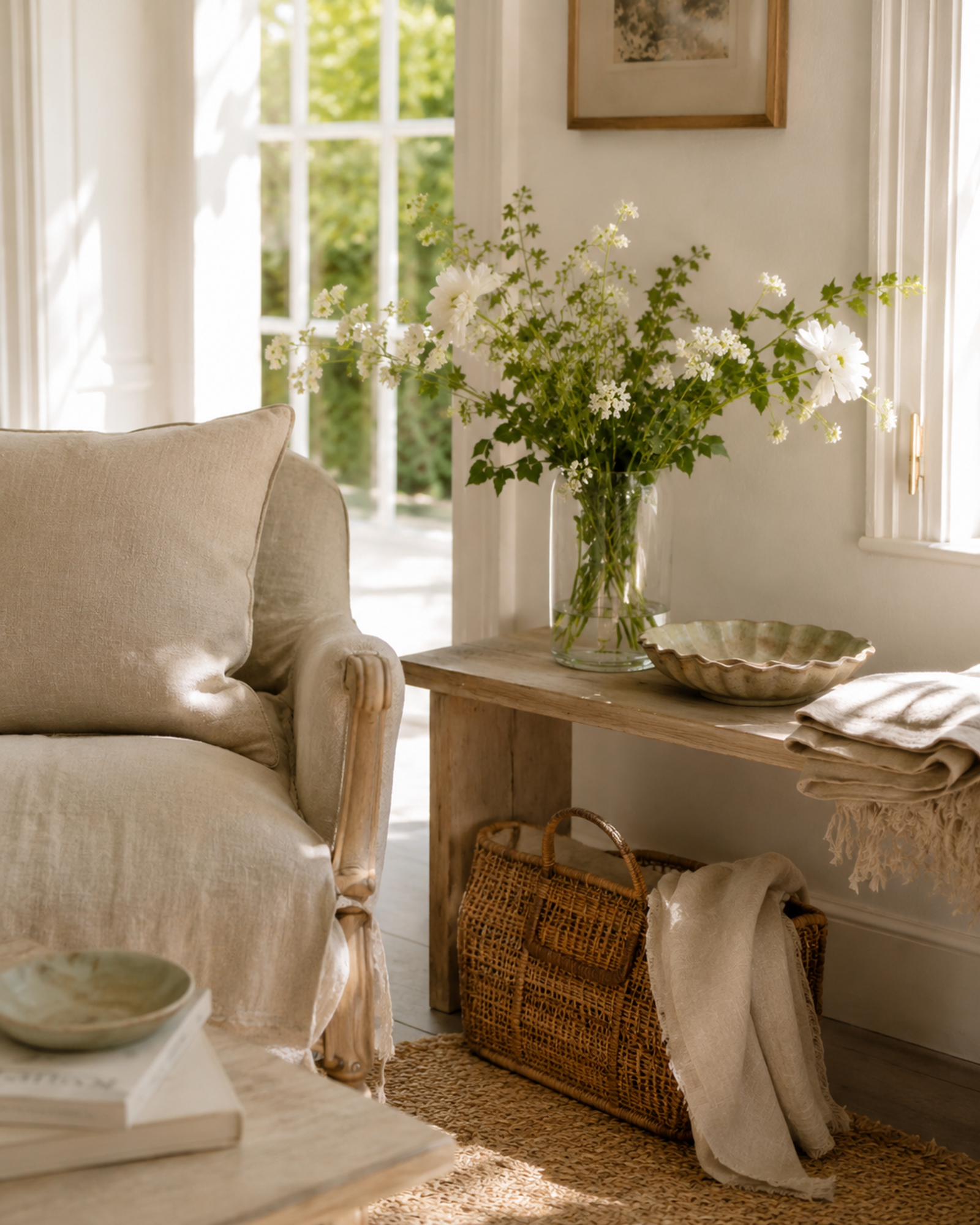
A summer home that opens up does not need to be transformed.
Often, it only needs to be noticed.
The light changes. The garden changes. The way rooms are used changes. The pace of life changes. A considered home allows those shifts to happen naturally, with small edits that make daily living feel calmer, easier and more beautiful.
Lighter textures, clearer surfaces, seasonal stems, useful objects and a stronger connection between inside and out can all help a home feel ready for summer.
The aim is not to create a perfect summer home.
It is to create a home that feels open to the season it is in.
A home that welcomes the light. A home that moves easily with the day. A home that connects to the garden, supports the rituals of summer and feels quietly ready for the life taking place within it.