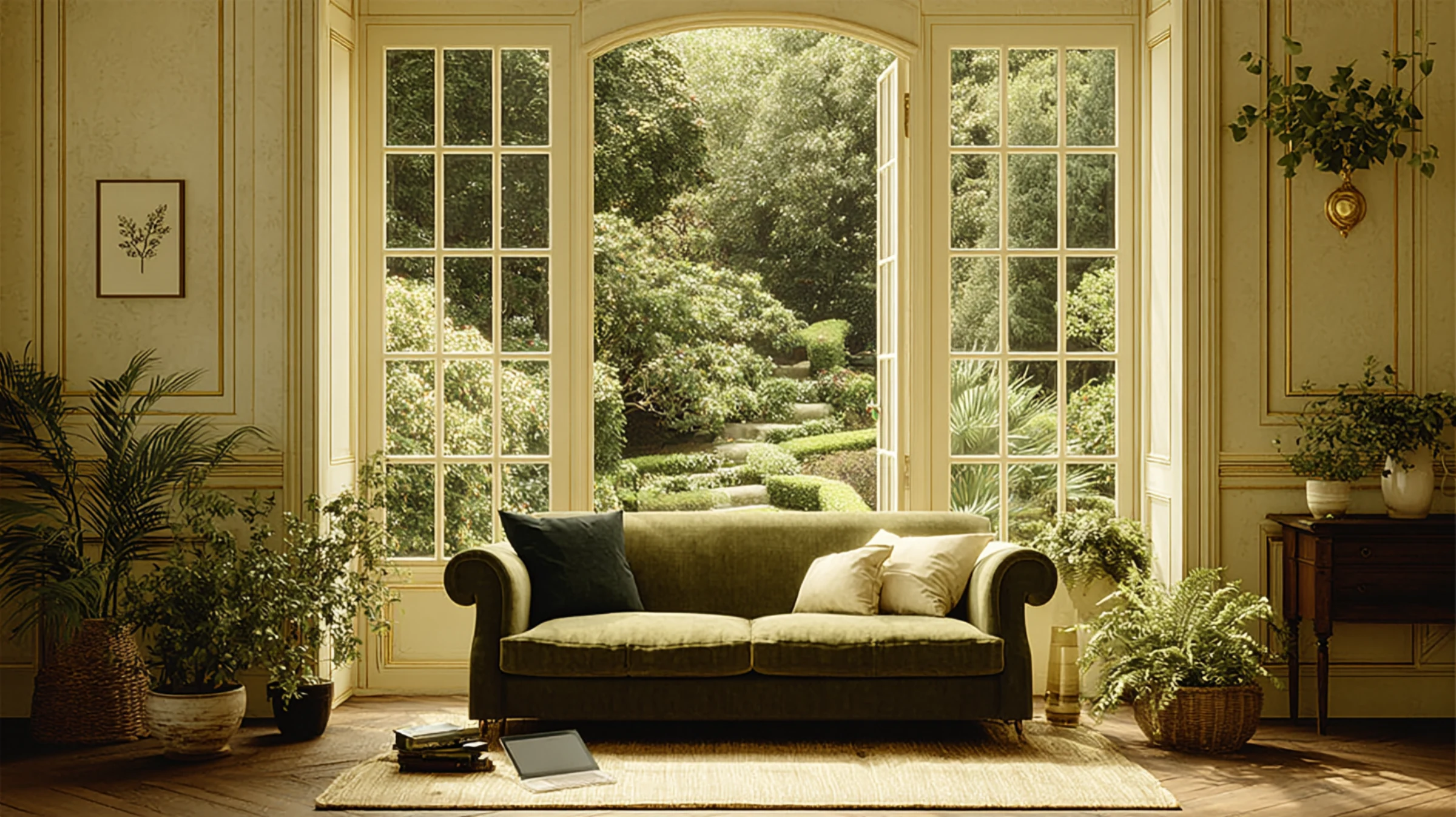
Sustainable Luxury: Eco-Friendly Materials for High-End Interiors
The concept of luxury interior design is undergoing a profound transformation. Where once luxury was defined primarily by rarity, expense, and visual opulence, today’s most sophisticated interiors increasingly incorporate another…
House of Willow Alexander·
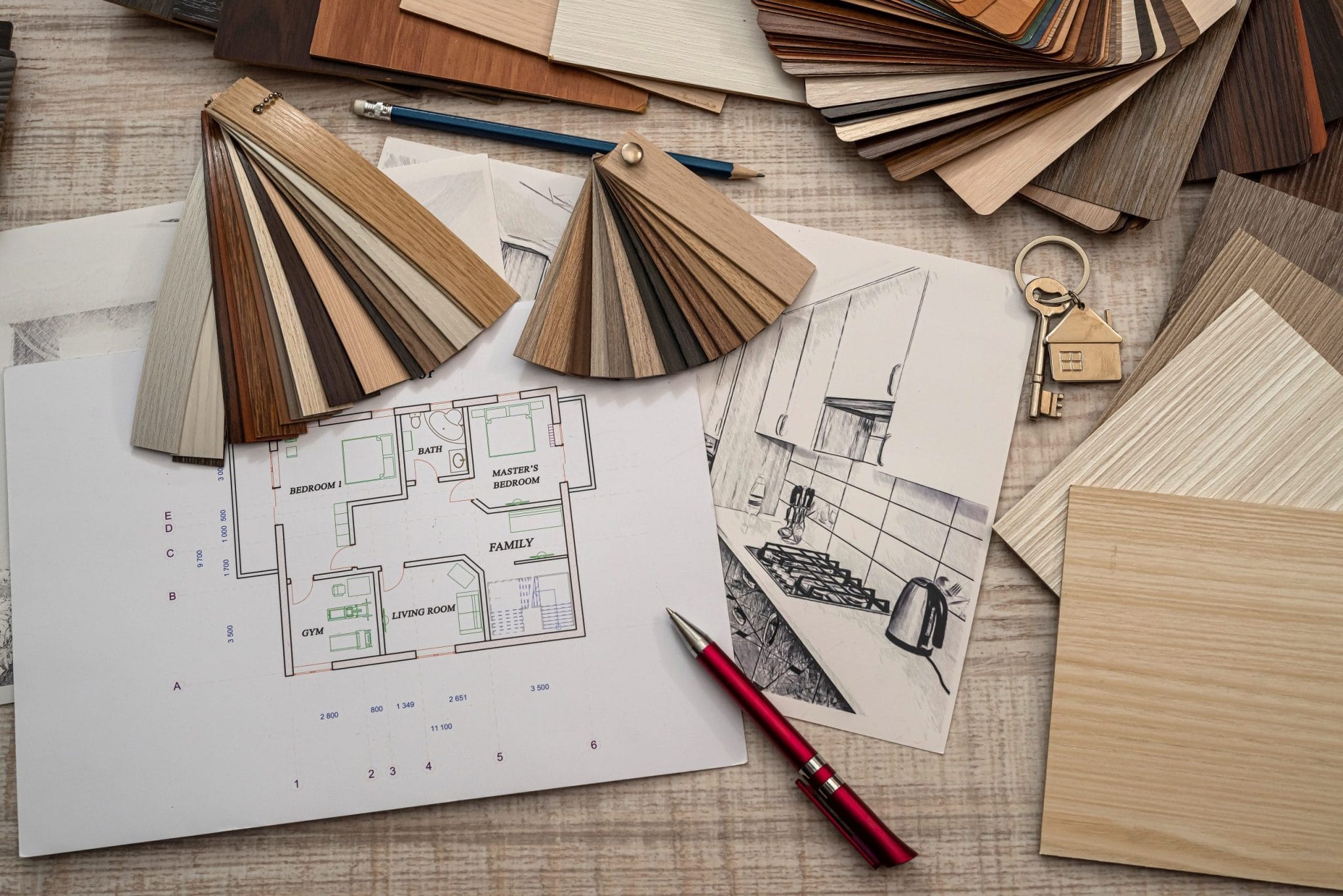
The concept of luxury interior design is undergoing a profound transformation. Where once luxury was defined primarily by rarity, expense, and visual opulence, today’s most sophisticated interiors increasingly incorporate another dimension of value: sustainability. This evolution reflects a growing understanding that true luxury encompasses not just how spaces look and feel, but also their impact on the wider world. For discerning homeowners and designers, sustainable luxury represents the ultimate refinement—spaces that satisfy aesthetic desires while aligning with environmental values.
The Evolution of Sustainable Luxury
Before exploring specific materials, it’s worth understanding how the relationship between luxury and sustainability has evolved in recent years.
From Contradiction to Complement
“Sustainability and luxury were once viewed as contradictory concepts,” explains sustainable design consultant Dr. Emma Richardson. “Luxury implied excess and environmental disregard, while sustainability suggested compromise and limitation. Today, these concepts have become complementary, with sustainability adding depth and meaning to luxury rather than diminishing it.”
This evolution reflects broader cultural shifts, with luxury increasingly defined by thoughtfulness, authenticity, and responsibility rather than merely expense or exclusivity.
The New Metrics of Luxury
The metrics by which we evaluate luxury interiors have expanded to include environmental considerations alongside traditional measures.
“Today’s most sophisticated clients understand that a truly luxurious interior must satisfy multiple criteria,” notes interior designer Marcus Chen. “Beyond aesthetic beauty and tactile pleasure, considerations like material provenance, production ethics, and environmental impact have become essential components of luxury evaluation.”
This multidimensional approach creates interiors with greater depth and meaning—spaces that tell stories of conscious creation rather than merely showcasing expense.
The Artisanal Connection
The sustainable luxury movement has strengthened connections between high-end interiors and artisanal traditions.
“Many sustainable luxury materials involve artisanal production methods that create unique, characterful results impossible to achieve through mass manufacturing,” explains craft historian Charlotte Davies. “This connection to human skill and traditional knowledge adds layers of meaning and authenticity that enhance luxury appeal rather than compromising it.”
This artisanal dimension creates materials with soul and story—qualities increasingly valued in luxury contexts where uniqueness and provenance matter more than standardized perfection.
Sustainable Woods: Beyond Conventional Timber
Wood remains a fundamental material in luxury interiors, but sustainable approaches have transformed how it is sourced, processed, and utilized.
Reclaimed Timber: History Embodied
Reclaimed wood has evolved from alternative material to luxury standard, particularly in high-end residential projects.
“Reclaimed timber offers characteristics impossible to replicate in new materials,” suggests architectural salvage specialist Olivia Harrington. “The patina of age, historical provenance, and dimensional stability achieved through decades or centuries of natural seasoning create both aesthetic and performance advantages that new timber cannot match.”
Beyond these practical benefits, reclaimed wood brings narrative richness to interiors—perhaps timber from historic industrial buildings, ancient barns, or even underwater logs recovered from river bottoms. These stories add intellectual and emotional dimensions to luxury spaces.
Luxury Applications:
– Structural beams in exposed ceiling applications
– Wide-plank flooring with historical provenance
– Architectural paneling and wall treatments
– Custom furniture incorporating historically significant timber
Certified Sustainable Hardwoods: Responsible Rarity
For applications requiring new timber, certified sustainable hardwoods offer environmental responsibility without aesthetic compromise.
“Certification systems like FSC (Forest Stewardship Council) have transformed the hardwood market, making it possible to specify rare and beautiful species with confidence in their environmental credentials,” explains sustainable forestry consultant Dr. James Foster. “This allows designers to create truly luxurious timber elements while supporting responsible forest management.”
These certification systems verify that timber comes from forests managed according to strict environmental and social standards, ensuring that luxury specifications don’t contribute to deforestation or community displacement.
Luxury Applications:
– Architectural millwork in rare but certified species
– Custom cabinetry combining performance with environmental credentials
– Decorative veneers for furniture and wall paneling
– Exterior applications requiring both beauty and durability
Modified Woods: Technology Enhancing Nature
Advanced wood modification technologies have created new material possibilities that combine sustainability with enhanced performance.
“Processes like thermal modification and acetylation transform sustainable, fast-growing species into materials with performance characteristics that rival or exceed tropical hardwoods,” notes materials scientist Thomas Blake. “These technologies create new luxury possibilities that don’t require environmental compromise.”
These modified woods offer exceptional stability, durability, and resistance to decay without chemical treatments, making them suitable for applications where traditional hardwoods might struggle to perform.
Luxury Applications:
– Bathroom and spa environments requiring moisture resistance
– Exterior cladding with exceptional longevity
– Flooring in challenging environments like kitchens and garden rooms
– Yacht and pool surrounds exposed to water and weather
Sustainable Stone: Rethinking an Ancient Material
Natural stone has been associated with luxury since antiquity, but contemporary approaches are transforming how this timeless material is sourced and used.
Salvaged and Repurposed Stone: Geological Heritage
Salvaged stone from historic buildings and repurposed slabs from industrial remnants offer unique character while avoiding new extraction.
“Salvaged stone carries historical significance that newly quarried material cannot match,” explains architectural historian Dr. Sophia Williams. “The subtle marks of previous use, historical context, and material patina create depth and authenticity highly valued in luxury contexts.”
Beyond aesthetic and historical value, repurposed stone significantly reduces environmental impact by eliminating the energy-intensive processes of new extraction and processing.
Luxury Applications:
– Flooring incorporating historic flagstones or pavers
– Architectural features using stone elements from significant buildings
– Countertops fabricated from salvaged slabs
– Decorative elements incorporating carved architectural fragments
Locally Sourced Stone: Reducing Carbon Footprint
The carbon footprint of stone is largely determined by transportation distance, making locally quarried materials increasingly valued in sustainable luxury projects.
“British stone traditions offer remarkable diversity, from Portland limestone to Welsh slate, Purbeck marble to Yorkshire sandstone,” notes British stone specialist Marcus Blackwood. “Specifying these materials not only reduces carbon footprint but also creates authentic connections to local geological and architectural heritage.”
This local sourcing creates interiors with genuine sense of place—spaces that belong to their geographical context rather than presenting as generic luxury environments.
Luxury Applications:
– Flooring using regional stone varieties with historical precedent
– Architectural features that reference local building traditions
– Countertops and bathroom surfaces showcasing distinctive local stones
– Landscape elements that create harmony between interior and exterior
Stone Remnant Utilization: Eliminating Waste
Innovative approaches to stone remnant utilization have created new aesthetic possibilities while addressing the significant waste typically associated with stone processing.
“Terrazzo has experienced a luxury renaissance, with contemporary interpretations using stone remnants to create sophisticated surfaces with both environmental and aesthetic advantages,” explains material innovation specialist Emma Blake. “These approaches transform what would be waste into features of genuine beauty and character.”
Beyond traditional terrazzo, techniques like stone mosaic, fragment composition, and resin-bound stone pieces create distinctive surfaces impossible to achieve with solid slabs.
Luxury Applications:
– Statement flooring using custom terrazzo compositions
– Countertops incorporating distinctive stone fragment patterns
– Decorative wall treatments using stone remnants in artistic compositions
– Furniture featuring stone fragment inlay or surface treatments
Sustainable Metals: Responsible Brilliance
Metals add essential brilliance and reflectivity to luxury interiors, with sustainable approaches focusing on recycled content, longevity, and reduced processing impact.
Recycled and Upcycled Metals: Previous Lives Transformed
Metals with high recycled content or upcycled from previous applications offer environmental advantages without compromising aesthetic quality.
“Most metals are infinitely recyclable without quality degradation, making high recycled content a straightforward sustainability strategy,” notes metallurgist Dr. Nathan Harris. “For luxury applications, the knowledge that materials have been responsibly sourced adds value rather than diminishing it.”
Beyond conventional recycling, creative upcycling of distinctive metal elements—perhaps architectural components, industrial artifacts, or decorative antiques—adds character and narrative to luxury interiors.
Luxury Applications:
– Architectural bronze with high recycled content for door hardware and fixtures
– Lighting incorporating repurposed metal elements with historical character
– Decorative screens and dividers using upcycled metal components
– Furniture featuring distinctive metal elements with previous lives and stories
Living Finish Metals: Beauty Through Natural Processes
Metals designed to develop patina naturally over time offer both aesthetic richness and environmental advantages.
“Living finish metals—like unlacquered brass, raw copper, or blackened steel—develop character through natural oxidation processes rather than chemical treatments,” explains metal artisan Charlotte Moore. “This creates surfaces with depth and complexity that actually improve with age rather than deteriorating.”
These materials eliminate the need for environmentally problematic protective coatings while creating dynamic surfaces that record their interaction with the environment and human touch.
Luxury Applications:
– Unlacquered brass hardware that develops rich patina through handling
– Copper architectural elements that gradually transform from bright to complex brown
– Blackened steel features that develop subtle variation with exposure to air and moisture
– Zinc countertops or tables that record the history of their use through patina development
Responsibly Mined Metals: Ethical Sourcing
For applications requiring newly extracted metals, responsible mining certification provides assurance of ethical and environmental standards.
“Certification systems like the Responsible Jewellery Council and Aluminium Stewardship Initiative verify that metals have been produced according to strict environmental and social criteria,” explains ethical sourcing consultant James Montgomery. “This allows specification of new metals with confidence in their production ethics.”
These certifications address concerns about mining impacts, labor conditions, and community relations, ensuring that luxury metal specifications don’t contribute to environmental degradation or social harm.
Luxury Applications:
– Architectural aluminum with sustainability certification for window and door systems
– Responsibly sourced copper for distinctive roofing and exterior features
– Ethical gold leaf for decorative architectural details
– Certified precious metals for custom hardware and decorative elements
Bio-Based Materials: Nature Reimagined
Some of the most innovative sustainable luxury materials come from rapidly renewable biological sources, transformed through both traditional craft and advanced technology.
Agricultural Byproduct Materials: Waste Transformed
Materials derived from agricultural waste streams offer remarkable sustainability credentials while creating distinctive aesthetic possibilities.
“Agricultural byproducts like straw, husks, and stalks can be transformed into sophisticated materials with unique visual and tactile qualities,” notes biomaterial researcher Dr. Olivia Wright. “These approaches divert waste from burning or decomposition while creating carbon-sequestering applications with genuine luxury appeal.”
These materials often combine traditional knowledge with contemporary innovation, creating bridges between historical craft traditions and modern sustainability concerns.
Luxury Applications:
– Compressed straw panels for wall treatments and cabinetry
– Furniture incorporating transformed agricultural waste
– Decorative objects showcasing innovative biomaterials
– Acoustic treatments using natural fiber compositions
Rapidly Renewable Luxury Fibers: Beyond Convention
Plant fibers from rapidly renewable sources offer sustainable alternatives to conventional luxury textiles, often with distinctive character and performance advantages.
“Fibers like linen, hemp, ramie, and nettle are experiencing a luxury renaissance, with contemporary processing creating finer, more consistent results while maintaining their inherent sustainability advantages,” explains textile specialist Emma Richardson. “These materials offer exceptional performance alongside impeccable environmental credentials.”
These plant fibers typically require far less water, pesticides, and fertilizer than conventional cotton, while offering superior durability, moisture management, and temperature regulation.
Luxury Applications:
– Fine linen upholstery with exceptional durability and aging characteristics
– Hemp and nettle textiles for drapery and wall coverings
– Blended natural fiber bedding with superior comfort and longevity
– Rug and carpet applications using rapidly renewable fibers
Mycelium and Fungal Materials: Nature’s Technology
Perhaps the most innovative sustainable luxury materials come from fungal organisms, with mycelium (mushroom root structures) creating entirely new material possibilities.
“Mycelium-based materials represent a paradigm shift in sustainable luxury, growing rather than extracting or manufacturing components for interior applications,” explains biomaterial innovator Marcus Chen. “These materials sequester carbon during production while offering unique aesthetic and performance characteristics.”
These fungal materials can be grown into specific forms or produced as sheet goods, with varying density, flexibility, and surface characteristics depending on processing methods and fungal species.
Luxury Applications:
– Acoustic panels with superior sound absorption and distinctive organic patterning
– Furniture components combining structural performance with unique visual character
– Decorative objects showcasing the distinctive aesthetic of mycelium materials
– Wall treatments with natural variation and subtle organic patterning
Circular Materials: Closing the Loop
True sustainability requires considering not just how materials are sourced but also what happens at the end of their useful life, making circular materials increasingly important in sustainable luxury.
Fully Recyclable Composites: Technical Nutrients
Advanced composites designed for complete recycling offer both performance advantages and end-of-life responsibility.
“New generations of composite materials are designed from the outset for eventual recycling, with compatible components that can be separated and reprocessed without quality degradation,” explains circular economy specialist Dr. James Harrington. “These materials combine performance with responsible lifecycle planning.”
Unlike conventional composites that typically end up in landfill, these circular materials remain within technical cycles, becoming resources for future production rather than persistent waste.
Luxury Applications:
– Furniture using recyclable composites for complex forms
– Architectural panels combining performance with recyclability
– Decorative surfaces with advanced technical properties
– Kitchen and bathroom components designed for eventual recycling
Biodegradable Luxury: Biological Nutrients
For appropriate applications, truly biodegradable materials offer end-of-life advantages while creating distinctive aesthetic possibilities.
“Biodegradable luxury materials are designed to eventually return safely to biological cycles, becoming nutrients rather than waste,” notes sustainability consultant Thomas Blake. “These materials are particularly appropriate for elements with shorter intended lifespans or where eventual replacement is anticipated.”
These materials typically combine natural polymers, plant fibers, and non-toxic pigments to create compositions that will decompose completely in appropriate conditions.
Luxury Applications:
– Wallcoverings designed for periodic replacement and updating
– Decorative objects with intentionally limited lifespan
– Temporary architectural elements for specific events or seasons
– Packaging and presentation materials for luxury items
Infinitely Recyclable Materials: Perpetual Resources
Materials capable of infinite recycling without quality degradation represent the gold standard for circular luxury applications.
“Materials like glass, aluminum, and certain polymers can theoretically be recycled indefinitely, making them ideal for circular luxury applications,” explains materials scientist Charlotte Davies. “When these materials incorporate high recycled content initially, they represent truly sustainable luxury options.”
These materials maintain their value through multiple lifecycles, creating perpetual resources rather than temporary applications destined for eventual disposal.
Luxury Applications:
– Glass architectural features and decorative elements
– Aluminum components with high recycled content
– Infinitely recyclable polymers for appropriate applications
– Metal architectural elements designed for eventual recovery and recycling
Finishing Touches: Sustainable Surface Treatments
The environmental impact of interior materials is significantly affected by their surface treatments, making sustainable finishes an essential consideration in truly responsible luxury.
Natural Oils and Waxes: Traditional Wisdom
Traditional plant-based finishes offer both environmental advantages and distinctive aesthetic qualities increasingly valued in luxury contexts.
“Natural oils and waxes create living surfaces that develop character over time, aging gracefully rather than deteriorating like conventional film-forming finishes,” explains wood finishing specialist Olivia Harrington. “These treatments allow materials to breathe and maintain their natural characteristics while providing appropriate protection.”
These finishes typically combine linseed oil, tung oil, beeswax, carnauba wax, and natural resins in formulations refined through centuries of craft tradition.
Luxury Applications:
– Oil-finished timber flooring that develops rich patina with use
– Waxed wood paneling with subtle luster and tactile warmth
– Oil and wax treated furniture that improves aesthetically with age
– Natural stone sealed with penetrating plant-based treatments
Water-Based and Natural Paint Systems: Healthy Alternatives
Advanced water-based finishes and natural paint systems offer environmental and health advantages without compromising aesthetic possibilities.
“Contemporary water-based finishes have overcome historical performance limitations, now offering durability and visual sophistication comparable to conventional solvent-based systems,” notes finishing expert Dr. Nathan Harris. “These advances allow specification of healthier, more sustainable finishes without aesthetic compromise.”
Beyond conventional water-based systems, natural paints using clay, lime, casein, and plant-based binders offer additional environmental advantages while creating distinctive surface qualities with depth and character impossible to achieve with synthetic formulations.
Luxury Applications:
– Fine joinery finished with advanced water-based systems
– Wall treatments using natural mineral-based paints
– Decorative techniques using layered natural pigments
– Furniture finished with zero-VOC water-based systems
Pigments and Dyes from Natural Sources: Color with Conscience
Natural pigments and dyes offer sustainable color options with complex, subtle qualities increasingly valued in sophisticated interiors.
“Natural pigments—whether mineral-based ochres and umbers or plant-derived indigos and madders—create colors with depth and complexity that synthetic alternatives struggle to match,” explains natural color specialist Marcus Blackwood. “These materials connect to ancient color traditions while offering environmental advantages.”
These natural colorants typically create more nuanced, mutable hues that shift subtly with changing light conditions, adding visual depth and interest to interior surfaces.
Luxury Applications:
– Wall treatments using paints colored with natural earth pigments
– Textiles dyed with plant-derived colorants
– Decorative plasterwork incorporating natural mineral pigments
– Furniture finished with traditional natural coloring techniques
Implementation: Bringing Sustainable Luxury to Life
Beyond material selection, successful sustainable luxury requires thoughtful implementation strategies that maximize environmental benefits while creating truly exceptional spaces.
Longevity as Sustainability Strategy
Perhaps the most fundamental sustainable luxury principle is creating spaces of enduring value that transcend fashion and remain relevant for generations.
“True sustainability requires creating interiors with staying power—spaces that will be cherished and maintained rather than replaced when trends change,” suggests interior architect Emma Blake. “This longevity perspective influences every aspect of sustainable luxury implementation, from material selection to design approach.”
This strategy favors timeless design languages, exceptional craftsmanship, and materials that improve with age—creating interiors that appreciate rather than depreciate over time.
Maintenance Considerations for Sustainable Materials
Many sustainable luxury materials require specific maintenance approaches that differ from conventional alternatives, making proper care instructions essential.
“Sustainable materials often have different maintenance requirements than their conventional counterparts,” explains material care specialist Dr. James Montgomery. “Providing clients with proper care protocols ensures these materials perform as intended while maintaining their aesthetic qualities over time.”
These maintenance considerations should be integrated into project documentation, with clear guidance for both professional maintenance staff and homeowners.
Finding and Vetting Sustainable Luxury Suppliers
Sourcing truly sustainable luxury materials requires looking beyond conventional supply chains to find specialists committed to both environmental responsibility and exceptional quality.
“The most innovative sustainable luxury materials often come from smaller, specialized suppliers rather than mainstream sources,” notes sustainable sourcing consultant Charlotte Moore. “Finding and properly vetting these suppliers requires additional effort but yields both environmental benefits and distinctive material options unavailable through conventional channels.”
This sourcing approach often creates valuable relationships with specialist suppliers who can provide unique materials and customization options unavailable to those relying solely on standard commercial sources.
Balancing Perfection and Sustainability
Sustainable luxury sometimes requires reconsidering conventional perfectionism to embrace the natural variation and character inherent in more environmentally responsible materials.
“The pursuit of absolute perfection and standardization often comes at significant environmental cost,” explains design philosopher Thomas Wright. “Sustainable luxury embraces a different aesthetic—one that values natural variation, subtle irregularity, and the marks of human craftsmanship as qualities that enhance rather than diminish luxury appeal.”
This perspective transforms what might conventionally be considered imperfections into valued characteristics that add depth, interest, and authenticity to luxury interiors.
Conclusion: The Future of Luxury is Sustainable
The integration of sustainability and luxury represents not a temporary trend but a fundamental evolution in how we conceive of and create exceptional interiors. By embracing materials and approaches that satisfy both environmental responsibility and aesthetic sophistication, today’s most forward-thinking designers are redefining luxury for a new era—creating spaces that feel more meaningful, authentic, and connected precisely because of their sustainability credentials.
This new sustainable luxury paradigm offers deeper satisfaction than conventional approaches, adding intellectual and ethical dimensions to the sensory pleasure that luxury has always provided. The knowledge that beautiful surroundings haven’t come at the expense of environmental health adds a layer of enjoyment impossible to achieve through purely aesthetic means, creating truly holistic luxury experiences.
As you consider incorporating sustainable luxury materials into your own projects, remember that the most successful approaches balance environmental responsibility with genuine beauty and performance. By selecting materials that excel across all these dimensions—offering visual sophistication, tactile pleasure, durability, and environmental credentials—you create spaces that represent luxury in its most evolved and meaningful form: environments that delight the senses while honoring the wider world from which their beauty ultimately derives.