The Art of Drapery: Transforming Spaces Through Textile Architecture
Window treatments represent one of the most impactful yet often underappreciated elements in interior design. Beyond their practical functions of light control and privacy, thoughtfully designed drapery creates architectural presence,…
House of Willow Alexander·

Window treatments represent one of the most impactful yet often underappreciated elements in interior design. Beyond their practical functions of light control and privacy, thoughtfully designed drapery creates architectural presence, influences spatial perception, and introduces essential softness to interior environments. This exploration delves into the principles, materials, and techniques that elevate window treatments from mere functional necessities to transformative design elements.
Beyond Function: The Multifaceted Role of Drapery
While practical considerations typically initiate the window treatment conversation, exceptional drapery design addresses multiple dimensions:
Functional Foundations
The primary practical functions establish baseline requirements:
Light Management
Controlling natural light—from full blackout to filtered illumination—significantly impacts both the functionality and atmosphere of interior spaces. Effective drapery systems provide flexibility to adjust light levels according to time of day, season, and activity requirements.
Privacy Control
Creating appropriate privacy without sacrificing views or natural light often requires layered solutions that can adapt to different conditions. This balance becomes particularly important in urban environments where buildings stand in close proximity.
Thermal Performance
Well-designed window treatments contribute significantly to energy efficiency, providing insulation against heat loss in winter and solar gain in summer. This performance aspect has gained importance with increasing environmental consciousness and rising energy costs.
Acoustic Benefits
Soft furnishings, including substantial drapery, absorb sound reflections and reduce echo, contributing to more comfortable acoustic environments. This function becomes particularly valuable in contemporary interiors with hard, reflective surfaces like glass, stone, and concrete.
Aesthetic Dimensions
Beyond these practical functions, drapery serves essential aesthetic purposes:
Architectural Enhancement
Thoughtfully designed window treatments can emphasize architectural strengths or mitigate weaknesses—making ceiling heights appear more generous, improving proportions of awkwardly sized windows, or creating symmetry where the architecture lacks it.
Spatial Definition
Drapery can define or redefine spaces, creating rooms within rooms, screening service areas, or temporarily dividing multipurpose spaces. This flexibility becomes increasingly valuable as homes accommodate more diverse activities.
Textural Counterpoint
Soft textiles provide essential contrast to the hard surfaces that typically dominate contemporary interiors. This textural dialogue creates more balanced, inviting environments that engage multiple senses.
Color and Pattern Introduction
Window treatments offer opportunities to introduce color, pattern, and movement, whether as subtle background elements or dramatic focal points. This role becomes particularly important in rental properties or other situations where architectural modifications are limited.
Design Principles: The Foundation of Exceptional Drapery
Several key principles guide successful drapery design, balancing aesthetic aspirations with practical considerations:
Proportion and Scale
The relationship between drapery and architectural elements significantly influences spatial perception:
Ceiling Relationship
Mounting drapery at ceiling height rather than just above the window frame creates an impression of greater height and architectural intention. This approach works particularly well with floor-to-ceiling treatments that create continuous vertical lines.
Fullness Factors
The ratio between flat fabric width and gathered width (typically 2:1 to 3:1 for traditional pleated treatments) determines how voluminous and luxurious drapery appears. Insufficient fullness creates a strained, unintentionally minimalist effect, while excessive fullness can appear overwhelming in smaller spaces.
Break Considerations
The relationship between drapery length and floor—whether floating slightly above, breaking just at the floor surface (“kissing”), or extending to create a deliberate puddle—significantly influences both formality and practicality. Contemporary designs typically favor precision lengths that just touch or hover slightly above the floor.
Movement and Flow
The dynamic qualities of drapery contribute significantly to its impact:
Ripple Effects
How fabric moves when opened or closed—its fluidity, sound, and the quality of its motion—contributes significantly to the sensory experience. Heavier fabrics create more substantial, dramatic movement; lighter materials offer more delicate, frequent motion.
Air Interaction
Fabric’s response to air movement—from gentle lifting in a breeze to more substantial billowing—adds life and temporal dimension to interior spaces. This quality becomes particularly valuable in creating connection between indoor and outdoor environments.
Operational Choreography
The process of adjusting drapery—whether manual or motorized—creates daily rituals that mark transitions between different times or activities. Thoughtfully designed systems make these interactions pleasurable rather than frustrating.
Light Interaction
How drapery interacts with light creates much of its magic:
Filtration Qualities
Different fabrics transform light in distinctive ways—sheer linens create ethereal, diffused illumination; slubbed silks produce subtle shimmer and texture; densely woven wools provide rich, saturated color. These transformative qualities change throughout the day as natural light shifts.
Shadow Patterns
Drapery with open weaves, cutwork, or pronounced texture creates ever-changing shadow patterns that animate walls and floors. These ephemeral effects add visual interest without permanent commitment.
Nocturnal Transformation
How window treatments appear at night—whether creating a glowing lantern effect when light shines through or offering a soft backdrop that reflects interior lighting—contributes significantly to evening atmosphere.
Material Selection: The Sensory Foundation

Fabric selection forms the foundation of drapery design, influencing both aesthetic impact and functional performance:
Natural Fibers
Traditional natural fibers offer distinctive characteristics and sensory qualities:
Linen Variations
From gossamer sheers to substantial upholstery weights, linen provides exceptional versatility with a distinctive dry hand and beautiful drape. Its natural irregularities create subtle texture and interest, while its responsiveness to light brings spaces alive. Performance considerations include potential shrinkage, sensitivity to prolonged direct sunlight, and a tendency to crease.
Wool Applications
Though less commonly associated with window treatments, wool offers exceptional body, structure, and thermal properties. Contemporary applications include lightweight gauzes that filter light beautifully while providing insulation, and felted varieties that offer acoustic benefits and sculptural possibilities.
Silk Expressions
With unmatched luminosity and a distinctive hand, silk creates window treatments of exceptional beauty and presence. From diaphanous sheers to substantial taffetas with body and structure, silk’s light interaction remains unparalleled. Practical considerations include susceptibility to sun damage and potential water staining, often addressed through protective treatments or lining.
Cotton Versatility
Offering exceptional versatility and value, cotton ranges from lightweight voiles to substantial velvets and jacquards. Its receptivity to dye creates opportunities for vibrant color expression, while its washability makes it practical for many applications. Performance limitations include potential shrinkage and less natural body than some alternatives.
Technical Textiles
Advanced textile development has created new possibilities for window treatments:
FR Inherent Fabrics
Inherently flame-retardant fabrics like Trevira CS offer safety compliance for commercial applications while providing aesthetics increasingly comparable to natural fibers. These materials eliminate the need for chemical treatments that can affect drape and hand.
Solar Performance Textiles
Technically advanced fabrics with metallic or reflective components provide enhanced solar protection while maintaining views and connection to the outdoors. These materials offer precisely engineered openness factors and solar reflection properties for different orientations and requirements.
Acoustic Solutions
Specialized textiles developed for acoustic performance absorb sound across different frequency ranges, improving interior comfort without obvious technical appearance. These materials work particularly well in layered treatments where they can be concealed behind more decorative outer layers.
Indoor-Outdoor Crossovers
Solution-dyed acrylics and other performance fabrics originally developed for exterior applications have evolved to offer interior-appropriate aesthetics with exceptional durability. These materials resist fading, moisture damage, and mildew, making them valuable for challenging environments like pool surrounds, coastal properties, or homes with young children.
Sustainable Considerations
Environmental consciousness increasingly influences textile selection:
Organic Certifications
Certified organic natural fibers—particularly cotton, linen, and wool—offer assurance regarding cultivation practices, eliminating concerns about pesticide use and reducing environmental impact. These materials often bring subtle aesthetic variations that add character to finished treatments.
Recycled Content
Fabrics incorporating recycled fibers—from post-consumer plastic bottles transformed into polyester to regenerated cotton from textile industry waste—reduce virgin resource consumption. These materials have evolved significantly, now offering performance and aesthetics comparable to conventional alternatives.
Local Production
Textiles produced closer to their point of use reduce transportation impacts while often supporting traditional craft techniques and regional design languages. This approach connects window treatments to local context while reducing carbon footprint.
Longevity Focus
Perhaps the most significant sustainability strategy involves selecting materials and designs intended to last for decades rather than years. This approach favors classic designs, adaptable systems, and materials that develop character rather than deteriorating with age.
Construction Techniques: From Traditional to Contemporary
How drapery is constructed significantly influences both its appearance and performance:
Heading Styles
The top treatment determines much of drapery’s architectural presence:
Tailored Pleats
Traditional pleated headings—from formal pinch pleats to more relaxed goblet or box styles—create structured, architectural presence with pronounced vertical lines. Contemporary interpretations often simplify these classical forms, reducing the number of pleats or creating more minimal folding patterns.
Ripple Fold Systems
Developed for contract applications but increasingly popular in residential design, ripple fold systems create consistent, undulating waves with contemporary simplicity. These treatments offer exceptional ease of operation and visual clarity, working particularly well in modern architectural contexts.
Concealed Headings
Headings that disappear into pockets or behind fascias create cleaner architectural integration, with fabric appearing to emerge directly from the ceiling or wall. These approaches support minimal aesthetic preferences while allowing the fabric itself to become the focus.
Exposed Hardware
Deliberately expressed hardware—from decorative poles with finials to industrial-inspired track systems—makes the supporting structure part of the design statement. Contemporary approaches often involve custom metal fabrication that transforms utilitarian elements into architectural features.
Layering Strategies
Combining different treatment types creates both enhanced functionality and visual interest:
Sheer Base Layers
Lightweight translucent fabrics that remain closed while heavier treatments open and close provide daytime privacy without sacrificing light. These layers create depth and dimension while offering practical flexibility.
Multiple Treatment Types
Combining different treatment styles—perhaps shades or blinds for precise light control with more decorative side panels for softness and color—creates both functional versatility and visual interest. These combinations allow each component to serve its optimal purpose.
Liner Considerations
Technical linings—from blackout materials to thermal interlining or UV-protective layers—enhance performance while preserving the desired aesthetic of face fabrics. Contemporary approaches often involve separate linings that operate independently for maximum flexibility.
Trim and Border Applications
Applied elements like contrast borders, tape trims, or decorative leading edges add definition and interest while creating opportunities for customization. These details can transform simple treatments into bespoke design statements without requiring entirely custom fabrication.
Operational Systems
How drapery functions significantly impacts daily experience:
Manual Systems
Hand-drawn treatments create direct physical interaction with minimal technology dependence. Contemporary systems have improved significantly, with precision components that ensure smooth, consistent operation and reduce strain on fabrics.
Motorized Solutions
Electric operation allows for precise positioning, programmable settings, and integration with home automation systems. These approaches are particularly valuable for inaccessible windows, very large treatments, or situations where frequent adjustment is desired.
Smart Integration
Advanced systems that respond to environmental conditions—automatically adjusting based on sunlight, temperature, time of day, or occupancy—optimize both comfort and energy efficiency. These technologies increasingly offer intuitive interfaces and learning capabilities that adapt to user preferences.
Battery Innovations
Wire-free motorized systems powered by rechargeable batteries eliminate the need for electrical connections, making motorization feasible in existing construction without complex installation. These systems have improved significantly in reliability and battery life.
Application Strategies: Responding to Architectural Context
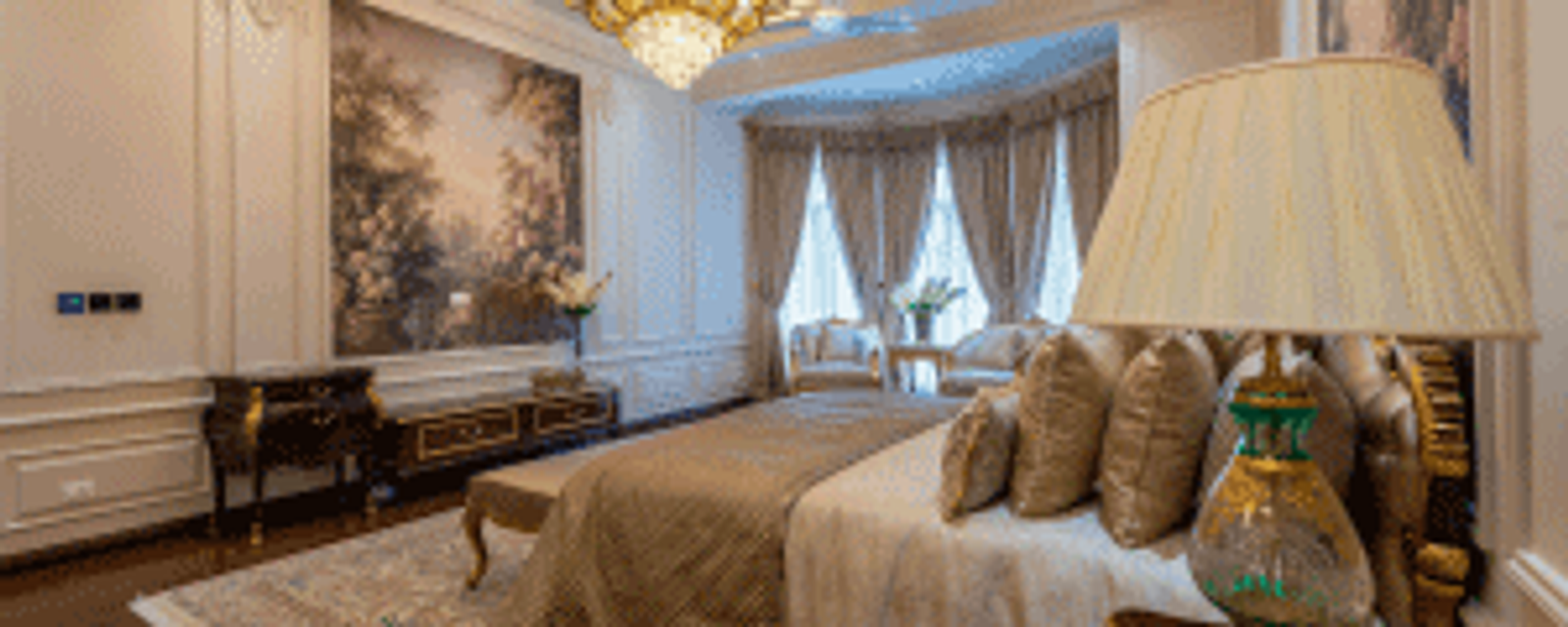
Successful drapery design responds sensitively to architectural conditions and practical requirements:
Window Typologies
Different window types present distinct design opportunities and challenges:
Floor-to-Ceiling Glazing
Expansive contemporary glazing requires treatments that maintain views and connection to outdoors while providing necessary light control and privacy. Solutions might include recessed ceiling tracks that allow treatments to completely clear openings when desired, or sheer layers that preserve views while filtering light.
Period Windows
Historical windows with distinctive proportions and details benefit from treatments that respect and enhance their character. Approaches might involve working within existing architectural framework, highlighting rather than concealing original features, or referencing historical treatment styles in contemporary interpretations.
Challenging Configurations
Unusual shapes, extreme sizes, or awkward placements require customized approaches. Solutions might include specialized hardware systems for angled or curved windows, motorization for inaccessible locations, or optical strategies that improve perceived proportions of problematic openings.
Skylights and Roof Glazing
Overhead glazing presents particular challenges for light control and access. Contemporary solutions include tensioned systems that operate on tracks or wires, specialized motorized treatments designed specifically for horizontal application, or architectural approaches like external shading devices.
Room-Specific Considerations
Different spaces within the home have distinct requirements and opportunities:
Living Spaces
Primary living areas typically prioritize aesthetic impact and flexibility, with treatments that can adapt to different activities and times of day. These spaces often benefit from layered approaches that provide options ranging from full transparency to complete privacy and light control.
Bedrooms
Sleep quality considerations make effective light control particularly important in bedrooms, often requiring blackout capabilities. Solutions might involve layered systems with decorative outer treatments and technical inner layers, or specialized hardware that eliminates light gaps around treatment edges.
Bathrooms and Wet Areas
Moisture resistance becomes paramount in bathrooms, kitchens, and other wet areas. Appropriate solutions include water-resistant materials like vinyl, acrylic, or treated natural fibers; easily cleanable hard treatments like shutters; or privacy solutions that don’t require fabric, such as obscured glass or applied films.
Transitional Spaces
Areas between indoors and outdoors—conservatories, covered terraces, indoor-outdoor rooms—require treatments that withstand environmental exposure while creating comfortable transition zones. Solutions might include performance fabrics developed for exterior applications, retractable systems that can completely clear openings, or architectural approaches like external blinds or pergolas.
Practical Integration
Successful drapery design addresses real-life considerations beyond aesthetics:
Child and Pet Safety
Eliminating hazards like accessible cords or chains has become a primary consideration, addressed through cordless systems, motorization, or cord tensioning devices that keep operating elements out of reach. These safety features have evolved to integrate seamlessly with design rather than appearing as afterthoughts.
Maintenance Requirements
Practical cleaning and maintenance needs significantly impact material selection and construction details. Considerations include removable panels that can be professionally cleaned, washable fabrics for family-friendly applications, or treatments designed to minimize dust collection in allergy-sensitive environments.
Retrofit Challenges
Installing treatments in existing construction often presents constraints around fixing points, electrical connections, or architectural details. Solutions might include tension systems that require minimal attachment, battery-powered motorization that eliminates wiring needs, or clever concealment strategies for necessary hardware.
Multi-Home Considerations
For those maintaining multiple residences, considerations might include treatments that perform well during extended absences—resisting dust accumulation, maintaining appearance without regular attention, and providing security benefits through automated operation that suggests occupancy.
Contemporary Innovations and Future Directions
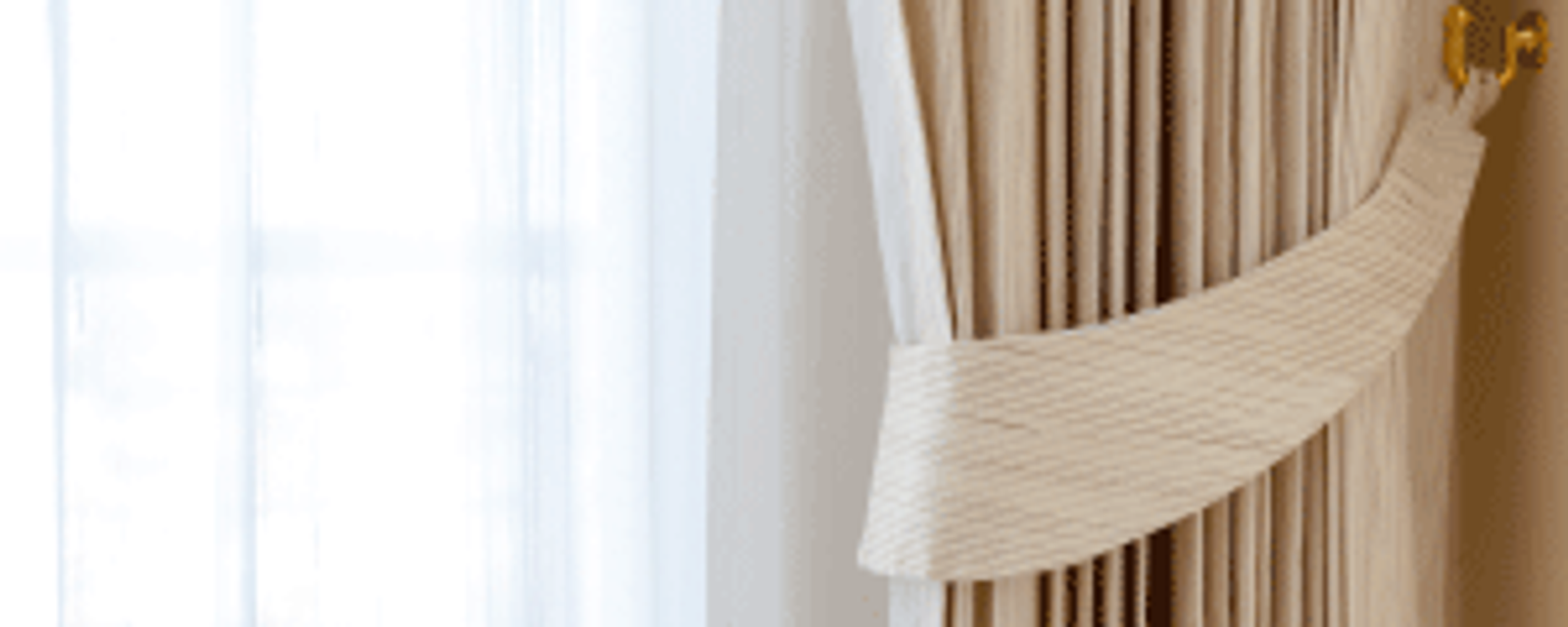
Window treatment design continues to evolve through material innovations, technological integration, and changing approaches to domestic space:
Material Developments
Textile innovation creates new possibilities for window treatments:
Biomaterial Exploration
Experimental textiles derived from agricultural waste, mycelium (fungal networks), algae, or other renewable sources suggest future possibilities for sustainable window treatments with distinctive aesthetic and performance characteristics. These materials often bring unexpected textural qualities and environmental benefits.
Technical Performance
Advanced textiles that actively respond to environmental conditions—changing opacity in response to light levels, absorbing and releasing heat to regulate temperature, or incorporating air-purifying properties—point toward treatments that contribute more actively to interior comfort and wellbeing.
Digital Customization
Digital printing technologies enable unprecedented customization, from photographic imagery to patterns that respond to specific architectural conditions or align precisely with other interior elements. These capabilities allow window treatments to become more integrated with overall design concepts.
Hybrid Constructions
Combining different material types—perhaps rigid and flexible elements, or natural and technical fibers—creates treatments with new functional and aesthetic possibilities. These hybrid approaches often resolve traditional compromises between competing performance requirements.
Integration with Architecture
The relationship between window treatments and architecture continues to evolve:
Between-Glass Solutions
Treatments integrated within glazing systems—from blinds sealed between glass layers to electrochromic technologies that change glass opacity electronically—eliminate maintenance concerns while preserving clean architectural lines. These approaches are particularly valuable in contemporary minimalist contexts.
Architectural Screening
External architectural elements that provide shading, privacy, and visual interest—from traditional shutters and louvers to contemporary interpretations using new materials and operational systems—reduce reliance on interior treatments while creating distinctive façade expressions.
Disappearing Systems
Treatments designed to completely disappear when not in use—retracting into ceiling or wall pockets, folding into minimal compressed forms, or transforming into decorative elements—maximize flexibility while maintaining architectural purity when desired.
Integrated Technology
Window treatments increasingly incorporate technology beyond basic operation—from integrated lighting that transforms treatments into light sources after dark to projection surfaces that convert windows into display screens when desired. These multifunctional approaches maximize utility in compact spaces.
Sustainability Evolution
Environmental consciousness continues to influence window treatment development:
Circular Design Approaches
Treatments designed for eventual disassembly and material recovery—using mechanical connections rather than adhesives, monomaterial construction that simplifies recycling, or compostable components—reduce end-of-life environmental impact. These approaches often bring aesthetic benefits through their material honesty and simplified construction.
Energy Harvesting Integration
Experimental treatments incorporating photovoltaic elements, piezoelectric materials that generate electricity from movement, or other energy-harvesting technologies suggest future window treatments that actively contribute to building energy systems rather than merely reducing consumption.
Adaptive Reuse Applications
Repurposing existing textiles—from vintage fabrics with cultural significance to industrial materials not originally intended for interior applications—creates treatments with unique character while extending material lifecycles. These approaches often bring unexpected textures and patinas to contemporary contexts.
Maintenance Innovation
Developments in self-cleaning textiles, dirt-repelling treatments, and materials engineered for longevity reduce resource consumption associated with cleaning and replacement. These innovations make sustainable choices more practical for everyday applications.
Conclusion: Drapery as Transformative Element
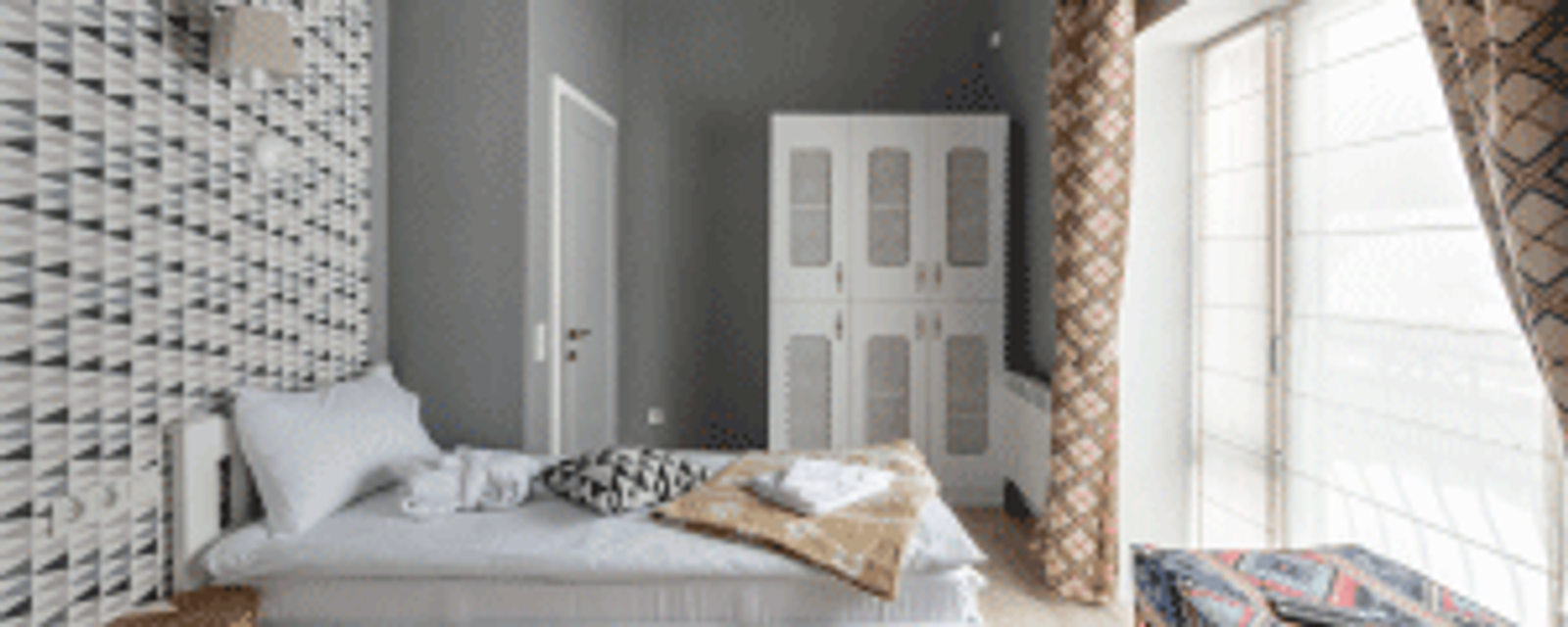
Exceptional window treatments transcend their utilitarian origins to become transformative elements that enhance architectural experience, improve environmental comfort, and contribute significantly to the sensory richness of interior spaces. Whether conceived as quiet background elements or dramatic focal points, thoughtfully designed drapery represents one of the most impactful investments in creating homes that feel complete and considered.
By understanding both the technical requirements and experiential possibilities of window treatments, designers can create solutions that not only control light and provide privacy but elevate the entire architectural composition. These elements become integral to the narrative of the home—softening hard edges, introducing movement and texture, connecting interior spaces to the natural world beyond, and responding to the changing rhythms of daily life.
In the finest examples, drapery achieves that rare quality of seeming simultaneously practical and poetic—addressing functional needs while creating moments of beauty as light filters through fabric or textiles respond to air movement. This balance between utility and sensory pleasure represents the essence of successful interior design, transforming necessary elements into sources of daily delight.