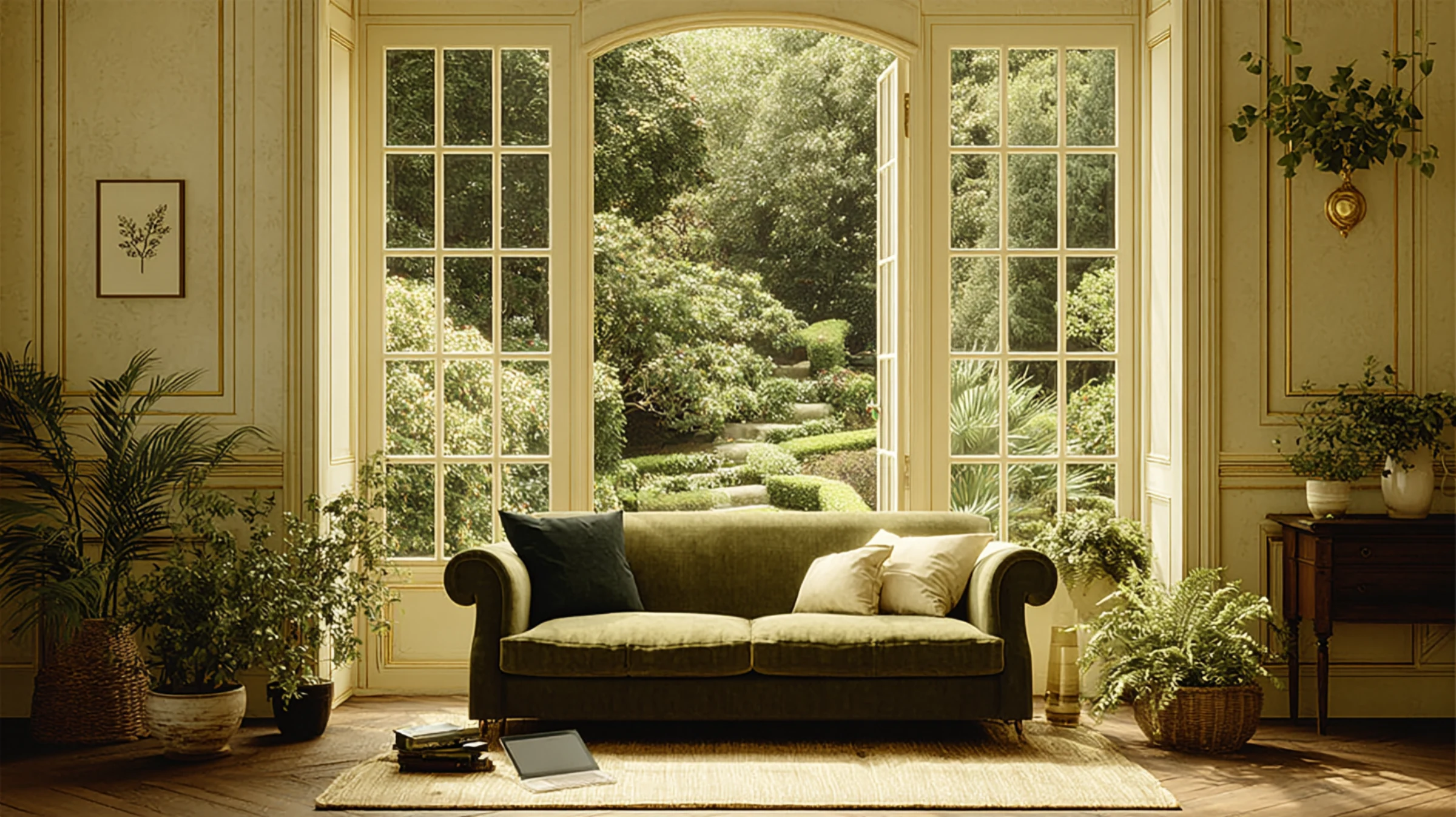
The New Minimalism: Warmth, Texture, and Personality
The concept of minimalism in interior design has undergone a significant evolution in recent years. Moving beyond the stark, clinical interpretations that characterized early minimalist interiors, today’s approach embraces a…
House of Willow Alexander·
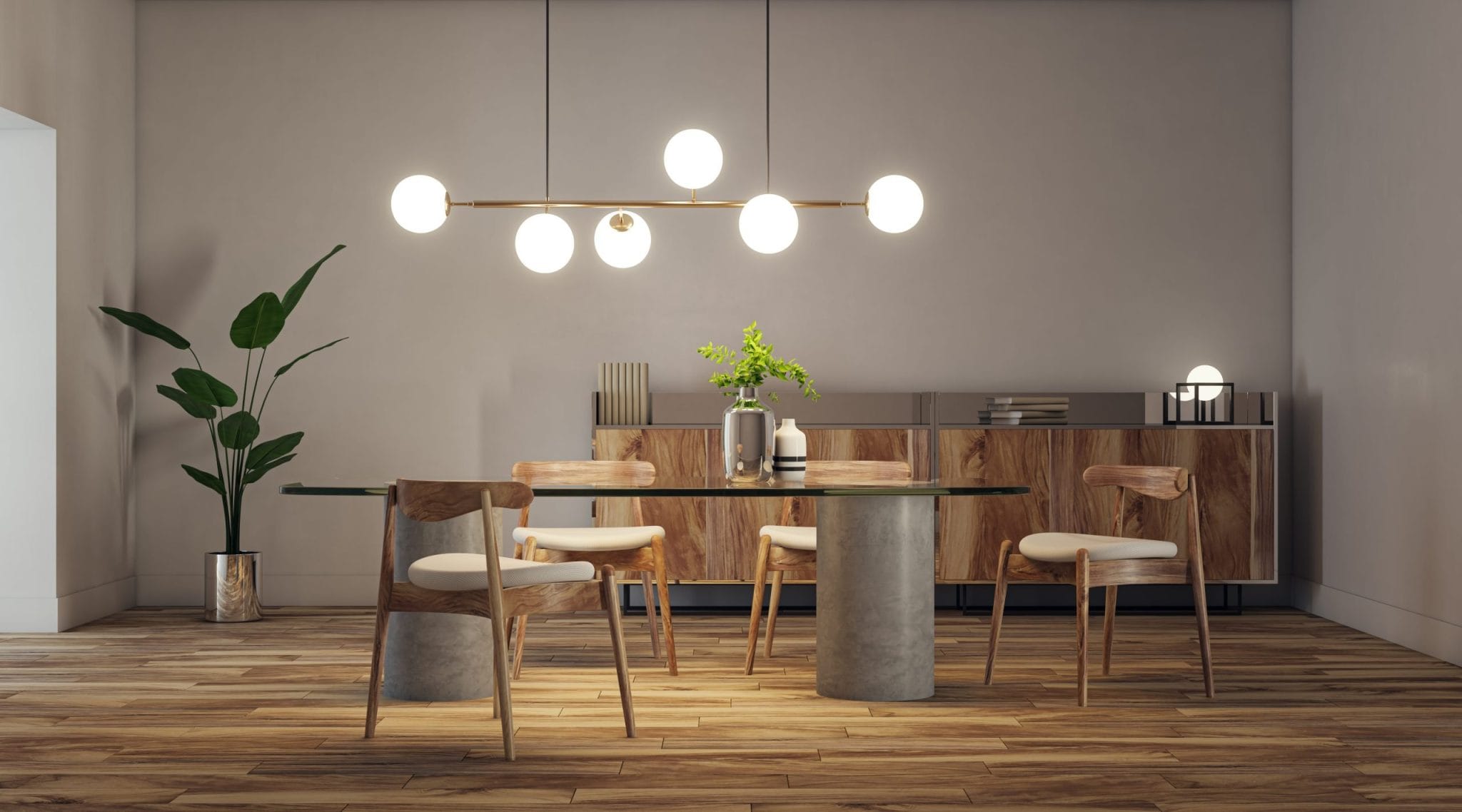
The concept of minimalism in interior design has undergone a significant evolution in recent years. Moving beyond the stark, clinical interpretations that characterized early minimalist interiors, today’s approach embraces a more nuanced philosophy that balances visual simplicity with sensory richness. This “new minimalism” retains the fundamental principles of intentionality and restraint while introducing warmth, texture, and personal meaning—creating spaces that feel both serene and soulful.
Beyond White Boxes: The Evolution of Minimalist Design
To understand the new minimalism, it’s helpful to trace the evolution of minimalist design principles:
Historical Context
Minimalism emerged as a reaction against excess and ornamentation, with roots in various movements:
Modernist Foundations
The early 20th century modernist credo “less is more,” articulated by Ludwig Mies van der Rohe, established reduction and simplification as design virtues. This approach emphasized structural honesty, functional clarity, and the elimination of unnecessary elements.
Japanese Influences
Traditional Japanese aesthetics, particularly the concept of “ma” (negative space) and the wabi-sabi appreciation for imperfection and transience, profoundly influenced Western minimalism. These philosophies brought contemplative qualities and material sensitivity to minimalist practice.
1980s-1990s Interpretations
The minimalism that gained popularity in the late 20th century often emphasized extreme reduction—white walls, empty spaces, and an almost clinical absence of visual information. While intellectually compelling, these environments frequently felt cold and impersonal to many inhabitants.
The concept of minimalism in interior design has undergone a significant evolution in recent years. Moving beyond the stark, clinical interpretations that characterized early minimalist interiors, today’s approach embraces a more nuanced philosophy that balances visual simplicity with sensory richness. This “new minimalism” retains the fundamental principles of intentionality and restraint while introducing warmth, texture, and personal meaning—creating spaces that feel both serene and soulful.
Beyond White Boxes: The Evolution of Minimalist Design
To understand the new minimalism, it’s helpful to trace the evolution of minimalist design principles:
Historical Context
Minimalism emerged as a reaction against excess and ornamentation, with roots in various movements:
Modernist Foundations
The early 20th century modernist credo “less is more,” articulated by Ludwig Mies van der Rohe, established reduction and simplification as design virtues. This approach emphasized structural honesty, functional clarity, and the elimination of unnecessary elements.
Japanese Influences
Traditional Japanese aesthetics, particularly the concept of “ma” (negative space) and the wabi-sabi appreciation for imperfection and transience, profoundly influenced Western minimalism. These philosophies brought contemplative qualities and material sensitivity to minimalist practice.
1980s-1990s Interpretations
The minimalism that gained popularity in the late 20th century often emphasized extreme reduction—white walls, empty spaces, and an almost clinical absence of visual information. While intellectually compelling, these environments frequently felt cold and impersonal to many inhabitants.
Contemporary Reinterpretation
Today’s minimalism represents a maturation of these principles, retaining the emphasis on intentionality while embracing greater warmth and individuality:
Thoughtful Reduction
Rather than elimination for its own sake, contemporary minimalism focuses on thoughtful curation—keeping what adds value while removing what creates unnecessary visual or mental noise. This approach recognizes that different individuals have different thresholds for stimulation and different definitions of “essential.”
Sensory Engagement
The new minimalism acknowledges that human beings are sensory creatures who respond to tactile qualities, natural materials, and subtle variations in light, texture, and tone. These elements create richness without complexity, engaging the senses while maintaining visual calm.
Personal Resonance
Contemporary minimalist interiors make space for objects and elements with personal meaning, recognizing that emotional connection to our surroundings contributes significantly to wellbeing. The emphasis shifts from rigid adherence to aesthetic rules toward creating environments that support individual values and experiences.
Core Principles of the New Minimalism
Several key principles define this evolved approach to minimalist design:
Intentional Curation
Thoughtful selection forms the foundation of the new minimalism:
Quality Over Quantity
Investing in fewer, better things—pieces that are beautifully crafted, functionally superior, and built to last—creates environments where each element can be fully appreciated. This approach often involves higher initial investment but results in reduced consumption over time.
Meaningful Selection
Each item in a minimalist interior should earn its place through either functional necessity or meaningful contribution to the atmosphere. The question shifts from “Could I include this?” to “Should I include this? What value does it add?”
Regular Reassessment
Minimalism as a practice involves ongoing evaluation rather than a one-time purge. This process includes regularly reconsidering what deserves space in our homes as needs, preferences, and circumstances evolve.
Material Authenticity
The new minimalism places significant emphasis on material quality and integrity:
Natural Materials
Organic materials—wood, stone, clay, linen, wool—bring inherent variation, tactile interest, and connection to the natural world. Their subtle imperfections and tendency to patinate over time add character without complexity.
Reduced Palette
Limiting the number of materials in a space creates cohesion and visual calm while allowing the inherent qualities of each material to be fully appreciated. This approach might involve using the same wood throughout different applications or limiting stone selections to a single type.
Honest Expression
Materials are typically presented in their authentic state rather than disguised or heavily modified. This might involve oiled rather than lacquered wood, honed rather than polished stone, or natural linen left undyed—allowing the inherent beauty of the material to speak for itself.
Contemporary Reinterpretation
Today’s minimalism represents a maturation of these principles, retaining the emphasis on intentionality while embracing greater warmth and individuality:
Thoughtful Reduction
Rather than elimination for its own sake, contemporary minimalism focuses on thoughtful curation—keeping what adds value while removing what creates unnecessary visual or mental noise. This approach recognizes that different individuals have different thresholds for stimulation and different definitions of “essential.”
Sensory Engagement
The new minimalism acknowledges that human beings are sensory creatures who respond to tactile qualities, natural materials, and subtle variations in light, texture, and tone. These elements create richness without complexity, engaging the senses while maintaining visual calm.
Personal Resonance
Contemporary minimalist interiors make space for objects and elements with personal meaning, recognizing that emotional connection to our surroundings contributes significantly to wellbeing. The emphasis shifts from rigid adherence to aesthetic rules toward creating environments that support individual values and experiences.
Core Principles of the New Minimalism
Several key principles define this evolved approach to minimalist design:
Intentional Curation
Thoughtful selection forms the foundation of the new minimalism:
Quality Over Quantity
Investing in fewer, better things—pieces that are beautifully crafted, functionally superior, and built to last—creates environments where each element can be fully appreciated. This approach often involves higher initial investment but results in reduced consumption over time.
Meaningful Selection
Each item in a minimalist interior should earn its place through either functional necessity or meaningful contribution to the atmosphere. The question shifts from “Could I include this?” to “Should I include this? What value does it add?”
Regular Reassessment
Minimalism as a practice involves ongoing evaluation rather than a one-time purge. This process includes regularly reconsidering what deserves space in our homes as needs, preferences, and circumstances evolve.
Material Authenticity
The new minimalism places significant emphasis on material quality and integrity:
Natural Materials
Organic materials—wood, stone, clay, linen, wool—bring inherent variation, tactile interest, and connection to the natural world. Their subtle imperfections and tendency to patinate over time add character without complexity.
Reduced Palette
Limiting the number of materials in a space creates cohesion and visual calm while allowing the inherent qualities of each material to be fully appreciated. This approach might involve using the same wood throughout different applications or limiting stone selections to a single type.
Honest Expression
Materials are typically presented in their authentic state rather than disguised or heavily modified. This might involve oiled rather than lacquered wood, honed rather than polished stone, or natural linen left undyed—allowing the inherent beauty of the material to speak for itself.
Tonal Sophistication
Color approaches in the new minimalism emphasize subtlety and harmony:
Beyond White
While white remains important in many minimalist schemes, contemporary approaches often explore a more nuanced palette of neutrals—bone, sand, taupe, greige, soft charcoal—that provide warmth and subtle variation while maintaining visual quietude.
Tonal Relationships
Working with different values of related colors creates depth without contrast. This might involve layering several shades of warm grey or combining different tones of natural linen for subtle richness that reveals itself gradually.
Considered Accents
When stronger colors are introduced, they are typically used with precision and purpose—a single piece of art, a carefully chosen textile, or an object with personal significance that becomes more impactful against a restrained background.
Textural Dialogue
Texture provides essential sensory richness in minimalist environments:
Tactile Variation
Combining different tactile qualities—rough against smooth, matte against lustrous, soft against hard—creates interest through contrast while maintaining visual simplicity. These textural dialogues reward both visual and physical interaction with the space.
Layered Textiles
Natural fiber textiles in related tones but different textures—linen, wool, cashmere, raw silk—add warmth and acoustic softening without introducing pattern or color complexity. These elements invite touch and create comfort essential to livable minimalism.
Surface Interest
Subtle surface treatments—hand-troweled plaster, wire-brushed wood, flamed stone—create visual depth through their interaction with light rather than through applied decoration. These techniques bring spaces to life without adding visual elements.
Spatial Clarity
Thoughtful spatial organization remains fundamental to minimalist design:
Breathing Room
Allowing adequate space around objects and furnishings creates visual rest and highlights the form of each element. This approach values negative space as an active design component rather than an area to be filled.
Considered Sight Lines
Carefully composed views within and between spaces create a sense of expansiveness and connection. This might involve aligning architectural elements, framing specific focal points, or creating layered perspectives that reveal themselves as one moves through the home.
Functional Zoning
Clear organization of space according to function enhances both usability and visual calm. This often involves creating distinct areas for different activities while maintaining overall cohesion through material and tonal continuity.
Living Minimalism: Practical Applications
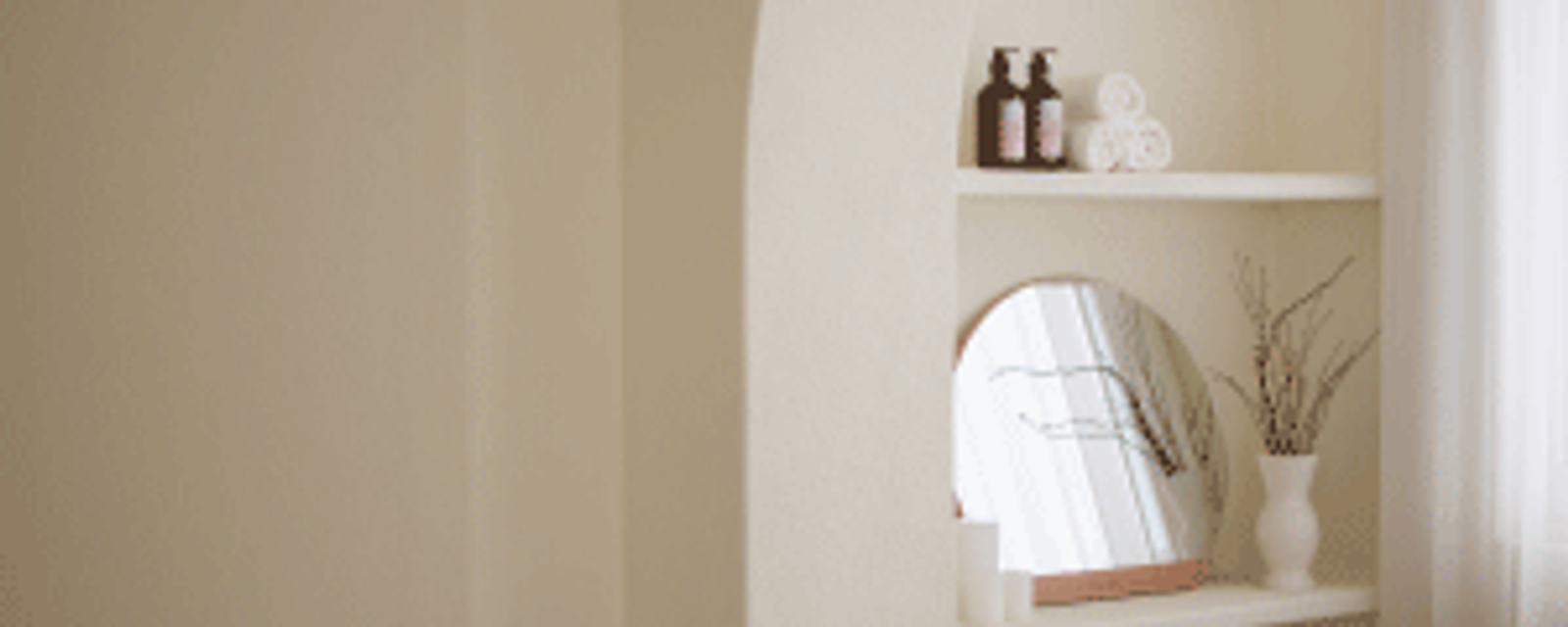
Translating minimalist principles into livable environments involves thoughtful application across different aspects of the home:
Storage Solutions: The Foundation of Serenity
Effective storage systems are essential to maintaining visual calm:
Integrated Approaches
Built-in storage that disappears into the architecture—full-height cupboards that read as walls, under-stair solutions that utilize otherwise wasted space, or window seats with concealed storage—maximizes functionality while minimizing visual presence.
Dedicated Zones
Designating specific homes for different categories of items prevents migration and accumulation. This might involve creating a dedicated media drawer in the living room, specific kitchen zones for different cooking activities, or entry systems for processing items coming into the home.
Visibility Hierarchy
Organizing items according to frequency of use and visual appeal ensures that everyday necessities remain accessible while less attractive or occasionally used items are concealed. This approach balances practical needs with aesthetic considerations.
Furniture Selection: Quality and Longevity
Furniture choices significantly influence both the aesthetic and functional success of minimalist interiors:
Simplified Forms
Furniture with clean lines and thoughtful proportions creates visual clarity without sacrificing comfort. Contemporary minimalist selections often soften modernist influences with more generous proportions and ergonomic considerations.
Multi-Functional Pieces
Items that serve multiple purposes—extending tables, storage ottomans, sofa beds with genuine comfort in both configurations—reduce the total number of pieces needed while enhancing functionality for different scenarios.
Investment Thinking
Selecting pieces designed to last for decades, both structurally and aesthetically, supports sustainable consumption while creating a foundation of quality. This approach often involves choosing designs with proven longevity rather than following short-term trends.
Material Application: Creating Atmosphere
Material selections establish the sensory character of minimalist spaces:
Material Continuity
Extending the same materials across different applications—the same wood species for flooring, doors, and cabinetry, for example—creates cohesion and visual calm while allowing architectural form to take precedence over material variation.
Textural Mapping
Strategically placing textural elements where they will be experienced—natural stone where hands will touch, soft textiles where bodies will rest, interesting textures at eye level—enhances the experiential quality of the space without creating visual complexity.
Reflective Qualities
Considering how different materials interact with light—whether they absorb, reflect, or filter it—creates spaces that change subtly throughout the day. This temporal dimension adds richness to visually simple environments.
Lighting Design: Sculpting Space
Thoughtful lighting transforms minimalist interiors from stark to serene:
Natural Light Prioritization
Maximizing natural light through window placement, reflective surfaces, and minimal window treatments creates connection to the external environment and natural rhythms. This approach often involves removing unnecessary partitions that block light penetration or using translucent materials where privacy is needed.
Layered Artificial Light
Creating different lighting scenarios through multiple sources at various heights allows spaces to transform from energizing to relaxing. Minimalist lighting design typically emphasizes indirect sources—wall washing, cove lighting, or uplighting—that create atmosphere without visible fixtures.
Focused Accents
Directed lighting that highlights specific elements—artwork, textural surfaces, or objects of significance—creates focal points and depth. These accents become more powerful against the restrained background of minimalist interiors.
Art and Objects: Personal Significance
Curated personal elements bring soul to minimalist spaces:
Meaningful Selection
Choosing art and objects for genuine personal resonance rather than decorative function creates more meaningful environments. These selections might include family photographs, artwork with personal significance, objects collected during travels, or pieces created by friends or family members.
Breathing Space
Allowing each significant piece adequate space for appreciation enhances its impact and creates a more contemplative relationship with cherished objects. This might involve rotating collections rather than displaying everything simultaneously or creating specific moments of focus within the home.
Quality of Experience
Considering how objects are experienced—their weight in the hand, texture against the skin, or how they sound when used—adds dimensions beyond visual appreciation. This sensory engagement creates richness in environments with fewer possessions.
Psychological Benefits: Why the New Minimalism Resonates
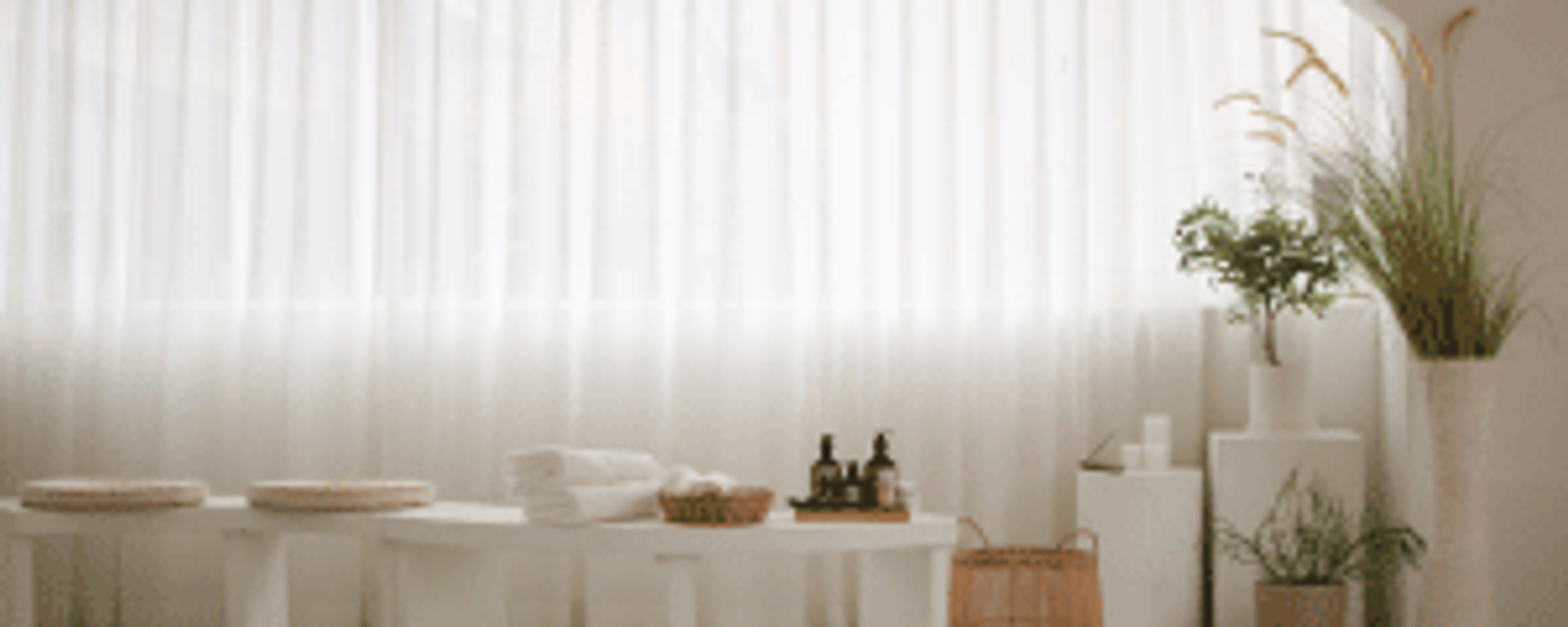
The growing appeal of this evolved minimalism connects to several psychological benefits:
Mental Clarity and Reduced Decision Fatigue
Simplified environments reduce the cognitive load of daily life:
Attentional Rest
Spaces with fewer visual elements require less mental processing, creating opportunities for the mind to rest and recover from the stimulation of contemporary life. This “visual silence” becomes increasingly valuable in a world of constant information.
Reduced Decisions
Curated wardrobes, kitchens, and storage systems minimize daily decisions about what to wear, cook with, or use. This reduction in choice paradoxically increases satisfaction while conserving mental energy for more meaningful decisions.
Clearer Priorities
Physical environments that reflect intentional choices about what matters support greater clarity about personal values and priorities. This alignment between surroundings and values reduces internal conflict and enhances wellbeing.
Enhanced Appreciation and Mindfulness
Minimalist environments foster more conscious relationships with possessions and spaces:
Heightened Awareness
When surrounded by fewer, more carefully selected items, we tend to notice and appreciate their qualities more fully. This awareness extends to subtle pleasures—changing light throughout the day, seasonal shifts visible through uncluttered windows, or the tactile quality of everyday objects.
Ritual and Presence
Simplified environments support more mindful engagement with daily activities. With less visual and physical clutter, everyday actions—preparing tea, setting the table, arranging flowers—can become moments of presence rather than tasks to complete.
Gratitude Practice
Living with less often enhances appreciation for what remains. This gratitude extends beyond material possessions to include relationships, experiences, and intangible qualities that contribute to wellbeing.
Sustainability and Ethical Consumption
Minimalist practices naturally align with environmental consciousness:
Reduced Consumption
Choosing fewer, better things naturally reduces resource use and waste generation. This shift from quantity to quality supports more sustainable production methods that may have higher costs but lower environmental impacts.
Longer Lifecycles
Selecting items intended to last for decades rather than seasons creates different relationships with possessions—repairing rather than replacing, maintaining rather than discarding. This approach challenges the planned obsolescence built into many consumer goods.
Conscious Acquisition
The practice of questioning each potential purchase—its necessity, longevity, and alignment with personal values—naturally leads toward more ethical consumption patterns. This consciousness often extends to considering production methods, material sources, and labor practices.
Challenges and Balanced Approaches
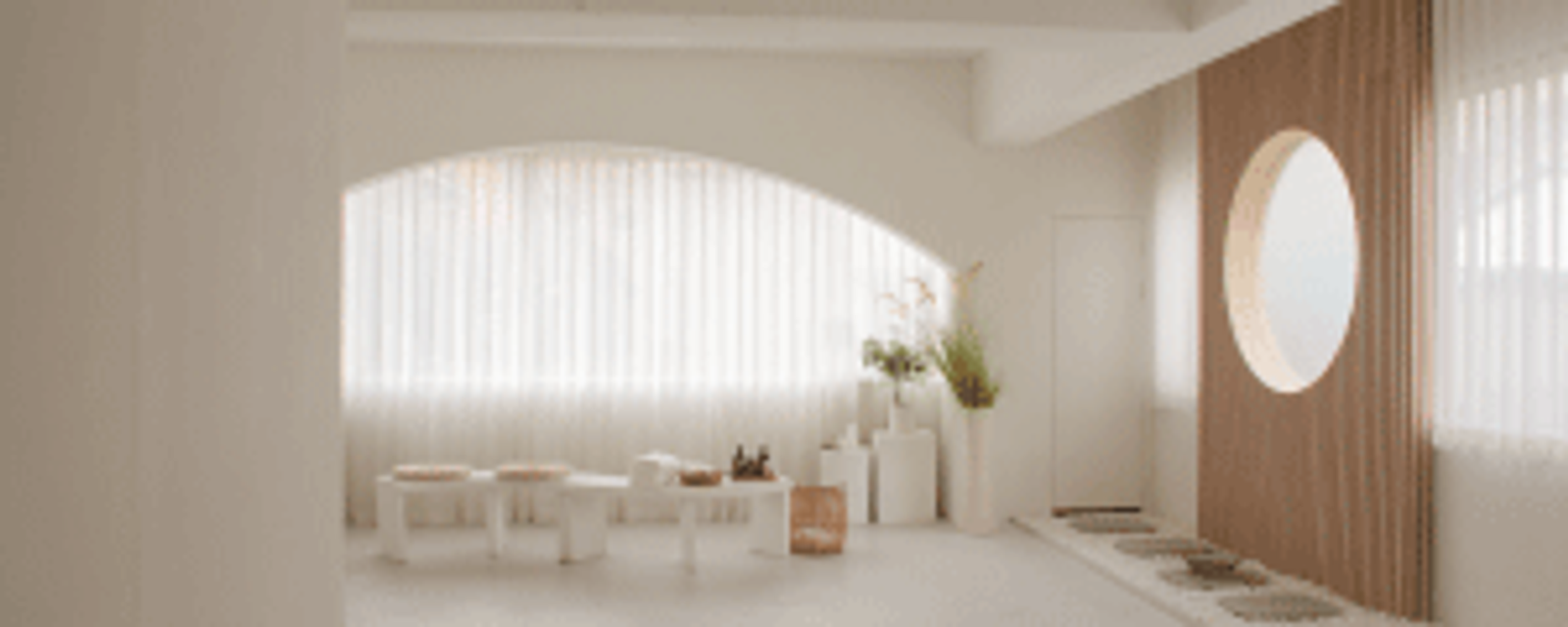
While the benefits are significant, implementing minimalist principles presents certain challenges:
Finding Personal Thresholds
Minimalism looks different for different individuals:
Individual Variation
Personal comfort with simplicity varies significantly based on temperament, background, and circumstance. Effective minimalism respects these differences rather than imposing arbitrary standards of “enough” or “too much.”
Contextual Adaptation
Appropriate levels of simplification depend on household composition, life stage, and practical needs. Families with young children, creative professionals with specialized equipment, or those with certain hobbies may require more possessions while still applying minimalist principles within these parameters.
Evolving Implementation
Minimalist practices typically develop over time rather than through immediate transformation. This gradual approach allows for adjustment, learning, and refinement based on lived experience rather than theoretical ideals.
Balancing Aesthetics and Functionality
Creating minimalist environments that work for real life:
Practical Needs
Effective minimalism accommodates the practical requirements of daily living rather than sacrificing functionality for aesthetic purity. This balance might involve creating concealed storage for necessary but visually disruptive items or selecting beautiful versions of everyday objects.
Comfort Priorities
Physical and psychological comfort should take precedence over rigid adherence to minimalist aesthetics. This might mean including a cherished but non-minimal piece of furniture, maintaining collections that bring joy, or creating softer, more relaxed interpretations of minimalist principles.
Flexibility for Change
Well-designed minimalist spaces accommodate changing needs and circumstances without requiring complete reinvention. This adaptability might involve modular furniture systems, multipurpose rooms, or storage solutions that can evolve for different contents.
Cultural and Personal Histories
Respecting the complex relationships people have with possessions:
Heritage Considerations
For many, certain possessions connect to cultural heritage, family history, or personal identity. Thoughtful minimalism creates space for these meaningful connections rather than dismissing them as clutter or unnecessary attachments.
Emotional Associations
Objects often carry emotional significance beyond their functional or aesthetic value. Recognizing and respecting these associations—whether to people, places, or experiences—creates more psychologically supportive environments than approaches focused solely on visual simplification.
Abundance Appreciation
For those who have experienced scarcity, certain possessions may represent security and achievement. Sensitive minimalist practice acknowledges these histories rather than imposing value judgments based on different experiences.
Conclusion: Minimalism as Practice Rather Than Aesthetic
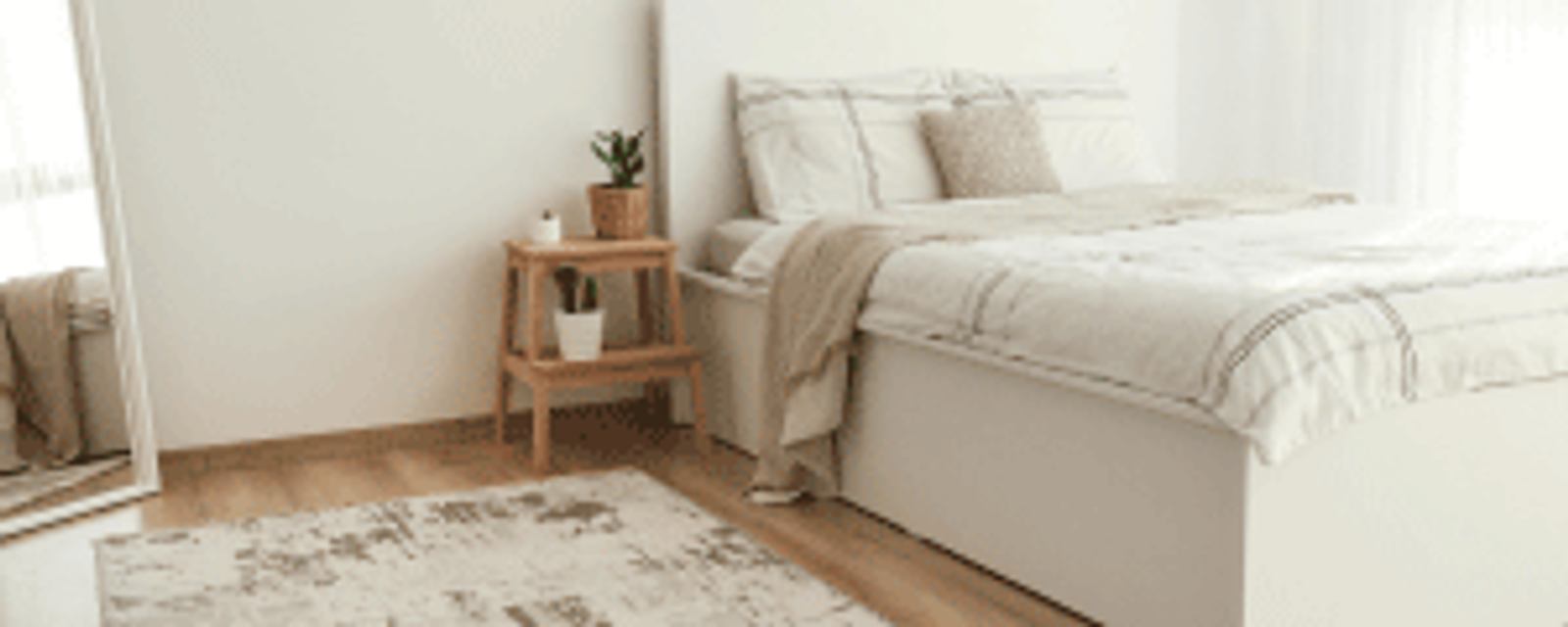
The new minimalism is best understood not as a rigid aesthetic formula but as an ongoing practice of intentionality, awareness, and alignment between values and environment. This approach recognizes that the purpose of simplification is not deprivation but enhancement—creating space for what matters most, whether that’s mental clarity, sensory pleasure, meaningful connections, or creative pursuits.
By focusing on quality over quantity, authenticity over perfection, and personal meaning over abstract ideals, this evolved minimalism creates environments that feel both serene and soulful. The resulting spaces support wellbeing not through sterile emptiness but through thoughtful curation that reflects individual priorities and enhances daily experience.
In a world of increasing complexity, constant stimulation, and environmental challenges, this balanced approach to simplification offers valuable benefits. The new minimalism provides not just an aesthetic but a framework for more conscious living—one that creates homes of both visual harmony and genuine personal resonance.