Architectural Transitions: The Art of Staircase Design
In the realm of interior architecture, few elements possess the transformative power of a well-designed staircase. Beyond its fundamental purpose of vertical circulation, a thoughtfully conceived staircase serves as a…
House of Willow Alexander·
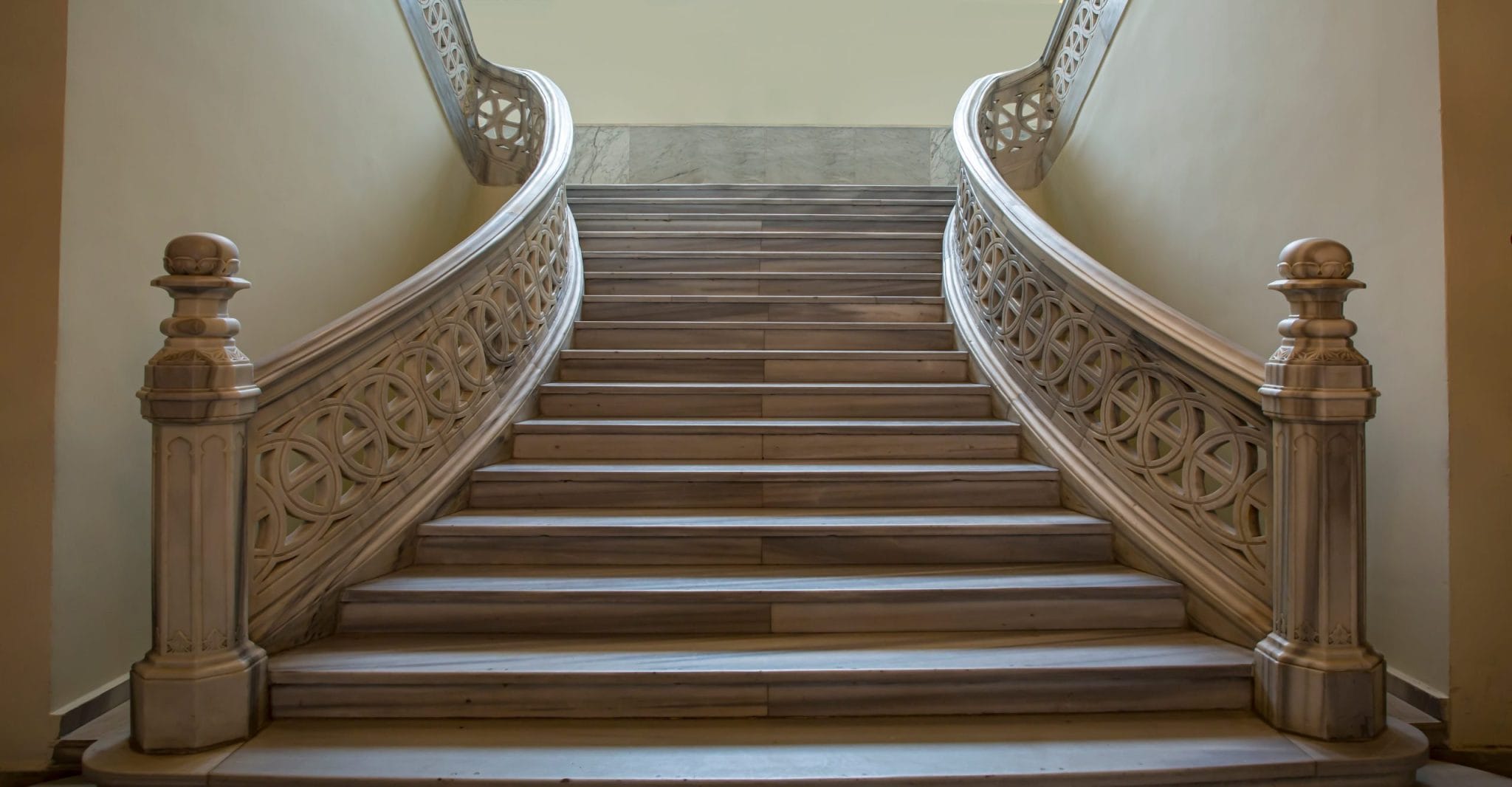
In the realm of interior architecture, few elements possess the transformative power of a well-designed staircase. Beyond its fundamental purpose of vertical circulation, a thoughtfully conceived staircase serves as a sculptural centerpiece, a spatial organizer, and a journey through the home that can evoke emotional responses and create memorable experiences. This exploration delves into the principles, materials, and innovations that define exceptional staircase design in contemporary British homes.
The Dual Nature of Staircases: Function and Expression
Functional Imperatives
At its core, a staircase must provide safe and comfortable vertical circulation:
Dimensional Requirements
Building regulations establish minimum standards for tread depth (typically 220-300mm), riser height (maximum 220mm), and width (minimum 800mm for primary stairs), ensuring basic safety and usability. However, truly comfortable staircases often exceed these minimums, with generous treads of 270-300mm and risers of 150-180mm creating a more relaxed ascent and descent.
Ergonomic Considerations
Beyond basic dimensions, ergonomic design addresses the human experience of movement: consistent dimensions that match natural stride patterns; handrails positioned for intuitive grasp (typically 900mm above the pitch line); nosings detailed to provide visual definition without creating trip hazards; and landings positioned to break longer flights and provide rest points.
Structural Integrity
Staircases must support significant loads while often appearing visually lightweight. This tension between structural requirements and aesthetic aspirations drives many design innovations, from traditional self-supporting stone spirals to contemporary cantilevered timber treads or floating glass structures that conceal their supporting mechanisms.
Expressive Potential
Beyond these functional requirements, staircases offer exceptional opportunities for architectural expression:
Spatial Storytelling
A well-designed staircase creates a journey through the home, revealing spaces sequentially and controlling views. This might involve compression and release (moving from confined to expansive areas), strategic framing of vistas, or choreographed experiences that unfold as one ascends or descends.
Sculptural Presence
The three-dimensional form of a staircase creates sculptural opportunities unlike any other architectural element. Whether conceived as a sinuous ribbon, a geometric composition, or a floating sequence of planes, the staircase can serve as the primary artistic statement within an interior.
Light Manipulation
The vertical nature of staircases creates opportunities to bring light deep into buildings through skylights or clerestory windows above. The interplay between staircase form and light—creating shadow patterns, highlighting textures, or emphasizing the passage of time through changing illumination—adds another dimension to their experiential quality.
Typologies and Their Architectural Implications
Straight Flights
Single Flights
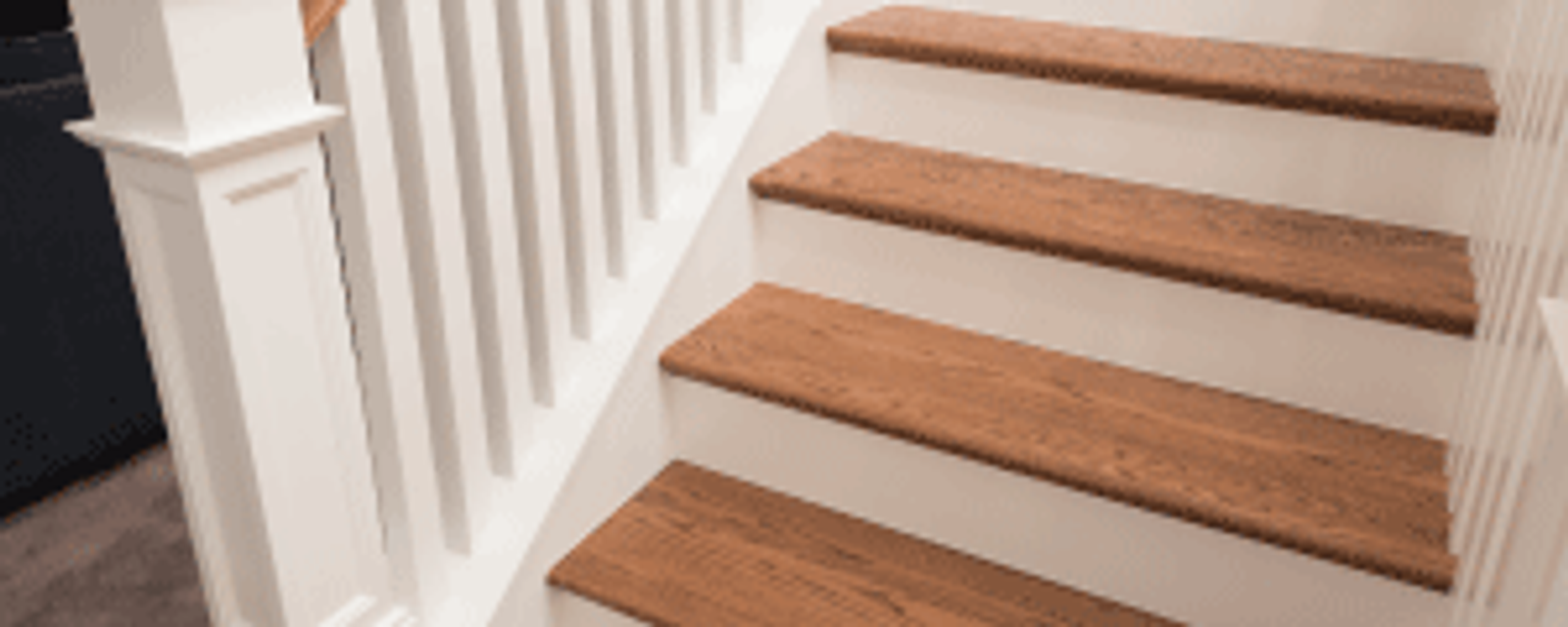
A single, uninterrupted flight creates powerful directional emphasis and visual clarity. This approach works particularly well in double-height spaces where the staircase can be appreciated as a complete composition, or in situations where its presence should be minimized in favor of other architectural elements.
Split Flights with Landings
Breaking a straight run with intermediate landings creates rhythm and pacing, allowing for rest and directional changes. This configuration adapts well to standard floor-to-ceiling heights and can be positioned along walls to maximize spatial efficiency in compact plans.
Parallel Flights
Two parallel flights separated by a landing create a more dynamic experience while maintaining directional clarity. This arrangement works effectively in townhouses or other vertical dwellings where multiple floors must be connected efficiently within a limited footprint.
Curved and Spiral Forms
Helical Designs
The true helical staircase, with its continuous curve around an open well, creates a graceful, sweeping presence that has been associated with grand entrances since the Georgian period. Contemporary interpretations often simplify the classical form, maintaining the elegant curve while introducing cleaner detailing and more minimal expression.
Spiral Configurations
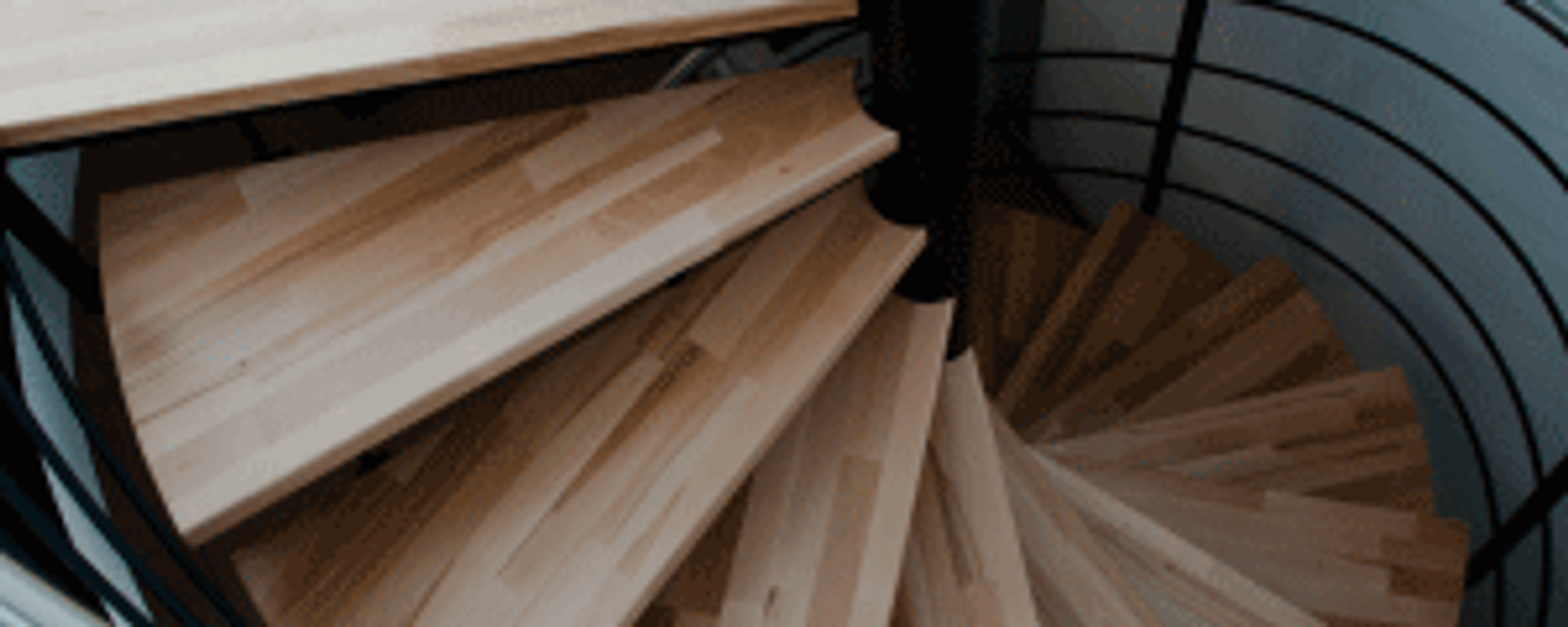
The compact spiral, rotating around a central column, offers spatial efficiency at the cost of reduced usability. Once relegated to secondary or service circulation, innovative contemporary designs have reimagined the spiral as a sculptural feature through oversized diameters, floating treads, or innovative materials that transform this space-saving solution into an architectural highlight.
Curved Combinations
Combining curved and straight elements creates dynamic compositions that can respond to complex spatial conditions. These hybrid forms might incorporate curved landings that mediate between straight flights, or gentle arcs that soften transitions while maintaining efficient circulation.
Geometric Explorations
Folded Plates
Conceived as continuous folded surfaces rather than distinct treads and risers, these staircases create visual continuity and sculptural presence. This approach often employs materials like steel, concrete, or engineered timber that can be formed into seamless planes while providing necessary structural support.
Floating Compositions
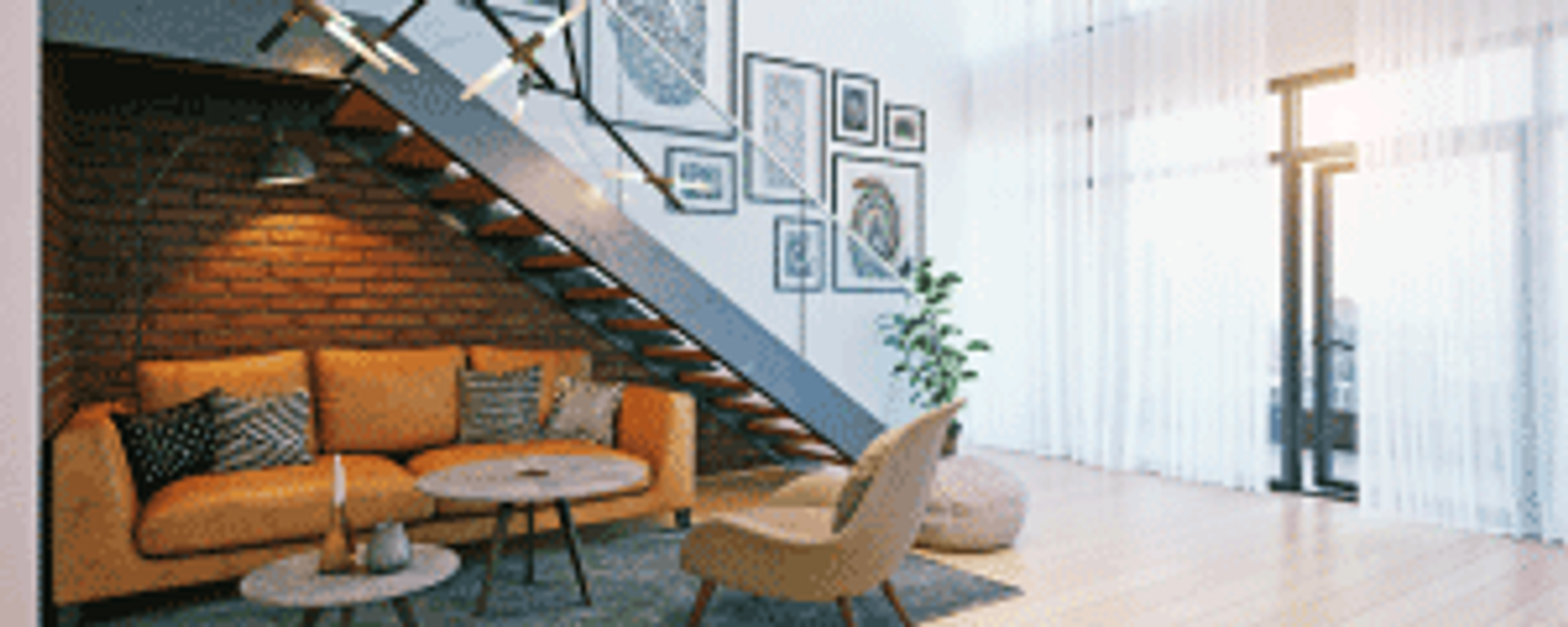
Visually detached treads that appear to float in space create ethereal effects and maximize visual openness. These designs rely on concealed structural systems—cantilevered supports, hidden steel substructures, or tension systems—that enable the apparent defiance of gravity.
Interlocking Volumes
Treating the staircase as an interlocking set of three-dimensional volumes rather than a linear path creates complex spatial experiences. This approach might involve overlapping or interpenetrating forms, creating visual interest from multiple viewpoints and rewarding exploration.
Material Expression and Craftsmanship
Timber Traditions and Innovations
Traditional Craftsmanship
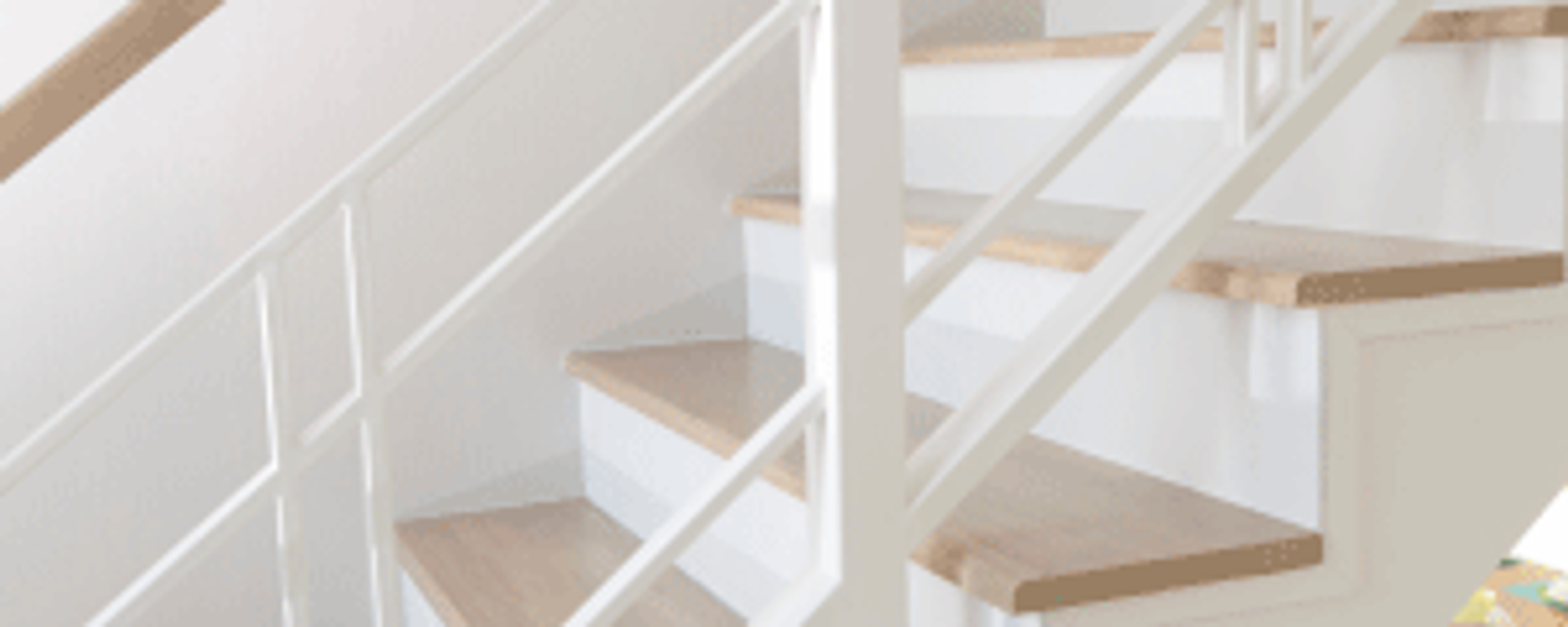
The timber staircase has deep roots in British architectural history, with techniques refined over centuries. Traditional joinery methods—housed strings, dovetailed treads, turned balusters—continue to be employed in period-appropriate contexts, often with subtle contemporary refinements that respect historical precedents while meeting modern expectations.
Contemporary Expressions
Modern timber staircases often emphasize clean lines and material honesty, with solid sections, expressed joinery, and natural finishes that highlight the inherent beauty of the wood. Species selection significantly influences character: oak provides robust solidity; walnut offers rich, dark tones; ash brings lighter, more contemporary feeling with distinctive grain patterns.
Engineered Solutions
Engineered timber products enable forms that would be impossible with solid wood, from curved laminations that create flowing lines to cross-laminated panels that provide structural capacity with minimal thickness. These technologies expand design possibilities while maintaining the warmth and tactility associated with timber.
Metal Applications
Steel Structures
Structural steel allows for remarkable slenderness and spans, enabling designs that would be impossible in other materials. Contemporary approaches often celebrate this structural capacity through expressed elements—visible stringers, tension rods, or structural connections that become design features rather than concealed necessities.
Bronze and Brass Details
Noble metals bring warmth and tactile quality to handrails, balustrades, or accent elements. These materials develop rich patinas over time, recording the history of human touch and environmental exposure in their gradually evolving surfaces.
Blackened Steel and Raw Finishes
Industrial-inspired finishes like blackened, blued, or waxed steel create distinctive character while revealing the material’s inherent properties. These approaches often employ traditional techniques reimagined for contemporary contexts, creating connections to craft traditions while serving modern aesthetic sensibilities.
Stone and Concrete
Traditional Stonework
Stone staircases have ancient precedents, from medieval spiral stairs carved from solid blocks to classical cantilevered designs that rely on the principle of each tread acting as a counterweight for the next. Contemporary applications often reinterpret these traditions with cleaner detailing and more precise execution enabled by modern cutting technologies.
Cast Concrete Forms
Concrete’s plasticity allows for remarkable formal freedom, from sinuous curves to sharp geometries that would be difficult to achieve in other materials. Contemporary approaches often combine this formal capacity with refined finishing techniques—polished surfaces, exposed aggregates, or textured formwork—that elevate concrete beyond its utilitarian associations.
Terrazzo Revivals
The renaissance of terrazzo brings renewed interest in this versatile material for staircase applications. Modern formulations offer enhanced performance characteristics and expanded aesthetic possibilities, from traditional marble chip compositions to contemporary versions incorporating recycled glass, metal, or other unexpected aggregates.
Glass Applications
Structural Glass Treads
Advances in laminated safety glass and connection details have enabled treads that appear to float in space while providing necessary structural capacity. These elements typically employ multiple layers of toughened glass with specialized interlayers that maintain integrity even if individual layers are compromised.
Balustrade Systems
Glass balustrades maximize visual openness and light transmission while providing required safety barriers. Contemporary systems range from minimalist frameless designs with concealed fixings to more expressed approaches where the connection details become design features in their own right.
Illuminated Integration
The combination of glass with integrated lighting creates dramatic effects, from edge-lit treads that appear to glow from within to backlit panels that transform the staircase into a light source for surrounding spaces. These approaches blur the boundary between architectural element and lighting fixture, creating dynamic experiences that change from day to night.
Light and Shadow: The Temporal Dimension
Natural Light Strategies
Overhead Skylights
Positioning skylights above staircases brings light deep into building interiors, with the vertical shaft acting as a light well that distributes illumination to adjacent spaces. This approach is particularly valuable in terraced houses or other situations where side walls cannot accommodate windows.
Clerestory Windows
High-level windows positioned alongside staircases provide illumination while maintaining privacy and wall space for artwork or other features. These elements often create dramatic effects as light washes down walls, highlighting textures and creating ever-changing patterns throughout the day.
Light as Wayfinding
Strategic natural light sources can intuitively guide movement, drawing people up or down through the natural human attraction to illuminated areas. This principle can be employed to encourage exploration of spaces or to clarify circulation patterns in complex arrangements.
Artificial Illumination
Integrated Solutions
Light sources incorporated within the staircase structure—recessed LEDs in handrails, strip lighting beneath treads, or illuminated nosings—provide both practical illumination and dramatic effect. These integrated approaches ensure consistent lighting levels while minimizing visible fixtures.
Shadowing and Grazing
Directional lighting that creates shadows or grazes surfaces highlights the three-dimensional quality of staircases and emphasizes material textures. These techniques can transform even simple designs into dramatic sculptural presences when thoughtfully illuminated.
Programmable Systems
Contemporary lighting control systems allow for changing scenarios that respond to different times of day, activities, or desired moods. These might range from bright, functional illumination for everyday use to subdued, atmospheric lighting for entertaining or evening relaxation.
Safety Considerations and Regulatory Context
Regulatory Framework
Dimensional Requirements
Approved Document K specifies minimum tread depths, maximum riser heights, and required headroom clearances. These standards ensure basic safety but represent minimums rather than optimal dimensions for comfort and experience.
Guarding Provisions
Regulations require protective barriers (balustrades) of specified minimum heights (900mm on stairs, 1100mm on landings), with maximum gap dimensions that prevent children from becoming trapped or falling through. These requirements significantly influence aesthetic decisions about balustrade design.
Handrail Specifications
Continuous handrails are required on at least one side of staircases, with specific guidance on graspable dimensions and heights above the pitch line. These functional elements present opportunities for tactile quality and material expression that enhance the overall design.
Beyond Minimum Standards
Enhanced Visibility
Visual clarity between treads, contrasting nosings, and consistent illumination reduce trip hazards, particularly important for aging occupants or those with visual impairments. These functional considerations can be integrated into the design language rather than appearing as afterthoughts.
Tactile Guidance
Handrail design that provides intuitive tactile information—subtle indications of landings through material or profile changes, for example—enhances safety while adding another dimension of sensory experience to the journey through the home.
Acoustic Considerations
Sound transmission from footfalls can significantly impact the experience of staircases and adjacent spaces. Addressing this through structural detailing, material selection, or isolation techniques improves both comfort and privacy, particularly in open-plan arrangements where staircases connect different living zones.
Contemporary Innovations and Future Directions
Digital Design and Fabrication
Parametric Modeling
Parametric design tools enable complex geometries that respond to specific spatial conditions, structural requirements, and experiential goals. These approaches allow for customized solutions that would be difficult to conceive or execute through traditional design methods.
CNC Fabrication
Computer-controlled manufacturing enables precision and complexity previously achievable only through intensive hand-crafting. These technologies facilitate the realization of complex designs while potentially reducing material waste and improving quality control.
3D Printing Applications
Emerging applications of 3D printing in architectural components suggest future possibilities for staircases with complex, organically-inspired forms or innovative material combinations that would be impossible to produce through conventional methods.
Sustainability Considerations
Material Selection
Sustainable material choices—FSC-certified timber, recycled metals, or innovative composites incorporating waste products—reduce environmental impact while often bringing distinctive aesthetic qualities. These approaches connect contemporary design to broader ecological concerns.
Longevity and Adaptability
Designing for durability and potential adaptation represents a fundamental sustainability strategy. Staircases that can accommodate changing needs through adjustable elements, replaceable components, or inherent flexibility reduce the likelihood of future replacement and associated resource consumption.
Embodied Carbon Awareness
Growing awareness of embodied carbon is influencing material selections and construction approaches, with designers increasingly considering the full lifecycle environmental impact of different options. This perspective often favors natural materials with lower processing requirements and local sourcing that reduces transportation impacts.
Integration with Evolving Domestic Patterns
Multi-Functional Approaches
Staircases increasingly incorporate additional functions beyond circulation—integrated storage, seating areas, or display spaces that maximize utility in compact homes. These hybrid elements challenge traditional typologies and create new possibilities for spatial efficiency.
Adaptable Solutions
As awareness of lifetime homes principles grows, staircase design increasingly considers potential future adaptations for changing mobility needs. This might involve provisions for stairlift installation, dimensional strategies that could accommodate platform lifts, or other approaches that support aging in place.
Remote Work Integration
The growth of home-based work has created demand for staircases that mediate between public and private zones of the home, potentially incorporating acoustic separation, visual screening, or transitional spaces that support the psychological shift between work and domestic life.
Conclusion: The Staircase as Architectural Poetry
The exceptional staircase transcends its utilitarian origins to become architectural poetry—a dynamic composition of form, material, light, and movement that engages all the senses and enriches daily experience. Whether conceived as a dramatic sculptural statement or a quietly elegant transition, a thoughtfully designed staircase contributes immeasurably to the quality and character of the home.
By understanding both the technical requirements and experiential possibilities of vertical circulation, designers can create staircases that not only connect different levels but elevate the entire architectural composition. These elements become central to the narrative of the home—physical manifestations of the journey through domestic space that can inspire, delight, and create lasting impressions.
In the finest examples, the staircase achieves that rare quality of seeming simultaneously inevitable and surprising—perfectly suited to its context while offering unexpected moments of beauty or insight. This balance between pragmatic necessity and poetic expression represents the essence of architectural excellence, transforming everyday movement into meaningful experience.