Kitchen Design Masterclass: The Heart of the British Home
The kitchen has undergone a remarkable transformation in British homes over the past century, evolving from a purely functional service space often hidden from view to the undisputed heart of…
House of Willow Alexander·
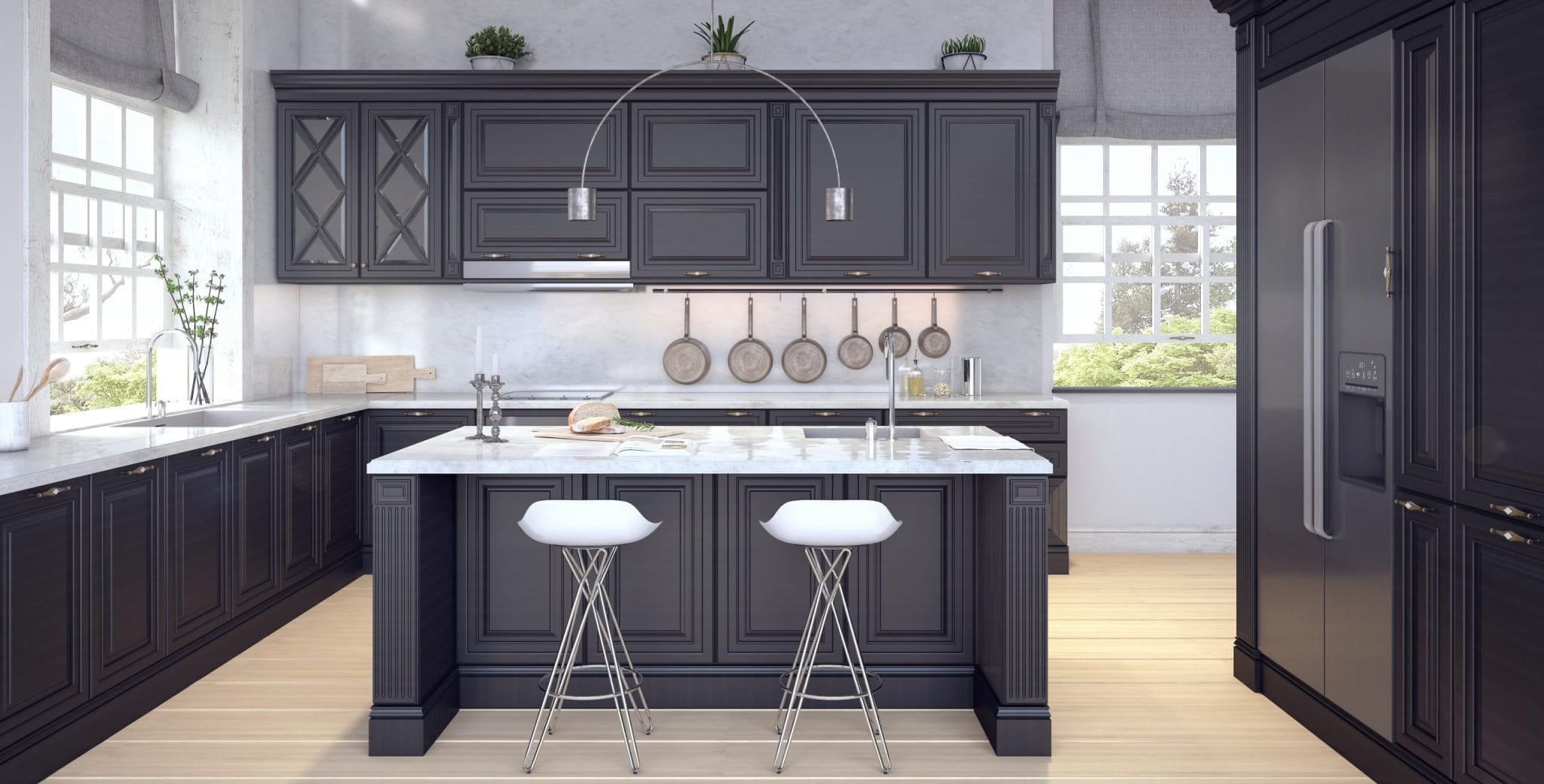
The kitchen has undergone a remarkable transformation in British homes over the past century, evolving from a purely functional service space often hidden from view to the undisputed heart of the contemporary home. Today’s kitchen serves as command center, social hub, and creative workshop—a multifunctional space that reflects our changing lifestyles and values. This exploration delves into the principles that define exceptional kitchen design in the British context, balancing functionality, aesthetics, and sustainability to create spaces that enhance daily life.
The Evolution of the British Kitchen
Understanding contemporary kitchen design requires acknowledging its historical context and evolution:
From Service Space to Social Center
The traditional British kitchen was typically a utilitarian space, separated from the formal living areas and often staffed by servants in wealthier households. The post-war period saw the gradual integration of kitchens into family life, with open-plan arrangements becoming increasingly popular from the 1960s onward.
Today’s kitchen frequently occupies the prime position in the home, with the best light, views, and connection to outdoor spaces. This shift reflects broader social changes: more casual entertaining, changing gender roles, and a renewed interest in cooking as a creative and social activity rather than merely domestic labor.
Cultural Influences and British Distinctiveness
While contemporary British kitchen design draws inspiration from global trends, it maintains distinctive characteristics that reflect local culture and traditions:
The Aga Legacy
The Aga cooker, introduced to Britain in the 1920s, remains an iconic influence on British kitchen design. Beyond the original cast-iron range, its legacy includes a preference for substantial, freestanding elements and cooking as a central focus. Modern interpretations range from faithful reproductions to contemporary appliances that reference this heritage while incorporating advanced technology.
The Scullery Influence
Traditional service areas like sculleries and larders have been reinterpreted in contemporary designs through butler’s pantries, utility rooms, and specialized storage zones. These secondary spaces allow the main kitchen to remain uncluttered and presentable while accommodating necessary but less attractive functions.
Eclectic Sensibility
British kitchen design often embraces an eclectic approach that combines different periods and styles—mixing contemporary appliances with vintage furniture, industrial elements with traditional cabinetry, or sleek surfaces with handcrafted details. This reflects a broader cultural tendency toward individualism and personalization rather than adherence to rigid design formulas.
Spatial Planning: The Foundation of Successful Kitchen Design
Thoughtful spatial planning forms the foundation of any successful kitchen, balancing functional requirements with the specific characteristics of the space and the needs of its users:
Work Triangle and Beyond
The classic “work triangle” connecting refrigerator, sink, and cooking area remains a useful starting point, but contemporary kitchen planning has evolved to address more complex patterns of use:
Activity Zones
Modern kitchens are increasingly organized around distinct activity zones: food storage, preparation, cooking, serving, cleaning, and often socializing or working. Each zone requires appropriate space, equipment, and relationship to adjacent areas. This approach accommodates multiple users working simultaneously without interference—a common requirement in today’s households.
Circulation and Flow
Effective kitchen design considers how people move through and around the space, ensuring unobstructed pathways between key work areas and adjacent rooms. Minimum clearances of 900mm between opposing units allow comfortable passage, while 1200mm is preferable where people regularly pass each other or work back-to-back.
Sight Lines and Connections
Visual connections within the kitchen and to surrounding spaces influence both functionality and experience. Thoughtful design considers what is visible from key positions: the view while cooking might include the garden or dining area, allowing conversation with guests or supervision of children while preparing meals.
Adapting to Architectural Context
Successful kitchen design responds sensitively to the architectural context, whether period property or contemporary construction:
Period Properties
Kitchens in historic buildings balance respect for architectural character with contemporary functionality. This might involve preserving original features like fireplaces or exposed beams while discreetly integrating modern services, or using traditional materials and techniques in ways that complement the building’s heritage.
Contemporary Spaces
In modern architecture, kitchens often form part of larger, open-plan living areas, requiring careful consideration of how they relate visually and functionally to adjacent spaces. Design strategies might include partial screening elements, level changes, or material transitions to define the kitchen zone without erecting barriers.
Challenging Spaces
British homes frequently present spatial challenges that require creative solutions: awkward corners, structural constraints, or unusual proportions. Bespoke design addresses these challenges through customized elements that maximize functionality while turning potential limitations into distinctive features.
Material Selection: Performance, Aesthetics, and Sustainability
Material choices significantly impact both the performance and character of kitchen spaces, with successful designs balancing practical requirements with aesthetic and environmental considerations:
Worksurfaces: The Working Heart
Worksurfaces endure intensive use and define much of the kitchen’s visual character, making their selection particularly significant:
Natural Stone
Marble, granite, and limestone offer distinctive beauty and connection to the British landscape tradition, though with varying performance characteristics. Honed Carrara marble brings classical elegance but requires careful maintenance; granite provides exceptional durability but with less subtle patterning; limestone offers warm tones but greater porosity.
Engineered Composites
Quartz composites like Silestone and Caesarstone combine the aesthetic appeal of stone with enhanced performance characteristics: consistent coloration, non-porosity, and greater impact resistance. These materials have become increasingly popular for their combination of beauty and practicality.
Timber
Wooden worksurfaces bring warmth and tactility to kitchen designs, with oak, walnut, and iroko among the most popular choices. While requiring more maintenance than stone or composites, quality timber develops character with use and can be periodically refinished to extend its lifespan indefinitely.
Innovative Alternatives
Materials like sintered stone (Dekton, Neolith), recycled glass composites, and bio-based surfaces offer expanding possibilities, often with enhanced sustainability credentials. These newer options frequently combine exceptional performance with reduced environmental impact.
Cabinetry: Structure and Expression
Cabinet construction and finishing significantly influence both functionality and aesthetic expression:
Frame Construction
Traditional in-frame cabinetry, where doors sit within a solid timber frame, offers structural integrity and distinctive shadow lines that reference historical precedents. This approach remains popular in classically-inspired kitchens, with companies like Plain English and deVOL specializing in refined interpretations of this tradition.
Frameless Systems
Contemporary frameless construction maximizes internal storage space and creates cleaner lines, with doors overlapping the carcass rather than sitting within a frame. This approach facilitates both minimalist expressions and more efficient space utilization.
Material Palette
Cabinet finishes range from painted timber (offering warmth and the possibility of future color changes) to engineered veneers (providing consistent grain patterns and enhanced stability) and technical surfaces like laminate or lacquer (delivering exceptional durability and color consistency).
Handleless Design
Push-open mechanisms, recessed grips, and integrated handles offer alternatives to traditional hardware, creating cleaner lines and more streamlined appearances. These approaches can reference modernist traditions or create contemporary interpretations of classical forms through their emphasis on proportion and material rather than applied decoration.
Flooring: Foundation and Flow
Floor materials influence both practical performance and how the kitchen connects to surrounding spaces:
Continuous Surfaces
Extending the same flooring from kitchen to adjacent living or dining areas creates visual continuity and flow in open-plan arrangements. Materials like engineered timber, large-format porcelain, or polished concrete work particularly well for this approach.
Zoning Through Material Changes
Changing floor materials can effectively delineate functional zones without physical barriers. This might involve transitions from timber to tile at the cooking area or defining the kitchen zone within a larger space through material boundaries.
Performance Considerations
Kitchen flooring must withstand intensive use, moisture exposure, and potential staining. Porcelain tiles offer exceptional durability and easy maintenance; quality vinyl provides comfort underfoot with practical performance; natural materials like limestone bring character but require appropriate sealing and maintenance.
Equipment Integration: Technology and Functionality
The integration of appliances and technology significantly influences both the functionality and aesthetic coherence of kitchen designs:
Appliance Selection and Placement
Thoughtful selection and positioning of appliances enhances both efficiency and experience:
Cooking Appliances
The cooking zone forms the functional and often emotional center of the kitchen, with options ranging from traditional range cookers to modular configurations combining different cooking methods. Contemporary British kitchens increasingly incorporate specialized elements like steam ovens, teppanyaki plates, or built-in smokers, reflecting growing culinary sophistication.
Refrigeration Strategies
Refrigeration approaches range from statement American-style appliances to fully integrated models concealed behind cabinetry, or distributed systems with separate refrigerator, freezer, and wine storage units positioned according to use patterns. The choice significantly impacts both functionality and visual expression.
Extraction Solutions
Ventilation requirements have evolved with the trend toward open-plan living, demanding quieter operation and more effective odor control. Options range from statement hood designs that create focal points to discreet downdraft systems that preserve sight lines, or ceiling-integrated extractors that disappear from view entirely.
Technology Integration
Digital technologies are increasingly incorporated into kitchen design, enhancing functionality while raising questions about interface design and longevity:
Smart Appliances
Connected appliances offer remote monitoring, automated programs, and integration with home management systems. These technologies can enhance convenience and efficiency but raise considerations about interface design, privacy, and long-term support.
Integrated Charging and Connectivity
Dedicated zones for device charging, integrated speakers, and thoughtfully positioned screens accommodate digital life without allowing technology to dominate. The most successful approaches anticipate changing needs through adaptable infrastructure rather than built-in systems that may quickly become obsolete.
Discreet Integration
Concealing technology when not in use—through pop-up sockets, hidden charging drawers, or cabinetry designed to enclose devices—maintains visual calm while providing functionality when needed. This approach acknowledges technology’s utility while preventing it from dominating the aesthetic experience.
Lighting Design: Functionality, Atmosphere, and Rhythm
Sophisticated lighting design addresses both practical requirements and the creation of atmosphere, with layered approaches that adapt to different activities and times of day:
Functional Illumination
Task lighting ensures safe and comfortable working conditions:
Under-Cabinet Lighting
Linear LED systems provide shadow-free illumination of work surfaces, with options ranging from discreet recessed strips to feature elements with diffusers or directional capabilities. Color temperature selection significantly impacts both functionality and atmosphere, with 2700-3000K typically providing the most flattering light for food and people.
Directional Spotlights
Adjustable spotlights provide focused illumination where needed, particularly valuable for cooking areas where shadows from overhead cabinets might otherwise create problems. Careful positioning prevents unwanted glare or reflections on glossy surfaces.
Integrated Solutions
Lighting incorporated within shelving, drawers, or appliances enhances functionality while creating visual interest. Internal cabinet lighting improves visibility of contents; illuminated shelving creates display opportunities; lit drawer interiors transform storage into feature elements.
Ambient and Accent Lighting
Beyond functional illumination, lighting creates atmosphere and visual interest:
Pendant Features
Decorative pendants over islands or dining areas create focal points while providing practical illumination. These elements often make strong design statements, with options ranging from industrial-inspired metal shades to handblown glass or contemporary LED sculptures.
Architectural Integration
Cove lighting, illuminated niches, or washed walls create depth and dimension without visible light sources. These techniques can highlight architectural features, create the impression of additional space, or add subtle layers of interest to minimal designs.
Programmable Scenes
Preset lighting configurations adapt the space for different activities and times of day: bright, functional light for cooking; subdued, atmospheric settings for dining; security modes when the home is unoccupied. Sophisticated control systems allow these transitions to occur automatically or through simple interface interactions.
Storage Solutions: Organization and Accessibility
Effective storage design balances capacity with accessibility, ensuring items are stored appropriately for their frequency of use and handling requirements:
Zoned Approach
Organizing storage according to activity zones enhances efficiency and intuitive use:
Preparation Zone
Storage adjacent to main preparation areas focuses on frequently used tools, cutting boards, and mixing bowls, with specialized solutions like knife blocks, utensil dividers, or vertical storage for cutting boards ensuring safe and efficient access.
Cooking Zone
Storage around cooking appliances prioritizes heat-resistant tools, spices, oils, and frequently used ingredients, with solutions ranging from traditional spice drawers to contemporary pull-out systems that bring contents forward for easy selection.
Cleaning Zone
Storage around the sink area accommodates cleaning supplies, waste separation systems, and recycling solutions, often with specialized compartments for different categories and moisture-resistant materials that withstand the damp environment.
Ergonomic Considerations
Storage design increasingly considers human factors and ergonomics:
Drawer-Based Systems
Deep drawers have largely replaced traditional base cupboards in contemporary kitchens, offering superior access to contents without bending or reaching. Full-extension mechanisms bring the entire contents into view; divider systems prevent items from shifting during operation; soft-close mechanisms enhance the quality of interaction.
Height-Appropriate Placement
Thoughtful storage design places frequently used items between hip and eye level, with heavier items stored lower and occasionally used items higher. This approach minimizes strain and enhances efficiency in daily use.
Specialized Solutions
Purpose-designed storage addresses specific requirements: vertical dividers for trays and cutting boards; pegboard systems with adjustable pegs for accommodating different pot sizes; dedicated solutions for awkward items like cling film and aluminum foil that resist conventional organization.
Pantry Revival
The traditional pantry has experienced a significant revival, offering dedicated food storage with several advantages:
Temperature Conditions
Separate pantry spaces typically maintain cooler temperatures than kitchens, providing better conditions for storing many foods without refrigeration. Traditional north-facing pantries with stone shelves exemplify this principle, though contemporary versions often use insulation and ventilation to create similar effects.
Visual Calm
Removing packaged foods from the main kitchen reduces visual noise and creates a calmer environment. This separation supports the trend toward kitchen spaces that feel more like living areas, with aesthetic considerations extending beyond purely functional concerns.
Bulk Storage
Dedicated pantry spaces facilitate bulk purchasing and storage, supporting more sustainable shopping habits with reduced packaging and fewer shopping trips. Contemporary pantry design often includes decanting stations for transferring foods to reusable containers, further reducing household waste.
Color and Material Palette: Creating Atmosphere and Character
The selection and combination of colors and materials significantly influences both the atmosphere and perceived spaciousness of kitchen environments:
Color Psychology in Kitchen Spaces
Color choices affect both mood and functionality in kitchen environments:
Neutral Foundations
Neutral palettes remain perennially popular in British kitchens, providing versatility and longevity. Contemporary approaches often layer different neutrals—warm whites, soft greys, natural linens—creating subtle depth through texture variation rather than strong color contrasts.
Accent Strategies
Introducing color through easily changed elements—paint colors, textiles, accessories—allows for periodic refreshment without major renovation. This approach balances the desire for personal expression with practical considerations about investment longevity.
Color Zoning
Using color to define different functional areas creates visual interest while enhancing intuitive navigation. This might involve contrasting island units, feature backsplashes in cooking zones, or color transitions that connect the kitchen to adjacent spaces.
Material Combinations and Layering
Thoughtful material combinations create richness and character:
Textural Contrasts
Juxtaposing different textures—smooth against rough, matte against glossy, regular against irregular—creates visual and tactile interest. This approach is particularly valuable in neutral schemes, where textural variation provides depth without strong color contrasts.
Reflective Elements
Strategically placed reflective surfaces—mirrored splashbacks, polished metal accents, glossy cabinet fronts—bounce light and create the impression of additional space. These elements are particularly effective in smaller kitchens or those with limited natural light.
Natural Accents
Incorporating natural materials and elements—timber details, stone features, botanical displays—connects kitchen spaces to the wider environment and introduces organic variation that complements more consistent manufactured surfaces.
Sustainability Considerations in Kitchen Design
Environmental consciousness increasingly influences kitchen design decisions, from material selection to energy efficiency and waste management:
Material Sustainability
Material choices significantly impact environmental footprint:
Renewable Resources
Materials from renewable sources—responsibly harvested timber, bamboo, cork, linoleum—reduce environmental impact while often bringing distinctive aesthetic qualities. Certification systems like FSC provide assurance about responsible sourcing practices.
Reclaimed Elements
Incorporating reclaimed materials—vintage furniture repurposed as kitchen elements, salvaged timber for worktops or shelving, reclaimed tiles for feature areas—reduces resource consumption while adding character and historical connection.
Circular Thinking
Considering the entire lifecycle of kitchen elements influences both material selection and construction approaches. Mechanical fixings rather than permanent adhesives facilitate future disassembly and material recovery; durable, repairable materials support extended lifespans; biodegradable or recyclable components reduce end-of-life impact.
Energy and Water Efficiency
Resource efficiency considerations extend beyond materials to operational aspects:
Appliance Selection
Energy and water efficiency ratings significantly influence the lifetime environmental impact of kitchen spaces. The most efficient contemporary appliances use dramatically fewer resources than older models, with induction cooking, heat-pump dryers, and water-efficient dishwashers offering particular benefits.
Passive Design Strategies
Orientation, insulation, thermal mass, and natural ventilation can reduce energy requirements without active systems. South-facing kitchen windows capture solar gain in winter; thermal mass in floors or walls stabilizes temperature fluctuations; cross-ventilation reduces cooling needs in summer.
Renewable Integration
Kitchen design increasingly considers integration with renewable energy systems, from solar panels powering electric cooking to heat recovery systems capturing waste heat from refrigeration or drainage. These approaches reduce environmental impact while often providing operational cost savings.
Waste Reduction and Management
Addressing waste through design supports more sustainable daily practices:
Composting Integration
Built-in composting systems—from simple collection containers to more sophisticated aerobic digesters—facilitate responsible organic waste management. These elements are increasingly incorporated into kitchen design rather than treated as afterthoughts.
Recycling Systems
Dedicated recycling zones with separate containers for different materials support proper waste separation. The most effective designs make recycling as convenient as general waste disposal, removing barriers to responsible behavior.
Packaging-Free Support
Storage systems designed for packaging-free shopping—glass jars, cotton bags, stainless containers—facilitate more sustainable consumption patterns. Dedicated decanting stations with scales, funnels, and labeling systems support the transition away from single-use packaging.
The Social Kitchen: Designing for Connection and Interaction
Contemporary kitchens frequently serve as primary social spaces, requiring thoughtful design approaches that balance interaction with functionality:
Island Considerations
The kitchen island has evolved from additional work surface to social focal point:
Dimensional Thinking
Successful islands balance proportions with functionality, typically requiring minimum dimensions of 1000mm width and 2000mm length to accommodate both working and social functions. Larger islands might incorporate level changes or material transitions to define different functional zones.
Seating Integration
Seating arrangements significantly influence social dynamics, with options ranging from casual breakfast bars to more formal dining sections. Considerations include appropriate knee space (typically 300mm depth minimum), comfortable heights (generally lower than standard worktop height), and relationship to work areas.
Functional Zoning
Islands increasingly incorporate multiple functions: preparation space, cooking area, washing zone, casual dining, or workspace. Successful designs clearly define these different functions through level changes, material transitions, or spatial arrangement to prevent conflict between activities.
Connection to Adjacent Spaces
The relationship between kitchen and surrounding spaces significantly influences both functionality and social dynamics:
Visual Connections
Sight lines between kitchen and adjacent living or dining areas maintain connection while allowing separate activities. Partial height divisions, glazed partitions, or strategic furniture placement can create definition without isolation.
Acoustic Considerations
Managing sound transmission between kitchen and living spaces becomes increasingly important in open-plan arrangements. Acoustic strategies might include soft furnishings that absorb sound, appliance selection prioritizing quiet operation, or partial architectural elements that block direct sound transmission without creating visual barriers.
Transitional Spaces
Threshold areas between kitchen and adjacent spaces create valuable transitional zones. These might take the form of breakfast bars that mediate between kitchen and dining areas, butler’s pantries that connect kitchen and formal dining rooms, or architectural elements that create subtle spatial definition without complete separation.
Conclusion: The Art of Kitchen Design
Exceptional kitchen design balances multiple considerations—functional requirements, aesthetic preferences, architectural context, environmental responsibility—to create spaces that enhance daily life. The most successful kitchens achieve this balance not through formulaic approaches but through thoughtful response to specific circumstances: the particular characteristics of the space, the needs and preferences of its users, and the broader context of the home.
The contemporary British kitchen represents a sophisticated evolution of domestic space, reflecting changing lifestyles, values, and technologies while maintaining connection to cultural traditions and architectural heritage. As the recognized heart of the home, the kitchen deserves the careful consideration that comes from understanding both its functional requirements and its emotional significance in daily life.
By approaching kitchen design with this holistic perspective—attending to both practical details and broader experiential qualities—we create spaces that not only function efficiently but enrich our domestic experience, supporting both the practical activities and social connections that make a house a home.