Modern British Bathroom Design: Balancing Heritage and Innovation
The British bathroom has undergone a remarkable transformation in recent years, evolving from a purely functional space to a sanctuary of wellbeing and self-expression. This evolution reflects broader shifts in…
House of Willow Alexander·
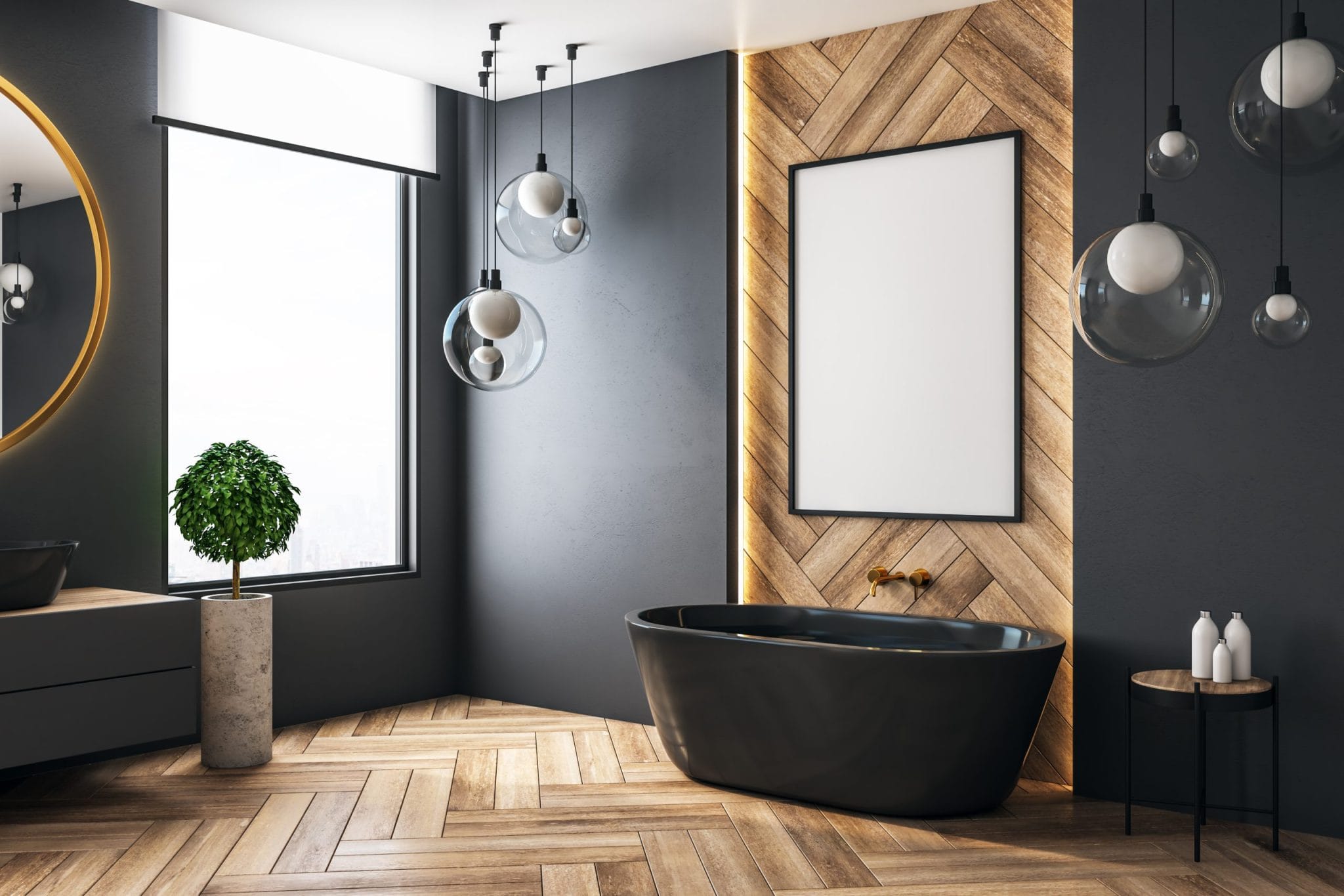
The British bathroom has undergone a remarkable transformation in recent years, evolving from a purely functional space to a sanctuary of wellbeing and self-expression. This evolution reflects broader shifts in how we perceive domestic spaces, with bathrooms increasingly seen as retreats for relaxation and rejuvenation rather than merely utilitarian facilities. Contemporary British bathroom design masterfully balances respect for architectural heritage with forward-thinking innovation, creating spaces that feel both timeless and thoroughly modern.
The Evolution of the British Bathroom
The concept of the bathroom as we understand it today is relatively recent in British architectural history. Until the late 19th century, bathing was typically conducted in portable tubs brought into bedrooms or living spaces, with plumbing limited to the wealthy. The Victorian era saw the gradual introduction of dedicated bathroom spaces with fixed plumbing, though these remained utilitarian in nature.
The early 20th century brought significant advancements, with Art Deco and Modernist influences introducing cleaner lines and more hygienic surfaces. However, it wasn’t until the post-war period that bathrooms became standard in British homes, often characterized by colored suites that now evoke nostalgic sentiments.
Today’s British bathroom represents the culmination of this evolution, with designers drawing inspiration from this rich history while embracing contemporary sensibilities and technological innovations.
Heritage Elements in Contemporary Context
Victorian and Edwardian Influences
The enduring appeal of Victorian and Edwardian bathroom fixtures lies in their combination of ornate detailing and robust functionality. Contemporary designers reference this heritage through:
Freestanding Baths
The freestanding bath remains an iconic element in British bathroom design, with modern interpretations ranging from faithful reproductions of roll-top, claw-foot tubs to sleeker, more sculptural forms. Materials have evolved beyond the traditional cast iron to include lightweight composites, copper, and even wooden varieties, though the silhouette maintains its distinctive presence.
Traditional Brassware
Cross-handle taps, telephone-style shower attachments, and exposed thermostatic valves evoke period authenticity while incorporating modern engineering. Contemporary manufacturers like Lefroy Brooks and Samuel Heath produce heritage-inspired brassware with precision internal components that meet modern expectations for water efficiency and temperature control.
Subway and Encaustic Tiles
The distinctive white subway tile, originally used in London Underground stations, has been reimagined in varied formats, finishes, and laying patterns. Similarly, Victorian-inspired encaustic cement tiles with their bold geometric patterns provide character and historical reference while complementing contemporary design elements.
Country House Aesthetic
The English country house bathroom represents another rich vein of inspiration for contemporary designers:
Painted Timber Vanities
Freestanding or built-in vanity units with painted timber finishes reference traditional furniture forms while providing practical storage. Companies like Neptune and deVOL specialize in cabinetry that bridges historical references with modern functionality.
Natural Materials
Limestone, marble, and wood bring warmth and tactility to bathroom spaces, connecting them to the British landscape tradition. These materials are often combined with contemporary detailing to create spaces that feel both grounded in tradition and freshly relevant.
Botanical Elements
Floral wallpapers, botanical prints, and indoor plants reference the English garden tradition, bringing vitality to bathroom spaces. Contemporary designers often employ these elements in unexpected ways, such as waterproof botanical wallpapers in shower enclosures or oversized floral patterns that create dramatic focal points.
Innovative Approaches to Space and Function
Spatial Considerations
British homes, particularly in urban settings, often present spatial challenges that require creative solutions:
Wetrooms and Walk-in Showers
The wetroom concept has revolutionized bathroom design in smaller British homes, eliminating the need for bulky shower enclosures and creating a sense of spaciousness. Advances in tanking systems, linear drains, and waterproofing technologies have made this approach increasingly accessible, with companies like Schlüter-Systems providing reliable solutions for converting conventional bathrooms to wetrooms.
Compact Luxury
British designers excel at creating luxurious experiences within limited footprints. Space-saving solutions like wall-hung sanitaryware, recessed storage, and multifunctional elements allow even the smallest bathrooms to feel generous and well-appointed. Brands like Duravit and Catalano offer compact fixtures that maintain elegant proportions despite their reduced dimensions.
Zoning Techniques
Thoughtful zoning creates distinct functional areas within bathroom spaces, enhancing both practicality and visual interest. This might involve changes in material, lighting, or level to delineate bathing, washing, and dressing zones without physical barriers that would compromise the sense of space.
Technological Integration
Technology is seamlessly incorporated into contemporary British bathrooms, enhancing functionality without compromising aesthetic integrity:
Digital Showering
Digital shower systems from companies like Aqualisa and Crosswater allow precise temperature and flow control, with programmable presets for different users. These systems can be discreetly integrated into traditional-looking controls, maintaining period aesthetics while delivering contemporary performance.
Integrated Lighting Systems
Sophisticated lighting schemes create atmosphere and enhance functionality, with options ranging from color-changing chromotherapy in baths and showers to motion-activated floor lighting for nighttime use. These systems are increasingly controlled through smart home integration, allowing personalized scenarios for different times of day and activities.
Heating Innovations
Beyond traditional radiators and towel rails, British bathrooms now incorporate underfloor heating, heated mirror pads to prevent condensation, and even warming drawers for towels. These elements enhance comfort while remaining largely invisible, preserving clean design lines.
Sustainable Practices
Environmental consciousness increasingly influences British bathroom design, with sustainability considered alongside aesthetics and functionality:
Water Conservation
Water-saving technologies are now standard in quality British bathrooms, with dual-flush toilets, flow-restricted taps, and efficient showering systems significantly reducing consumption without compromising performance. Manufacturers like Grohe and Hansgrohe lead in developing technologies that maintain satisfying user experiences while minimizing resource use.
Energy Efficiency
Heat recovery systems capture warmth from drain water to preheat incoming cold water, while smart controls prevent energy waste by heating water and spaces only when needed. These innovations reduce the environmental impact of daily bathing routines while often reducing operating costs.
Sustainable Materials
Responsibly sourced materials with transparent supply chains are increasingly prioritized in premium bathroom design. This includes FSC-certified timber, locally quarried stone, recycled glass tiles, and fixtures manufactured with renewable energy. Companies like Fired Earth and Mandarin Stone offer extensive information about the provenance and environmental credentials of their products.
Regional Variations in British Bathroom Design
London Townhouses
In London’s historic townhouses, bathroom design often navigates the tension between preserving period features and creating contemporary functionality:
Architectural Preservation
Original features like ornate cornicing, sash windows, and wooden floorboards are carefully incorporated into bathroom schemes, sometimes protected behind glass screens in wet areas or treated with specialized sealants to withstand bathroom conditions.
Contemporary Insertions
Modern elements are often treated as distinct insertions within historical shells, with clear delineation between old and new. This might involve freestanding structures within larger rooms or contemporary pods inserted into unusual spaces like former closets or landings.
Material Contrasts
The juxtaposition of historical and contemporary materials creates visual interest and clarity, with sleek marble or composite surfaces set against original brickwork or timber, highlighting the dialogue between different eras.
The Future of British Bathroom Design
Wellness Focus
The bathroom increasingly serves as a home wellness center, with features that support physical and mental wellbeing:
Hydrotherapy Options
Advanced bathing systems offer therapeutic benefits through precisely controlled water temperature, pressure, and movement. These range from air-jet systems that maintain water temperature longer to hydrotherapy baths with programmed massage sequences targeting specific muscle groups.
Steam and Sauna Integration
Compact steam showers and sauna facilities are increasingly incorporated into domestic bathrooms, bringing spa experiences into the home. Manufacturers like Effegibi and Tylo offer systems scaled for residential use, with options suitable for even modestly sized bathrooms.
Conclusion: The Distinctive Character of British Bathroom Design
Contemporary British bathroom design distinguishes itself through its thoughtful negotiation between heritage and innovation. Rather than rejecting historical precedents in favor of novelty, or clinging to tradition at the expense of functionality, British designers create bathrooms that acknowledge their architectural context while meeting modern expectations for performance, sustainability, and wellbeing.
This balanced approach produces spaces with distinctive character and longevity, avoiding both the sterility of overly minimalist design and the pastiche of purely historical reproduction. The result is bathrooms that feel appropriate to their setting yet thoroughly contemporary in their experience—spaces that will continue to evolve while maintaining their essential British character.
As we look to the future, British bathroom design will undoubtedly continue to innovate, but its success will likely remain rooted in this thoughtful dialogue between past and present, creating spaces that respect heritage while embracing the possibilities of contemporary living.