
Artisanal British Textiles: Heritage Craftsmanship in Contemporary Design
The world of British textiles represents a unique intersection of storied heritage and contemporary innovation—a realm where centuries-old techniques meet modern design sensibilities to create fabrics and finished pieces of…
House of Willow Alexander·
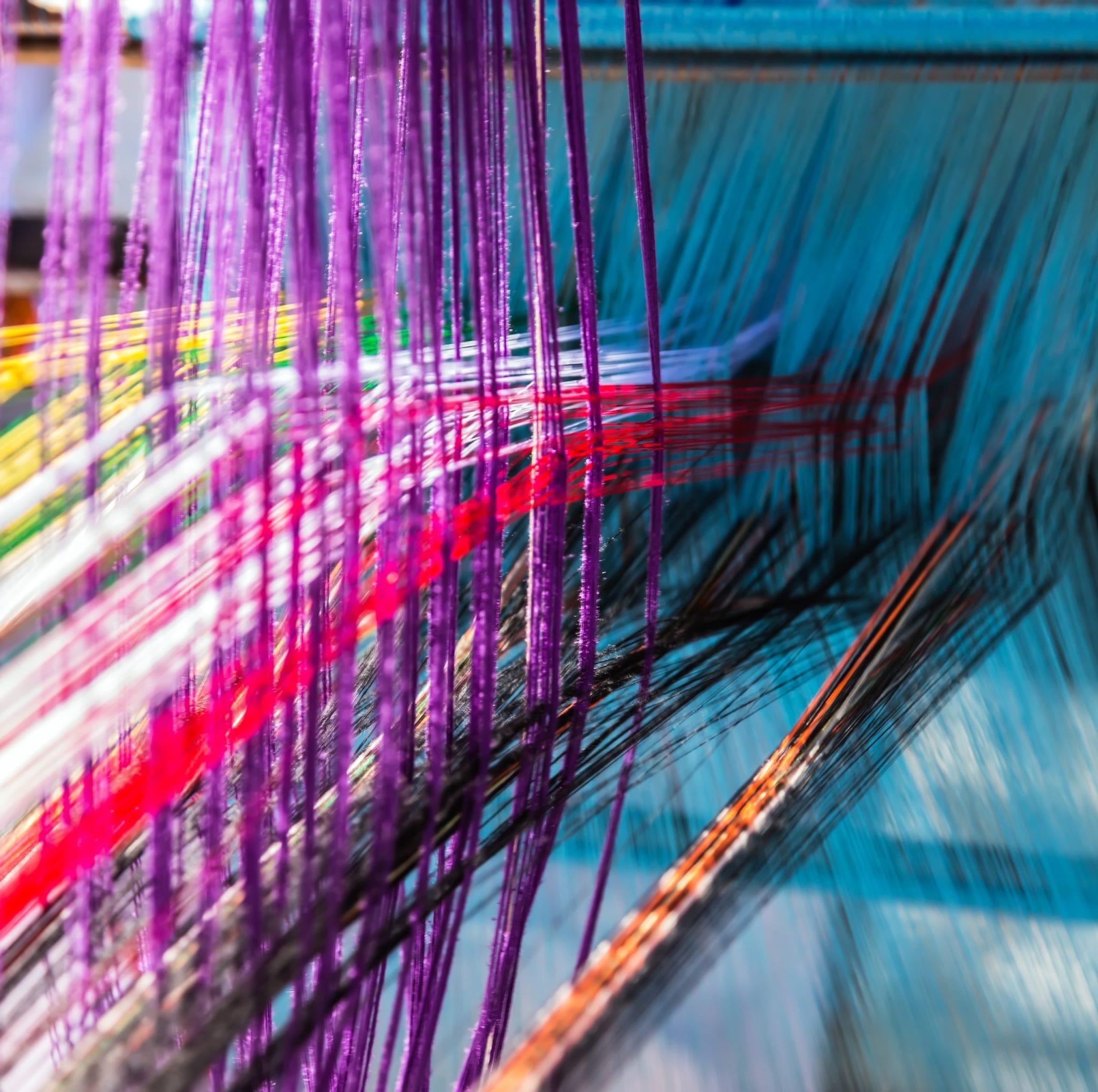
The world of British textiles represents a unique intersection of storied heritage and contemporary innovation—a realm where centuries-old techniques meet modern design sensibilities to create fabrics and finished pieces of exceptional quality and character. From the misty highlands of Scotland to the rolling hills of Wales and the historic mill towns of England, British textile traditions have evolved through generations of master craftspeople who have preserved ancient skills while adapting to changing tastes and technologies. This rich textile landscape offers both historical depth and contemporary relevance, creating materials that connect us to cultural heritage while meeting modern needs for sustainability, individuality, and authentic craftsmanship.
The British Textile Heritage: Understanding Historical Foundations
Before exploring contemporary expressions, it’s worth understanding the historical foundations that continue to influence British textile production.
Regional Textile Traditions
“Britain’s textile landscape has always been characterized by strong regional identities, with distinct traditions emerging from specific geographical areas,” explains textile historian Dr. Emma Richardson. “These regional specializations developed in response to local materials, climate conditions, and cultural influences, creating distinctive textile expressions that remain recognizable today.”
Key regional traditions include:
– Scottish woolens and tweeds: Developed in response to Highland climate, these hardy fabrics evolved from practical necessity to international design icons
– Welsh wool blankets and tapestry: Distinctive geometric patterns and bold color combinations reflecting local aesthetic traditions
– Northern English mill traditions: Industrial-scale production centered in Lancashire and Yorkshire that transformed global textile access while maintaining quality standards
– Irish linen heritage: Exceptional flax processing and weaving techniques creating textiles of remarkable fineness and durability
These regional identities continue to influence contemporary British textile production, providing both technical foundations and distinctive aesthetic languages that distinguish British textiles from those of other traditions.
Technical Innovations and Industrial Heritage
Britain’s central role in the Industrial Revolution fundamentally transformed textile production while establishing technical foundations still relevant today.
“The mechanization of textile production represented perhaps the most significant development of the Industrial Revolution, with British innovations establishing new possibilities for both quantity and consistency,” notes industrial historian Marcus Chen. “These technical developments—from spinning jennies to power looms—created production capabilities that transformed global textile access while establishing Britain as a manufacturing leader.”
This industrial heritage created:
– Manufacturing infrastructure that supported large-scale production
– Technical knowledge that advanced fabric development
– Quality standards that established global benchmarks
– Production systems that balanced efficiency with craftsmanship
This industrial foundation provides contemporary British textile production with both technical capabilities and quality traditions that continue to distinguish its outputs in global markets.
Craft Preservation Through Changing Times
Despite industrialization, Britain maintained remarkable continuity in handcraft traditions that might otherwise have disappeared.
“The preservation of handcraft textile techniques through periods of intensive industrialization represents a distinctive aspect of British textile heritage,” suggests craft historian Charlotte Davies. “This continuity—maintained through guild systems, educational institutions, and cultural valuation—preserved knowledge that might otherwise have been lost while establishing foundations for contemporary craft revival.”
This craft preservation created:
– Unbroken lineages of technical knowledge
– Educational systems that transmitted specialized skills
– Cultural appreciation for handcraft quality
– Economic models that sustained artisanal production
This craft continuity provides contemporary makers with authentic connections to historical techniques rather than requiring rediscovery of lost knowledge, creating genuine heritage rather than reconstructed traditions.
Design Movements and Aesthetic Evolution
British textile history includes significant design movements that continue to influence contemporary aesthetics.
“From William Morris and the Arts and Crafts movement to mid-century modernism and beyond, British design movements have repeatedly transformed textile aesthetics while maintaining connections to craft traditions,” explains design historian Dr. Thomas Blake. “These movements created distinctive visual languages that remain recognizable while establishing philosophical approaches to production that continue to resonate.”
Key design influences include:
– Arts and Crafts movement: Emphasizing handcraft quality, natural materials, and organic motifs
– Art Deco influences: Introducing geometric precision and bold color combinations
– Mid-century modernism: Developing clean lines and abstract patterns while maintaining material integrity
– Contemporary minimalism: Focusing on material quality and subtle detail rather than decorative excess
These design movements provide contemporary makers with rich aesthetic vocabularies that can be referenced, reinterpreted, or deliberately contrasted in current production.
Contemporary British Textile Craftsmanship: Traditional Techniques in Modern Context
Today’s most interesting British textile production often involves traditional techniques applied in contemporary contexts, creating bridges between heritage and innovation.
Handweaving Renaissance: Loom Craft Revival
Traditional handweaving has experienced significant revival, with contemporary weavers bringing fresh perspectives to ancient techniques.
“The handweaving resurgence represents one of the most vibrant aspects of contemporary British textile craft,” notes weaving specialist Olivia Harrington. “This revival combines traditional techniques with contemporary design sensibilities, creating textiles that honor heritage while speaking to current aesthetic preferences.”
Contemporary handweaving approaches include:
– Traditional looms with contemporary designs: Using historic equipment to create modern patterns and textures
– Material experimentation: Combining traditional fibers with unexpected additions like metal threads or recycled elements
– Scale exploration: Creating both intimate accessories and architectural-scale installations
– Digital/analog hybrids: Using digital design tools to plan complex handwoven structures
These approaches create textiles with the distinctive character and quality of handweaving while incorporating contemporary design elements that prevent them from feeling merely historical.
Knitting Beyond Tradition: Contemporary Expressions
Knitting has transcended traditional associations to become a sophisticated contemporary craft medium.
“Contemporary British knitting has evolved far beyond conventional expectations, becoming a versatile medium for both functional and artistic expression,” explains knitwear designer Dr. James Foster. “This evolution maintains technical connections to heritage practices while expanding possibilities through both conceptual approaches and technical innovations.”
Contemporary knitting directions include:
– Architectural knitwear: Creating three-dimensional structures and complex forms beyond conventional garment shapes
– Sustainable approaches: Developing zero-waste construction methods and material reuse strategies
– Technical innovation: Combining hand and machine techniques to create previously impossible structures
– Conceptual expression: Using knitted forms to explore ideas beyond purely functional applications
These expansive approaches transform knitting from traditional craft to sophisticated design medium capable of both practical and expressive applications.
Print and Dye Craft: Color and Pattern Innovation
Surface design techniques like printing and dyeing have experienced particular innovation while maintaining connections to traditional methods.
“Contemporary British textile printing and dyeing often combines historical techniques with modern approaches, creating surfaces impossible through either tradition or technology alone,” suggests print specialist Sophia Williams. “These hybrid approaches maintain connections to craft heritage while achieving results that feel distinctly contemporary.”
Innovative surface approaches include:
– Digital/hand-print hybrids: Combining digital precision with hand-applied elements
– Natural dye revival: Rediscovering historical plant-based coloration with modern application methods
– Resist techniques: Exploring traditional methods like batik and shibori with contemporary design sensibilities
– Experimental surfaces: Developing unconventional textures and effects through process innovation
These surface design approaches create textiles with distinctive character impossible to achieve through purely mechanical production, adding value through both visual interest and process authenticity.
Embroidery and Embellishment: Decorative Traditions Renewed
Decorative textile techniques have found new relevance through contemporary reinterpretation and application.
“Traditional embellishment techniques like embroidery have experienced remarkable revival through contemporary applications that respect heritage while embracing new contexts,” notes embroidery historian Emma Blake. “These approaches maintain technical connections to historical practice while developing fresh aesthetic expressions that prevent them from feeling merely nostalgic.”
Contemporary embellishment approaches include:
– Conceptual embroidery: Using traditional stitches to explore contemporary ideas and narratives
– Mixed-media integration: Combining embroidery with unexpected materials and techniques
– Scale subversion: Creating unexpectedly large or minutely detailed work that challenges conventional expectations
– Functional reconsideration: Applying decorative techniques to unexpected objects and contexts
These innovative approaches maintain connections to decorative heritage while creating results that feel relevant to contemporary design contexts rather than merely reproducing historical styles.
Material Focus: British Fiber Traditions in Contemporary Context
Specific fiber traditions remain central to British textile identity, with contemporary makers finding new relevance in traditional materials.
Wool Renaissance: From Functional Heritage to Luxury Status
British wool traditions have experienced particular revival, with renewed appreciation for both their practical qualities and cultural significance.
“The contemporary wool renaissance reflects growing recognition of this material’s exceptional qualities—from sustainability to performance to aesthetic character,” explains wool specialist Dr. Nathan Harris. “This renewed appreciation has transformed wool from practical necessity to luxury signifier, creating new markets for heritage breeds and traditional processing methods.”
Contemporary wool approaches include:
– Single-flock traceability: Creating textiles from specific sheep flocks with named provenance
– Rare breed preservation: Supporting endangered sheep varieties through premium product development
– Processing transparency: Documenting complete production journeys from shearing to finished textile
– Zero-waste utilization: Developing systems that use all wool qualities for appropriate applications
These approaches create wool textiles with both exceptional quality and compelling narratives that add value beyond purely material characteristics.
Linen Traditions: Flax Heritage in Modern Applications
Linen production maintains strong connections to historical practice while finding contemporary relevance through sustainability credentials.
“British linen traditions represent some of our oldest continuous textile heritage, with techniques refined over centuries to create fabrics of exceptional character and longevity,” notes linen historian Charlotte Moore. “These traditions have found renewed relevance through growing appreciation for linen’s remarkable sustainability profile and distinctive aesthetic qualities.”
Contemporary linen approaches include:
– Local flax revival: Reestablishing regional growing and processing capabilities
– Traditional retting methods: Returning to water and dew retting for superior fiber quality
– Texture exploration: Developing diverse handle characteristics from crisp formality to casual softness
– Natural color preservation: Maintaining flax’s subtle color variations rather than pursuing uniform bleaching
These approaches create linen textiles with exceptional character while connecting to growing interest in sustainable natural fibers with minimal processing requirements.
Luxury Fiber Development: Cashmere, Alpaca, and Beyond
Beyond traditional wool and linen, British producers have developed exceptional capabilities with luxury fibers that combine heritage techniques with premium materials.
“British textile heritage includes remarkable expertise in handling luxury fibers, with specialized knowledge that transforms exceptional raw materials into textiles of extraordinary quality,” explains luxury textile consultant Marcus Blackwood. “This specialized capability allows for creating textiles that compete at the highest global levels while maintaining distinctive British character.”
Luxury fiber approaches include:
– Cashmere processing: Applying specialized techniques to maximize this fiber’s exceptional softness and performance
– Alpaca development: Creating distinctive textiles from both imported and British-raised alpaca
– Rare fiber blending: Developing unique combinations that maximize the qualities of different premium fibers
– Finishing excellence: Applying specialized treatments that enhance natural characteristics while improving performance
These luxury developments create textiles with exceptional quality that compete in global premium markets while maintaining distinctive British character through processing heritage.
Innovative Material Combinations
Some of the most interesting contemporary British textiles involve unexpected material combinations that create new possibilities while respecting traditional techniques.
“Material hybridization represents a particularly exciting direction in contemporary British textiles, with unexpected combinations creating properties impossible in single-fiber constructions,” suggests materials innovation specialist James Montgomery. “These experimental approaches maintain connections to processing heritage while developing new textile possibilities that address contemporary needs.”
Innovative combinations include:
– Natural/technical hybrids: Combining traditional fibers with technical components for enhanced performance
– Recycled material integration: Incorporating post-consumer elements into heritage constructions
– Cross-tradition blending: Combining fibers and techniques from different regional traditions
– Functional enhancement: Adding specific capabilities through strategic material additions
These experimental approaches create textiles with both heritage connections and innovative properties, bridging traditional craftsmanship and contemporary performance requirements.
Production Models: From Micro-Studios to Heritage Mills
Contemporary British textile production spans diverse scales and approaches, from individual makers to historic mills adapting to current markets.
Artisanal Micro-Production: Individual Makers and Small Studios
Individual craftspeople and small studios represent a vibrant sector of contemporary British textile production.
“The proliferation of micro-scale textile producers represents one of the most significant developments in contemporary British craft, with individual makers creating highly distinctive textiles that offer alternatives to mass production,” explains craft economist Dr. Olivia Wright. “These small-scale operations typically emphasize direct maker involvement throughout the production process, creating textiles with particular character and provenance clarity.”
Micro-production characteristics include:
– Direct maker involvement in all production stages from design through finishing
– Small batch production creating limited quantities with exceptional attention to detail
– Distinctive personal aesthetics reflecting individual design voices rather than market trends
– Direct client relationships creating connections between makers and users
These small-scale operations create textiles with particular individuality and character impossible in larger production contexts, offering distinctive alternatives to standardized products.
Cooperative Production Models: Shared Resources and Knowledge
Cooperative approaches allow independent makers to access equipment and expertise beyond individual capabilities.
“Textile cooperatives create particularly effective models for balancing individual creativity with resource efficiency, allowing makers to maintain independence while accessing capabilities beyond individual means,” notes cooperative specialist Thomas Chen. “These shared approaches create sustainable models for craft continuation while fostering knowledge exchange that enhances overall quality.”
Cooperative characteristics include:
– Shared equipment access reducing individual capital requirements
– Knowledge exchange through formal and informal skill sharing
– Marketing collaboration creating stronger collective presence
– Production flexibility allowing scaling according to project requirements
These collaborative models create sustainable frameworks for craft practice while fostering community connections that enhance both technical capabilities and design development.
Heritage Mill Adaptation: Traditional Facilities in Contemporary Markets
Historic textile mills represent important production continuity, with many successfully adapting to contemporary markets.
“The successful adaptation of heritage mills to current market conditions represents a particularly valuable aspect of British textile continuity,” suggests industrial heritage consultant Charlotte Davies. “These facilities maintain important production knowledge and equipment while developing business models appropriate to contemporary realities rather than attempting to compete directly with mass production.”
Successful mill adaptations include:
– Premium positioning focusing on exceptional quality rather than production volume
– Heritage storytelling that adds value through authentic production narratives
– Specialized capability development addressing needs mass production cannot satisfy
– Direct-to-consumer channels reducing dependency on traditional wholesale models
These adaptations allow historic production facilities to remain viable while maintaining important craft knowledge and equipment that might otherwise be lost, creating bridges between industrial heritage and contemporary markets.
Hybrid Production Models: Combining Handcraft and Technology
Some of the most successful contemporary approaches combine handcraft elements with appropriate technology, creating balanced production models.
“Hybrid production represents perhaps the most sustainable approach to British textile continuation, combining handcraft quality with appropriate technological efficiency,” explains production strategist Emma Richardson. “These balanced approaches maintain essential craft characteristics while achieving production scales that create viable business models beyond purely artisanal operation.”
Hybrid approaches include:
– Strategic mechanization of appropriate processes while maintaining handcraft for critical elements
– Digital design tools combined with traditional production techniques
– Efficient materials preparation supporting handcraft finishing processes
– Batch production scheduling that balances efficiency with quality control
These balanced approaches create textiles with authentic craft characteristics while achieving production efficiencies that support sustainable business models, bridging artisanal quality and commercial viability.
Market Evolution: New Contexts for British Textile Craft
Contemporary markets for British textiles have evolved significantly, creating new opportunities for heritage craftsmanship.
Provenance and Transparency: The Value of Production Narratives
Production stories have become increasingly valuable aspects of textile marketing, adding meaning beyond physical characteristics.
“The narrative dimension of contemporary textiles has become an essential component of their value, with production stories creating meaning that transcends purely material considerations,” notes marketing anthropologist Dr. James Foster. “These provenance elements transform textiles from mere objects to cultural artifacts with specific histories and human connections.”
Provenance elements include:
– Maker identification connecting products to specific individuals
– Process documentation revealing production methods and decisions
– Material sourcing transparency identifying specific origins and selection rationales
– Heritage connections linking contemporary production to historical traditions
These narrative dimensions add intellectual and emotional value to physical objects, creating deeper connections between makers and users while justifying premium positioning through authentic differentiation.
Sustainability as Market Driver: Ethical Production Focus
Environmental and social responsibility has become a central consideration in textile valuation and marketing.
“Sustainability considerations have transformed from niche concern to central market driver, with ethical production becoming essential for premium positioning rather than optional enhancement,” explains sustainability consultant Marcus Chen. “This shift has created particular advantages for traditional British production, which often inherently embodies sustainable principles through material selection, production methods, and longevity focus.”
Sustainability elements include:
– Material responsibility through natural fiber focus and local sourcing
– Production ethics including fair labor practices and community support
– Longevity emphasis creating products designed for extended use rather than planned obsolescence
– Circular considerations addressing entire product lifecycles including eventual disposal
These ethical dimensions align traditional British production values with contemporary market concerns, creating natural marketing advantages for heritage approaches that have always emphasized quality and longevity.
Digital Reach with Physical Authenticity: New Market Access
Digital platforms have transformed market access while increasing appreciation for physical authenticity.
“The digital revolution has paradoxically increased valuation of physical authenticity while transforming how handcrafted textiles reach markets,” suggests digital craft specialist Sophia Williams. “This evolution has created unprecedented opportunities for connecting distinctive British textiles with global audiences seeking alternatives to mass production, allowing even small producers to reach appropriate customers worldwide.”
Digital/physical dynamics include:
– Global niche access connecting specialized producers with dispersed but passionate customers
– Direct maker relationships fostered through digital communication alongside physical products
– Process visibility through digital documentation that reveals handcraft authenticity
– Community development around shared appreciation for specific craft traditions
These contemporary market mechanisms allow even small-scale British textile producers to reach appropriate audiences, creating viable business models for traditional craftsmanship that might otherwise struggle in purely local markets.
Collaboration and Cross-Disciplinary Applications
Some of the most interesting contemporary contexts for British textiles involve collaborations across different creative disciplines.
“Cross-disciplinary collaboration has created particularly exciting contexts for British textiles, with traditional craftsmanship finding applications in unexpected fields from architecture to digital technology,” notes creative industries researcher Dr. Nathan Harris. “These collaborative approaches create new relevance for heritage techniques while developing applications that extend beyond conventional textile contexts.”
Collaborative directions include:
– Fashion/art boundaries blurring through textile installations and conceptual garments
– Architectural textiles creating soft structure applications in built environments
– Performance contexts incorporating textiles into theatrical and dance productions
– Wellbeing applications developing therapeutic textiles for health contexts
These expanded applications create new relevance for traditional techniques while developing markets beyond conventional textile products, ensuring continued evolution rather than mere preservation of British textile heritage.
Collecting and Appreciating British Textiles: Connoisseurship Development
Understanding what makes British textiles distinctive helps develop appreciation that supports continued craft practice.
Quality Indicators: Recognizing Exceptional Craftsmanship
Certain characteristics distinguish truly exceptional British textiles from more ordinary production.
“Developing the ability to recognize genuine quality requires understanding specific indicators that reveal exceptional craftsmanship beyond surface appearance,” explains textile connoisseurship educator Emma Blake. “These quality elements often involve subtle details that casual observation might miss but that significantly affect both aesthetic character and functional longevity.”
Quality indicators include:
– Structural integrity revealed through even tension and appropriate construction methods
– Material selection demonstrating understanding of fiber characteristics and appropriate applications
– Finishing excellence showing attention to details that affect both appearance and performance
– Functional appropriateness reflecting thoughtful design for intended use rather than mere decoration
This quality literacy allows for recognizing genuine excellence rather than responding merely to marketing narratives, supporting discerning collection development and appropriate valuation of exceptional craftsmanship.
Building Personal Collections: Acquisition Strategies
Thoughtful collection development creates both personal pleasure and important craft support.
“Developing personal textile collections represents both cultural preservation and craft patronage, creating archives of excellence while supporting continued production,” suggests collecting advisor Charlotte Moore. “Thoughtful acquisition strategies allow for building meaningful collections regardless of budget constraints, focusing on quality and significance rather than merely quantity.”
Collection development approaches include:
– Maker relationships developed through direct purchasing and commission projects
– Regional focus exploring specific British textile traditions in depth
– Technical emphasis collecting examples of particular production methods
– Functional integration acquiring pieces that serve practical purposes while demonstrating exceptional craft
These collecting approaches create personally meaningful textile archives while providing essential economic support for continued craft practice, ensuring traditions remain living expressions rather than historical artifacts.
Care and Preservation: Maintaining Textile Investments
Proper care ensures both longevity and ongoing enjoyment of British textile collections.
“Appropriate textile care represents an essential aspect of collecting, ensuring both physical preservation and continued aesthetic enjoyment,” explains textile conservator Thomas Wright. “Understanding specific requirements for different materials and constructions allows for maintaining textiles in excellent condition while permitting appropriate use rather than requiring museum-like isolation.”
Care considerations include:
– Material-specific cleaning approaches appropriate to particular fibers and constructions
– Storage solutions that prevent damage while allowing accessibility
– Display strategies that permit enjoyment without causing deterioration
– Use protocols balancing functional purpose with preservation concerns
These care practices ensure textile investments maintain both physical integrity and aesthetic quality, allowing for genuine enjoyment while preserving important examples of British craft excellence.
Supporting Living Traditions: Beyond Mere Acquisition
Meaningful engagement extends beyond purchasing to include broader tradition support.
“Supporting British textile heritage involves more than mere acquisition, extending to broader engagement with living traditions that ensure craft continuation,” notes heritage advocate Dr. James Montgomery. “These supportive practices create relationships with craft communities rather than simply consuming their products, fostering ongoing tradition development rather than static preservation.”
Supportive engagement includes:
– Workshop participation developing personal understanding of production processes
– Maker studio visits creating direct connections to production contexts
– Craft advocacy supporting educational programs and public appreciation
– Knowledge sharing contributing to documentation and tradition visibility
These engaged approaches transform textile appreciation from passive consumption to active participation in living traditions, ensuring British textile heritage remains vibrant rather than becoming merely historical reference.
Conclusion: The Continuing Evolution of British Textile Traditions
The world of British textiles represents a remarkable example of heritage remaining relevant through thoughtful evolution rather than rigid preservation. By maintaining connections to historical foundations while embracing contemporary contexts, these traditions demonstrate how craft continuity depends not on freezing practices in time but on allowing them to adapt while maintaining essential quality principles and technical integrity.
The most successful contemporary expressions of British textile heritage share certain characteristics: they honor traditional skills while remaining open to innovation; they maintain material integrity while exploring new applications; they preserve regional distinctiveness while engaging with global influences; and perhaps most importantly, they create objects of genuine quality that justify their existence through both beauty and function rather than mere novelty or nostalgia.
As you explore the world of British textiles—whether as maker, collector, or appreciator—remember that your engagement contributes to living traditions rather than static history. By valuing authentic craftsmanship, supporting ethical production, and developing discerning appreciation, you become part of the ongoing story of British textile evolution—a narrative that connects us to centuries of material culture while continuing to create objects of exceptional quality and character for contemporary life.