The Art of Tablescaping: Creating Memorable Dining Experiences
The art of tablescaping—creating thoughtfully designed table arrangements for dining and entertaining—has evolved from formal tradition to creative expression that enhances gatherings of all kinds. Far beyond mere place settings,…
House of Willow Alexander·
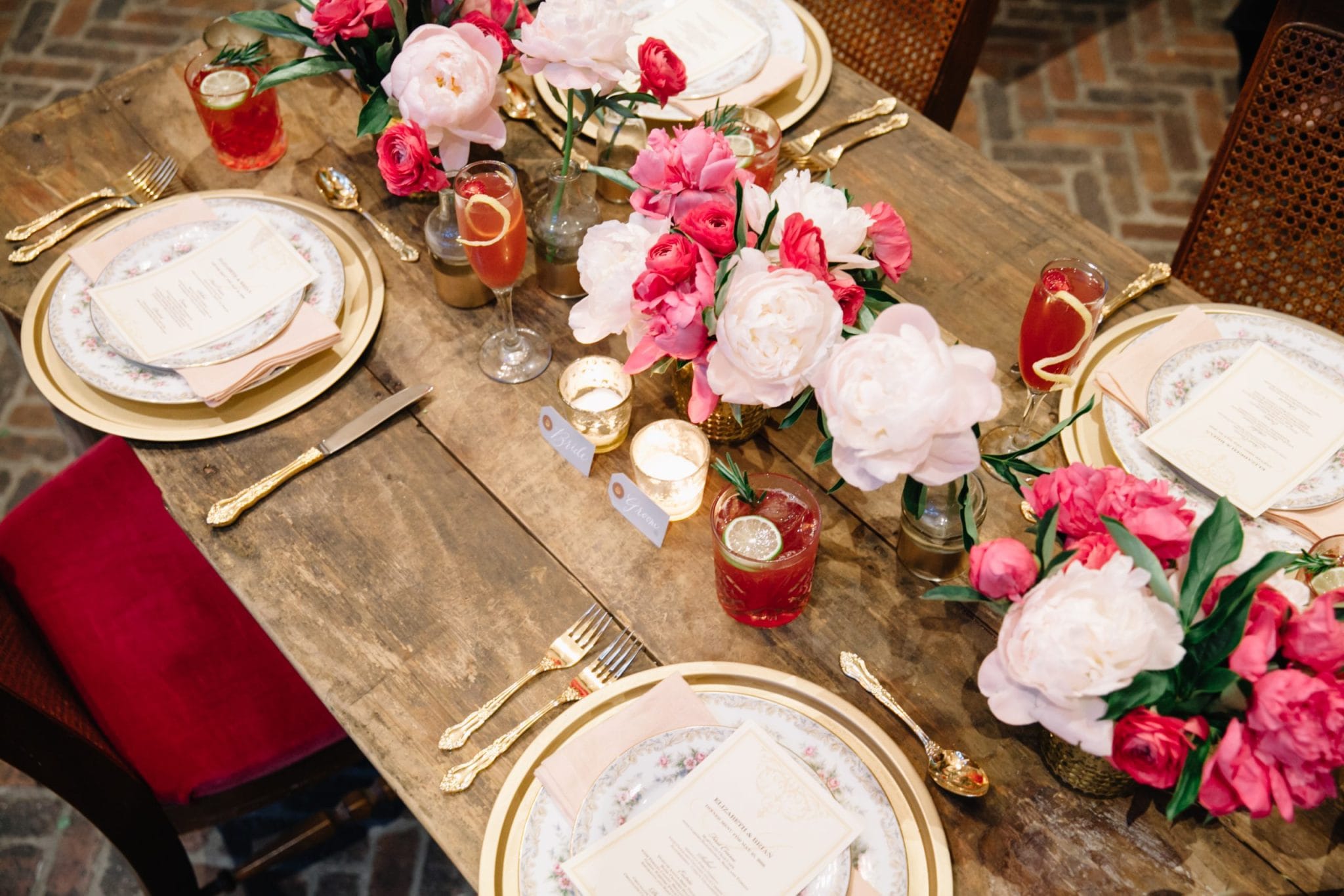
The art of tablescaping—creating thoughtfully designed table arrangements for dining and entertaining—has evolved from formal tradition to creative expression that enhances gatherings of all kinds. Far beyond mere place settings, contemporary tablescaping combines elements of interior design, floral arrangement, personal expression, and practical hospitality to create immersive dining environments that engage all senses. By understanding tablescaping principles and possibilities, you transform ordinary meals into memorable experiences that reflect your personal style while honoring the timeless ritual of gathering around a table.
The Tablescaping Renaissance: Understanding the Trend
Before exploring specific techniques, it’s worth understanding why tablescaping has experienced such significant revival in contemporary entertaining.
From Formal Rules to Creative Expression
“Tablescaping has evolved from rigid etiquette-driven formality to creative personal expression,” explains entertaining historian Dr. Emma Richardson. “While traditional table setting followed strict rules about placement and protocol, contemporary tablescaping emphasizes creative interpretation and personal style while respecting functional necessities.”
This evolution reflects broader cultural shifts toward personalization and individual expression in all aspects of home life, creating opportunities for distinctive entertaining styles beyond conventional formulas.
The Influence of Social Media
Visual platforms have significantly influenced tablescaping’s contemporary popularity and expression.
“Social media—particularly Instagram and Pinterest—has transformed tablescaping from private domestic practice to public creative expression,” notes digital culture analyst Marcus Chen. “These platforms have both democratized table design inspiration and created new audiences for elaborate table settings beyond traditional entertaining contexts.”
This visibility has expanded tablescaping beyond special occasions to everyday meals, seasonal celebrations, and even styled settings created primarily for visual documentation rather than actual dining.
The Multisensory Dining Movement
Contemporary interest in multisensory dining experiences has elevated tablescaping’s perceived importance.
“Research increasingly demonstrates that dining environments significantly affect taste perception and overall experience,” explains sensory design specialist Charlotte Davies. “This understanding has transformed tablescaping from mere decoration to recognized experience design that actively shapes how food tastes and gatherings feel.”
This sensory awareness has created more thoughtful approaches to elements like lighting, scent, texture, and sound as integral components of comprehensive table design.
Connection in Digital Age
Perhaps most significantly, elaborate table settings create meaningful contrast to digital-dominated daily life.
“Thoughtful tablescaping creates intentional spaces for genuine connection increasingly rare in our screen-dominated existence,” suggests social psychologist Dr. Thomas Blake. “These designed environments signal special attention and care that elevates gatherings beyond ordinary interaction, creating memorable shared experiences.”
This connection dimension explains why tablescaping resonates even with those otherwise uninterested in traditional entertaining formalities—it serves psychological needs for meaningful in-person engagement.
Foundational Elements: Building Blocks of Successful Tablescapes
Certain fundamental components form the foundation for all successful table designs regardless of specific style direction.
Linens: Setting the Stage
Table linens establish both practical foundation and aesthetic direction for the entire tablescape.
“Linens represent perhaps the most transformative tablescaping element, instantly elevating ordinary tables while establishing the fundamental color and textural foundation,” explains textile designer Olivia Harrington. “These foundational elements set the tone for everything that follows, from formal elegance to casual comfort.”
Key linen considerations include:
– Tablecloths vs. runners: Choosing between full coverage for formality or exposed table for casual warmth
– Material selection: Balancing visual appeal against practical concerns like stain resistance
– Layering possibilities: Creating depth through multiple textile elements at different scales
– Napkin presentation: Selecting folds and placement that complement overall design direction
These textile foundations create the essential backdrop against which all other elements appear, making their selection particularly consequential for the overall design.
Dinnerware: Functional Centerpiece
Place settings balance practical necessity with significant design impact.
“Dinnerware selections significantly influence both dining functionality and visual impact, serving as the tablescape’s practical centerpiece,” notes tableware designer Dr. James Foster. “These elements require particular attention to both aesthetic and functional considerations, as they directly affect the dining experience beyond mere appearance.”
Important dinnerware considerations include:
– Pattern intensity: Balancing decorative impact against versatility across different tablescapes
– Material characteristics: Considering both aesthetic qualities and practical concerns like weight and durability
– Mixing vs. matching: Deciding between coordinated consistency and eclectic combinations
– Scale appropriateness: Ensuring proper proportions relative to table size and menu requirements
These practical elements occupy significant visual real estate while directly affecting dining functionality, making their selection particularly important for both appearance and experience.
Glassware: Transparent Impact
Glassware adds transparent dimension while serving essential practical functions.
“Glass elements add reflective qualities and vertical dimension while accommodating different beverages,” suggests glassware specialist Sophia Williams. “These transparent components create visual lightness that balances more substantial elements while serving crucial practical purposes.”
Glassware considerations include:
– Quantity decisions: Balancing comprehensive beverage service against table crowding
– Height variation: Creating vertical interest through different glass types and sizes
– Style consistency: Maintaining cohesive design language across different glass types
– Practical appropriateness: Selecting proper glasses for specific beverages being served
These transparent elements add sparkle and dimension while fulfilling essential functional requirements for beverage service.
Flatware: Metallic Accents
Cutlery provides necessary function while adding metallic elements to the overall composition.
“Flatware adds essential metallic notes that complement other materials while providing necessary dining tools,” explains tabletop designer Emma Blake. “These elements add textural contrast and reflective qualities that enhance overall composition beyond their obvious practical importance.”
Flatware considerations include:
– Finish selection: Choosing between traditional silver, gold tones, or contemporary alternatives
– Pattern intensity: Balancing decorative detail against versatility across different settings
– Weight and balance: Considering how pieces feel in hand beyond mere appearance
– Placement precision: Arranging pieces according to both practical sequence and visual impact
These metallic elements add essential material contrast while providing the fundamental tools that make dining possible.
Centerpiece Strategies: Creating Focal Points
Centerpiece elements create visual focus while establishing the tablescape’s conceptual theme and emotional tone.
Floral Arrangements: Natural Focal Points
Flowers and foliage create living focal points with particular emotional impact.
“Floral elements bring life, movement, and organic dimension impossible to achieve through other components,” notes floral designer Charlotte Moore. “These natural focal points create emotional responses through color, scent, and botanical associations while connecting dining experiences to seasonal rhythms.”
Effective floral approaches include:
– Height considerations: Balancing visual impact against conversation interference
– Arrangement styles: Selecting between structured formality and loose naturalism based on overall tablescape direction
– Container selection: Choosing vessels that complement both floral elements and overall table design
– Longevity planning: Considering how arrangements will evolve throughout the event
These living elements add particular vitality to tablescapes while creating powerful emotional associations through scent and botanical symbolism.
Non-Floral Centerpieces: Creative Alternatives
Beyond traditional flowers, numerous centerpiece alternatives offer distinctive focal possibilities.
“Non-floral centerpieces provide opportunities for unexpected creativity while often offering practical advantages like longevity and stability,” suggests creative entertaining specialist Marcus Blackwood. “These alternatives range from natural elements like fruits and branches to completely unexpected objects that create conversation and visual interest.”
Creative centerpiece alternatives include:
– Fruit and vegetable compositions: Creating edible arrangements with seasonal produce
– Candle groupings: Developing compositions with varied heights and vessels
– Collections display: Showcasing thematic object groupings related to the occasion
– Sculptural elements: Incorporating artistic pieces that create distinctive visual focus
These alternative approaches often create more surprising tablescapes while potentially offering practical advantages like lower height, extended longevity, or enhanced stability.
Lighting Elements: Atmospheric Illumination
Lighting creates perhaps the most transformative atmospheric element within tablescapes.
“Table lighting establishes fundamental mood while creating flattering illumination that enhances both food presentation and guest appearance,” explains lighting designer Dr. Nathan Harris. “These elements transform dining atmosphere while creating practical illumination that enhances the overall experience beyond mere decoration.”
Effective table lighting approaches include:
– Candle integration: Incorporating various heights and containers for flickering illumination
– Small lamps: Adding portable lighting sources with distinctive design character
– String lights: Creating magical overhead or table-level illumination
– Specialized fixtures: Incorporating unique lighting elements designed specifically for table settings
These illumination strategies create particular emotional impact while practically enhancing how both food and guests appear throughout the dining experience.
Vertical Elements: Creating Dimension
Vertical components add essential third dimension to otherwise predominantly horizontal tablescapes.
“Height variation creates visual energy while establishing spatial hierarchy that guides attention throughout the composition,” notes spatial designer James Montgomery. “These vertical elements prevent visual monotony while creating more dynamic compositions that maintain interest throughout extended dining experiences.”
Effective vertical strategies include:
– Varied candle heights: Creating rhythm through different candlestick elevations
– Elevated platforms: Raising certain elements above the main table plane
– Suspended components: Hanging elements above the table for dramatic impact
– Architectural pieces: Incorporating structural elements that create framework above table level
These dimensional strategies transform flat arrangements into more engaging three-dimensional compositions that maintain visual interest throughout extended gatherings.
Thematic Approaches: Conceptual Frameworks for Cohesive Designs
Successful tablescapes typically develop from clear thematic directions that guide all element selections and arrangements.
Seasonal Inspiration: Nature’s Calendar
Seasonal themes create particularly resonant tablescapes connected to natural rhythms and shared cultural associations.
“Seasonally-inspired tables create immediate emotional resonance through connections to collective experience of natural cycles,” suggests seasonal design specialist Thomas Wright. “These approaches tap into shared understanding of seasonal characteristics while incorporating naturally available materials appropriate to the specific time of year.”
Seasonal tablescaping typically involves:
– Color palettes reflecting seasonal shifts and natural conditions
– Material selections incorporating seasonally available elements
– Atmospheric qualities echoing the emotional associations of particular seasons
– Symbolic elements referencing seasonal traditions and celebrations
These nature-connected approaches create particularly grounded designs with inherent emotional resonance beyond purely decorative impact.
Cultural and Historical References
Cultural themes draw inspiration from specific traditions, regions, or historical periods.
“Culturally-inspired tablescapes create transportive experiences that reference specific heritage traditions or historical moments,” explains cultural design historian Dr. Olivia Wright. “These approaches range from authentic recreation to contemporary interpretation, creating dining environments that connect to broader cultural narratives.”
Cultural tablescaping approaches include:
– Regional interpretations: Creating settings inspired by specific geographical traditions
– Historical periods: Referencing particular design eras through characteristic elements
– Heritage celebrations: Honoring family or cultural backgrounds through traditional components
– Literary or artistic references: Creating tables inspired by creative works or movements
These culturally-connected approaches add intellectual and narrative dimensions to dining experiences, creating tables that tell specific stories beyond their immediate visual impact.
Color-Driven Concepts
Color-focused themes develop from specific palette directions that guide all element selections.
“Color-centered tablescapes develop from specific chromatic concepts that establish immediate emotional tone while creating strong visual coherence,” notes color theorist Emma Richardson. “These approaches range from monochromatic exploration to complex color relationships that create particular psychological effects and visual energy.”
Color-driven approaches include:
– Monochromatic exploration: Developing depth through different shades and tints of a single hue
– Complementary dynamics: Creating energy through color wheel opposites
– Analogous harmony: Building subtle sophistication through neighboring color relationships
– Unexpected combinations: Developing distinctive character through surprising color pairings
These chromatic approaches create immediate visual impact while establishing specific emotional atmospheres through color psychology effects.
Textural Focus
Texture-centered themes emphasize tactile qualities and material contrasts rather than specific colors or motifs.
“Texture-focused tablescapes create particularly engaging sensory experiences through deliberate tactile variation,” suggests materials specialist Charlotte Davies. “These approaches emphasize how elements feel alongside how they look, creating more complete sensory environments that engage multiple perceptual channels.”
Textural tablescaping typically involves:
– Material diversity: Incorporating varied substances with distinctive tactile qualities
– Surface contrast: Juxtaposing rough against smooth, matte against glossy
– Tactile invitation: Encouraging touch through intriguing textural elements
– Visual texture: Creating perceived tactility through patterns and visual techniques
These touch-centered approaches create particularly immersive sensory environments that engage guests beyond purely visual appreciation.
Practical Considerations: Functionality Within Beauty
Successful tablescapes balance aesthetic impact with practical functionality that supports comfortable dining experiences.
Conversation-Friendly Arrangements
Table designs must facilitate rather than hinder comfortable interaction between guests.
“The primary purpose of gathering around tables involves human connection, making conversation-friendly design essential regardless of aesthetic direction,” explains social dining consultant Marcus Chen. “These practical considerations ensure visual elements enhance rather than impede the fundamental purpose of shared meals.”
Conversation-supporting strategies include:
– Height limitations: Keeping centerpieces below eye level when seated
– Strategic placement: Positioning taller elements between rather than directly between place settings
– Clear sightlines: Ensuring guests can see across the table without visual obstruction
– Acoustic awareness: Avoiding elements that create noise barriers or sound reflection
These practical approaches ensure tablescapes enhance rather than compromise the social experience that represents the primary purpose of gathering.
Menu-Appropriate Settings
Successful tablescapes consider the specific food being served, creating appropriate contexts for particular dining experiences.
“Menu-conscious tablescaping creates harmony between food presentation and table design, ensuring each complements rather than competes with the other,” notes culinary environment designer Dr. James Foster. “These thoughtful relationships enhance both the visual presentation and perceived flavor of dishes through contextual harmony.”
Menu-appropriate considerations include:
– Color compatibility: Ensuring table colors complement rather than clash with food presentation
– Appropriate serviceware: Providing suitable vessels for specific menu items
– Practical clearance: Allowing sufficient space for serving methods required by the menu
– Thematic resonance: Creating conceptual connections between table design and culinary direction
These food-conscious approaches create more cohesive overall experiences where table design and culinary elements feel intentionally connected rather than coincidentally combined.
Space Management and Scale
Successful tablescapes respect spatial realities and scale relationships appropriate to specific tables and rooms.
“Scale-appropriate tablescaping creates designs properly proportioned to their specific contexts, ensuring elements neither overwhelm small settings nor disappear in larger spaces,” explains spatial design specialist Sophia Williams. “These proportional relationships create visual harmony while ensuring practical functionality for actual dining.”
Scale management involves:
– Table size consideration: Adjusting design density appropriate to available surface area
– Proper proportions: Ensuring elements relate appropriately to each other and the overall space
– Clearance planning: Maintaining sufficient room for comfortable dining movements
– Visual weight distribution: Creating balanced compositions appropriate to specific tables
These spatial approaches ensure tablescapes feel properly fitted to their particular contexts rather than appearing either crowded or sparse due to inappropriate scaling.
Practical Service Considerations
Functional tablescapes accommodate the practical realities of serving and enjoying meals.
“Service-conscious tablescaping anticipates the actual mechanics of dining, ensuring beautiful settings remain functional throughout the meal experience,” suggests hospitality consultant Thomas Blake. “These practical considerations prevent common frustrations that undermine otherwise successful designs.”
Service-friendly approaches include:
– Access planning: Ensuring essential elements remain easily reachable
– Stability considerations: Preventing precarious arrangements vulnerable to accidents
– Clearance for serving: Allowing sufficient space for comfortable food distribution
– Adaptability: Accommodating necessary changes as the meal progresses
These practical strategies ensure tablescapes enhance rather than complicate the fundamental purpose of shared dining, creating settings that work as well as they look.
Tablescaping for Different Occasions: Contextual Adaptation
While fundamental principles remain consistent, successful tablescaping adapts to different occasions and contexts.
Everyday Elevation: Daily Table Enhancement
Everyday tablescaping brings design intention to regular meals without requiring elaborate preparation.
“Daily tablescaping creates moments of beauty and intention within ordinary life, elevating regular meals without demanding excessive time or resources,” explains lifestyle design specialist Emma Blake. “These approachable enhancements transform routine dining into more meaningful daily rituals through simple but thoughtful touches.”
Everyday tablescaping typically involves:
– Simplified arrangements: Creating impact through fewer, more impactful elements
– Practical durability: Selecting components that withstand daily use
– Easy adaptation: Developing flexible foundations easily refreshed for different meals
– Maintenance consciousness: Choosing elements that don’t require constant attention
These accessible approaches make design intention part of daily life rather than reserving thoughtful table settings exclusively for special occasions.
Formal Entertaining: Traditional Elegance
Formal occasions call for more elaborate tablescapes that signal special significance and attention.
“Formal tablescaping creates environments that honor significant occasions through elevated design attention and traditional elements that signal special importance,” notes etiquette historian Dr. Charlotte Moore. “These more elaborate approaches communicate the significance of particular gatherings through design language that distinguishes them from everyday meals.”
Formal tablescaping typically involves:
– Complete place settings: Including full complement of appropriate serviceware
– Elevated materials: Incorporating higher-quality linens, dinnerware, and accessories
– Traditional elements: Including conventional formal components like place cards and multiple glasses
– Increased detail attention: Focusing on refined finishing touches and precise arrangement
These more elaborate approaches create dining environments that visually communicate occasion significance through design language that distinguishes special gatherings.
Holiday and Celebration Tables
Celebratory tablescapes incorporate thematic elements specific to particular holidays or special events.
“Celebration-specific tablescaping creates environments that enhance festive occasions through design elements that reference particular traditions and meanings,” suggests celebration design specialist Marcus Blackwood. “These thematic approaches connect dining experiences to broader cultural narratives and personal histories associated with specific events.”
Celebration tablescaping typically involves:
– Symbolic elements: Incorporating items with specific meaning for particular occasions
– Traditional colors: Using chromatic palettes associated with specific celebrations
– Meaningful objects: Including items with personal or cultural significance
– Atmospheric enhancement: Creating distinctive mood appropriate to specific celebrations
These occasion-specific approaches create dining environments that actively contribute to the particular character of special gatherings rather than providing generic backdrops.
Outdoor and Alternative Settings
Tablescaping principles adapt to diverse environments beyond conventional dining rooms.
“Alternative-setting tablescaping applies design principles to unconventional dining environments, creating intentional experiences in diverse contexts,” explains environmental design consultant Olivia Harrington. “These adaptable approaches transform everything from garden picnics to beach dinners into designed experiences rather than merely casual meals in different locations.”
Alternative-setting approaches include:
– Environmental integration: Incorporating surrounding natural or architectural elements
– Practical adaptation: Addressing specific challenges of different environments
– Transportable design: Creating impact through elements that travel effectively
– Weather consciousness: Selecting components appropriate for outdoor conditions
These flexible approaches extend tablescaping beyond conventional dining rooms, creating intentional experiences in diverse environments from gardens to beaches to unexpected indoor locations.
Tablescaping on Different Budgets: Accessibility Across Resources
Thoughtful tablescaping remains accessible across different resource levels through strategic approaches.
Investment Pieces vs. Temporary Elements
Strategic resource allocation creates impact regardless of overall budget.
“Thoughtful budget distribution between lasting foundation pieces and temporary seasonal elements creates sustainable tablescaping practices at any investment level,” suggests entertaining economist Dr. James Montgomery. “This balanced approach builds long-term tablescaping capabilities while allowing for fresh variation through more affordable temporary components.”
Strategic investment typically involves:
– Quality foundations: Allocating resources to well-made basics that endure across many uses
– Versatile neutrals: Investing in adaptable base elements that work across different tablescapes
– Seasonal refreshes: Using more affordable temporary elements for thematic variation
– Gradual collection building: Developing tablescaping resources over time rather than all at once
This balanced approach creates sustainable tablescaping practices that develop over time while allowing for immediate creative expression regardless of current resource level.
Creative Repurposing and Unexpected Elements
Imaginative approaches often create more distinctive tablescapes than conventional components regardless of cost.
“Creative repurposing often creates more memorable and distinctive tablescapes than conventional elements regardless of price point,” notes creative entertaining specialist Thomas Wright. “These imaginative approaches transform unexpected objects into conversation-starting table elements while often reducing overall expense.”
Creative approaches include:
– Household object repurposing: Transforming everyday items into unexpected table elements
– Nature integration: Incorporating freely available seasonal elements from outdoors
– Collection showcasing: Displaying personal collections as distinctive centerpiece alternatives
– Unconventional containers: Using unexpected vessels for floral or candle presentations
These imaginative strategies often create more distinctive and personally meaningful tablescapes than conventional purchased elements regardless of budget level.
Rental and Borrowing Strategies
Temporary access creates possibilities beyond personal ownership, particularly for special occasions.
“Rental and borrowing approaches provide access to special occasion elements without requiring permanent acquisition, expanding possibilities for specific events,” suggests resource sharing consultant Charlotte Davies. “These temporary-access strategies create opportunities for more elaborate or specialized tablescapes than would be practical through ownership alone.”
Temporary access approaches include:
– Specialty rentals: Accessing distinctive pieces specifically for certain occasions
– Friend and family borrowing: Creating expanded possibilities through shared resources
– Community sharing: Participating in formal or informal lending systems
– One-time splurges: Investing in specific special occasion elements while renting supporting components
These flexible approaches expand tablescaping possibilities beyond personal collections, creating special occasion opportunities without requiring permanent acquisition of rarely-used elements.
Digital Enhancement and Documentation
Digital dimensions increasingly complement physical tablescapes regardless of budget level.
“Digital elements—from planning tools to documentation strategies—enhance tablescaping experiences across all resource levels,” explains digital lifestyle specialist Emma Richardson. “These approaches expand possibilities through both preparation resources and experience preservation beyond the gathering itself.”
Digital enhancement includes:
– Planning platforms: Using digital tools to visualize arrangements before creation
– Inspiration curation: Developing personal digital collections of tablescaping ideas
– Enhanced documentation: Creating meaningful records of ephemeral table designs
– Sharing opportunities: Connecting tablescaping experiences with broader communities
These digital dimensions expand tablescaping impact beyond the immediate physical experience, creating both planning resources and lasting documentation regardless of budget level.
Conclusion: The Meaningful Art of Gathering
Tablescaping represents far more than mere decoration—it’s a multisensory art form that transforms dining from basic sustenance to meaningful experience. By thoughtfully designing table environments, we create contexts that enhance both food enjoyment and human connection, turning ordinary meals into memorable gatherings that engage all senses while honoring the timeless ritual of coming together around a table.
The most successful tablescapes balance aesthetic beauty with practical functionality, creating settings that look extraordinary while working effectively for their fundamental purpose. This harmony between form and function distinguishes truly successful table designs from those that prioritize appearance at the expense of comfortable dining experience.
As you develop your own tablescaping practice, remember that the ultimate purpose extends beyond creating photogenic settings to fostering genuine connection and meaningful shared experiences. The most beautiful table remains merely decorative unless it serves this fundamental human purpose—creating environments where people truly gather, not just physically but emotionally and socially, around the unique magic that happens when we share food in thoughtfully created settings.