Sustainable Luxury: The Evolution of Conscious Design
The concept of luxury is undergoing a profound transformation. Once defined primarily by exclusivity, opulence, and conspicuous consumption, luxury is increasingly characterized by intentionality, craftsmanship, and responsibility. This evolution reflects…
House of Willow Alexander·
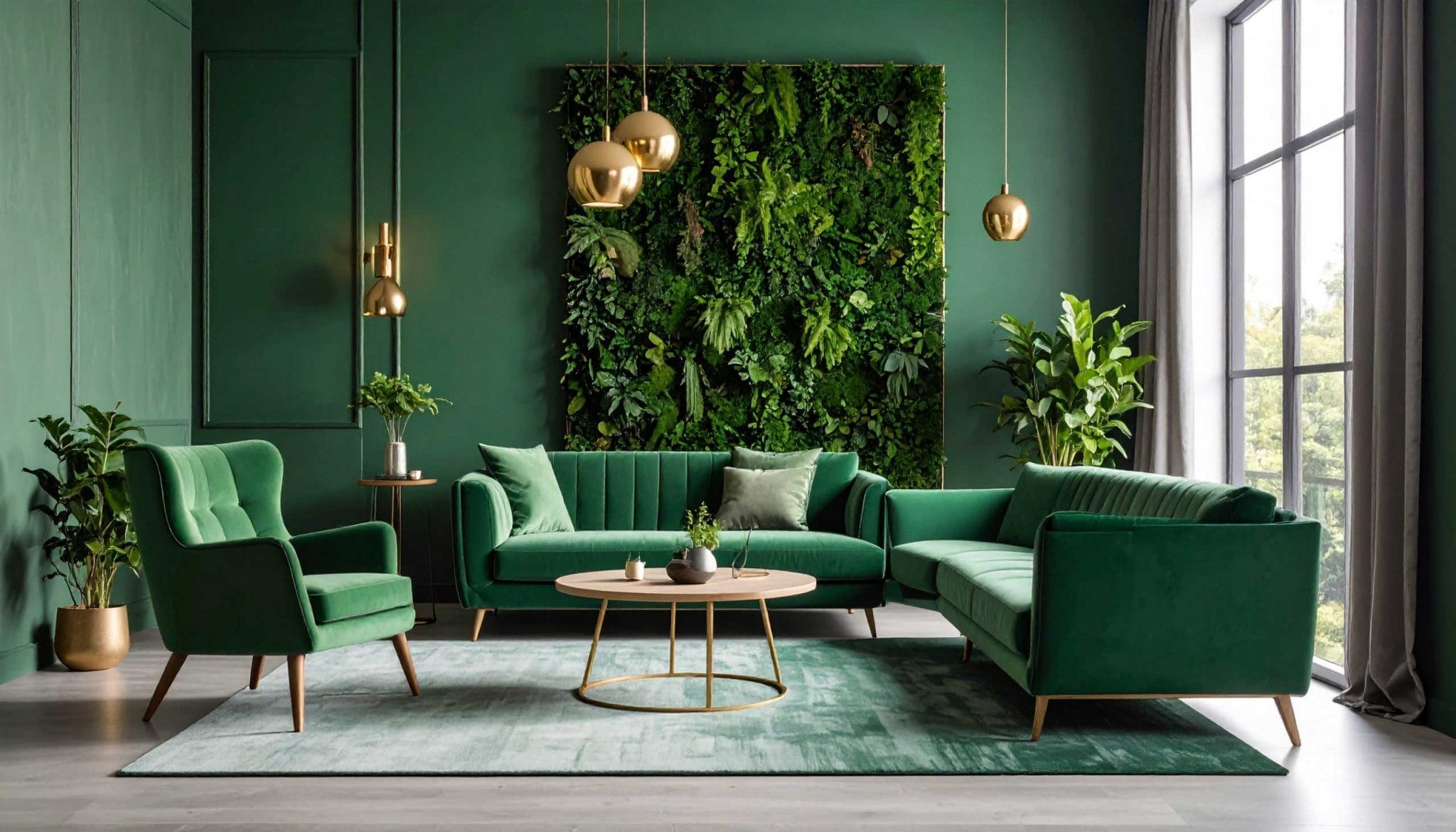
The concept of luxury is undergoing a profound transformation. Once defined primarily by exclusivity, opulence, and conspicuous consumption, luxury is increasingly characterized by intentionality, craftsmanship, and responsibility. This evolution reflects broader societal shifts toward environmental consciousness and ethical consumption, creating new definitions of premium experiences that align with rather than contradict sustainable values. The emerging paradigm of sustainable luxury represents not a compromise between indulgence and responsibility, but rather a more sophisticated understanding of what constitutes true quality and desirability in contemporary contexts.
The Changing Landscape of Luxury
Several fundamental shifts are redefining luxury markets:
Evolving Consumer Values
Changing priorities are reshaping luxury expectations:
Post-Material Affluence
Wealthy consumers increasingly prioritize experiences, knowledge, and meaning over mere material accumulation, creating markets for luxury that transcends physical possession. This shift reflects growing recognition that wellbeing derives more from experiences and purpose than from ownership alone. High-net-worth individuals increasingly invest in transformative experiences, personal growth opportunities, and meaningful connections rather than solely accumulating possessions, suggesting more nuanced understanding of what constitutes genuine quality of life.
Conscious Consumption Rise
Growing awareness of environmental and social impacts is creating consumer demand for products and services that align with personal values beyond traditional luxury signifiers. This consciousness transforms purchasing decisions from purely aesthetic or status-driven to expressions of ethical positioning. Luxury consumers increasingly research production methods, material sources, and corporate practices before making purchasing decisions, indicating that ethical considerations have become integral to rather than separate from premium positioning.
Legacy Consideration
Increasing concern about long-term environmental impacts is shifting preference toward products designed for longevity, repairability, and minimal ecological footprint. This consideration prioritizes lasting value over momentary impact. Investment in pieces designed to appreciate rather than depreciate, preference for items that can be repaired rather than replaced, and growing interest in the ecological footprint of luxury goods all indicate shifting definitions of premium value that incorporate longer timeframes and broader impacts.
Authenticity Demand
Growing skepticism toward mass marketing and corporate messaging is creating preference for transparent, genuine brand stories with demonstrable commitments rather than mere luxury positioning. This demand requires substantive rather than superficial differentiation. Luxury consumers increasingly investigate claims, expect verification of ethical practices, and seek evidence of genuine commitment beyond marketing narratives, suggesting more sophisticated evaluation of brand authenticity that includes ethical dimensions.
Industry Transformation
The luxury sector is adapting to new realities:
Transparency Imperative
Increasing expectations for supply chain visibility and ethical sourcing are transforming previously opaque luxury production processes toward greater disclosure and accountability. This imperative requires fundamental operational changes rather than merely communication adjustments. Luxury brands are implementing blockchain traceability, publishing previously confidential supplier information, and providing unprecedented transparency into production methods, indicating structural rather than superficial industry evolution.
Circular Economy Integration
Growing recognition of resource limitations is shifting luxury business models toward circular approaches including repair services, resale platforms, and material reclamation. This integration transforms linear consumption models toward regenerative systems. Luxury houses establishing dedicated repair departments, brands launching official resale platforms, and designers incorporating reclaimed materials into new collections all demonstrate fundamental business model evolution beyond traditional take-make-dispose approaches.
Regenerative Ambition
Leading luxury brands are moving beyond harm reduction toward net-positive impacts that actively improve environmental and social conditions through their operations. This ambition raises standards from “less bad” to genuinely beneficial. Luxury companies investing in ecosystem restoration, implementing regenerative agricultural practices in supply chains, and developing systems that create positive social impacts demonstrate evolution beyond sustainability toward regenerative business models that create rather than merely preserve value.
Collaboration Expansion
Increasing recognition that sustainability challenges transcend individual companies is fostering unprecedented cooperation between traditional competitors on environmental and social initiatives. This expansion acknowledges that systemic challenges require collective rather than competitive approaches. Industry-wide initiatives addressing climate impacts, joint research into alternative materials, and pre-competitive collaboration on supply chain improvements all indicate recognition that environmental leadership requires cooperation alongside traditional market competition.
Design Evolution
Aesthetic and material approaches are being reconceived:
Material Innovation
Research into sustainable alternatives to traditional luxury materials is creating new aesthetic possibilities while addressing environmental concerns associated with conventional options. This innovation expands creative palettes while reducing ecological impacts. Development of plastic-free sequins, plant-based alternatives to animal leathers, and regeneratively-produced natural fibers all demonstrate how sustainability constraints can drive rather than limit material innovation in luxury contexts.
Aesthetic Recalibration
Evolving understanding of what constitutes desirability is creating new luxury visual languages that celebrate restraint, longevity, and material integrity rather than conspicuous ornamentation. This recalibration represents evolving rather than diminishing sophistication. Growing appreciation for visible mending techniques, celebration of natural material variation, and design approaches that reveal rather than conceal construction methods all indicate shifting aesthetic values that incorporate sustainability principles into definitions of beauty.
Craft Revaluation
Renewed appreciation for artisanal skills and handcrafted elements is elevating traditional techniques within contemporary luxury contexts, often preserving cultural heritage while creating distinctive products. This revaluation recognizes the irreplaceable human dimension of luxury creation. Luxury brands establishing craft academies, highlighting artisan contributions in marketing, and investing in preservation of endangered techniques all demonstrate recognition that human skill represents luxury value that technological advancement cannot replace.
Longevity-Centered Design
Growing emphasis on creating pieces that improve rather than deteriorate with age is shifting design approaches toward materials and constructions that develop desirable patina and character over time. This centering acknowledges that true luxury transcends fashion cycles. Design strategies that anticipate and celebrate aging processes, construction methods that facilitate repair and renewal, and aesthetic approaches that remain relevant beyond seasonal trends all reflect more temporal understanding of luxury that values longevity alongside immediate impact.
Material Approaches to Sustainable Luxury
Different material categories present unique challenges and opportunities:
Timber Expressions
Wood applications demonstrate several sustainable luxury approaches:
Ancient Reclamation
Recovering and repurposing historic woods—from river-recovered logs to architectural salvage—creates materials with exceptional character and narrative while avoiding new harvesting. This reclamation transforms potential waste into premium resources. Furniture crafted from centuries-old river-recovered timber, flooring created from reclaimed historical structures, and decorative elements fashioned from salvaged architectural components all demonstrate how material history can create luxury value while reducing resource demand.
Certification Evolution
Moving beyond basic sustainability certification toward regenerative forestry practices that improve ecosystem health creates timber with exceptional provenance and positive impact. This evolution transforms “do no harm” to actively beneficial sourcing. Luxury brands partnering with forestry operations that increase biodiversity, improve soil health, and enhance carbon sequestration demonstrate how premium positioning can drive positive environmental impacts through supply chain relationships.
Secondary Species Elevation
Developing applications for underutilized wood varieties reduces pressure on overharvested species while creating distinctive aesthetic alternatives to conventional luxury timbers. This elevation expands design possibilities while improving forest management. Designers showcasing the distinctive grain patterns of previously overlooked species, finishing techniques that enhance the natural beauty of alternative woods, and education about the ecological benefits of diverse forestry all contribute to more sustainable timber luxury.
Local Sourcing Celebration
Emphasizing regional timber species and local craftsmanship reduces transportation impacts while creating products with authentic connection to specific places and traditions. This celebration creates geographical distinctiveness within global luxury markets. Furniture collections highlighting timber species native to production regions, transparent communication about harvest locations and distances, and collaboration with local forestry initiatives all demonstrate how geographical connection can enhance rather than limit luxury timber applications.
Textile Innovations
Fabric approaches demonstrate several sustainable luxury strategies:
Fiber Regeneration
Developing closed-loop systems that transform textile waste into new premium fibers creates materials with both performance benefits and compelling sustainability narratives. This regeneration transforms linear consumption into circular resource flows. Luxury garments created from chemically recycled textile waste, premium upholstery fabrics incorporating reclaimed fiber content, and innovative processes that maintain fiber quality through multiple lifecycles all demonstrate how waste streams can become luxury resources.
Regenerative Agriculture
Sourcing natural fibers from farming systems that improve soil health, increase biodiversity, and sequester carbon creates materials with exceptional provenance and positive environmental impact. This agriculture transforms fiber production from extractive to regenerative. Fashion collections featuring wool from regenerative grazing operations, cotton grown using climate-beneficial practices, and linen produced through farming systems that build rather than deplete soil health all demonstrate how agricultural methods can enhance luxury fiber value.
Artisanal Preservation
Supporting traditional textile crafts that maintain cultural heritage while creating exceptional quality and distinctive character preserves irreplaceable knowledge while producing truly unique materials. This preservation maintains human skill traditions that machine production cannot replicate. Luxury brands establishing partnerships with traditional weaving communities, investing in documentation and transmission of endangered textile techniques, and creating contemporary applications for historical methods all demonstrate how cultural preservation can create distinctive luxury value.
Innovative Dyeing
Developing coloration techniques that reduce or eliminate water pollution, toxic chemicals, and excessive resource use creates more responsible luxury textiles without compromising aesthetic quality. This innovation addresses one of textile production’s most significant environmental impacts. Natural dyeing methods that utilize plant waste materials, closed-loop synthetic dyeing systems that eliminate water pollution, and digital printing technologies that dramatically reduce water and chemical use all demonstrate how technical innovation can align luxury aesthetics with environmental responsibility.
Metal Approaches
Precious and decorative metals demonstrate several sustainable luxury directions:
Ethical Sourcing Verification
Implementing rigorous traceability systems for precious metals ensures they are obtained without environmental destruction or human rights abuses, addressing luxury jewelry’s most significant ethical challenges. This verification transforms previously opaque supply chains toward accountability. Blockchain tracking systems that verify gold provenance, direct partnerships with responsible mining operations, and third-party certification of ethical sourcing all demonstrate how transparency can become integral to precious metal luxury value.
Recirculation Systems
Establishing formal programs for recycling existing precious metals reduces demand for new mining while maintaining material quality and creating closed-loop resource systems. This recirculation transforms linear consumption toward circular flows. Jewelry brands offering buy-back programs for previous collections, manufacturing systems that incorporate high percentages of recycled content, and consumer education about the benefits of recirculated precious metals all contribute to more sustainable luxury metal approaches.
Artisanal Mining Support
Developing equitable relationships with small-scale mining communities creates positive social impact while securing distinctive materials with authentic provenance and character. This support transforms often marginalized operations into valued partners. Luxury brands establishing fair trade relationships with artisanal mining cooperatives, investing in environmental improvements for small-scale operations, and telling the stories of the people behind their materials all demonstrate how ethical sourcing can enhance rather than compromise luxury positioning.
Alternative Alloy Development
Creating distinctive metal compositions that reduce dependence on environmentally problematic elements while offering unique aesthetic and performance characteristics expands sustainable luxury possibilities. This development transforms material constraints into innovation drivers. Research into precious metal alloys that maintain luxury appearance with reduced rare element content, development of alternative compositions with distinctive coloration or performance characteristics, and exploration of traditional alloy techniques from various cultural traditions all demonstrate how sustainability considerations can drive material innovation.
Stone Applications
Quarried materials demonstrate several sustainable luxury approaches:
Remnant Elevation
Transforming stone fragments and offcuts traditionally considered waste into distinctive design elements reduces extraction impacts while creating unique aesthetic expressions. This elevation creates value from previously discarded materials. Mosaic techniques that incorporate stone fragments into luxurious patterns, furniture designs that celebrate the distinctive character of offcut pieces, and architectural elements that transform stone remnants into feature installations all demonstrate creative approaches to material efficiency in luxury contexts.
Local Quarry Relationships
Developing direct partnerships with responsibly operated regional quarries reduces transportation impacts while creating authentic connection to specific geological and cultural contexts. This relationship creates geographical distinctiveness within global luxury markets. Interior collections featuring stone from specific regional formations, transparent communication about extraction locations and methods, and long-term partnerships that support quarry environmental improvements all demonstrate how geographical connection can enhance stone’s luxury positioning.
Ancient Stone Reclamation
Recovering and repurposing historical stone elements—from architectural salvage to archaeological remnants—creates materials with exceptional character, patina, and narrative while avoiding new extraction. This reclamation transforms heritage into contemporary luxury resources. Countertops fabricated from salvaged marble slabs, flooring created from reclaimed historical pavers, and decorative elements incorporating ancient stone fragments all demonstrate how material history can create luxury value while reducing resource demand.
Extraction Impact Reduction
Implementing advanced quarrying techniques that minimize environmental disruption, reduce energy use, and enable land restoration creates more responsibly sourced stone without compromising material quality. This reduction transforms extraction processes toward greater sustainability. Quarry operations implementing precision cutting technologies that minimize waste, restoration programs that rehabilitate extraction sites, and energy efficiency measures that reduce carbon footprint all demonstrate how technical innovation can reduce stone’s environmental impact while maintaining its luxury status.
Ceramic Developments
Clay-based materials demonstrate several sustainable luxury directions:
Local Clay Utilization
Sourcing clay from regional deposits and incorporating local mineral elements creates ceramics with distinctive terroir and authentic connection to specific places and traditions. This utilization creates geographical distinctiveness within global luxury markets. Tableware collections featuring clay from specific regional deposits, glazes incorporating local mineral elements, and transparent communication about material origins all demonstrate how geographical connection can enhance ceramic luxury value.
Energy Innovation
Implementing alternative firing techniques and kiln technologies that dramatically reduce energy consumption and carbon emissions creates more sustainable luxury ceramics without compromising quality. This innovation addresses one of ceramic production’s most significant environmental impacts. Solar-powered kiln systems, electric firing technologies using renewable energy, and revival of traditional low-energy firing methods all demonstrate how technical and traditional knowledge can reduce ceramic environmental impact while maintaining luxury positioning.
Waste Stream Integration
Incorporating industrial byproducts and waste materials into ceramic bodies and glazes diverts materials from landfills while creating distinctive aesthetic characteristics unavailable through conventional formulations. This integration transforms potential waste into luxury resources. Porcelain incorporating recycled glass particles, glazes formulated with recovered industrial minerals, and ceramic bodies utilizing byproducts from other manufacturing processes all demonstrate how waste stream materials can create unique luxury expressions.
Repair Celebration
Embracing traditional ceramic repair techniques like kintsugi that highlight rather than hide restoration transforms damage from value diminishment to enhancement, extending product lifespan while creating evolving beauty. This celebration creates ongoing rather than static luxury value. Revival of gold and silver joinery repair techniques, contemporary interpretations of traditional restoration methods, and design approaches that anticipate potential future repair all demonstrate how maintenance can become integral to rather than detracting from luxury ceramic value.
Spatial Applications in Interior Design
Sustainable luxury manifests distinctively across different interior elements:
Architectural Elements
Structural and enclosing components demonstrate sustainable luxury approaches:
Material Honesty
Exposing structural elements and authentic materials rather than concealing them behind decorative layers reduces resource use while creating aesthetic expressions of integrity and transparency. This honesty transforms structural necessity into design feature. Exposed timber framing that reveals structural logic, natural wall finishes that display inherent material beauty, and flooring that celebrates rather than conceals wood’s natural character all demonstrate how material authenticity can create luxury expressions with reduced resource intensity.
Adaptive Reuse Elevation
Transforming existing structures through thoughtful intervention rather than demolition and replacement preserves embodied energy and cultural heritage while creating distinctive contemporary spaces. This elevation creates unique character unavailable in entirely new construction. Conversion of industrial buildings into luxury residences, transformation of historical structures for contemporary functions, and integration of heritage elements within modern contexts all demonstrate how existing buildings can become luxury assets through creative adaptation.
Multifunctional Design
Creating architectural elements that serve multiple purposes simultaneously reduces material requirements while developing sophisticated spatial solutions with inherent efficiency. This design transforms necessity into virtue through creative integration. Staircase designs that incorporate storage functions, structural elements that double as space dividers, and building envelopes that generate energy while providing shelter all demonstrate how multifunctionality can create more intelligent luxury rather than merely reduced impact.
Passive System Integration
Incorporating natural heating, cooling, and lighting strategies reduces operational energy demands while creating distinctive spatial experiences connected to environmental conditions. This integration transforms sustainability necessity into experiential luxury. Courtyards that provide natural ventilation and daylight, thermal mass elements that moderate temperature fluctuations, and strategically placed openings that create natural illumination all demonstrate how passive environmental strategies can enhance rather than compromise luxury spatial experiences.
Surface Treatments
Wall, floor, and ceiling finishes demonstrate sustainable luxury approaches:
Natural Finish Celebration
Utilizing minimally processed surface treatments that reveal rather than conceal inherent material beauty reduces chemical inputs while creating authentic aesthetic expressions. This celebration transforms material honesty into luxury statement. Clay plasters that display subtle natural variation, oil finishes that enhance wood’s inherent character, and stone surfaces that maintain geological features all demonstrate how reduced processing can create more rather than less sophisticated luxury expressions.
Artisanal Application
Employing hand-applied surface techniques creates distinctive character impossible to achieve through mechanical processes while supporting craft traditions and creating human connection. This application maintains irreplaceable skill traditions while creating unique results. Hand-troweled plaster finishes with subtle variations impossible in machine application, traditional lime wash techniques that create luminous depth, and hand-painted decorative elements that display human touch all demonstrate how artisanal processes create luxury value through human skill rather than material excess.
Local Pigmentation
Utilizing regionally sourced color elements—from mineral pigments to plant-derived dyes—creates finishes with authentic connection to specific places while reducing transportation impacts and chemical dependencies. This pigmentation creates geographical distinctiveness within global luxury contexts. Wall finishes incorporating soil pigments from specific locations, naturally derived color palettes reflecting regional landscapes, and traditional dyeing techniques utilizing local plant materials all demonstrate how geographical connection can enhance surface treatment luxury value.
Regenerative Material Selection
Choosing surface materials from regenerative sources that improve rather than deplete environmental conditions creates finishes with exceptional provenance and positive impact narratives. This selection transforms “do no harm” to actively beneficial sourcing. Flooring made from timber grown in regenerative forestry systems, wall coverings utilizing fibers from climate-beneficial agriculture, and finishes incorporating materials from restoration projects all demonstrate how surface treatments can contribute to environmental improvement through thoughtful sourcing.
Furniture Elements
Seating, storage, and tables demonstrate sustainable luxury approaches:
Heirloom Quality Construction
Creating pieces designed for generational longevity through superior construction, timeless design, and material integrity reduces lifecycle impacts while embodying true luxury’s enduring value. This construction transforms furniture from temporary to permanent, consumption to investment. Joinery techniques that allow for repair and maintenance, material selection that improves aesthetically with age, and design approaches that transcend trends all demonstrate how longevity creates both sustainability and authentic luxury value.
Narrative Integration
Incorporating meaningful stories—whether through material provenance, maker relationships, or cultural heritage—creates emotional connections that transcend mere functionality or aesthetics. This integration transforms objects from possessions to meaningful artifacts. Furniture incorporating historically significant materials, pieces created through documented relationships with specific artisans, and designs that reference cultural traditions in respectful, authentic ways all demonstrate how narrative creates distinctive luxury value beyond physical attributes.
Repair Infrastructure
Establishing systems for maintenance, repair, and renewal extends product lifespan while creating ongoing relationships between makers and users that enhance value over time. This infrastructure transforms furniture from disposable to evolving. Brands offering lifetime repair services, designs with easily replaceable components, and finishing approaches that facilitate renewal all demonstrate how maintenance can become integral to rather than separate from luxury furniture value.
Material Efficiency Elevation
Developing designs that maximize material utilization while minimizing waste creates pieces with both environmental benefits and distinctive aesthetic expressions of thoughtful creation. This elevation transforms constraint into creative opportunity. Furniture designs that utilize offcuts in visible ways, production methods that create near-zero waste, and approaches that transform potential scrap into design features all demonstrate how material efficiency can drive rather than limit luxury furniture design.
Lighting Applications
Illumination elements demonstrate sustainable luxury approaches:
Energy Consciousness
Creating lighting designs that provide exceptional illumination quality while minimizing energy consumption demonstrates sophisticated understanding of both technology and environmental responsibility. This consciousness transforms efficiency from compromise to enhancement. Lighting systems utilizing advanced LED technology with superior color rendering, designs that provide appropriate illumination with minimal energy input, and control systems that eliminate unnecessary operation all demonstrate how energy consciousness can enhance rather than detract from luxury lighting experiences.
Material Longevity
Designing lighting elements for durability, repairability, and technological adaptability ensures long-term relevance despite rapid changes in illumination technology. This longevity transforms lighting from temporary to permanent. Fixtures designed with replaceable light sources, construction methods that facilitate component updates, and material selections that develop character over time all demonstrate how lighting can embody enduring rather than ephemeral luxury value.
Artisanal Craft Integration
Incorporating handcrafted elements within lighting design maintains traditional skills while creating unique character impossible to achieve through mass production alone. This integration preserves irreplaceable human knowledge while creating distinctive results. Fixtures featuring hand-blown glass elements, metalwork showing evidence of artisanal technique, and custom components created through traditional craft methods all demonstrate how human skill creates luxury lighting value beyond technological sophistication.
Circular Design Implementation
Creating lighting systems with consideration for eventual disassembly, material reclamation, and component reuse transforms linear consumption toward circular resource flows. This implementation demonstrates foresight beyond immediate market considerations. Lighting designed for easy component separation at end-of-life, material selections that facilitate recycling, and systems for returning and refurbishing used fixtures all demonstrate how circular thinking can become integral to luxury lighting development.
Textile Applications
Fabrics and soft furnishings demonstrate sustainable luxury approaches:
Fiber Integrity
Selecting textiles based on complete lifecycle consideration—from cultivation through disposal—creates pieces with both exceptional quality and responsible environmental profiles. This integrity transforms sustainability from secondary consideration to fundamental quality aspect. Upholstery utilizing wool from regenerative grazing operations, bedding made from organic fibers grown without synthetic pesticides, and decorative textiles created from reclaimed materials all demonstrate how fiber sourcing creates foundation for truly luxurious textile applications.
Artisanal Technique Preservation
Supporting traditional textile crafts through contemporary applications maintains cultural heritage while creating pieces with human connection and distinctive character impossible in mass production. This preservation maintains irreplaceable knowledge while creating unique expressions. Hand-loomed fabrics created using traditional techniques, embroidery incorporating cultural motifs executed by skilled artisans, and weaving patterns that maintain regional traditions all demonstrate how craft preservation creates distinctive luxury textile value.
Coloration Responsibility
Utilizing dyeing and printing approaches that minimize environmental impact while creating exceptional color quality demonstrates sophisticated understanding of both aesthetics and ecological responsibility. This responsibility addresses one of textile production’s most significant environmental challenges. Natural dyeing using plant-based pigments, printing techniques that dramatically reduce water consumption, and coloration approaches that eliminate toxic chemicals all demonstrate how responsible processes can create rather than compromise luxury textile aesthetics.
Maintenance Design
Creating textiles with consideration for cleaning, repair, and renewal extends product lifespan while reducing lifecycle impacts of maintenance activities. This design transforms care from burden to value enhancement. Fabrics selected for appropriate cleanability without harsh chemicals, construction methods that facilitate repair and renewal, and design approaches that anticipate and accommodate natural wear patterns all demonstrate how maintenance consideration becomes integral to textile luxury.
Creating Sustainable Luxury: Practical Approaches
Several strategies help develop successful sustainable luxury:
Authenticity Development
Building genuine sustainability credentials:
Substantive Implementation
Developing real environmental and social improvements before communicating them externally creates genuine sustainability rather than mere marketing narratives. This implementation prioritizes action over communication. Investing in supply chain improvements before making public claims, establishing measurable impact goals with transparent reporting, and addressing challenging issues rather than focusing only on easily achievable improvements all demonstrate commitment to substantive rather than superficial sustainability.
Holistic Assessment
Evaluating environmental and social impacts across entire product lifecycles—rather than focusing on isolated aspects—creates more complete understanding of actual sustainability performance. This assessment prevents unintended consequences and misleading claims. Conducting comprehensive lifecycle analyses that identify all significant impacts, addressing multiple sustainability dimensions simultaneously, and avoiding narrow focus on single attributes that might mask other concerns all contribute to more genuine sustainability luxury positioning.
Continuous Improvement Commitment
Acknowledging sustainability as ongoing journey rather than achieved destination creates authentic narrative of progress while avoiding false claims of perfection. This commitment demonstrates humility alongside ambition. Establishing transparent reporting on both achievements and continuing challenges, setting increasingly ambitious targets as initial goals are met, and openly discussing areas still requiring improvement all create more credible sustainability luxury narratives.
Stakeholder Engagement
Involving various perspectives—including environmental experts, affected communities, and critical voices—in sustainability strategy development creates more robust approaches while demonstrating genuine commitment to improvement. This engagement transforms sustainability from internal initiative to collaborative effort. Establishing advisory boards including independent experts, consulting with communities affected by sourcing or production activities, and responding constructively to critical feedback all demonstrate authentic commitment to meaningful sustainability.
Narrative Development
Communicating sustainable luxury effectively:
Story Integration
Weaving sustainability seamlessly into brand narratives rather than treating it as separate consideration creates more authentic and compelling luxury positioning. This integration transforms sustainability from addition to foundation. Incorporating environmental and social responsibility into core brand values, connecting sustainability initiatives to brand heritage and expertise, and treating responsible practices as fundamental rather than supplemental all create more authentic sustainable luxury narratives.
Transparency Commitment
Providing honest, detailed information about both achievements and challenges builds credibility while educating consumers about complex sustainability realities. This commitment transforms communication from marketing to education. Publishing comprehensive impact reports that address both positive and negative aspects, providing specific rather than vague information about practices and materials, and acknowledging areas still requiring improvement all contribute to more credible sustainable luxury communication.
Emotional Connection Cultivation
Developing narratives that connect sustainability to personal values and experiences creates more compelling engagement than abstract environmental claims alone. This cultivation transforms sustainability from obligation to aspiration. Telling stories about specific people involved in creating products, connecting environmental benefits to tangible outcomes consumers care about, and framing sustainability in terms of legacy and future generations all create more emotionally resonant sustainable luxury narratives.
Evidence Provision
Supporting sustainability claims with specific, verifiable information prevents greenwashing while building credibility with increasingly knowledgeable consumers. This provision transforms assertions into demonstrable facts. Providing third-party certification of environmental claims, offering specific metrics rather than vague statements, and creating transparency into supply chains and production methods all build credibility for sustainable luxury positioning.
Design Methodology
Creating products embodying sustainable luxury:
Lifecycle Design Integration
Considering entire product lifecycles—from material sourcing through eventual disposal or reclamation—during design process creates more comprehensively sustainable outcomes. This integration transforms design from product creation to system thinking. Selecting materials based on both immediate qualities and end-of-life scenarios, designing for eventual disassembly and material reclamation, and considering maintenance and repair requirements all contribute to more holistically sustainable luxury design.
Longevity Prioritization
Creating designs intended for generational timeframes rather than seasonal fashion cycles reduces environmental impact while embodying true luxury’s enduring value. This prioritization transforms luxury from trendy to timeless. Selecting materials that develop character with age rather than deteriorating, employing construction methods that facilitate repair and renewal, and creating aesthetic expressions that transcend short-term trends all demonstrate how longevity creates both sustainability and authentic luxury value.
Constraint Creativity
Embracing sustainability parameters as creative catalysts rather than limitations generates innovative solutions that turn necessity into distinctive design expressions. This creativity transforms constraints from restrictions to opportunities. Using material limitations to drive novel formal solutions, developing new aesthetic expressions from recycled resources, and creating innovative construction methods that reduce environmental impact all demonstrate how sustainability parameters can enhance rather than restrict luxury design.
Multifunctional Efficiency
Designing products that serve multiple purposes simultaneously reduces material requirements while creating more sophisticated solutions with inherent efficiency. This efficiency transforms necessity into virtue through creative integration. Furniture pieces that adapt to different functions, accessories that serve multiple purposes, and spaces designed for various activities all demonstrate how multifunctionality can create more intelligent luxury rather than merely reduced impact.
Business Model Evolution
Developing sustainable luxury enterprises:
Service Integration
Incorporating maintenance, repair, and renewal services into business models extends product lifespans while creating ongoing customer relationships beyond initial purchase. This integration transforms transactions into relationships. Establishing dedicated repair departments, offering reconditioning services for previous purchases, and creating maintenance programs that preserve product quality all demonstrate how service can become integral to rather than separate from luxury business models.
Circular System Development
Creating infrastructure for product take-back, material reclamation, and component reuse transforms linear consumption toward circular resource flows. This development demonstrates foresight beyond immediate market considerations. Establishing formal buy-back programs for previous products, developing systems for disassembling and reusing components, and creating secondary markets for reconditioned items all contribute to more circular luxury business models.
Rental and Access Expansion
Offering temporary use options alongside traditional ownership creates more accessible luxury experiences while potentially reducing overall production volume and resource use. This expansion transforms luxury from exclusively ownership-based to experience-inclusive. Developing high-quality rental programs for occasional-use items, creating subscription models for regularly refreshed experiences, and establishing sharing platforms for underutilized luxury goods all represent evolving approaches to luxury access beyond traditional ownership.
Collaborative Value Creation
Developing equitable partnerships throughout supply chains—from material producers through artisans to end users—creates more resilient business ecosystems while addressing luxury’s historical power imbalances. This creation transforms extraction-based models toward mutual benefit. Establishing fair trade relationships with material producers, developing long-term partnerships with manufacturing communities, and creating transparent value distribution throughout supply chains all contribute to more equitable and sustainable luxury business models.
Future Directions in Sustainable Luxury
Several emerging areas suggest continued evolution:
Material Frontiers
Developing resources for tomorrow’s sustainable luxury:
Biotechnology Integration
Utilizing biological processes to create luxury materials—from lab-grown alternatives to traditional animal products to engineered organisms producing novel fibers—suggests entirely new material categories with reduced environmental impacts. This integration creates luxury materials through biology rather than extraction. Laboratory-cultivated leather alternatives with performance characteristics matching or exceeding animal products, microorganisms engineered to produce silk proteins without silkworms, and mycelium-based materials with luxury performance characteristics all represent biological approaches to sustainable luxury material development.
Carbon-Negative Materials
Developing materials that sequester more carbon than they emit during production creates resources with climate benefits beyond mere impact reduction. This development transforms materials from environmental problem to solution. Building materials that incorporate atmospheric carbon, textiles made from fibers grown in carbon-sequestering agricultural systems, and products utilizing materials from ecosystem restoration projects all demonstrate how luxury materials can actively address rather than merely minimize climate impacts.
Waste Stream Alchemy
Transforming previously discarded materials into premium resources through advanced recycling and upcycling technologies creates circular material flows while developing distinctive new aesthetic possibilities. This alchemy converts perceived problems into valuable assets. Luxury textiles created from chemically recycled fiber waste, premium composites incorporating industrial byproducts, and decorative elements fashioned from reclaimed ocean plastics all demonstrate how waste streams can become luxury resources through technological innovation and creative vision.
Traditional Material Revival
Rediscovering historical materials and techniques with inherent sustainability advantages creates distinctive luxury expressions while preserving cultural knowledge often more environmentally sound than industrial alternatives. This revival connects heritage wisdom with contemporary needs. Natural pigments replacing synthetic dyes, traditional binders reducing petrochemical dependence, and historical construction methods eliminating energy-intensive modern alternatives all demonstrate how past knowledge can address present sustainability challenges in luxury contexts.
Technological Integration
Leveraging innovation for sustainable luxury:
Digital Material Reduction
Utilizing advanced design and manufacturing technologies to achieve maximum efficiency in material utilization creates both environmental benefits and distinctive aesthetic expressions of precision and intention. This reduction transforms constraint into virtue through technological sophistication. Computational design optimizing material distribution for maximum structural efficiency with minimum resource use, digital fabrication eliminating waste through precise cutting and forming, and parametric approaches creating material-efficient solutions for specific requirements all demonstrate how technology enables more rather than less sophisticated luxury with reduced material intensity.
Verification Technology
Implementing systems that provide irrefutable authentication of sustainability claims—from blockchain traceability to isotope testing—creates consumer confidence while ensuring accountability throughout supply chains. This verification transforms assertions into demonstrable facts. Blockchain systems tracking materials from source through production to consumer, scientific testing verifying material origins and processing methods, and digital platforms providing unprecedented supply chain transparency all contribute to more credible sustainable luxury through technological verification.
Virtual Experience Integration
Developing digital components that enhance physical luxury while potentially reducing material requirements creates hybrid experiences that maintain exclusivity with lower environmental impact. This integration expands luxury beyond purely material expressions. Augmented reality systems revealing product narratives and creation processes, digital platforms connecting consumers directly with makers, and virtual experiences complementing physical products all represent evolving approaches to luxury that reduce exclusive reliance on material consumption.
Predictive Sustainability
Utilizing artificial intelligence and data analysis to anticipate environmental and social impacts before they occur enables proactive rather than reactive sustainability approaches. This sustainability transforms management from responsive to preventive. AI systems identifying potential supply chain disruptions from climate impacts, predictive modeling revealing unintended consequences of material substitutions, and data analysis optimizing production processes for minimal environmental impact all demonstrate how technology enables more sophisticated sustainable luxury decision-making.
Consumer Evolution
Changing relationships with luxury consumption:
Connoisseurship Redefinition
Evolving understanding of expertise to include sustainability knowledge alongside traditional quality appreciation creates more sophisticated evaluation criteria for truly discerning luxury consumers. This redefinition transforms expertise from purely aesthetic to holistically evaluative. Growing consumer interest in production methods and material sources, increasing knowledge about environmental and social impacts of luxury goods, and evolving appreciation for responsible practices all indicate more sophisticated luxury connoisseurship that incorporates sustainability alongside traditional quality criteria.
Community Identification
Growing desire to signal membership in forward-thinking, responsible consumer groups rather than merely displaying wealth is creating new luxury consumption patterns based on shared values rather than exclusivity alone. This identification transforms luxury from separation to connection. Preference for brands with demonstrated environmental commitments, interest in products that represent specific ethical positions, and desire for luxury expressions that connect rather than distinguish consumers from meaningful communities all indicate evolving social functions of luxury consumption.
Post-Ownership Models
Increasing interest in experiences, access, and services rather than permanent possession is creating luxury markets less dependent on continuous material acquisition. This evolution transforms luxury from having to experiencing. Growing preference for exceptional temporary experiences over permanent ownership, interest in subscription models providing regularly refreshed luxury access, and willingness to share or rent high-quality items all indicate evolving relationships with luxury less dependent on continuous acquisition.
Legacy Consideration
Growing concern about long-term environmental impacts is shifting luxury consumption toward items intended for generational timeframes rather than seasonal replacement. This consideration prioritizes lasting value over momentary impact. Increasing investment in pieces designed to appreciate rather than depreciate, preference for items that can be repaired rather than replaced, and growing interest in the ecological footprint of luxury goods all indicate shifting definitions of premium value that incorporate longer timeframes and broader impacts.
Industry Transformation
Structural changes in luxury sectors:
Regenerative Certification
Evolving beyond basic sustainability standards toward verification of actively beneficial impacts creates new premium positioning based on positive rather than merely reduced negative effects. This certification transforms “less bad” to genuinely good. Development of standards verifying carbon sequestration in agricultural supply chains, certification systems for biodiversity enhancement through material sourcing, and verification of positive social impacts through production activities all represent evolving approaches to luxury that prioritize regenerative rather than merely sustainable practices.
Valuation Recalibration
Incorporating environmental and social impacts into formal financial valuations of luxury companies creates market mechanisms that reward genuine sustainability leadership. This recalibration transforms sustainability from ethical choice to economic necessity. Investment frameworks that assess climate risk exposure in luxury brand portfolios, valuation models that incorporate potential future regulation impacts, and financial analysis that recognizes reputation risks from unsustainable practices all contribute to economic systems that reward rather than penalize sustainable luxury leadership.
Collaboration Expansion
Growing recognition that sustainability challenges transcend individual companies is fostering unprecedented cooperation between traditional competitors on environmental and social initiatives. This expansion acknowledges that systemic challenges require collective rather than competitive approaches. Industry-wide initiatives addressing climate impacts, joint research into alternative materials, and pre-competitive collaboration on supply chain improvements all indicate recognition that environmental leadership requires cooperation alongside traditional market competition.
Regulatory Anticipation
Proactively exceeding current environmental and social responsibility requirements in anticipation of future regulation creates competitive advantage while demonstrating genuine commitment beyond compliance. This anticipation transforms sustainability from obligation to strategic positioning. Voluntary adoption of stringent standards before they become mandatory, investment in technologies and processes that exceed current requirements, and development of business models resilient to anticipated regulatory changes all demonstrate how regulatory foresight creates sustainable luxury leadership.
Conclusion: Redefining Luxury for a New Era
The evolution of sustainable luxury represents not a compromise between indulgence and responsibility, but rather a more sophisticated understanding of what constitutes true quality and desirability in contemporary contexts. As environmental awareness grows and values shift, luxury increasingly encompasses thoughtful creation, meaningful narratives, positive impacts, and enduring value rather than merely exclusivity, opulence, or conspicuous consumption. This evolution reflects broader societal recognition that genuine quality of life derives more from purpose, connection, and responsibility than from material accumulation alone.
Perhaps most significantly, sustainable luxury is helping redefine success beyond narrow financial metrics to include environmental stewardship, social responsibility, and cultural contribution. By demonstrating that premium experiences can align with rather than contradict sustainable values, luxury brands have unique opportunity to influence broader consumption patterns and business practices. Their visibility and aspirational position creates potential to normalize sustainability as integral to rather than separate from desirability, potentially accelerating broader market transformations toward more responsible production and consumption.
The most compelling sustainable luxury approaches share several characteristics: they are substantive rather than superficial, addressing root causes rather than symptoms; they are holistic rather than fragmented, considering entire systems rather than isolated elements; they are authentic rather than performative, reflecting genuine values rather than marketing convenience; and they are innovative rather than restrictive, using sustainability parameters as creative catalysts rather than limitations. These approaches transform sustainability from constraint to opportunity, from compromise to enhancement, and from obligation to aspiration.
Looking forward, sustainable luxury will likely continue evolving toward increasingly regenerative models that create positive impacts rather than merely reducing negative ones. This evolution represents not merely a response to environmental necessity but an opportunity to redefine luxury itself in more meaningful, sophisticated terms—terms that acknowledge our interconnection with natural systems, our responsibility to future generations, and our capacity to create beauty that enhances rather than diminishes the world around us. In this context, true luxury becomes not what we can extract from the world, but what we can thoughtfully create and return to it.