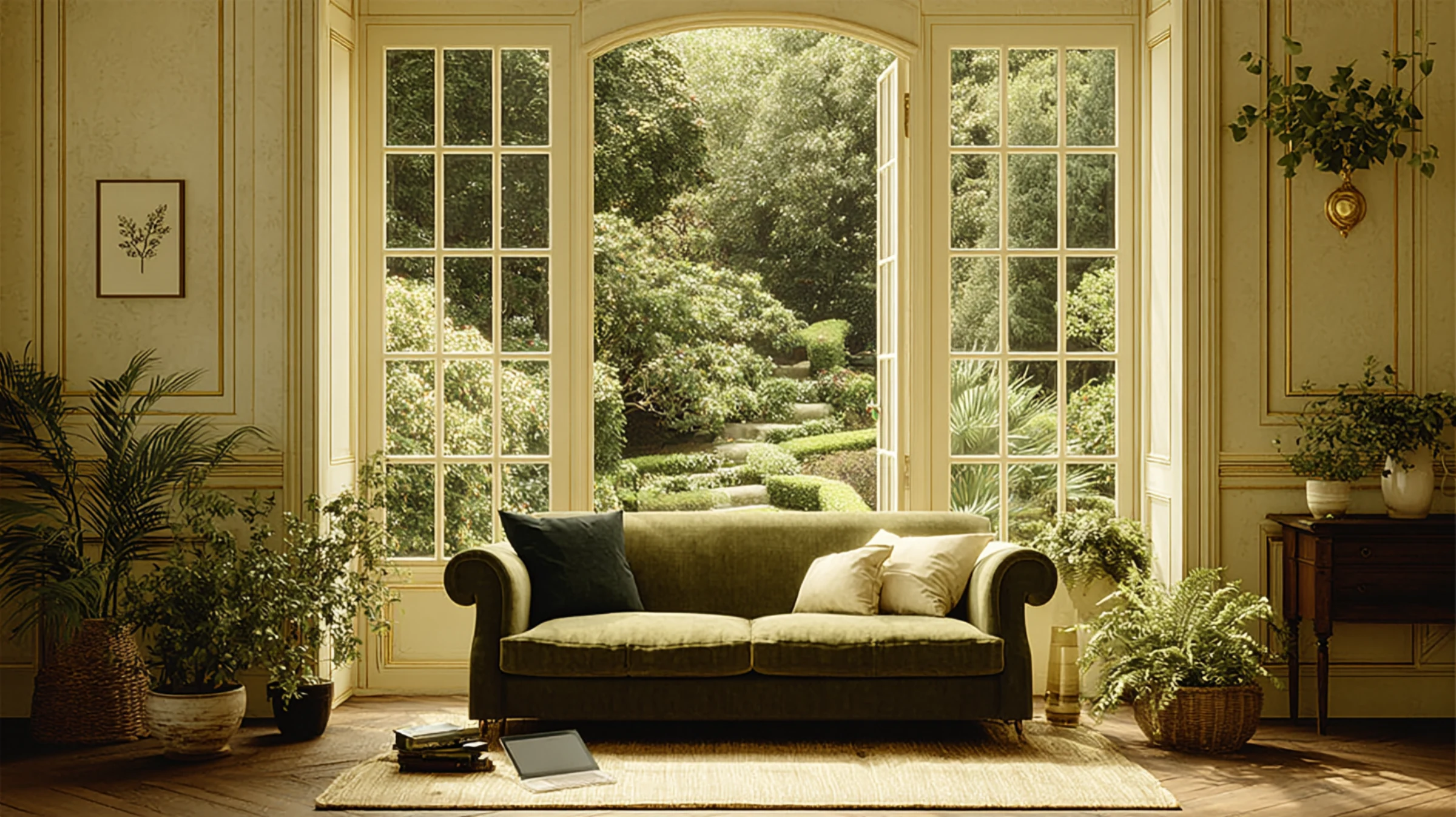
Wellness Design: Creating Spaces for Mental and Physical Health
In an era where our homes have become multifunctional sanctuaries, the concept of wellness design has evolved from luxury to necessity. This holistic approach to interior design focuses on creating…
House of Willow Alexander·
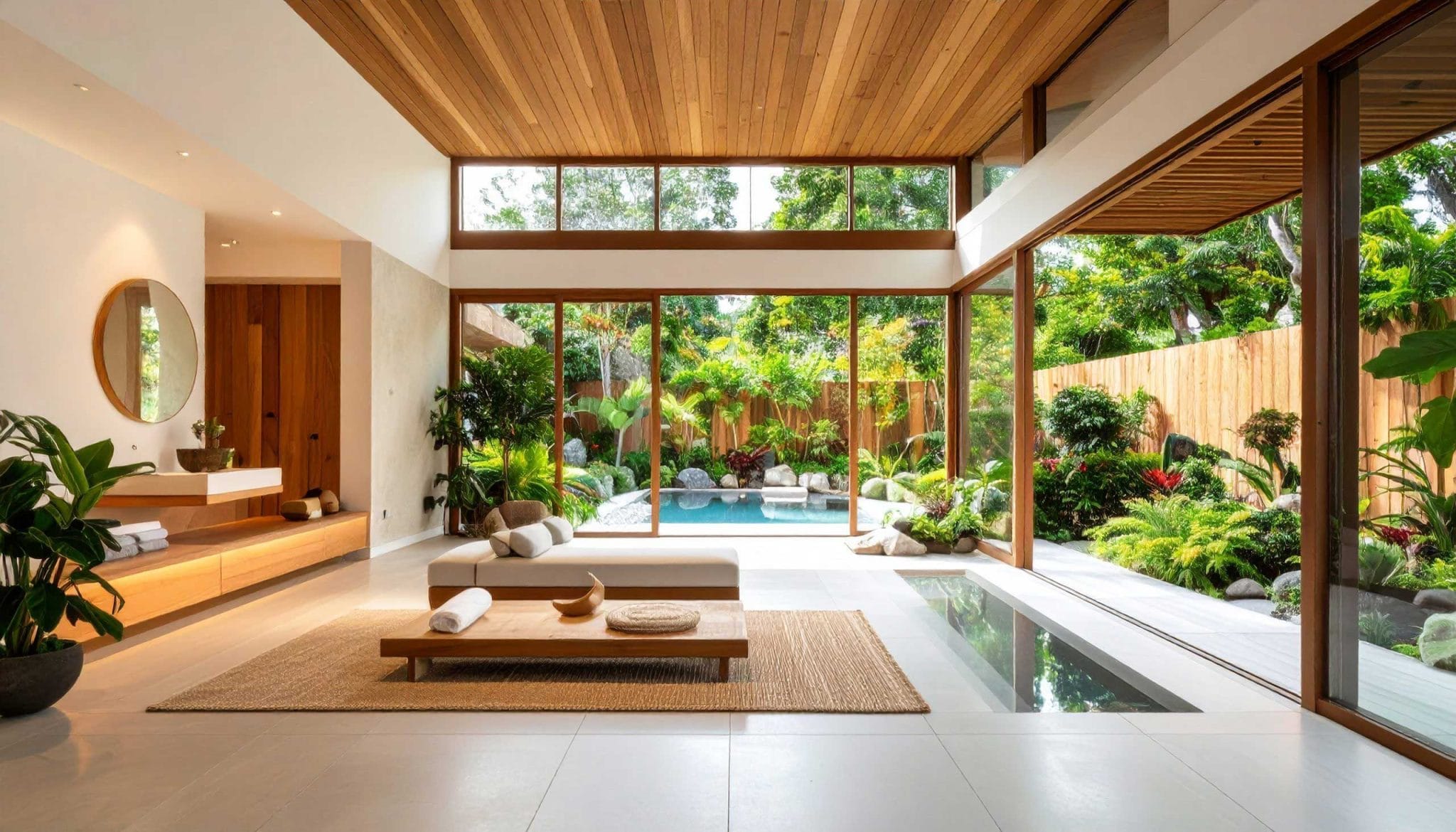
In an era where our homes have become multifunctional sanctuaries, the concept of wellness design has evolved from luxury to necessity. This holistic approach to interior design focuses on creating environments that actively support both mental and physical wellbeing through thoughtful consideration of space, light, materials, and sensory experiences. Far more than simply an aesthetic trend, wellness design represents a fundamental shift in how we conceptualize the relationship between our surroundings and our health.
The Science of Wellness Design
The connection between our environments and our wellbeing is supported by substantial research:
Biophilic Foundations
Our innate connection to nature forms the foundation of wellness design:
Evolutionary Psychology
Humans evolved in natural environments over millions of years, developing innate preferences for certain spatial characteristics and natural elements that supported survival and wellbeing. This evolutionary history has created deep-seated psychological responses to environmental conditions that continue to affect us in contemporary settings. Research in evolutionary psychology suggests that environments incorporating natural elements and patterns tend to reduce stress and improve cognitive function precisely because they align with these evolved preferences.
Stress Reduction Theory
Exposure to natural elements and environments has been demonstrated to lower physiological stress markers, including blood pressure, heart rate, and cortisol levels. This stress reduction occurs through both conscious appreciation and unconscious processing of natural stimuli. Studies consistently show that even brief exposure to natural views or elements can trigger measurable relaxation responses in the nervous system, suggesting that biophilic design elements can create similar benefits in interior environments.
Attention Restoration Theory
Natural environments support cognitive recovery by engaging what psychologists call “soft fascination”—a gentle, effortless form of attention that allows directed attention capabilities to replenish. This restoration process helps counter mental fatigue and improve concentration. Interior environments that incorporate natural elements or mimic natural patterns can create similar restorative effects, supporting cognitive function and mental clarity in daily life.
Physiological Responses
Human bodies respond measurably to environmental conditions, with significant variations in hormone production, immune function, and nervous system activity based on our surroundings. These physiological responses occur largely unconsciously but have substantial impacts on health outcomes. Design elements like natural light exposure, air quality, and acoustic conditions directly influence these physiological systems, creating either supportive or detrimental effects on overall health.
Neuroscience Insights
Brain research reveals how environments affect our mental processes:
Sensory Processing
Our brains continuously process environmental stimuli across multiple sensory channels, with this information significantly influencing mood, cognitive function, and stress levels. This processing occurs largely below conscious awareness but fundamentally shapes our experience of spaces. Neuroimaging studies show that different environmental characteristics activate distinct neural pathways, with some promoting relaxation and others triggering stress responses.
Cognitive Load Theory
Environments that require excessive processing—through visual complexity, noise, or poor organization—deplete cognitive resources that could otherwise be directed toward productive activities or restoration. This cognitive burden can lead to decreased performance and increased stress. Well-designed spaces reduce unnecessary cognitive demands through thoughtful organization, appropriate stimulation levels, and intuitive navigation, preserving mental energy for meaningful activities.
Chronobiology Connections
Brain function follows circadian rhythms that respond strongly to light exposure, with significant implications for sleep quality, hormone regulation, and overall health. These biological cycles evolved in response to natural light patterns and can be disrupted by inappropriate artificial lighting. Lighting design that supports healthy circadian function—bright, blue-rich light during active hours and warmer, dimmer light in evenings—helps maintain these essential biological rhythms.
Emotional Processing
Different spatial characteristics and design elements trigger specific emotional responses through both conscious associations and unconscious processing. These emotional reactions significantly influence overall wellbeing and behavior within spaces. Design elements like color, texture, proportion, and spatial arrangement can be strategically employed to promote positive emotional states while minimizing triggers for negative responses.
Wellness Design: Creating Health-Supportive Homes
As our understanding of the profound connections between environments and health continues to deepen, wellness design is evolving from niche luxury to essential consideration. The COVID-19 pandemic accelerated awareness of how our surroundings affect both physical and mental wellbeing, creating broader recognition that homes must actively support health rather than merely provide shelter. This evolution represents not merely a design trend but a fundamental reconsideration of how we create and evaluate our living environments.
Core Principles of Wellness Design
Several fundamental principles guide the creation of health-supportive spaces:
Biophilia Integration
Connecting occupants to nature through direct and indirect means:
Direct Nature Connection
Incorporating actual natural elements—including plants, water, natural light, and fresh air—within interior environments provides both psychological benefits of nature connection and practical contributions to air quality and humidity. This incorporation brings tangible natural elements indoors. Indoor plants selected for both aesthetic appeal and air-filtering capabilities, interior water features that provide both visual interest and beneficial humidity, and architectural elements that maximize natural light penetration all create direct connections to natural elements.
Indirect Nature Reference
Representing nature through imagery, materials, colors, and forms when direct incorporation isn’t possible maintains biophilic benefits through visual and tactile references. This reference provides nature connection through representation. Natural material surfaces that display authentic patterns and textures, artwork depicting natural scenes or elements, and color palettes drawn from nature all create indirect connections that trigger positive psychological responses similar to direct nature exposure.
Environmental Quality
Optimizing air, water, light, and acoustic conditions:
Air Quality Optimization
Creating optimal breathing environments through ventilation, filtration, and material selection reduces exposure to indoor pollutants and supports respiratory health. This optimization supports respiratory health and mental clarity. Demand-controlled ventilation systems that respond to actual occupancy and pollution levels can maintain excellent air quality while conserving energy, while strategic window placement can facilitate effective natural ventilation when weather permits.
Water Quality Assurance
Ensuring access to clean, safe drinking water through filtration, testing, and appropriate plumbing materials protects occupants from waterborne contaminants. This assurance safeguards fundamental health needs. Whole-house filtration systems that remove common water pollutants, regular water testing to verify safety, and plumbing materials that minimize leaching of harmful substances all contribute to healthier water environments.
Light Spectrum Management
Optimizing both quantity and quality of light—including natural daylight, artificial illumination, and circadian rhythm support—enhances visual function, hormone regulation, and overall wellbeing. This management creates more comfortable visual environments for various activities. Sheer window coverings can diffuse harsh direct sunlight while maintaining views and connection to outdoors, while properly positioned task lighting can reduce contrast issues when working with screens or reading materials.
Acoustic Environment Design
Managing sound levels and characteristics through noise reduction, sound absorption, and positive sound introduction creates environments that support both concentration and relaxation. This design transforms acoustic environments from merely quiet to actively supportive. Water features can provide consistent background sound that masks irregular noises while creating connection to natural elements, while high-quality distributed audio systems can deliver appropriate background music or nature sounds when desired.
Activity Support
Encouraging movement, restoration, and social connection:
Movement Integration
Designing spaces that subtly promote physical activity through spatial arrangement, stair design, and activity zoning supports daily movement beyond dedicated exercise. This integration integrates physical activity into daily life. Staircase designs that make vertical circulation attractive and convenient, furniture arrangements that leave open space for movement, and spatial connections that encourage walking between different home areas all promote regular physical activity.
Restoration Space Creation
Providing designated areas for relaxation, meditation, and sensory reduction supports stress management and mental wellbeing. This creation supports complete physical wellness cycles. Comfortable seating that properly supports relaxation after activity, spaces designed for stretching or other recovery practices, and thermal comfort systems that accommodate the different temperature needs during and after exercise all create environments supporting the full spectrum of physical wellness.
Social Connection Facilitation
Arranging spaces to support meaningful social interaction—while also respecting individual privacy needs—strengthens relationships and reduces feelings of isolation. This facilitation supports both practical function and emotional nourishment. Island arrangements that allow for both food preparation and casual seating, sight lines that maintain connection between cooking areas and adjacent social spaces, and acoustic considerations that allow conversation without excessive noise all create kitchens that nourish both bodies and relationships.
Psychological Comfort
Creating environments that feel safe, predictable, and controllable:
Safety and Security Assurance
Implementing design elements that enhance physical safety and psychological security—including proper lighting, clear sightlines, and secure access systems—reduces anxiety and promotes feelings of protection. This assurance safeguards fundamental health needs. Whole-house filtration systems that remove common water pollutants, regular water testing to verify safety, and plumbing materials that minimize leaching of harmful substances all contribute to healthier water environments.
Personal Control Empowerment
Providing adjustable environmental conditions—including lighting, temperature, sound, and privacy levels—empowers occupants to create personally comfortable spaces that support their specific needs. This empowerment supports both physical comfort and psychological satisfaction. Multi-zone HVAC systems with individual room controls allow different household members to maintain preferred temperatures in their primary spaces, while elements like adjustable ceiling fans provide additional personalized comfort options.
Predictability and Legibility
Designing spaces with clear organization, intuitive wayfinding, and consistent patterns supports cognitive function and reduces stress associated with navigating and using environments. This legibility creates ease of movement throughout environments. Avoiding tight passages and awkward transitions while providing clear sightlines to destinations creates more comfortable navigation, while thoughtful furniture arrangement ensures pathways remain clear and generously proportioned.
Material Health
Selecting surfaces and finishes that minimize harmful emissions:
Toxicity Reduction
Choosing materials with minimal harmful chemicals—including formaldehyde, phthalates, flame retardants, and volatile organic compounds—reduces exposure to substances linked to respiratory issues, hormone disruption, and other health concerns. This reduction creates healthier baseline living conditions. Natural, minimally processed materials generally contain fewer harmful additives, while third-party certifications like Greenguard Gold or Declare labels provide verification of lower chemical content in manufactured products.
Natural Material Preference
Prioritizing natural, renewable, and biodegradable materials—including wood, stone, bamboo, and natural fibers—reduces reliance on synthetic and resource-intensive alternatives. This preference supports innate human affinity for natural elements. Exposing natural wood grain rather than covering it with opaque finishes maintains connection to the material’s origin, while stone surfaces with visible geological characteristics provide direct connection to natural processes and patterns.
Lifecycle Assessment
Evaluating materials across their entire lifespan—including manufacturing impacts, installation requirements, maintenance needs, and eventual disposal—ensures that apparent wellness benefits aren’t undermined by hidden health or environmental costs. This assessment prevents unintended consequences of seemingly beneficial choices. Understanding chemical requirements for installation and maintenance, evaluating durability and replacement frequency, and considering end-of-life scenarios all contribute to more holistic product evaluation.
Environmental Psychology
How spaces influence behavior and wellbeing:
Prospect and Refuge Theory
Humans generally prefer environments offering both outlook (prospect) and protective elements (refuge), reflecting evolutionary advantages of being able to observe surroundings while having access to safety. This preference manifests in contemporary settings through attraction to spaces that balance openness with defined boundaries and protective elements. Interior arrangements that provide both views across spaces and comfortable, semi-enclosed areas tend to feel intuitively satisfying and supportive.
Personal Control Importance
The ability to modify one’s environment—adjusting light, temperature, sound, or privacy levels—significantly impacts perceived comfort and stress levels. This sense of control reduces feelings of helplessness and supports psychological wellbeing. Design that incorporates adaptable elements and user-controlled systems tends to increase satisfaction and reduce stress compared to fixed, unresponsive environments.
Territoriality and Boundaries
Clear spatial definition and appropriate boundaries support psychological comfort by providing predictability and defining social expectations within spaces. These boundaries help regulate social interaction and provide necessary psychological separation between activities. Well-defined transitions between functional areas and appropriate privacy gradients support both social connection and personal restoration within residential environments.
Sensory Equilibrium
Environments that provide appropriate sensory stimulation—neither overwhelming nor understimulating—support optimal cognitive and emotional functioning. This balance varies based on individual needs and activities being performed. Thoughtful design considers sensory characteristics across multiple dimensions (visual, auditory, tactile, olfactory) to create environments that provide appropriate stimulation for intended activities while allowing for sensory modulation as needed.
Key Elements of Wellness Design
Several fundamental aspects contribute to health-supporting environments:
Light Optimization
Strategic use of both natural and artificial illumination:
Circadian Support
Lighting designed to align with natural circadian rhythms—brighter and bluer during daytime hours, warmer and dimmer in evenings—supports healthy sleep-wake cycles and hormone regulation. This alignment helps maintain proper melatonin production and sleep quality. Automated lighting systems can gradually adjust color temperature and intensity throughout the day to mimic natural light patterns, while architectural design can maximize appropriate natural light exposure during morning and daytime hours.
Natural Light Maximization
Architectural strategies that increase daylight penetration—including window placement, light shelves, reflective surfaces, and open floor plans—reduce dependence on artificial lighting while providing psychological and physiological benefits. These approaches connect interior spaces to natural light cycles and outdoor conditions. Strategic window placement can capture morning light in bedrooms and breakfast areas to support circadian entrainment, while careful consideration of glazing specifications can maximize beneficial light while minimizing glare and heat gain.
Glare and Contrast Management
Controlling excessive brightness differences and direct glare through proper window treatments, light diffusion, and thoughtful fixture placement reduces eye strain and visual discomfort. This management creates more comfortable visual environments for various activities. Sheer window coverings can diffuse harsh direct sunlight while maintaining views and connection to outdoors, while properly positioned task lighting can reduce contrast issues when working with screens or reading materials.
Mood-Responsive Systems
Adaptable lighting that can be adjusted for different activities and emotional states—from energizing brightness for active tasks to gentle illumination for relaxation—supports various functional and psychological needs. This flexibility allows environments to transition appropriately throughout the day. Layered lighting approaches with ambient, task, and accent sources controlled through intuitive systems allow spaces to transform from energizing work environments to relaxing evening retreats.
Air Quality Enhancement
Creating optimal breathing environments:
Ventilation Optimization
Mechanical and natural ventilation strategies that exceed minimum standards help remove indoor pollutants and maintain appropriate oxygen levels for cognitive function and overall health. This optimization supports respiratory health and mental clarity. Demand-controlled ventilation systems that respond to actual occupancy and pollution levels can maintain excellent air quality while conserving energy, while strategic window placement can facilitate effective natural ventilation when weather permits.
Filtration Integration
High-performance air filtration systems that remove particulates, volatile organic compounds, and other pollutants create healthier breathing environments, particularly important in urban settings or for individuals with respiratory sensitivities. These systems reduce exposure to harmful airborne substances. HEPA filtration integrated with HVAC systems provides whole-house protection, while standalone purifiers can address specific areas of concern or supplement central systems during high-pollution periods.
Material Selection
Choosing low-emission building materials, furnishings, and finishes that minimize off-gassing of volatile organic compounds and other harmful substances reduces indoor air pollution at its source. This selection creates healthier baseline conditions. Natural materials like solid wood, stone, ceramic, and natural fibers generally emit fewer harmful compounds than synthetic alternatives, while products certified to stringent emissions standards provide assurance of lower chemical exposure.
Biophilic Purification
Incorporating plants and living systems that naturally filter air while providing psychological benefits of connection to nature creates multiple wellness advantages. This approach combines functional air improvement with aesthetic and psychological benefits. Strategic placement of effective air-filtering plant species in appropriate quantities can meaningfully improve air quality while creating visual connection to natural elements, particularly in areas where mechanical filtration may be limited.
Acoustic Comfort
Managing sound for psychological wellbeing:
Noise Reduction Strategies
Architectural and design approaches that minimize unwanted sound transmission—through spatial planning, insulation, and acoustic treatments—reduce stress and cognitive load associated with noise pollution. This reduction creates more restful and focused environments. Thoughtful floor plan design can separate quiet and noisy activities, while wall construction with appropriate insulation and mass can significantly reduce sound transmission between spaces.
Sound Absorption Integration
Incorporating sound-absorbing materials and elements that reduce reverberation and echo creates more comfortable acoustic environments, particularly important in open-plan spaces with hard surfaces. This absorption improves both conversation quality and general comfort. Soft furnishings, textiles, acoustic panels, and ceiling treatments can significantly improve sound quality without compromising aesthetic goals, while careful material selection can balance acoustic performance with other considerations like maintenance and sustainability.
Positive Sound Introduction
Selectively incorporating beneficial sounds—whether through water features, music systems, or natural elements—can mask unwanted noise while providing positive auditory stimulation. This introduction transforms acoustic environments from merely quiet to actively supportive. Water features can provide consistent background sound that masks irregular noises while creating connection to natural elements, while high-quality distributed audio systems can deliver appropriate background music or nature sounds when desired.
Zoned Acoustic Design
Creating varied acoustic environments within homes to support different activities—from lively social spaces to quiet retreats—acknowledges diverse needs for sound and silence. This zoning provides appropriate acoustic conditions for various functions. Designating specific areas for activities requiring concentration or restoration and treating them with appropriate acoustic measures creates necessary contrast to more socially active spaces, supporting the full range of daily activities.
Thermal Comfort
Creating optimal temperature environments:
Personalized Control Systems
Providing adjustable thermal conditions through zoned heating/cooling, local controls, and adaptive elements empowers occupants to create personally comfortable conditions, recognizing that thermal preferences vary significantly between individuals. This control supports both physical comfort and psychological satisfaction. Multi-zone HVAC systems with individual room controls allow different household members to maintain preferred temperatures in their primary spaces, while elements like adjustable ceiling fans provide additional personalized comfort options.
Radiant Comfort Solutions
Incorporating radiant heating and cooling systems that directly warm or cool bodies and surfaces rather than just air creates more comfortable thermal experiences with less temperature stratification. These systems provide more consistent comfort with potentially lower energy use. Radiant floor heating delivers comfortable warmth where it’s most noticeable while maintaining healthy humidity levels compared to forced-air alternatives, while properly designed systems can provide cooling in warmer climates through the same infrastructure.
Microclimate Creation
Designing varied thermal zones within homes—sunny spots for winter warming, cool retreats for summer comfort—provides options for seasonal adaptation and personal preference. This variation allows natural adjustment to changing conditions. Thoughtful orientation of spaces relative to sun patterns creates naturally warmer areas for winter use and naturally cooler areas for summer comfort, while architectural elements like thermal mass can moderate temperature swings throughout the day.
Humidity Optimization
Maintaining appropriate moisture levels—typically between 40-60% relative humidity—supports respiratory health, skin comfort, and overall wellbeing while protecting building materials and furnishings. This optimization addresses an often overlooked aspect of thermal comfort. Whole-house humidification systems for winter months and dehumidification capabilities for summer can maintain optimal moisture levels year-round, while moisture-buffering materials like clay plasters can help moderate humidity fluctuations naturally.
Material Consciousness
Thoughtful selection of surfaces and finishes:
Toxicity Reduction
Choosing materials with minimal harmful chemicals—including formaldehyde, phthalates, flame retardants, and volatile organic compounds—reduces exposure to substances linked to respiratory issues, hormone disruption, and other health concerns. This reduction creates healthier baseline living conditions. Natural, minimally processed materials generally contain fewer harmful additives, while third-party certifications like Greenguard Gold or Declare labels provide verification of lower chemical content in manufactured products.
Tactile Wellbeing
Incorporating varied and pleasant tactile experiences through thoughtfully selected materials and textures creates sensory richness that supports psychological comfort and sensory stimulation. This variation provides appropriate sensory engagement. Contrasting smooth and textured surfaces, soft and firm elements, and warm and cool materials creates tactile interest that engages touch receptors positively, while natural materials like wood, stone, and natural fibers often provide inherently pleasing tactile qualities.
Maintenance Consideration
Selecting materials that can be effectively cleaned without harsh chemicals supports ongoing healthy environments while reducing stress associated with difficult maintenance. This consideration ensures long-term health benefits. Smooth, non-porous surfaces in areas requiring frequent cleaning allow effective sanitization with minimal chemical use, while appropriate protective treatments on natural materials can maintain their beauty while improving cleanability.
Biophilic Material Selection
Using materials that maintain connection to nature—whether through minimal processing, visible natural patterns, or direct natural origin—provides psychological benefits associated with biophilic design principles. This selection supports innate human affinity for natural elements. Exposing natural wood grain rather than covering it with opaque finishes maintains connection to the material’s origin, while stone surfaces with visible geological characteristics provide direct connection to natural processes and patterns.
Spatial Organization
Arranging environments for optimal functioning:
Functional Clarity
Creating clearly defined areas for specific activities with appropriate transitions between them reduces cognitive load associated with navigating and using spaces. This clarity supports intuitive use and reduces decision fatigue. Thoughtful space planning that groups related activities while providing appropriate separation between conflicting functions creates environments that feel intuitively organized and supportive, while clear visual cues help define different functional zones within larger spaces.
Circulation Optimization
Designing movement paths that feel generous, unobstructed, and intuitive reduces stress and supports both physical accessibility and psychological comfort. This optimization creates ease of movement throughout environments. Avoiding tight passages and awkward transitions while providing clear sightlines to destinations creates more comfortable navigation, while thoughtful furniture arrangement ensures pathways remain clear and generously proportioned.
Prospect and Refuge Balance
Creating spaces that offer both outlook (prospect) and protection (refuge) satisfies deep psychological preferences for environments that provide both safety and awareness. This balance creates intuitively comfortable settings. Window seats that provide protective enclosure while offering views outward exemplify this principle, as do living arrangements that provide comfortable seating with backs protected while facing toward open space and views.
Adaptability Integration
Designing spaces with appropriate flexibility to accommodate changing needs—whether throughout the day or over longer timeframes—reduces stress associated with spatial limitations. This adaptability supports evolving requirements without major disruption. Multifunctional furniture pieces that can be easily reconfigured, rooms designed to serve multiple purposes with minimal adjustment, and storage systems that adapt to changing contents all contribute to more resilient and supportive environments.
Nature Connection
Integrating natural elements and patterns:
Direct Nature Incorporation
Including actual natural elements—plants, water, natural light, fresh air—within interior environments provides both psychological benefits of nature connection and practical contributions to air quality and humidity. This incorporation brings tangible natural elements indoors. Indoor plants selected for both aesthetic appeal and air-filtering capabilities, interior water features that provide both visual interest and beneficial humidity, and architectural elements that maximize natural light penetration all create direct connections to natural elements.
Indirect Nature Reference
Representing nature through imagery, materials, colors, and forms when direct incorporation isn’t possible maintains biophilic benefits through visual and tactile references. This reference provides nature connection through representation. Natural material surfaces that display authentic patterns and textures, artwork depicting natural scenes or elements, and color palettes drawn from nature all create indirect connections that trigger positive psychological responses similar to direct nature exposure.
Natural Pattern Integration
Incorporating patterns and relationships found in nature—including fractals, golden ratio proportions, and organized complexity—creates environments that resonate with innate visual preferences. This integration taps into evolved aesthetic responses. Textiles featuring botanical patterns, architectural elements that employ natural proportional relationships, and decorative objects that display fractal complexity all connect to mathematical patterns found throughout the natural world.
Seasonal Awareness Design
Creating spaces that maintain connection to seasonal changes through views, materials, and adaptable elements supports healthy circadian and circannual rhythms. This awareness maintains connection to natural cycles. Window placements that track solar patterns throughout the year, indoor-outdoor connections that can be adjusted seasonally, and interior elements that can be modified to reflect seasonal shifts all help maintain awareness of natural cycles despite climate-controlled interiors.
Sensory Balance
Creating appropriate sensory experiences:
Visual Calm
Designing environments with appropriate visual complexity—neither chaotic nor sterile—reduces cognitive load while providing necessary visual stimulation. This balance supports both focus and interest. Thoughtful composition that provides visual rest areas alongside points of interest, color strategies that create harmony with appropriate accent elements, and organization systems that reduce visual clutter all contribute to environments that feel visually balanced.
Olfactory Consideration
Addressing scent through material selection, ventilation, and optional aromatherapy elements acknowledges this powerful sensory channel that directly connects to emotional processing. This consideration supports both comfort and emotional wellbeing. Selecting low-odor building materials and finishes, ensuring effective ventilation in areas where strong odors develop, and incorporating natural scent elements like herbs or essential oils when appropriate all contribute to positive olfactory experiences.
Haptic Richness
Providing varied and pleasant tactile experiences through textural diversity, temperature variation, and ergonomic comfort creates environments that engage touch positively. This richness supports sensory stimulation and comfort. Incorporating textural contrasts through varied textiles, providing both smooth and textured surfaces for different interactions, and ensuring that frequently touched elements like hardware and controls provide satisfying tactile feedback all contribute to positive haptic experiences.
Multisensory Harmony
Ensuring that different sensory inputs create coherent rather than conflicting experiences supports cognitive processing and emotional comfort. This harmony reduces sensory confusion or overload. Considering how visual, auditory, tactile, and olfactory elements work together rather than designing each in isolation creates more cohesive environmental experiences, while providing options to modulate sensory intensity supports adaptation to changing needs and preferences.
Room-by-Room Wellness Applications
Wellness design principles manifest differently across residential spaces:
Sleep Sanctuaries
Bedroom environments optimized for rest and recovery:
Circadian Optimization
Designing bedrooms to support healthy sleep-wake cycles through appropriate light exposure, temperature regulation, and sensory calming creates foundations for restorative sleep. This optimization addresses the most critical factor in sleep quality. Blackout window treatments that eliminate disruptive light during sleep hours, lighting systems that can shift to warmer color temperatures in evening hours, and bedroom locations that minimize morning noise exposure all support natural circadian function.
Air Quality Prioritization
Ensuring exceptional air quality in sleeping environments through filtration, material selection, and ventilation supports respiratory health during the extended hours spent in bedrooms. This prioritization acknowledges the significant proportion of time spent in these spaces. Selecting natural, low-emission bedding materials, providing effective ventilation that maintains fresh air without drafts, and considering standalone air purification if needed all contribute to healthier sleep environments.
Comfort Layering
Creating adjustable comfort systems through layered bedding, variable temperature options, and personalized support elements accommodates changing needs and preferences for optimal sleep conditions. This layering provides adaptability for both seasonal changes and individual preferences. Bedding systems that allow for adding or removing layers for temperature regulation, mattresses selected for appropriate support characteristics, and individual temperature controls for shared beds all support personalized comfort.
Sensory Serenity
Designing bedrooms with reduced sensory stimulation—through acoustic treatment, visual simplicity, and olfactory neutrality—creates environments conducive to mental deactivation and sleep preparation. This serenity supports the transition from wakefulness to sleep. Acoustic strategies that minimize disruptive noise, visual design that reduces stimulating elements, and careful consideration of materials to avoid off-gassing or strong scents all contribute to more restful sleep environments.
Restorative Bathrooms
Bathing spaces designed for both function and renewal:
Hydrotherapy Integration
Incorporating varied water experiences—from rainfall showers to soaking tubs—acknowledges water’s therapeutic benefits for both physical and mental wellbeing. This integration transforms utilitarian functions into wellness experiences. Shower systems that provide options from gentle rainfall to targeted massage, tubs designed for comfortable full-body immersion, and temperature controls that allow for both stimulating and relaxing water experiences all expand bathroom wellness potential.
Thermal Comfort Emphasis
Addressing the unique thermal challenges of bathrooms—where bodies are often exposed to air while wet—through radiant heating, proper ventilation, and thoughtful material selection enhances comfort during vulnerable activities. This emphasis transforms potentially uncomfortable experiences into pleasant ones. Heated flooring that provides warmth where it’s most noticeable, properly sized ventilation systems that remove humidity without creating uncomfortable drafts, and materials that feel appropriate to touch at various temperatures all contribute to thermal comfort.
Sensory Consideration
Designing bathroom environments with attention to acoustic privacy, pleasant tactile experiences, and optional aromatherapy elements acknowledges the intimate nature of these spaces. This consideration supports both physical and psychological comfort. Acoustic insulation that provides privacy, textural elements that create pleasant tactile experiences during daily routines, and ventilation systems that can either remove or maintain beneficial scents all enhance the sensory experience of bathroom activities.
Natural Connection Maintenance
Incorporating natural elements and daylight while maintaining privacy creates bathrooms that feel connected to nature despite their inherently private functions. This connection transforms utilitarian spaces into rejuvenating environments. Windows with translucent glass or strategic placement that admit natural light while maintaining privacy, plant selections that thrive in bathroom environments, and natural materials that perform well in humid conditions all create nature connection without compromising essential privacy.
Nourishing Kitchens
Culinary spaces supporting healthy relationships with food:
Air Quality Management
Addressing the unique air quality challenges of cooking environments through effective ventilation, material selection, and spatial arrangement supports both respiratory health and pleasant culinary experiences. This management prevents cooking activities from compromising overall home air quality. High-performance ventilation systems properly sized and positioned to capture cooking emissions, materials that don’t absorb or release cooking odors inappropriately, and spatial arrangements that contain cooking impacts while maintaining social connection all contribute to healthier cooking environments.
Ergonomic Optimization
Designing kitchen work areas with careful attention to movement patterns, reach zones, and body positioning reduces physical strain during food preparation and cleanup activities. This optimization supports both comfort and safety. Counter heights appropriate for primary users, storage organized to place frequently used items in easy reach zones, and task areas arranged to minimize excessive bending, reaching, or twisting all create more comfortable and efficient cooking environments.
Natural Food Connection
Creating visual and physical connections to food sources—whether through herb gardens, visible food storage, or connections to outdoor growing areas—supports healthier relationships with food origins and preparation. This connection transforms food from abstract commodity to tangible source of nourishment. Window herb gardens that provide both fresh ingredients and nature connection, pantry storage that makes whole foods visible and accessible, and kitchen locations that connect to outdoor growing areas all strengthen relationships with food sources.
Social Nourishment Design
Arranging kitchen spaces to support both efficient individual work and meaningful social interaction acknowledges the kitchen’s dual role as functional workspace and social heart of many homes. This design supports both practical function and emotional nourishment. Island arrangements that allow for both food preparation and casual seating, sight lines that maintain connection between cooking areas and adjacent social spaces, and acoustic considerations that allow conversation without excessive noise all create kitchens that nourish both bodies and relationships.
Active Living Spaces
Common areas designed for movement and engagement:
Movement Encouragement
Designing living areas that subtly promote physical activity through spatial arrangement, stair design, and activity zoning supports daily movement beyond dedicated exercise. This encouragement integrates physical activity into daily life. Staircase designs that make vertical circulation attractive and convenient, furniture arrangements that leave open space for movement, and spatial connections that encourage walking between different home areas all promote regular physical activity.
Postural Variation Support
Providing varied seating and activity options that encourage different body positions throughout the day supports musculoskeletal health and reduces problems associated with prolonged static postures. This variation prevents the physical problems associated with consistent positioning. Seating options at different heights and with different support characteristics, standing-height surfaces for certain activities, and floor cushions or other alternative seating all encourage beneficial postural changes throughout the day.
Exercise Integration
Creating spaces that accommodate physical activity—whether dedicated exercise areas or multipurpose spaces that adapt for movement—supports regular physical wellness practices. This integration makes exercise more accessible and convenient. Spaces designed with appropriate clearances, surfaces, and storage for exercise equipment, rooms with proper ventilation and temperature control for active use, and thoughtful acoustic consideration to prevent exercise activities from disrupting other household functions all support regular physical activity.
Recovery Provision
Balancing active design with appropriate spaces for rest and recovery acknowledges the importance of both movement and restoration in physical wellbeing. This provision supports complete physical wellness cycles. Comfortable seating that properly supports relaxation after activity, spaces designed for stretching or other recovery practices, and thermal comfort systems that accommodate the different temperature needs during and after exercise all create environments supporting the full spectrum of physical wellness.
Productive Work Environments
Home office spaces supporting focused activity:
Cognitive Support Design
Creating work environments that minimize distractions while providing appropriate stimulation supports focused attention and productivity. This design acknowledges the cognitive demands of knowledge work. Visual design that reduces unnecessary stimuli in primary view zones, acoustic strategies that minimize disruptive noise, and spatial arrangements that create psychological boundaries around work activities all support cognitive function during focused work.
Ergonomic Prioritization
Designing work areas with careful attention to body positioning, movement, and support reduces physical strain during extended focused activities. This prioritization prevents work from creating physical discomfort or long-term issues. Seating selected for appropriate support characteristics, work surfaces at heights appropriate for specific activities, and technology positioned to maintain neutral postures all contribute to more comfortable and sustainable work environments.
Circadian Maintenance
Ensuring that home work environments support rather than disrupt healthy circadian rhythms through appropriate light exposure, break scheduling, and environmental variation maintains overall wellbeing despite work demands. This maintenance prevents work patterns from compromising fundamental health rhythms. Work area locations that provide access to natural light, lighting systems that maintain appropriate color temperature and intensity throughout the day, and spatial arrangements that encourage periodic movement all support healthier work patterns.
Nature Connection Preservation
Incorporating biophilic elements within work environments—through views, materials, plants, or patterns—reduces stress and supports cognitive function during focused activities. This preservation acknowledges nature’s restorative effects on attention. Work area positioning that provides natural views when possible, plant integration within the visual field, natural materials that provide subtle sensory variation, and patterns that reference natural structures all create more supportive work environments.
Transition Spaces
Entries, hallways, and connectors designed for psychological shifts:
Decompression Zone Creation
Designing entry areas that support the psychological transition between external and internal worlds through appropriate space, organization, and sensory shifts facilitates healthy boundaries between home and outside stressors. This creation supports mental separation between different life contexts. Entry areas sized to allow pause before entering main living spaces, organization systems that receive and contain items from the outside world, and sensory elements that signal transition all create effective decompression zones.
Circulation Path Optimization
Creating hallways and connectors that feel generous, well-proportioned, and visually interesting transforms necessary circulation into pleasant experience rather than mere utility. This optimization acknowledges that transition spaces significantly impact overall environmental experience. Hallways sized appropriately for comfortable movement, lighting that creates visual interest and proper wayfinding, and thoughtful integration of storage or display elements all elevate circulation spaces beyond pure function.
Threshold Articulation
Clearly defining transitions between different functional areas through architectural elements, lighting shifts, or material changes supports psychological preparation for different activities. This articulation helps create appropriate mental states for varied home functions. Subtle level changes that signal movement between different functional zones, lighting that shifts in quality or intensity between areas with different purposes, and material or color transitions that indicate functional boundaries all create more legible environments.
Sensory Transition Design
Creating gradual shifts in sensory experience between different home areas—rather than abrupt changes—supports more comfortable psychological adaptation to varied environmental conditions. This design prevents jarring sensory experiences that can create discomfort or stress. Acoustic buffers between quiet and active areas, lighting transitions that allow eyes to adapt gradually, and thermal gradient creation between areas with different temperature requirements all create more comfortable sensory experiences throughout the home.
Practical Implementation Strategies
Several approaches help translate wellness design principles into reality:
Assessment and Planning
Establishing foundations for wellness-focused design:
Occupant Needs Evaluation
Conducting thorough assessment of specific occupant requirements—including sensitivities, preferences, daily patterns, and special considerations—ensures wellness design addresses actual rather than assumed needs. This evaluation creates truly personalized environments. Structured interviews about environmental preferences and sensitivities, observation of current space usage patterns, and documentation of specific health considerations all contribute to more relevant wellness design solutions.
Environmental Analysis
Evaluating existing conditions—including light patterns, air quality, acoustic properties, and spatial characteristics—identifies specific opportunities and challenges for wellness improvements. This analysis provides objective baseline information for decision-making. Light level measurements throughout the day and seasons, air quality testing for common pollutants, acoustic assessment of noise sources and transmission paths, and spatial documentation of current conditions all create foundation for targeted improvements.
Priority Identification
Determining which wellness aspects will provide greatest benefit for specific situations—rather than attempting to address all elements simultaneously—creates focused, effective implementation strategies. This identification prevents overwhelm while maximizing impact. Evaluating which environmental factors most significantly affect occupant wellbeing, identifying elements that can be most effectively modified within existing constraints, and understanding which issues create most significant current challenges all help establish meaningful priorities.
Phased Implementation Planning
Developing strategic approaches that address wellness elements in logical sequence—considering interdependencies, disruption levels, and resource requirements—creates realistic implementation roadmaps. This planning transforms aspirational concepts into achievable projects. Identifying quick wins that can create immediate benefit, understanding which elements require more significant intervention, and developing logical sequences that minimize rework all contribute to more effective implementation.
Professional Collaboration
Working effectively with design professionals:
Expertise Integration
Assembling appropriate professional resources—potentially including architects, interior designers, lighting specialists, and wellness consultants—creates teams with complementary knowledge for comprehensive solutions. This integration leverages specialized expertise for better outcomes. Identifying which aspects require specialized knowledge, understanding how different professional perspectives contribute to holistic solutions, and creating effective communication between team members all support successful collaboration.
Clear Wellness Prioritization
Explicitly establishing wellness as primary design criterion—rather than merely aesthetic or functional considerations—ensures health-supporting elements receive appropriate attention throughout design process. This prioritization prevents wellness considerations from becoming secondary to other concerns. Developing specific wellness-focused design briefs, establishing health-related success criteria for design solutions, and regularly evaluating proposals against wellness priorities all maintain appropriate focus.
Evidence-Based Approach
Requesting that design recommendations be supported by research or established best practices—rather than merely aesthetic preference or current trends—ensures wellness interventions have legitimate potential for positive impact. This approach prevents ineffective or counterproductive interventions. Asking for research citations supporting significant recommendations, understanding the principles behind proposed solutions, and evaluating claims critically all contribute to more effective wellness design implementation.
Outcome Measurement Planning
Establishing methods for evaluating wellness design effectiveness—through both objective measures and subjective experience—creates accountability and opportunities for refinement. This planning transforms wellness design from abstract concept to measurable intervention. Identifying specific indicators of success for different wellness elements, establishing baseline measurements before intervention, and creating systems for ongoing evaluation all support continuous improvement in wellness design implementation.
Material and Product Selection
Choosing elements that support wellness goals:
Certification Navigation
Understanding relevant product certifications and standards—including emissions testing, content disclosure, and performance verification—helps identify truly health-supporting options among marketing claims. This navigation prevents greenwashing while identifying genuinely beneficial products. Becoming familiar with credible third-party certification systems, understanding testing methodologies behind various claims, and recognizing meaningful versus superficial certifications all support better product selection.
Lifecycle Consideration
Evaluating products across their entire lifespan—including manufacturing impacts, installation requirements, maintenance needs, and eventual disposal—ensures that apparent wellness benefits aren’t undermined by hidden health or environmental costs. This consideration prevents unintended consequences of seemingly beneficial choices. Understanding chemical requirements for installation and maintenance, evaluating durability and replacement frequency, and considering end-of-life scenarios all contribute to more holistic product evaluation.
Sensory Evaluation
Assessing materials and products through direct sensory experience—beyond visual appearance to include touch, smell, sound, and overall feel—acknowledges the multisensory nature of environmental wellness. This evaluation prevents selections that look appropriate but create negative sensory experiences. Obtaining material samples for multisensory assessment, evaluating products in contexts similar to their intended use, and considering how sensory characteristics might change over time all support better selection decisions.
System Integration Assessment
Evaluating how different products and materials will interact within overall environmental systems—rather than considering each in isolation—prevents unintended consequences and compatibility issues. This assessment ensures components work together effectively. Understanding how mechanical systems interact with building envelope selections, how different materials respond to shared environmental conditions, and how various products affect each other’s performance all contribute to more successful wellness design implementation.
Maintenance and Evolution
Sustaining wellness benefits over time:
Care Protocol Development
Creating specific maintenance approaches that preserve wellness benefits—including appropriate cleaning methods, regular system maintenance, and periodic assessment—ensures initial advantages aren’t compromised over time. This development maintains wellness performance beyond initial implementation. Documenting appropriate cleaning products and methods that maintain health benefits, establishing regular maintenance schedules for mechanical systems, and creating simple assessment protocols all support ongoing wellness performance.
Adaptation Planning
Anticipating how wellness needs might evolve—through occupant aging, family changes, or new health information—and designing for appropriate adaptation creates resilient environments that remain supportive over time. This planning prevents premature obsolescence of wellness features. Incorporating adaptable elements that can be modified without major renovation, considering how spaces might serve different functions over time, and designing infrastructure with future flexibility all create more resilient wellness environments.
Seasonal Adjustment Systems
Developing approaches for modifying environments to address seasonal changes—in light, temperature, humidity, and activity patterns—maintains wellness benefits throughout yearly cycles. This adjustment acknowledges that static environments cannot optimally support wellbeing across changing conditions. Creating seasonal protocols for adjusting window coverings, ventilation strategies, and thermal systems, modifying furnishing arrangements to respond to seasonal light patterns, and adapting maintenance routines to address seasonal challenges all maintain year-round wellness support.
Ongoing Education
Continuing to learn about evolving wellness design research, technologies, and approaches ensures environments can incorporate new insights and improvements over time. This education prevents wellness strategies from becoming outdated as knowledge advances. Subscribing to relevant research publications, participating in continuing education opportunities, and establishing relationships with wellness design professionals all support ongoing knowledge development and application.
Special Considerations for Different Populations
Wellness design must address diverse needs:
Age-Specific Adaptations
Addressing needs across the lifespan:
Child-Supportive Design
Creating environments that support healthy development through appropriate sensory stimulation, movement opportunities, and safety considerations acknowledges children’s unique environmental needs. This design supports crucial developmental processes. Incorporating varied sensory experiences that support neurological development, ensuring spaces accommodate active play and exploration, and addressing safety without creating sterile or overly restrictive environments all contribute to child-supportive wellness design.
Adolescent Consideration
Addressing the specific needs of teenagers—including privacy, identity expression, and social connection—within wellness design creates environments that support this critical developmental stage. This consideration acknowledges adolescents’ unique environmental requirements. Creating appropriate personal territory within family spaces, allowing for personalization that supports identity development, and providing spaces that accommodate both social interaction and retreat all support adolescent wellbeing within family environments.
Adult Productivity Support
Designing environments that balance work demands with restoration needs helps adults maintain wellbeing despite complex responsibilities and stressors. This support acknowledges the multiple roles and pressures many adults navigate. Creating clear boundaries between work and restoration spaces, ensuring environments support efficient completion of necessary tasks, and providing appropriate settings for both social connection and personal renewal all contribute to adult wellness support.
Aging-in-Place Enablement
Incorporating design elements that accommodate changing abilities while maintaining dignity and independence supports wellbeing throughout the aging process. This enablement creates environments that remain supportive despite physical changes. Implementing universal design principles that work well for all ability levels, anticipating potential future needs without creating institutional atmospheres, and ensuring environments support both safety and continued engagement all create more age-resilient wellness design.
Neurodiversity Accommodation
Supporting varied neurological processing:
Sensory Sensitivity Consideration
Creating environments with adjustable sensory characteristics acknowledges that sensory processing varies significantly between individuals, with some experiencing discomfort with stimuli that others find unremarkable. This consideration supports inclusive wellness design. Providing options to modify lighting intensity and quality, incorporating acoustic strategies that reduce challenging sound characteristics, and creating retreats from high-stimulation areas all support individuals with various sensory sensitivities.
Predictability and Clarity
Designing spaces with logical organization, clear wayfinding, and consistent patterns supports individuals who benefit from environmental predictability and explicit spatial communication. This clarity reduces cognitive load and anxiety for many neurodiverse individuals. Creating intuitive spatial layouts with clear visual cues, maintaining consistent organizational systems, and providing explicit transitions between different functional areas all contribute to more navigable and comfortable environments.
Retreat Space Provision
Incorporating designated calming areas where sensory input is minimized provides crucial restoration opportunities for individuals who experience sensory overload in typical environments. This provision acknowledges varied tolerance for environmental stimulation. Creating spaces specifically designed with reduced visual complexity, minimal acoustic input, and soothing tactile elements provides necessary respite for individuals who process sensory information differently.
Stimulation Balance
Designing environments that provide appropriate sensory engagement without overwhelming—recognizing that understimulation can be as problematic as overstimulation for some individuals—creates more universally supportive spaces. This balance acknowledges the diverse sensory needs across neurological differences. Incorporating elements that provide optional sensory engagement, creating varied sensory zones within homes, and providing adjustable stimulation levels all support more inclusive wellness environments.
Cultural Responsiveness
Acknowledging diverse cultural perspectives:
Spatial Organization Flexibility
Recognizing that spatial preferences and usage patterns vary significantly across cultural backgrounds creates environments that accommodate diverse approaches to home life rather than imposing singular standards. This flexibility supports cultural expression through spatial arrangement. Understanding different cultural approaches to public and private space, accommodating varied cooking and dining practices, and recognizing different social gathering preferences all contribute to more culturally responsive wellness design.
Material and Aesthetic Inclusivity
Acknowledging that material preferences, color associations, and aesthetic values have cultural dimensions prevents wellness design from imposing culturally specific preferences under guise of universal principles. This inclusivity respects diverse design traditions. Recognizing that material preferences often reflect cultural heritage, understanding that color associations vary across cultural contexts, and appreciating diverse aesthetic traditions all create more culturally responsive approaches to wellness design.
Ritual Accommodation
Creating spaces that support culturally significant practices and rituals acknowledges the wellbeing benefits of cultural connection and expression. This accommodation recognizes culture’s role in holistic wellness. Understanding specific spatial or functional requirements for cultural practices, providing appropriate facilities for traditional cooking methods, and accommodating gathering needs for cultural celebrations all support cultural expression as aspect of wellness.
Multigenerational Consideration
Designing for varied household compositions—including extended family arrangements common in many cultural traditions—creates environments that support diverse family structures and relationships. This consideration acknowledges different approaches to family life. Creating appropriate privacy gradients within more communal living arrangements, providing spaces that support intergenerational interaction, and accommodating different cultural approaches to child supervision all contribute to more culturally responsive wellness environments.
Technological Integration for Wellness
Strategic use of technology can enhance wellness design:
Monitoring and Feedback
Using data to improve environments:
Air Quality Tracking
Implementing systems that monitor indoor air quality parameters—including particulates, carbon dioxide, volatile organic compounds, temperature, and humidity—provides awareness of invisible environmental conditions affecting health. This tracking makes the imperceptible perceptible. Sensor systems that provide real-time air quality data, historical tracking that identifies patterns and trends, and alert capabilities for concerning conditions all create greater awareness of this crucial wellness factor.
Light Quality Assessment
Measuring both quantity and quality of light—including intensity, color temperature, and temporal patterns—helps optimize illumination for both visual function and circadian health. This assessment supports evidence-based lighting adjustments. Light meters that measure actual conditions throughout the day and seasons, spectral analysis tools that evaluate light quality characteristics, and occupant feedback systems that assess subjective experience all contribute to better lighting decisions.
Usage Pattern Analysis
Tracking how spaces are actually used—including occupancy patterns, movement flows, and environmental adjustments—provides insights for ongoing optimization of wellness design elements. This analysis transforms anecdotal impressions into objective information. Occupancy sensors that identify which spaces are used when, systems that track environmental adjustment patterns, and methods for recording furniture arrangement changes all provide valuable data for wellness design refinement.
Wellbeing Impact Evaluation
Gathering data on how environmental interventions affect measurable wellbeing indicators—from sleep quality to stress markers—creates evidence for which wellness design elements provide meaningful benefits. This evaluation moves beyond theory to measured impact. Sleep tracking systems that identify how bedroom interventions affect rest quality, stress measurement approaches that evaluate restoration space effectiveness, and systematic subjective wellbeing assessment all provide valuable feedback on wellness design effectiveness.
Automation for Wellbeing
Using technology to maintain optimal conditions:
Circadian Lighting Systems
Implementing automated lighting that adjusts color temperature and intensity throughout the day to support natural biological rhythms creates healthier light environments without requiring constant manual adjustment. This automation maintains appropriate light characteristics despite busy schedules or awareness limitations. Programmable systems that gradually shift from energizing morning light to relaxing evening illumination, sensors that adjust artificial light based on available daylight, and user-friendly interfaces that allow appropriate customization all contribute to better circadian lighting support.
Air Quality Management
Using systems that automatically adjust ventilation, filtration, and humidity based on measured conditions maintains healthier air without requiring constant monitoring and manual intervention. This management ensures consistent air quality despite changing conditions. Demand-controlled ventilation that responds to actual pollutant levels, filtration systems that adjust operation based on particulate measurements, and humidity control that maintains optimal moisture levels all create more consistently healthy air conditions.
Thermal Comfort Optimization
Implementing systems that maintain appropriate thermal conditions based on occupancy, activity, time of day, and individual preferences creates more consistently comfortable environments while potentially reducing energy use. This optimization balances comfort with efficiency. Zoned systems that condition only occupied areas, learning thermostats that adapt to household patterns, and occupancy sensors that adjust settings based on actual rather than assumed presence all contribute to better thermal wellness.
Noise Management Technology
Using active and passive systems to address acoustic challenges—from sound masking to automated window operation—creates more consistently comfortable acoustic environments despite changing external conditions. This management addresses one of the most common environmental stressors. Sound masking systems that provide consistent background sound to cover irregular noises, automated window systems that adjust based on external noise conditions, and smart home integration that coordinates potential noise sources all contribute to better acoustic wellness.
Digital Wellbeing Integration
Addressing technology’s role in environmental health:
Electronic Pollution Mitigation
Implementing strategies to address concerns about electromagnetic fields, blue light exposure, and other potential electronic impacts creates environments that balance technology benefits with precautionary approaches to possible health effects. This mitigation acknowledges both benefits and potential concerns of modern technology. Wired internet connections where practical instead of constant WiFi exposure, designated low-EMF areas within homes, and devices with reduced blue light emission all represent balanced approaches to electronic concerns.
Technology Boundaries
Creating clear spatial and temporal boundaries for technology use helps prevent digital encroachment on spaces and times intended for restoration, connection, or sleep. These boundaries support healthy relationships with digital tools. Designated device-free areas within homes, charging stations located outside bedrooms, and home automation that reduces screen illumination during pre-sleep hours all support healthier technology boundaries.
Beneficial Technology Integration
Selectively incorporating digital elements that actively support wellness goals—from nature soundscapes to guided meditation spaces—leverages technology’s potential benefits while minimizing potential downsides. This integration uses digital tools as wellness allies rather than obstacles. Sound systems that provide nature-based acoustic environments, projection systems that create immersive natural visuals in windowless spaces, and interactive elements that encourage movement all represent positive technology applications for wellness.
Intuitive Control Systems
Implementing user interfaces for home technology that minimize cognitive load and frustration while maximizing actual benefit ensures that wellness technology enhances rather than detracts from environmental quality. These systems prevent technology from becoming an additional stressor. Simplified control interfaces that focus on outcomes rather than technical parameters, consistent interaction patterns across different systems, and appropriate automation that reduces unnecessary decision-making all contribute to more supportive technology integration.
Economic Considerations in Wellness Design
Implementing wellness design across different budget contexts:
Investment Prioritization
Allocating resources effectively:
High-Impact Element Identification
Determining which wellness design elements will provide greatest benefit for specific situations helps direct limited resources toward interventions with meaningful returns. This identification creates efficient wellness investment. Evaluating which environmental factors most significantly affect occupant wellbeing in particular circumstances, understanding which elements can be most effectively modified within existing constraints, and identifying synergistic interventions that address multiple wellness factors simultaneously all support strategic resource allocation.
Long-Term Value Assessment
Evaluating wellness design elements based on durability, adaptability, and ongoing benefits—rather than merely initial cost—reveals investments that provide value over extended timeframes. This assessment identifies false economies and genuine value. Considering maintenance requirements and associated costs over time, evaluating how well elements will accommodate changing needs, and understanding potential health cost savings from preventive wellness features all contribute to more accurate value assessment.
Phased Implementation Strategy
Developing approaches that address wellness elements in logical sequence over time—rather than requiring simultaneous implementation—creates more financially accessible paths to comprehensive wellness design. This strategy transforms overwhelming projects into manageable steps. Identifying foundation elements that enable future enhancements, understanding which interventions can be implemented with minimal disruption to existing conditions, and creating logical sequences that minimize rework all support more accessible wellness design implementation.
Return-on-Investment Consideration
Recognizing both tangible and intangible returns from wellness design—including potential healthcare savings, productivity improvements, and quality-of-life enhancements—creates more complete economic evaluation beyond simple cost metrics. This consideration acknowledges wellness design’s multidimensional value. Estimating reduced healthcare costs from improved environmental conditions, valuing productivity benefits from better sleep and reduced sick days, and acknowledging wellbeing improvements that enhance overall life quality all contribute to more comprehensive economic assessment.
Budget-Conscious Approaches
Implementing wellness design at various price points:
Strategic Minimalism
Focusing on removing harmful elements and simplifying environments—rather than adding costly new features—creates wellness benefits through subtraction rather than addition. This approach often requires lower investment while still providing significant benefits. Removing unnecessary visual clutter that creates cognitive load, eliminating toxic materials that compromise air quality, and simplifying maintenance routines that require harmful chemicals all represent low-cost wellness interventions with meaningful impact.
DIY Wellness Implementation
Identifying wellness elements that can be effectively implemented without specialized professional services creates more accessible paths to healthier environments. This implementation expands wellness design accessibility beyond high-budget projects. Understanding which interventions can be successfully completed by homeowners, accessing quality information about proper implementation techniques, and recognizing when professional expertise is truly necessary all support more accessible wellness design approaches.
Multifunctional Element Focus
Selecting design elements that serve multiple wellness functions simultaneously creates efficiency in both cost and space utilization. This focus maximizes return on each wellness investment. Identifying furnishings that provide both proper ergonomic support and appropriate material health characteristics, selecting plants that offer both air-filtering capabilities and biophilic benefits, and choosing lighting that provides both proper task illumination and circadian support all represent efficient wellness design approaches.
Incremental Enhancement Strategy
Developing approaches that improve wellness design elements during already-planned renovations or replacements—rather than requiring dedicated wellness-focused projects—integrates health benefits into normal maintenance and improvement cycles. This strategy distributes costs over time while steadily improving environmental quality. Establishing wellness design standards for replacement items as they naturally reach end-of-life, identifying opportunities to enhance wellness characteristics during already-planned renovations, and prioritizing interventions that align with normal home maintenance all support more financially accessible wellness design implementation.
Value Communication
Articulating wellness design benefits:
Tangible Benefit Articulation
Clearly identifying measurable advantages of wellness design—from energy savings to potential health cost reductions—helps justify investment beyond aesthetic or trend-based arguments. This articulation connects wellness design to recognized value metrics. Documenting energy efficiency improvements from wellness-aligned interventions, estimating reduced healthcare costs from improved environmental conditions, and calculating productivity benefits from better sleep and reduced sick days all provide tangible justification for wellness design investment.
Quality-of-Life Valuation
Developing frameworks for assessing subjective but significant wellness design benefits—including comfort, stress reduction, and enjoyment—acknowledges important value dimensions beyond purely financial metrics. This valuation recognizes wellness design’s holistic benefits. Creating methods for evaluating sleep quality improvements, assessing stress reduction through environmental intervention, and documenting enhanced daily experience all help communicate wellness design’s full value proposition.
Long-Term Cost Comparison
Analyzing wellness design costs against potential alternatives—including healthcare expenses, productivity losses, or premature renovation needs—reveals hidden economic advantages beyond initial price comparisons. This comparison identifies false economies and preventable future costs. Estimating healthcare costs associated with poor indoor air quality, calculating productivity losses from inadequate sleep due to poor bedroom environments, and projecting premature replacement costs for lower-quality alternatives all contribute to more accurate economic assessment.
Resale Value Consideration
Understanding how wellness design elements may affect property valuation and marketability acknowledges the potential financial return on wellness investments beyond personal benefit. This consideration connects wellness design to recognized real estate value factors. Identifying which wellness features increasingly appear in property listings and appraisals, understanding how buyer preferences are evolving to prioritize health-supporting features, and documenting growing market recognition of wellness design elements all help articulate potential financial returns.
Conclusion: The Future of Wellness Design
As our understanding of the profound connections between environments and health continues to deepen, wellness design is evolving from niche luxury to essential consideration. The COVID-19 pandemic accelerated awareness of how our surroundings affect both physical and mental wellbeing, creating broader recognition that homes must actively support health rather than merely provide shelter. This evolution represents not merely a design trend but a fundamental reconsideration of how we create and evaluate our living environments.
The most effective wellness design approaches balance scientific evidence with individual needs, technological possibilities with human experience, and aesthetic considerations with functional performance. Rather than following rigid formulas or chasing the latest trends, thoughtful wellness design begins with understanding specific occupant requirements and environmental contexts, then applies appropriate principles and solutions to create genuinely supportive environments. This personalized approach acknowledges that while certain environmental needs are universal, their specific manifestations vary significantly between individuals and situations.
Looking forward, several developments suggest wellness design will continue gaining prominence. Advancing sensor technology is making environmental monitoring increasingly accessible, allowing more precise understanding of previously invisible conditions affecting health. Growing research in neuroscience and environmental psychology is strengthening the evidence base for specific design interventions, moving wellness design from intuitive to evidence-based practice. Increasing public awareness of environmental health connections is creating market demand for wellness features across housing categories, expanding implementation beyond luxury markets.
Perhaps most importantly, wellness design represents a return to architecture and design’s fundamental purpose: creating environments that support human flourishing. While aesthetic and technical considerations remain important, wellness design recenters human experience and wellbeing as the primary measure of environmental success. This refocusing has potential to transform how we conceive, create, and evaluate our living spaces—moving beyond visual appeal or technical performance to more holistic assessment of how environments support the complex physical, mental, and emotional needs of their occupants.
By creating homes that actively support health rather than merely avoiding harm, wellness design offers potential for environments that don’t just house us but help us thrive—physically, mentally, and emotionally. This evolution represents one of the most significant and promising developments in residential design, with implications that extend far beyond aesthetics to fundamental questions of how our environments shape our health, happiness, and overall quality of life.