Digital Craft: The Evolution of Artisanal Techniques in Contemporary Design
The intersection of traditional craftsmanship and digital technology represents one of the most dynamic frontiers in contemporary design. This evolving relationship—sometimes collaborative, sometimes contentious—is redefining our understanding of what constitutes…
House of Willow Alexander·
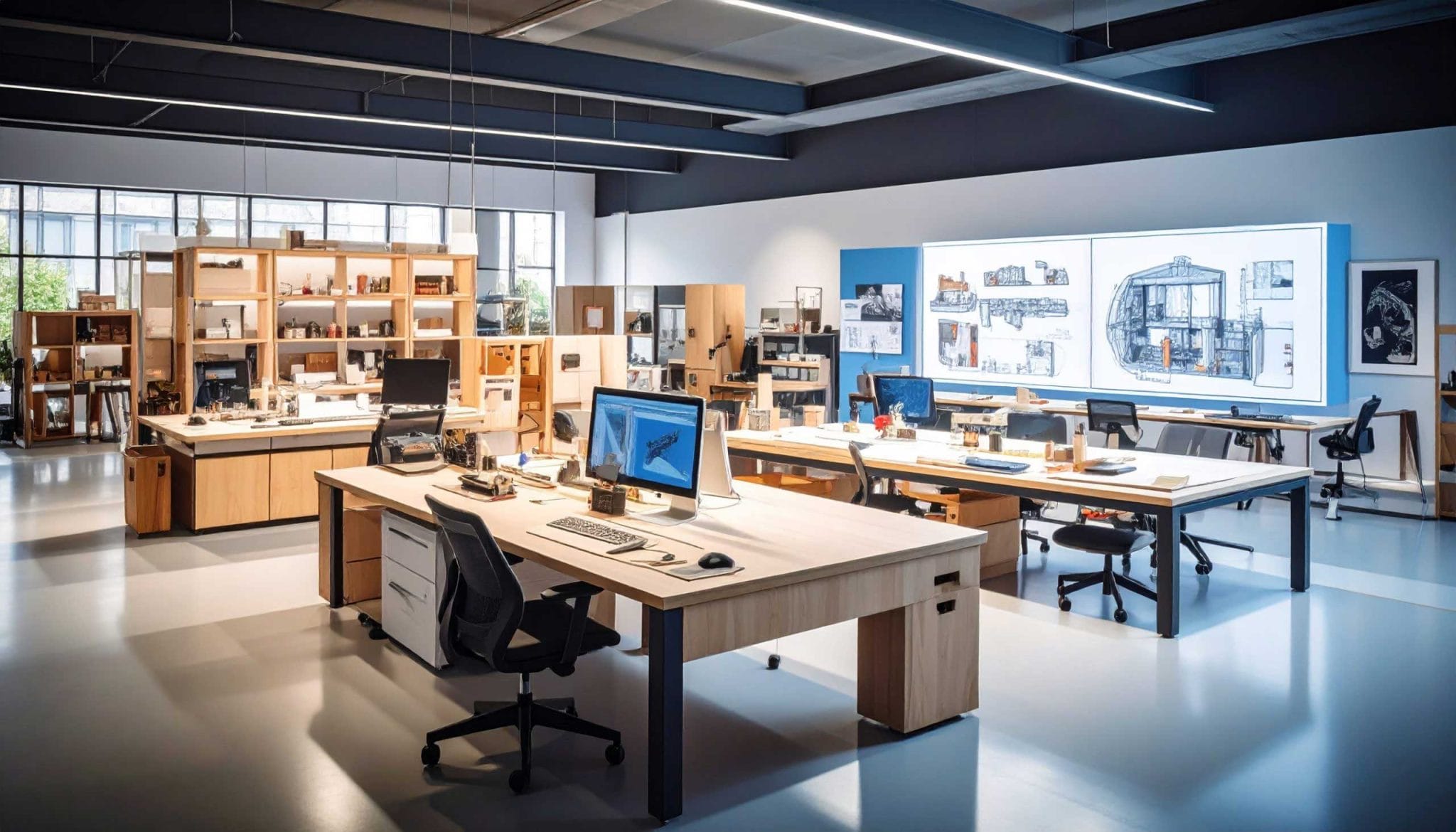
The intersection of traditional craftsmanship and digital technology represents one of the most dynamic frontiers in contemporary design. This evolving relationship—sometimes collaborative, sometimes contentious—is redefining our understanding of what constitutes “handmade” and “artisanal” in the 21st century. Rather than representing opposing forces, digital tools and traditional craft techniques are increasingly merging to create a new design language that honors heritage skills while embracing technological possibilities.
The Changing Landscape of Craft
The relationship between hand and machine has undergone significant evolution:
Historical Context
The tension between handcraft and mechanical production has deep roots:
Arts and Crafts Movement
The late 19th century reaction against industrialization championed handcraft as morally and aesthetically superior to machine production. Led by figures like William Morris, this movement positioned handcraft as inherently more authentic and humane than mechanical alternatives. This perspective established an enduring dichotomy between hand and machine that continues to influence contemporary attitudes toward craft.
Modernist Reconciliation
Early 20th century designers like the Bauhaus school sought to reconcile industrial production with design quality, embracing machines while maintaining concern for form, function, and material integrity. This approach acknowledged industrial reality while attempting to maintain design principles previously associated with handcraft. This reconciliation created precedent for seeing technology as potential ally rather than inevitable enemy of quality.
Postmodern Critique
Late 20th century movements questioned both handcraft romanticism and modernist machine aesthetics, often employing irony and historical reference to challenge established narratives about production methods. This critical perspective highlighted how both handcraft nostalgia and technological utopianism often oversimplified complex relationships between making methods and cultural meaning. This critique created space for more nuanced understanding of production continua rather than binary oppositions.
Contemporary Integration
Current approaches increasingly recognize that digital and manual techniques exist on a spectrum rather than in opposition, with many practitioners deliberately blending approaches based on specific project requirements. This integrative perspective acknowledges that different production methods offer different advantages and limitations rather than inherent superiority or inferiority. This integration creates more sophisticated understanding of how various techniques can complement rather than replace each other.
Digital Evolution
Several technological developments have transformed craft possibilities:
CAD Revolution
Computer-aided design tools have evolved from simple drafting replacements to sophisticated modeling environments that enable forms and relationships difficult or impossible to conceptualize through traditional methods. This evolution has transformed design processes even when final production remains manual. These tools allow unprecedented precision, iteration speed, and formal complexity while maintaining designer control over outcomes.
Digital Fabrication Accessibility
Technologies once available only to large industrial manufacturers—CNC routing, laser cutting, 3D printing—have become increasingly accessible to individual makers and small studios. This democratization has enabled craft-scale production with industrial precision. These tools allow small-batch production with consistency previously possible only through mass manufacturing while maintaining customization capabilities.
Material Innovation
Digitally-informed material development—from engineered wood products to advanced composites—has created new possibilities for combining traditional aesthetics with enhanced performance characteristics. These materials often maintain visual and tactile qualities associated with traditional materials while offering improved stability, durability, or sustainability. This material evolution allows designers to honor traditional material languages while addressing contemporary performance requirements.
Computational Design
Algorithmic and parametric approaches allow creation of forms and patterns that respond to specific parameters while maintaining design intent, creating new aesthetic possibilities beyond both traditional handcraft and conventional digital design. These approaches enable complex relationships between components that would be difficult to manage through either purely manual methods or static digital models. This computational capability creates new formal languages that reference natural complexity rather than either handcraft irregularity or machine uniformity.
Philosophical Reconsideration
The conceptual understanding of craft itself is evolving:
Skill Redefinition
Traditional definitions of craft skill focused on manual dexterity and material manipulation are expanding to include digital literacy, programming capability, and technological fluency. This expansion acknowledges that mastery of digital tools requires development of tacit knowledge similar to traditional craft skills. This redefinition recognizes that digital craftsmanship involves embodied knowledge and practice-based expertise despite different physical manifestations.
Authenticity Reconception
Notions of authenticity previously tied exclusively to direct hand contact with materials are shifting toward emphasis on design intention, process transparency, and maker engagement regardless of specific tools used. This reconception focuses on the relationship between maker and object rather than specific production techniques. This perspective values thoughtful production decisions over romantic notions of “pure” handcraft.
Value Reassessment
The perceived value of objects is increasingly tied to their thoughtful creation and meaningful design rather than specifically to their production method, allowing digitally-crafted pieces to achieve status previously reserved for entirely handmade works. This reassessment focuses on the quality of thinking and intention embedded in objects rather than production technique as primary value determinant. This valuation shift creates space for digital craft to be appreciated on its own terms rather than as inferior simulation of handcraft.
Process Transparency
Growing interest in understanding how things are made—whether through traditional or digital methods—has created new appreciation for production processes that reveal rather than conceal their making. This transparency allows viewers to understand and appreciate the specific combination of techniques that created an object. This process visibility creates more nuanced appreciation for the particular qualities different production methods contribute.
Key Approaches in Digital Craft
Several distinctive methodologies characterize this evolving field:
Hybrid Production
Combining digital and manual techniques creates distinctive results:
Digital Design/Manual Execution
Using computational tools for design development while employing traditional handcraft for final production creates precision in planning with warmth in execution. This approach maintains the tactile qualities and material engagement of handcraft while benefiting from digital precision and iteration capabilities. Furniture designs might be refined through parametric modeling before being constructed using traditional joinery techniques, combining computational optimization with handcrafted execution.
Manual Design/Digital Production
Beginning with hand sketches, models, or prototypes before translating to digital fabrication maintains human gesture and intuition while leveraging technological precision and repeatability. This approach preserves the spontaneity and expressiveness of hand processes while utilizing digital fabrication’s consistency and efficiency. Ceramic forms might begin as hand-sculpted models before being 3D scanned and digitally reproduced, maintaining organic qualities while enabling consistent production.
Iterative Dialogue
Moving repeatedly between digital and manual processes throughout development creates ongoing conversation between different modes of thinking and making. This approach allows each method to inform and enhance the other through continuous feedback loops. Textile designs might move between hand-painted motifs, digital manipulation, screen printing tests, and further digital refinement, creating patterns that could not emerge from either process alone.
Tool Customization
Creating bespoke digital tools or modifying existing ones for specific projects bridges standardized technology and individualized craft approaches. This customization creates unique capabilities that reflect particular design intentions rather than generic software or hardware functions. Custom grasshopper definitions might generate specific textile patterns based on traditional weaving structures, or modified 3D printer extruders might create ceramic forms with distinctive textures impossible through standard equipment.
Material Exploration
Digital craft creates distinctive material relationships:
Digital Materiality
Developing aesthetic languages that honestly express digital production methods rather than mimicking traditional handcraft creates authentic expression of new making approaches. This material honesty acknowledges the specific qualities digital production creates rather than treating them as deficiencies. 3D printed objects might celebrate their distinctive layer lines rather than attempting to hide them, or CNC-milled surfaces might feature tool paths as intentional texture rather than attempting to simulate hand carving.
Traditional Material Reinterpretation
Applying digital techniques to traditional materials creates dialogue between historical associations and contemporary capabilities. This reinterpretation maintains connection to material heritage while exploring new formal possibilities. Digitally-carved wood might feature complexity impossible through manual carving while maintaining wood’s warmth and natural variation, or algorithmically-generated ceramic forms might explore mathematical relationships while embracing clay’s organic qualities.
Material Computation
Designing with awareness of how materials will behave during and after digital fabrication—incorporating material properties into the design process rather than imposing form regardless of material characteristics. This approach respects material intelligence rather than treating materials as passive recipients of digital information. Wooden components might be designed with awareness of grain direction and moisture movement despite being CNC-cut, or 3D printed structures might incorporate material behavior predictions into their generative algorithms.
Finishing Dialogues
Combining machine precision with hand finishing creates objects that benefit from both technological accuracy and human touch. This combination acknowledges the different qualities each approach contributes rather than valuing one exclusively. Digitally-fabricated furniture might receive hand-applied finishes that add warmth and tactility, or laser-cut components might be hand-assembled with visible evidence of human judgment in their connections.
Computational Craft
Algorithmic approaches create new craft possibilities:
Parametric Variation
Creating systems that generate related but unique outcomes based on changing input parameters enables customization while maintaining design coherence. This approach combines the consistency of digital systems with the variation traditionally associated with handcraft. Lighting designs might use parametric models that adjust to specific spatial requirements while maintaining consistent design language, or tableware collections might feature systematic variations that create family resemblance without identical reproduction.
Biomimetic Approaches
Drawing inspiration from natural systems and processes through computational modeling creates forms and relationships that reference organic complexity while utilizing digital precision. This approach connects to traditional craft’s natural inspiration through contemporary technological means. Architectural screens might use algorithms that simulate plant growth patterns to create visually complex but systematically generated perforations, or furniture structures might employ topology optimization to create forms that reference natural bone structures while minimizing material use.
Emergent Pattern Generation
Employing algorithms that produce complex patterns through simple rule sets creates visual richness that references traditional pattern complexity through different means. This approach creates organized complexity similar to many traditional craft patterns but through computational rather than manual repetition. Textile designs might employ cellular automata algorithms to generate patterns with both order and unpredictability similar to traditional ikat or batik techniques, or tile arrangements might use recursive algorithms to create complex tessellations that reference traditional Islamic geometric patterns.
Data Materialization
Transforming information into physical form through computational translation creates objects that embody meaningful data while maintaining aesthetic coherence. This approach gives tangible form to otherwise abstract information through craft-informed materialization. Sculptural objects might physically represent environmental data through form variations, or textile patterns might encode meaningful information through systematically generated motifs, creating objects that function simultaneously as information visualization and aesthetic elements.
Cultural Integration
Digital craft engages with heritage in several ways:
Traditional Technique Preservation
Using digital documentation and analysis to preserve endangered craft techniques creates resources for both traditional practitioners and those using digital tools. This preservation acknowledges the value of traditional knowledge regardless of production method preferences. High-resolution scanning of traditional textile techniques might create detailed records of endangered weaving methods, or motion capture of master craftspeople might document embodied knowledge difficult to convey through static documentation.
Cultural Pattern Translation
Respectfully engaging with traditional pattern languages through digital means creates continuity between historical visual cultures and contemporary production methods. This translation maintains cultural visual languages while exploring new production possibilities. Algorithmically-generated patterns might reference traditional motifs from specific cultural contexts while exploring new variations possible through computational methods, maintaining connection to visual heritage while avoiding direct replication.
Heritage Technique Augmentation
Supplementing traditional methods with digital tools where appropriate supports craft continuity by addressing production challenges while maintaining essential traditional elements. This augmentation acknowledges where technology can support rather than replace traditional practices. Digital loom programming might accelerate complex pattern setup while maintaining traditional hand-throwing of shuttles, or digital measurement tools might improve accuracy in traditional furniture construction while maintaining hand-cut joinery.
Craft Community Building
Creating networks that connect traditional craftspeople with digital practitioners facilitates knowledge exchange and collaborative possibilities across seeming divides. This community building recognizes the value of dialogue between different making approaches rather than isolation. Online platforms might connect geographically distant practitioners working with similar materials through different methods, or collaborative projects might deliberately pair digital designers with traditional artisans to explore complementary capabilities.
Material Applications in Interior Design
Digital craft manifests distinctively across different materials:
Wood Expressions
Timber applications demonstrate several digital craft approaches:
Computational Joinery
Digital design and fabrication enable complex joinery systems that reference traditional woodworking knowledge while exploring new structural and aesthetic possibilities. This approach honors traditional joinery principles while extending them through computational capabilities. Furniture might feature interlocking components impossible to design or execute manually, or architectural elements might employ systematically varied connections that create visual rhythm through mathematical relationships.
Grain Mapping
Digital scanning and modeling of specific timber pieces allows design responses to individual wood characteristics rather than treating material as generic or interchangeable. This approach respects wood’s natural variation while utilizing digital precision to respond to it. Table surfaces might be designed with specific grain patterns incorporated into their digital models, or architectural panels might be arranged to create intentional grain continuity across multiple components through digital grain mapping.
Texture Generation
CNC toolpath programming creates distinctive surface textures that neither mimic traditional hand techniques nor display generic mechanical qualities. This approach develops authentic machine aesthetic that acknowledges digital fabrication’s particular capabilities. Wall panels might feature systematically varied textures created through deliberate toolpath programming, or furniture surfaces might display textural gradients impossible through either traditional carving or conventional machining.
Engineered Timber Innovation
Digital design enables novel applications of engineered wood products that maintain timber’s warmth while achieving performance characteristics impossible with solid wood. This approach respects wood’s aesthetic and tactile qualities while addressing its natural limitations through technology. Cross-laminated timber elements might be digitally designed for specific structural performance while maintaining visible wood surfaces, or curved plywood components might achieve complex geometries through digital form-finding and fabrication processes.
Ceramic Developments
Clay traditions meet digital possibilities:
Computational Form Generation
Algorithmic approaches to ceramic form create vessels and objects with complex geometries that reference traditional pottery while exploring new formal languages. This approach maintains connection to ceramic heritage while extending its formal possibilities. Vases might employ mathematically-generated profiles that create systematic variation within recognizable typologies, or sculptural objects might use computational form-finding to create complex structures that remain rooted in ceramic material properties.
Digital Mold Making
CNC-milled or 3D-printed molds enable complex ceramic forms with precision difficult to achieve through traditional mold-making while maintaining clay’s distinctive material qualities. This approach combines digital precision with traditional material processes. Architectural tiles might use digitally-fabricated molds to create complex relief patterns with consistent reproduction quality, or tableware might employ 3D-printed molds to achieve complex geometries while maintaining traditional slip-casting techniques.
Robotic Clay Extrusion
Automated clay deposition systems create structures with both machine precision and ceramic materiality, often displaying distinctive aesthetic qualities unique to this hybrid approach. This technique creates objects impossible through either traditional hand-building or conventional industrial ceramic production. Large-scale installations might feature robotically-extruded clay structures with complex geometries maintained through precise deposition control, or vessels might display systematic variation through programmed extrusion patterns that create distinctive surface textures.
Surface Computation
Digitally-generated glazing patterns or textures create surface treatments that reference traditional ceramic decoration while employing contemporary computational aesthetics. This approach maintains ceramic’s rich surface tradition while exploring new decorative languages. Tile installations might feature algorithmically-generated patterns that create complex visual relationships across multiple units, or vessels might display digitally-mapped glazing that responds to specific form characteristics through computational analysis.
Textile Innovations
Fabric traditions embrace digital possibilities:
Computational Weaving
Digital loom programming enables complex weave structures difficult or impossible to execute through traditional methods while maintaining the fundamental interlaced nature of woven cloth. This approach extends traditional weaving principles through computational capabilities. Architectural textiles might feature algorithmically-generated weave structures that create complex visual and performance characteristics, or fashion fabrics might employ computationally-optimized structures that achieve specific drape or transparency qualities.
Digital Embroidery Evolution
Computerized embroidery systems create complex stitched patterns that maintain textile tradition while exploring new aesthetic possibilities beyond traditional technique limitations. This approach respects embroidery heritage while extending its capabilities through digital control. Upholstery fabrics might feature generative embroidery patterns that create systematic variation across large surfaces, or decorative panels might display data-driven stitch patterns that transform information into textile expression.
Print-Pattern Innovation
Digital textile printing enables complex patterns with color depth and variation impossible through traditional methods, creating new decorative possibilities while maintaining fabric’s essential material qualities. This approach extends textile pattern tradition through digital imaging capabilities. Interior fabrics might feature complex gradients or photographic elements impossible through screen printing, or digitally-printed patterns might employ computational systems that create non-repeating variations across extended surfaces.
Hybrid Material Development
Combining traditional textile techniques with digital technologies creates fabrics with both tactile heritage and enhanced performance or aesthetic characteristics. This approach respects textile traditions while addressing contemporary requirements through technological integration. Smart textiles might combine traditional weaving with conductive elements for interactive capabilities, or performance fabrics might employ digitally-engineered structures that enhance specific functional properties while maintaining textile hand and appearance.
Metal Approaches
Metalwork traditions find digital expression:
Computational Forming
Digital design and fabrication enable complex metal forms difficult to achieve through traditional methods while maintaining material integrity and expression. This approach extends metalworking possibilities through computational form-finding and fabrication precision. Lighting fixtures might feature algorithmically-generated perforations that create specific illumination effects, or architectural elements might employ digitally-designed folding patterns that create complex forms from flat sheet metal.
Patination Programming
Digitally-controlled finishing processes create systematic variation in metal surface treatments, allowing precise control of patination effects traditionally achieved through less predictable methods. This approach respects traditional metal finishing while offering new precision and repeatability. Decorative panels might feature gradients of patination created through digitally-controlled chemical application, or furniture components might display systematic oxidation patterns created through precisely masked exposure to patination agents.
Additive Metal Fabrication
3D metal printing creates forms impossible through traditional casting or fabrication while maintaining metal’s essential material qualities and performance characteristics. This approach extends metalworking possibilities through additive rather than subtractive or formative processes. Decorative objects might feature complex lattice structures impossible to cast traditionally, or functional components might employ topology optimization to create lightweight but strong structures through mathematically-optimized material distribution.
Digital Joinery Systems
Precision-cut metal components create connection systems that reference traditional metalwork joinery while achieving new levels of accuracy and complexity. This approach extends traditional metal joinery through digital precision and systematic variation. Furniture frames might feature precisely interlocking components that create both structural integrity and visual interest, or modular systems might employ systematically varied connection details that create visual rhythm through mathematical relationships.
Spatial Applications in Interior Design
Digital craft manifests distinctively across different interior elements:
Architectural Elements
Structural and enclosing components demonstrate digital craft approaches:
Computational Screens
Digitally-designed and fabricated architectural screens create complex patterns that filter light, provide privacy, and define space through mathematically-derived perforations or components. This approach extends traditional screen traditions through computational complexity and fabrication precision. Room dividers might feature algorithmically-generated patterns that create gradient privacy conditions, or exterior screens might employ environmental simulation to optimize shading performance while maintaining decorative quality.
Engineered Paneling Systems
Digitally-designed wall and ceiling systems create complex surfaces through systematic component variation, often incorporating acoustic or thermal performance alongside visual interest. This approach integrates technical performance with aesthetic expression through computational design. Acoustic panels might feature systematically varied surface geometries that create both sound diffusion and visual rhythm, or wall systems might employ parametric component designs that create complex overall patterns while maintaining fabrication efficiency.
Topological Transitions
Digitally-designed transitional elements between architectural conditions—stairs, ramps, thresholds—create fluid connections that achieve both functional requirements and sculptural presence. This approach transforms utilitarian elements into expressive features through computational form-finding. Staircases might employ algorithmic optimization to create flowing forms that meet structural requirements while creating visual drama, or ceiling transitions might use computational modeling to create complex geometries that mediate between different spatial conditions.
Responsive Enclosures
Digitally-designed and controlled architectural elements that adapt to changing environmental conditions or occupant needs create dynamic rather than static spatial experiences. This approach extends architecture’s protective function through responsive capabilities. Window systems might employ sensors and actuators to adjust opening positions based on environmental conditions, or room dividers might feature programmable opacity that responds to privacy needs through digital control systems.
Surface Treatments
Wall, floor, and ceiling finishes demonstrate digital craft approaches:
Computational Tiling
Digitally-designed tile systems create complex patterns through systematic variation of component geometry, arrangement, or surface treatment rather than identical repetition. This approach extends traditional tiling through computational pattern generation. Wall installations might feature algorithmically-generated arrangements that create non-repeating patterns from limited component sets, or floor designs might employ parametric tile shapes that create flowing patterns impossible through traditional tile geometry.
Topographic Surfacing
Digitally-fabricated surface treatments create three-dimensional relief based on data mapping or algorithmic generation, transforming flat surfaces into topographic landscapes. This approach creates rich tactile and visual experiences through computational form generation. Wall panels might translate environmental data into physical relief through digital fabrication, or ceiling treatments might employ algorithmic surface generation to create complex acoustic diffusion patterns that double as visual interest.
Material Gradient Systems
Digitally-designed transitions between different materials or treatments create fluid rather than abrupt boundaries, often achieving effects impossible through traditional methods. This approach transforms material transitions from necessary compromises into design features. Flooring might feature algorithmically-generated transitions between different materials that create gradient boundaries rather than straight dividing lines, or wall finishes might employ digitally-controlled application systems that create blended transitions between different colors or textures.
Responsive Finishes
Surfaces incorporating digital technology that changes appearance or performance based on environmental conditions or user interaction create dynamic rather than static experiences. This approach extends surface treatments beyond static decoration to responsive elements. Wall finishes might incorporate thermochromic elements that respond to temperature changes through digitally-designed patterns, or floor surfaces might include pressure-sensitive elements that create interactive experiences through embedded sensor systems.
Furniture Elements
Seating, storage, and tables demonstrate digital craft approaches:
Ergonomic Optimization
Digitally-designed furniture employing computational analysis of human factors creates pieces that achieve both functional performance and distinctive aesthetic expression. This approach integrates ergonomic science with design expression through computational modeling. Seating might employ pressure-mapping data to create optimized comfort through digitally-sculpted surfaces, or work surfaces might use ergonomic simulation to create subtle contours that support comfortable use while maintaining visual simplicity.
Adaptive Systems
Furniture designed to reconfigure based on different use scenarios creates versatility through systematic component design and connection logic. This approach extends furniture functionality through computational system thinking. Storage systems might employ parametrically-designed components that reconfigure for different contents or spaces, or seating elements might feature digitally-designed connection systems that allow multiple arrangements for different social configurations.
Material Efficiency
Digitally-optimized designs that achieve structural and functional requirements with minimal material create pieces that are simultaneously lightweight and durable. This approach employs computational optimization to achieve performance with material economy. Table structures might use topology optimization to create organic forms that provide strength with minimal material, or seating might employ finite element analysis to identify and reinforce only the structurally necessary components while removing unnecessary mass.
Narrative Embedding
Furniture incorporating digitally-embedded information or references creates pieces that function simultaneously as functional objects and carriers of meaning or story. This approach extends furniture beyond utility to communication through digital design capabilities. Tables might incorporate digitally-mapped surface patterns that reference specific geographical locations meaningful to users, or storage pieces might employ scanning technology to create surface treatments derived from personal photographs or documents.
Lighting Applications
Illumination elements demonstrate digital craft approaches:
Computational Diffusion
Digitally-designed light diffusers create specific illumination effects through mathematically-derived perforations, textures, or forms that control light distribution. This approach extends traditional light diffusion through computational precision and complexity. Pendant fixtures might employ algorithmically-generated perforations that create specific light patterns, or wall sconces might feature digitally-designed diffusers that create gradient illumination effects through systematically varied opacity.
Responsive Systems
Lighting incorporating sensors and control systems that adjust to environmental conditions or user preferences creates dynamic rather than static illumination experiences. This approach extends lighting functionality through digital responsiveness. Ceiling systems might adjust color temperature throughout the day to support circadian rhythms through programmed logic, or task lighting might employ occupancy and activity sensing to provide appropriate illumination without manual adjustment.
Formal Complexity
Digitally-designed and fabricated lighting fixtures achieve complex forms impossible through traditional methods, creating sculptural presence alongside illumination function. This approach extends lighting’s decorative aspect through computational form generation. Chandeliers might feature algorithmically-generated branching structures inspired by natural growth patterns, or table lamps might employ topology optimization to create organic forms that provide both structural integrity and visual interest.
Light Mapping
Digitally-controlled projection or LED systems create programmable illumination that transforms spatial experience through dynamic light application. This approach extends lighting beyond fixed fixtures to programmable environmental effects. Wall washing systems might employ digital mapping to create subtle animation effects that change spatial perception, or table surfaces might incorporate programmable illumination that responds to object placement through embedded sensing systems.
Creating Digital Craft: Practical Approaches
Several strategies help develop successful digital craft:
Skill Development
Building necessary capabilities across domains:
Technical Fluency Building
Developing comfort with digital tools through structured learning and regular practice creates foundation for creative application rather than technical limitation. This skill development transforms technology from obstacle to enabler. Practitioners might follow structured tutorials before applying techniques to personal projects, or studios might establish regular skill-sharing sessions to build collective technical capabilities.
Material Understanding Cultivation
Maintaining direct material engagement alongside digital work ensures designs respond to actual material properties rather than idealized digital representations. This parallel development ensures digital designs remain grounded in material reality. Designers might maintain traditional material practice alongside digital work, or digital models might be regularly prototyped physically to test material behavior assumptions.
Collaborative Skill Integration
Building teams that combine different expertise—traditional craft knowledge, digital design capabilities, engineering understanding—creates more sophisticated outcomes than individual practitioners could achieve alone. This collaboration leverages specialized knowledge across domains. Studios might pair traditionally trained craftspeople with digitally fluent designers, or projects might employ consultants with specific technical expertise alongside core design teams.
Continuous Learning Commitment
Maintaining ongoing education in both traditional techniques and emerging technologies prevents skill stagnation in rapidly evolving field. This commitment acknowledges that digital craft requires perpetual learning rather than fixed knowledge. Practitioners might establish regular time for exploring new software capabilities or traditional techniques, or studios might support continuing education through workshops and conference attendance.
Process Development
Creating effective workflows across digital and physical domains:
Iterative Prototyping
Establishing cycles of digital design, physical testing, and design refinement creates dialogue between virtual and actual that improves outcomes. This iterative approach prevents digital designs from becoming disconnected from physical reality. Projects might include multiple prototype stages with increasing fidelity, or digital models might be regularly tested through physical samples before full production.
Documentation Systems
Creating comprehensive records of both successful and unsuccessful approaches builds knowledge base for future work and enables refinement over time. This documentation transforms individual projects into ongoing research. Studios might maintain material and technique libraries documenting various approaches, or digital files might include detailed metadata about production methods and outcomes.
Feedback Integration
Establishing methods for capturing and incorporating information from physical production back into digital processes creates continuous improvement cycles. This feedback ensures digital models become increasingly accurate representations of physical reality. Fabrication results might be 3D scanned to compare with original digital models, or production notes might be systematically incorporated into future digital designs.
Appropriate Technology Selection
Choosing specific digital and physical techniques based on project requirements rather than default approaches or current trends ensures methods serve design intentions rather than dictating them. This thoughtful selection prevents technology-driven rather than intention-driven outcomes. Projects might begin with technique-agnostic conceptual development before selecting specific production methods, or multiple technical approaches might be compared against project criteria before final selection.
Aesthetic Development
Creating distinctive visual languages:
Honest Expression
Developing approaches that authentically express both digital and manual aspects of production rather than disguising either creates more coherent aesthetic outcomes. This honesty acknowledges the specific qualities each approach contributes. Designs might deliberately reveal CNC toolpaths rather than hiding them, or digital aspects might be juxtaposed with visibly handcrafted elements to highlight their relationship.
Historical Dialogue
Creating work that engages thoughtfully with craft traditions while employing contemporary tools establishes continuity rather than rupture with heritage. This dialogue acknowledges valuable knowledge embedded in traditions while exploring new possibilities. Projects might reinterpret traditional patterns through algorithmic variation, or historical techniques might be studied before developing contemporary digital approaches to similar challenges.
Material Voice Amplification
Developing digital approaches that enhance rather than suppress inherent material qualities creates outcomes with both technological sophistication and material authenticity. This amplification respects material character while extending its expression through technology. Wood grain might be scanned and incorporated into digital designs that respond to its specific patterns, or stone variations might be digitally mapped to create cutting patterns that highlight natural characteristics.
Systematic Variation
Creating design systems that generate related but non-identical outcomes provides alternative to both traditional craft variation and digital exact replication. This approach offers middle path between handcraft uniqueness and digital uniformity. Product families might employ parametric systems that create related but distinct members, or architectural elements might use algorithms that generate systematic variation within coherent design languages.
Ethical Consideration
Addressing important values questions:
Production Transparency
Clearly communicating how items are made—including both digital and manual aspects—allows consumers to make informed choices and appreciate specific production qualities. This transparency builds understanding rather than mystification of making processes. Product documentation might explain specific combination of techniques used, or studio communications might showcase both digital and manual aspects of production processes.
Appropriate Technology Application
Choosing digital tools where they offer genuine advantages while maintaining traditional approaches where they remain superior creates balanced rather than ideologically-driven production. This appropriateness respects both heritage techniques and technological capabilities. Projects might employ digital design for complex pattern generation while using traditional techniques for final material application, or production systems might combine digital precision cutting with hand assembly and finishing.
Sustainability Consideration
Evaluating environmental impacts of both digital and traditional approaches—energy use, material efficiency, longevity, repairability—ensures production aligns with ecological responsibilities. This evaluation prevents assumptions about which approaches are inherently more sustainable. Material choices might be evaluated through lifecycle assessment regardless of production technique, or digital design might be employed specifically to reduce material waste while maintaining traditional assembly methods.
Cultural Respect
Engaging thoughtfully with cultural traditions and patterns, particularly when employing digital tools to reference or reinterpret heritage elements from cultures not one’s own. This respect prevents superficial appropriation through technological means. Designers might collaborate directly with traditional practitioners when referencing specific cultural patterns, or digital reinterpretations might be developed with thorough understanding of original contexts and meanings.
Future Directions: Emerging Possibilities
Several developing areas suggest future evolution:
Technological Frontiers
Emerging tools create new possibilities:
AI Collaboration
Machine learning systems that function as creative partners rather than mere tools suggest new relationships between human intention and computational generation. This collaboration creates possibilities beyond what either human designers or algorithms could develop independently. Designers might train custom AI systems on specific aesthetic references before using them as collaborative design partners, or generative adversarial networks might propose unexpected variations that designers then refine and develop.
Material Programming
Developing materials with embedded computational capabilities—whether through structure, chemistry, or embedded technology—creates objects that can respond and adapt without external systems. This programming extends material capabilities beyond static properties to responsive behaviors. Textiles might incorporate programmable elements that change properties in response to environmental conditions, or composite materials might be designed with programmed structural responses to specific stresses.
Biodesign Integration
Combining digital design with biological systems—whether through grown materials, engineered organisms, or biomimetic approaches—creates hybrid outcomes that are neither fully technological nor entirely natural. This integration suggests new relationships between digital precision and biological adaptation. Mycelium-based materials might be grown in digitally-fabricated forms to create hybrid structural elements, or bacterial cultures might be digitally controlled to create pigmentation patterns on natural materials.
Extended Reality Tools
Design and fabrication systems that blend physical and digital realms—through augmented reality interfaces, haptic feedback, or direct manipulation of digital models—create more intuitive connections between virtual and actual. This extension creates more embodied relationships between designers and digital systems. Designers might use AR interfaces that allow direct manipulation of digital models in physical space, or fabrication systems might provide real-time feedback through haptic interfaces that simulate material resistance.
Conceptual Evolutions
Emerging ideas reshape understanding:
Post-Digital Craft
Moving beyond novelty of digital tools toward more mature integration where technology becomes background infrastructure rather than foreground feature suggests more sophisticated relationship between digital and physical. This maturation transforms digital tools from special capabilities to normal aspects of craft practice. Practitioners might move fluidly between digital and manual techniques without distinguishing them as fundamentally different, or design education might integrate digital and traditional approaches without separating them into distinct tracks.
Systems Thinking Integration
Approaching craft as creation of systems rather than individual objects—whether through modular components, adaptive designs, or evolving relationships—suggests more dynamic understanding of made things. This integration extends craft beyond static objects to dynamic systems. Designers might create parametric systems that generate related but distinct outcomes rather than singular designs, or products might be conceived as evolving platforms rather than fixed objects.
Temporal Consideration
Designing with explicit awareness of how objects change over time—through use patterns, material aging, or programmed evolution—creates four-dimensional rather than three-dimensional craft thinking. This consideration extends design beyond initial state to include change trajectories. Materials might be selected specifically for how they will age and develop patina, or digital elements might be programmed to evolve their behavior based on interaction history.
Participatory Frameworks
Creating systems that enable non-specialists to meaningfully participate in design and production processes—through customization platforms, accessible tools, or collaborative frameworks—suggests more democratic craft possibilities. This participation extends craft beyond professional specialists to broader engagement. Open-source parametric systems might allow users to generate personalized variations within coherent design frameworks, or digital platforms might enable collaborative design processes across different expertise levels.
Cultural Implications
Broader impacts of digital craft evolution:
Production Redistribution
Digital fabrication’s potential to enable distributed rather than centralized production suggests shifts in manufacturing geography and scale, potentially revitalizing local production while maintaining global design exchange. This redistribution could transform relationships between design, production, and consumption. Small-scale digital fabrication facilities might produce locally-relevant designs developed through global collaboration, or traditional craft centers might incorporate digital capabilities to extend rather than replace heritage techniques.
Knowledge Preservation
Digital documentation of traditional craft knowledge—through video, motion capture, material analysis, or process recording—creates unprecedented opportunities for technique preservation and transmission. This preservation extends craft knowledge beyond direct apprenticeship to wider accessibility. Traditional techniques might be documented through multiple digital means to capture both visible processes and tacit knowledge, or digital archives might make endangered craft traditions accessible to new practitioners regardless of location.
Accessibility Expansion
Digital tools’ potential to accommodate different physical abilities, learning styles, or geographic locations suggests more inclusive craft participation beyond traditional limitations. This expansion extends craft practice to previously excluded participants. Adaptive digital interfaces might make craft production accessible to people with physical limitations, or distance learning platforms might make specialized knowledge available beyond traditional centers of craft education.
Value Reconsideration
Evolving understanding of what constitutes quality, authenticity, and value in objects that blend digital and traditional aspects suggests shifting criteria beyond conventional craft or industrial evaluation. This reconsideration creates new frameworks for assessing made things beyond traditional categories. Critical discourse might develop new vocabulary for discussing digital craft quality beyond either traditional craft or industrial design criteria, or market systems might evolve to recognize and value the specific qualities of digitally-crafted objects.
Conclusion: The Continuing Evolution of Making
The relationship between digital technology and traditional craft represents not a binary opposition but a complex spectrum of approaches, each offering distinct possibilities and limitations. Rather than replacing traditional craft, digital tools are extending it—creating new capabilities while often revitalizing interest in heritage techniques through contrast and complement. The most interesting work in this field typically emerges not from dogmatic commitment to either traditional or digital methods, but from thoughtful integration based on specific project requirements and maker intentions.
Perhaps most significantly, digital craft is helping to bridge conceptual divides that have separated design, craft, and industrial production since the Industrial Revolution. By combining the precision and scalability of industrial processes with the intentionality and material sensitivity of craft traditions, these approaches suggest more integrated understanding of making that transcends conventional categories. A wooden chair might be designed through algorithmic optimization, components cut with robotic precision, joints traditionally assembled by hand, and surfaces finished with heritage techniques—creating an object that defies simple categorization as either “handmade” or “machine-made.”
As these approaches continue to evolve, the most valuable perspective may be one that focuses less on production methods themselves and more on the quality of thinking embedded in objects—the thoughtfulness of their conception, the appropriateness of their materials, the skill of their execution (regardless of tools used), and the meaningfulness of their presence in the world. This quality-focused rather than method-focused evaluation creates space for appreciating the distinctive contributions of both digital and traditional approaches while recognizing that neither holds inherent moral or aesthetic superiority.
The future of craft likely lies not in choosing between hand and machine but in developing ever more sophisticated relationships between them—relationships that honor heritage while embracing possibility, that maintain human intention while leveraging technological capability, and that create objects expressing the unique moment in which we find ourselves: connected to our past while exploring unprecedented futures.