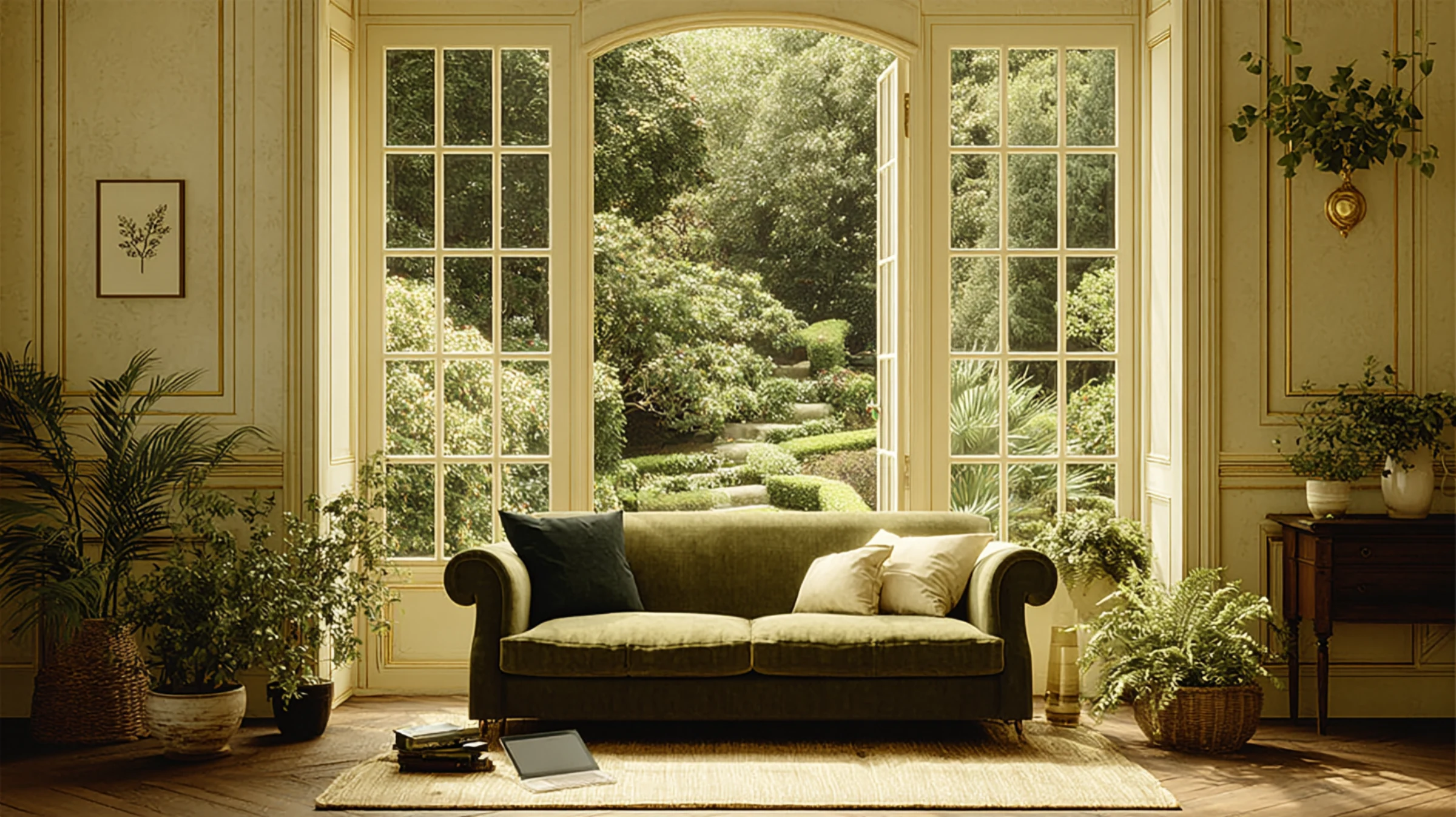
Biophilic Design: Bringing Nature Indoors for Wellbeing
The concept of biophilic design—creating built environments that foster human connection to nature—has evolved from niche interest to mainstream design principle. This transformation reflects growing recognition that our innate affinity…
House of Willow Alexander·
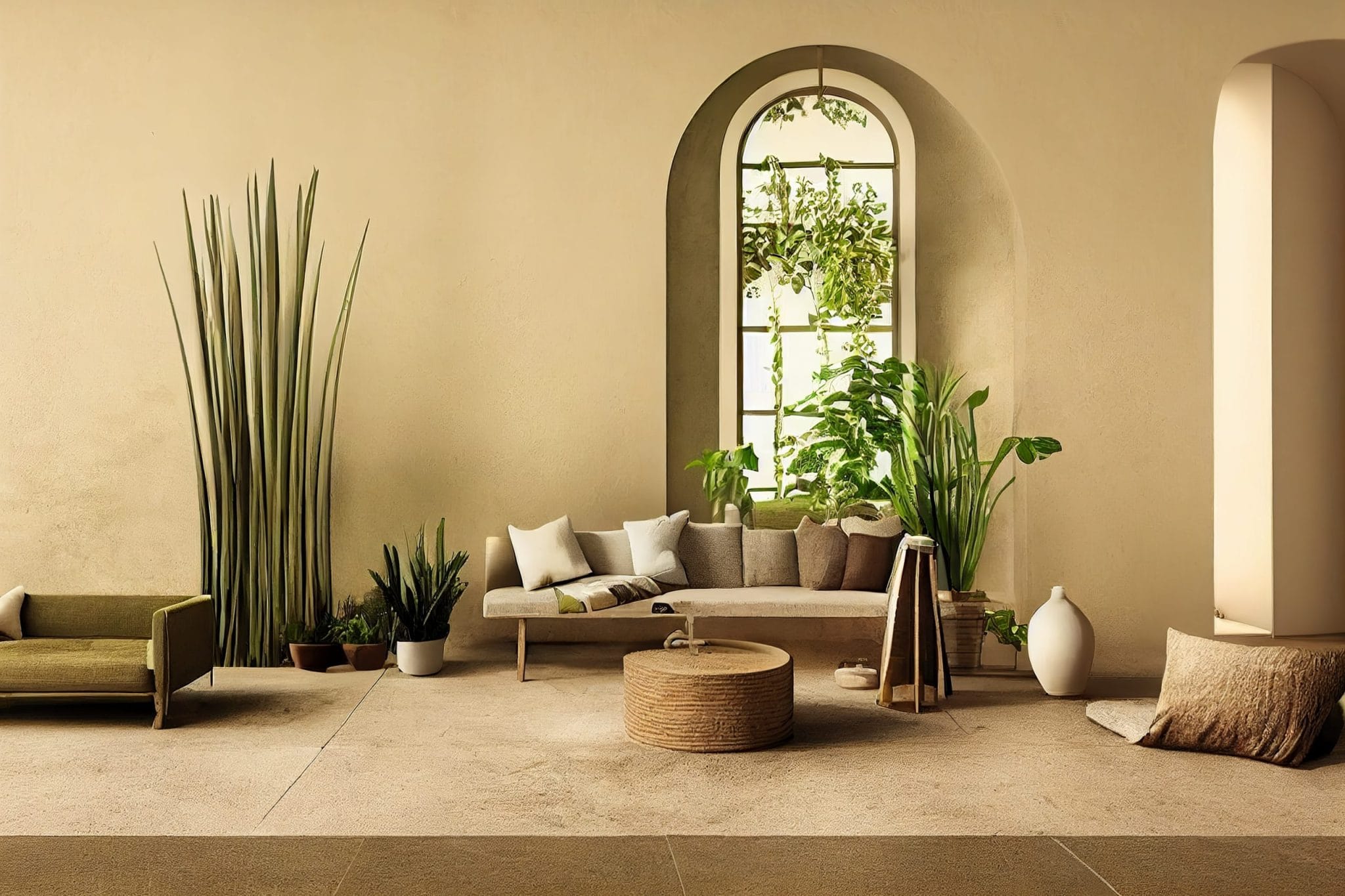
The concept of biophilic design—creating built environments that foster human connection to nature—has evolved from niche interest to mainstream design principle. This transformation reflects growing recognition that our innate affinity for natural elements isn’t merely aesthetic preference but a biological need with profound implications for our physical, mental, and emotional wellbeing. By thoughtfully incorporating natural elements, patterns, and processes into our homes, biophilic design creates spaces that satisfy our evolutionary longing for nature while meeting contemporary needs for comfort, functionality, and beauty.
The Science Behind Biophilic Design
Before exploring specific applications, it’s worth understanding the scientific foundations that explain why natural connections affect us so profoundly.
Evolutionary Foundations
“Our positive responses to natural elements reflect our species’ evolutionary development,” explains environmental psychologist Dr. Emma Richardson. “For 99.9% of human history, we evolved in direct relationship with nature, developing biological preferences for environments that signaled safety, sustenance, and shelter.”
These innate preferences persist despite our relatively recent transition to predominantly indoor living, creating a biological disconnect that biophilic design seeks to address.
Measurable Physiological Benefits
Research consistently demonstrates that exposure to natural elements produces measurable physiological benefits.
“Studies show that even brief visual connections to nature can reduce blood pressure, lower heart rate, decrease stress hormone production, and enhance immune function,” notes medical researcher Dr. James Foster. “These physiological responses occur even with representational natural elements, though their intensity typically increases with the authenticity of the natural connection.”
These biological responses explain why biophilic environments feel immediately calming and restorative—our bodies physically relax in response to natural elements, even when we’re not consciously aware of this reaction.
Cognitive and Psychological Effects
Beyond physical benefits, natural connections significantly impact cognitive function and psychological wellbeing.
“Research demonstrates that biophilic environments can improve concentration, enhance creative thinking, reduce mental fatigue, and accelerate healing,” explains neuroscientist Charlotte Davies. “These cognitive benefits complement emotional effects like improved mood, reduced anxiety, and enhanced sense of meaning and purpose.”
These multidimensional benefits explain why biophilic design has been embraced across diverse contexts—from homes and offices to healthcare facilities and educational environments.
Direct Natural Connections: Living Elements in Interior Spaces
The most straightforward biophilic strategy involves bringing actual natural elements into interior environments.
Indoor Plants: Beyond Decoration
“Indoor plants represent the most accessible biophilic element, offering benefits far beyond mere decoration,” suggests botanist Marcus Chen. “Different plant species offer varying benefits—from exceptional air purification to distinctive textural qualities—allowing for selections tailored to specific spaces and needs.”
When selecting plants for biophilic impact, consider:
– Scale appropriateness: Choosing plants proportionate to your space, from statement trees in larger rooms to tiny specimens in smaller areas
– Light requirements: Matching plant selections to the specific light conditions of different spaces
– Maintenance needs: Selecting species compatible with your care capacity and lifestyle
– Seasonal changes: Incorporating plants that demonstrate visible seasonal shifts, connecting interiors to natural cycles
The most effective biophilic plant strategies typically involve diverse species at multiple heights, creating layered compositions that more closely resemble natural plant communities.
Water Features: Multisensory Natural Elements
Water elements add particularly powerful biophilic dimensions through their multisensory qualities.
“Water features engage multiple senses simultaneously—we see movement and light reflection, hear distinctive sounds, feel increased humidity, and experience psychological cooling effects,” explains sensory design specialist Olivia Harrington. “This multisensory engagement creates particularly immersive natural connections.”
Effective interior water elements range from architectural features like indoor fountains or water walls to smaller tabletop features that provide similar benefits at more modest scales. The key is selecting options appropriate to your space that provide authentic water experiences rather than artificial approximations.
Natural Light Optimization
Perhaps the most fundamental biophilic resource, natural light creates essential connections to exterior conditions and natural rhythms.
“Natural light provides far more than illumination—it connects us to time of day, seasonal shifts, and weather conditions while supporting crucial biological processes,” notes lighting designer Dr. Thomas Blake. “These connections maintain our circadian rhythms, which regulate sleep, hormone production, and numerous other physiological functions.”
Biophilic lighting strategies include:
– Maximizing daylight penetration through window treatments that provide privacy without blocking light
– Creating light gradients that mimic natural conditions rather than uniform illumination
– Incorporating reflective surfaces that bounce natural light deeper into interior spaces
– Considering seasonal light variations when arranging furniture and defining activity zones
These approaches create interiors that feel alive and connected rather than static and isolated from natural conditions.
Natural Materials with Minimal Processing
Materials that retain their natural characteristics create tactile connections to the natural world.
“Minimally processed natural materials allow us to experience nature through touch, creating intimate connections impossible through purely visual means,” explains materials specialist Sophia Williams. “The temperature variation of stone, the grain patterns of wood, or the textural complexity of natural fibers provide sensory experiences that synthetic alternatives cannot replicate.”
The most effective biophilic material applications typically:
– Preserve authentic natural characteristics rather than homogenizing them
– Reveal how materials age and respond to use rather than sealing them against change
– Combine different natural materials to create sensory diversity
– Incorporate local materials that connect to the surrounding landscape
These authentic material experiences create subconscious connections to natural origins that synthetic approximations cannot provide.
Indirect Natural References: Nature-Inspired Design Elements
Beyond direct natural elements, biophilic design incorporates representations and patterns that evoke natural connections.
Organic Forms and Natural Shapes
“Natural forms—whether literal representations or abstract interpretations—trigger biophilic responses even without actual natural materials,” notes design psychologist Dr. Nathan Harris. “These elements tap into our innate recognition of and preference for organic rather than purely geometric forms.”
Effective applications include:
– Furniture with organic silhouettes rather than rigid geometries
– Decorative elements that reference botanical or zoological forms
– Architectural details inspired by natural structures
– Textiles featuring nature-derived patterns
These nature-inspired forms create subtle biophilic connections that complement more direct natural elements.
Natural Color Palettes
Color selections drawn from nature create subconscious connections to natural environments.
“Natural color palettes—whether the blues and greens of water and vegetation or the earth tones of soil and stone—trigger positive psychological associations with natural settings,” explains color psychologist Emma Blake. “These palettes typically feature the complex, mutable qualities characteristic of natural coloration rather than flat, synthetic hues.”
The most effective biophilic color applications typically involve:
– Colors with subtle variation rather than uniform application
– Combinations that reference specific natural environments
– Hues that shift in response to changing light conditions
– Gradual transitions rather than abrupt boundaries
These nature-derived color strategies create spaces that feel grounded and restful rather than artificial or stimulating.
Biomorphic Patterns and Textures
Patterns derived from natural structures create biophilic connections even when applied to non-natural materials.
“Biomorphic patterns—those based on natural structures like honeycomb, leaf veining, or water ripples—trigger positive responses similar to actual natural elements,” suggests pattern designer Charlotte Moore. “These applications create middle-ground biophilic experiences between direct natural elements and more abstract natural references.”
Effective applications include:
– Textiles featuring patterns derived from natural structures
– Architectural screens or dividers with nature-based perforations
– Surface treatments that mimic natural textures
– Tiling or flooring arranged in naturally-occurring mathematical patterns
These pattern applications create spaces that feel subtly natural without requiring literal natural representations.
Biomimicry: Learning from Natural Systems
Beyond aesthetic references, biomimicry applies functional lessons from natural systems to design challenges.
“Biomimicry examines how natural systems solve problems and applies these strategies to human design challenges,” explains biomimicry specialist Dr. James Montgomery. “These approaches create buildings and interiors that function more efficiently while creating subtle connections to natural processes.”
Applications include:
– Ventilation systems inspired by termite mound temperature regulation
– Structural elements based on plant or animal anatomical structures
– Water management approaches derived from natural filtration systems
– Energy conservation strategies that mimic natural efficiency
These functional approaches complement aesthetic biophilic elements, creating environments that both look and function in nature-inspired ways.
Spatial Biophilia: Natural Spatial Experiences
Beyond individual elements, biophilic design considers how spatial arrangements can evoke natural environmental experiences.
Prospect and Refuge Balancing
“The balance between prospect (open views) and refuge (protected spaces) satisfies contradictory evolutionary needs for both safety and awareness,” explains environmental behavior specialist Marcus Blackwood. “Spaces that offer both conditions—perhaps window seats combining outward views with sheltered feeling, or open living areas with more intimate alcoves—create psychologically comfortable environments.”
This spatial strategy explains why certain arrangements feel instinctively right—they satisfy deep evolutionary preferences for environments that offer both protection and opportunity.
Transitional Spaces and Thresholds
Natural environments feature gradual transitions rather than abrupt boundaries, a quality that biophilic design seeks to recreate.
“Transitional spaces—like covered porches, garden rooms, or gradually shifting interior zones—create the layered spatial experiences characteristic of natural settings,” notes architectural designer Olivia Wright. “These graduated thresholds feel more natural than the abrupt transitions common in conventional architecture.”
These transitional approaches create more nuanced spatial experiences that unfold gradually rather than revealing themselves immediately.
Complexity and Order Balance
Natural environments balance complexity with underlying order, creating settings that are simultaneously stimulating and comprehensible.
“Biophilic spaces balance visual complexity that engages our interest with underlying order that prevents overwhelm,” suggests design theorist Dr. Charlotte Davies. “This balance—similar to walking through a forest with diverse elements organized according to natural principles—creates environments that feel simultaneously rich and restful.”
This balanced approach prevents both the understimulation of overly simplified spaces and the chaos of unstructured complexity, creating environments that maintain interest without causing stress.
Mystery and Revelation
Natural settings often reveal themselves gradually, a quality that can be incorporated into interior arrangements.
“Spaces that incorporate elements of mystery—perhaps partially obscured views, glimpsed destinations, or features that reveal themselves only from certain perspectives—create the intrigue and discovery characteristic of natural exploration,” explains environmental psychologist Thomas Wright. “These qualities maintain engagement with environments over time rather than revealing everything at once.”
This strategic incompleteness maintains interest in spaces long after initial exposure, creating environments that continue to engage rather than becoming perceptually invisible through familiarity.
Room-by-Room Biophilic Strategies
While biophilic principles remain consistent, their application varies according to the specific functions and requirements of different spaces.
Biophilic Bedrooms: Supporting Rest and Renewal
“Bedrooms benefit from biophilic elements that support their primary functions of rest, recovery, and intimacy,” suggests sleep environment specialist Dr. Emma Blake. “Natural elements that reduce stress, lower stimulation, and create feelings of security are particularly valuable in these spaces.”
Effective bedroom strategies include:
– Plant selections focused on air purification and oxygen production
– Natural materials that create tactile comfort and temperature regulation
– Nature-inspired color palettes drawn from calming landscapes
– Light management that supports healthy circadian rhythms
These approaches create sleep environments that actively support restoration rather than merely providing places to sleep.
Biophilic Living Spaces: Balancing Stimulation and Calm
“Living areas require biophilic balance between stimulation for social engagement and calm for relaxation,” explains interior designer Marcus Chen. “This typically involves creating different biophilic zones within the larger space that support various activities and energy levels.”
Effective strategies include:
– Varied plant groupings that create different atmospheric zones
– Natural light management that defines different activity areas
– Material combinations that support both active and passive uses
– Spatial arrangements offering both prospect and refuge options
These balanced approaches create living spaces that support the full spectrum of activities these multifunctional rooms typically accommodate.
Biophilic Kitchens: Nature in Functional Spaces
“Kitchen biophilia requires particular attention to practicality while still creating meaningful natural connections,” notes kitchen designer Charlotte Moore. “The focus typically shifts toward natural materials, light, and smaller plant elements that don’t interfere with functional requirements.”
Effective kitchen strategies include:
– Herb gardens that combine beauty with culinary functionality
– Natural materials selected for both appearance and performance
– Window positioning that maximizes natural light on work surfaces
– Nature-inspired color palettes that create freshness and cleanliness associations
These approaches create kitchens that feel connected to nature despite their highly technical functions.
Biophilic Bathrooms: Water-Centered Natural Experiences
“Bathrooms offer unique biophilic opportunities through their inherent water focus,” suggests bathroom designer Dr. James Harrington. “These spaces can become particularly powerful biophilic environments by expanding on their existing natural element.”
Effective bathroom strategies include:
– Shower plants that thrive in humid conditions
– Natural materials that respond beautifully to water exposure
– Light management that creates spa-like natural illumination
– Water features that enhance the existing aquatic theme
These approaches transform utilitarian spaces into genuine nature-connected experiences that support wellbeing beyond basic functions.
Biophilic Home Offices: Nature Supporting Productivity
“Home offices benefit from biophilic elements that enhance cognitive function, creativity, and stress management,” explains workplace psychologist Sophia Williams. “These spaces require careful balance between stimulation for engagement and calm for concentration.”
Effective home office strategies include:
– Plant selections known to improve air quality and cognitive function
– Views or images of nature positioned for periodic attention restoration
– Natural materials that create tactile variation and sensory interest
– Light management supporting both alertness and screen visibility
These approaches create work environments that actively support productivity and wellbeing rather than merely providing places to work.
Biophilic Design for Different Property Types
While biophilic principles remain consistent, their application varies significantly across different architectural contexts.
Urban Apartment Biophilia
“Urban apartments require particularly thoughtful biophilic strategies to compensate for limited natural connections,” suggests urban living specialist Olivia Harrington. “These spaces benefit from concentrated natural elements that maximize impact within constrained footprints.”
Effective urban apartment strategies include:
– Vertical gardening systems that maximize plant presence in limited floor space
– Window treatments that prioritize natural light over privacy where possible
– Material selections that introduce natural elements without consuming space
– Strategic mirrors that amplify existing natural light and views
These approaches create natural connections that counterbalance the urban context, providing essential biophilic experiences despite spatial limitations.
Period Property Biophilia
“Historic properties often feature inherent biophilic qualities through traditional materials and architectural arrangements,” notes architectural historian Dr. Thomas Blake. “Biophilic strategies for these buildings typically involve enhancing existing natural elements while respectfully introducing contemporary natural connections.”
Effective period property strategies include:
– Restoring original features that already provide natural connections
– Introducing plants that complement historical character
– Enhancing natural light while respecting architectural integrity
– Selecting new materials compatible with existing natural elements
These approaches honor historical character while enhancing biophilic qualities for contemporary wellbeing.
New Construction Biophilia
“New buildings offer opportunities to integrate biophilic principles from the earliest design stages,” explains architectural designer Emma Richardson. “This allows for fundamental biophilic strategies impossible to implement in existing structures.”
Effective new construction strategies include:
– Architectural forms inspired by natural structures
– Window positioning optimized for natural light and views
– Built-in features for plant integration and water elements
– Material selections that create comprehensive natural palettes
These foundational approaches create inherently biophilic environments rather than adding natural elements to conventional structures.
Garden Integration for Indoor-Outdoor Biophilia
“The most powerful biophilic strategies often involve strengthening connections between interiors and adjacent outdoor spaces,” suggests landscape designer Marcus Wright. “These approaches blur boundaries between inside and outside, creating expanded natural experiences.”
Effective garden integration strategies include:
– Aligned interior and exterior materials that create visual continuity
– Doorway and window positioning that frames specific garden views
– Plant selections that thrive both indoors and out, creating botanical connections
– Transitional spaces like covered porches or garden rooms that belong to both worlds
These connective approaches expand perceived space while maximizing natural engagement.
Practical Implementation: Making Biophilic Design Work
Beyond theoretical principles, successful biophilic design requires practical strategies that ensure natural elements thrive within interior environments.
Plant Success Strategies
“The most common biophilic failure involves plant health issues that transform potential benefits into actual stressors,” notes plant care specialist Charlotte Davies. “Successful indoor plantings require specific strategies that ensure botanical elements enhance rather than detract from interior environments.”
Essential considerations include:
– Realistic assessment of available light and appropriate plant selection
– Proper drainage systems that prevent water damage to interior surfaces
– Maintenance planning appropriate to lifestyle and availability
– Seasonal adjustments that accommodate changing conditions
These practical approaches ensure living elements remain assets rather than becoming problems requiring removal.
Material Maintenance Considerations
Natural materials typically require different maintenance approaches than synthetic alternatives, necessitating appropriate care protocols.
“The beauty of natural materials often lies in how they age and develop character through use,” explains material care specialist Dr. James Montgomery. “Appropriate maintenance preserves functional integrity while allowing beneficial patina development that enhances rather than degrades appearance.”
Effective approaches include:
– Understanding how different natural materials respond to use and environment
– Selecting appropriate protective treatments that preserve natural characteristics
– Developing maintenance routines that enhance natural beauty over time
– Appreciating how natural aging differs from damage requiring intervention
These maintenance strategies allow natural materials to develop character while maintaining functionality.
Seasonal Adaptation Strategies
Unlike static design approaches, biophilic interiors benefit from seasonal adjustments that reflect natural cycles.
“Seasonal adaptations—from plant rotations to textile changes to lighting adjustments—maintain connection to natural rhythms that static environments cannot provide,” suggests seasonal design specialist Sophia Williams. “These changes create environments that feel alive and responsive rather than frozen in a single condition.”
Effective seasonal strategies include:
– Plant selections that demonstrate visible seasonal changes
– Textile rotations that reflect seasonal color and texture shifts
– Lighting adjustments that compensate for seasonal daylight variations
– Decorative elements that acknowledge seasonal transitions
These dynamic approaches create homes that evolve with natural cycles, maintaining interest while strengthening natural connections.
Biophilic Design on Different Budgets
Biophilic benefits are available at various investment levels, making natural connections accessible across different financial circumstances.
“Meaningful biophilic experiences don’t necessarily require significant expenditure,” notes design economist Marcus Chen. “Strategic natural interventions can create substantial benefits even with modest investments, while more comprehensive approaches offer expanded advantages for those with greater resources.”
Accessible biophilic strategies include:
– Starting with small plant collections that can expand over time
– Prioritizing natural light enhancement through window treatment adjustments
– Introducing natural materials through smaller elements before larger applications
– Focusing on views and connections to existing natural elements
These scalable approaches make biophilic benefits available regardless of budget constraints.
Conclusion: Beyond Trend to Timeless Principle
Unlike many design movements that reflect temporary fashion, biophilic design addresses fundamental human needs that transcend time and culture. By reconnecting our indoor environments with the natural elements our physiology evolved to expect, these approaches don’t merely create beautiful spaces—they actively support our biological, psychological, and emotional wellbeing in measurable ways.
As you consider incorporating biophilic elements into your own home, remember that the most successful approaches balance aesthetic appeal with genuine natural connection. Rather than simply adopting visual trends labeled as “biophilic,” focus on creating authentic relationships with natural elements, patterns, and processes that provide real physiological and psychological benefits.
This authentic approach creates homes that satisfy our innate need for natural connection while meeting contemporary requirements for comfort, functionality, and beauty. In doing so, biophilic design doesn’t merely follow current fashion but addresses timeless human needs—creating environments that will continue to nurture wellbeing long after current trends have passed into history.