Container Gardening: The Small Space Solution
In an era where outdoor space is increasingly precious, container gardening has emerged as the definitive solution for those with limited gardening areas. Whether you have a compact balcony, a…
House of Willow Alexander·
In an era where outdoor space is increasingly precious, container gardening has emerged as the definitive solution for those with limited gardening areas. Whether you have a compact balcony, a modest patio, or simply wish to introduce versatility to a larger garden, container gardening offers unparalleled flexibility, creative expression, and year-round interest. This approach to gardening—cultivating plants in pots, troughs, and other vessels rather than in open ground—has evolved from a space-saving necessity into a sophisticated design discipline that allows for remarkable horticultural achievements in even the most confined spaces.
The Evolution of Container Gardening
Container gardening is far from a modern innovation. Throughout history, gardeners have used vessels to grow plants, from the hanging gardens of Babylon to the ornate orangeries of Renaissance Europe. However, contemporary container gardening has evolved into a refined art form that combines horticultural knowledge with design sensibility.
“What we’re seeing now is a renaissance in container gardening,” explains garden historian Dr. Emma Richardson. “Historical container gardens were often status symbols—displays of exotic plants that demonstrated wealth and global connections. Today’s approach is more democratic but no less sophisticated, focusing on sustainability, adaptability, and personal expression.”
This evolution reflects broader changes in how we view our outdoor spaces—not as static ornamental areas but as dynamic, functional extensions of our living environments that can adapt to changing needs and preferences.
The Advantages of Container Gardening for Small Spaces
Container gardening offers numerous benefits that make it particularly well-suited to small outdoor areas.
Flexibility and Mobility
Perhaps the most significant advantage of container gardening is the flexibility it provides. Unlike plants grown in the ground, container plantings can be moved to follow the sun, shelter from harsh weather, or create different spatial arrangements as needed.
“This mobility transforms how we think about garden design,” notes small space specialist Marcus Chen. “Rather than creating fixed landscapes, container gardens allow for seasonal rearrangement, responding to both environmental conditions and aesthetic preferences.”
This adaptability is particularly valuable in rental properties, where permanent planting may not be permitted, or in spaces that serve multiple functions throughout the year.
Optimal Growing Conditions
Container gardening allows for precise control over growing conditions, often enabling cultivation of plants that might struggle in existing garden soil.
“Each container creates a microenvironment that can be tailored to specific plant needs,” explains horticultural scientist Dr. Charlotte Davies. “From soil composition and drainage characteristics to exposure and watering regimes, containers offer customization that’s impossible to achieve in open ground on a plant-by-plant basis.”
This control makes container gardening ideal for growing specialized plant collections or cultivating species with particular requirements that might not thrive in your local soil conditions.
Vertical Opportunity
In the smallest spaces, the vertical dimension becomes invaluable, and container gardening excels at utilizing vertical space effectively.
“Vertical container arrangements can transform a two-dimensional space into a three-dimensional garden,” notes vertical gardening expert James Montgomery. “Wall-mounted systems, tiered stands, and hanging containers multiply the growing area without consuming precious floor space.”
This approach is particularly effective on balconies and in courtyard gardens, where horizontal space is severely limited but vertical surfaces are abundant.
Seasonal Adaptability
Container gardens can be refreshed and replanted with relative ease, allowing for continuous seasonal interest throughout the year.
“The ability to switch out plants as they finish their season of interest is perhaps container gardening’s greatest advantage,” suggests seasonal planting specialist Olivia Harrington. “This flexibility ensures small spaces remain vibrant and engaging year-round, rather than having fallow periods that make them feel neglected.”
This seasonal adaptability allows small spaces to deliver far more variety and interest than would be possible with the same footprint of permanent plantings.
Creative Approaches to Container Selection
The vessels you choose for container gardening significantly impact both plant health and aesthetic appeal. Contemporary container gardening embraces a wide range of options beyond traditional terracotta pots.
Upcycled Garden Containers
Sustainability concerns have inspired creative repurposing of existing objects as planting containers, reducing waste while adding unique character to gardens.
“Upcycled containers often bring narrative and personality that commercial options lack,” explains sustainable design consultant Thomas Blake. “From vintage wooden crates and metal toolboxes to old sinks and bathtubs, these repurposed vessels create distinctive plantings with history and character.”
When selecting upcycled containers, ensure they provide adequate drainage and won’t leach harmful substances into the soil. Line metal containers with permeable landscape fabric to prevent soil contact with potentially toxic surfaces.
Designer Container Options
For those seeking a more curated aesthetic, the market for designer garden containers has expanded dramatically, offering options for every style preference.
“Contemporary container design has moved far beyond basic terracotta,” notes garden style expert Eleanor Winters. “Today’s options include architectural concrete forms, weathering steel planters with clean lines, and handcrafted ceramic vessels that are artworks in themselves.”
These designer containers often feature improved functionality alongside aesthetic appeal, with self-watering systems, improved insulation, and lightweight materials that combine durability with practicality.
Material Considerations for Longevity
The material of your containers significantly impacts both plant health and long-term durability, particularly important in the British climate.
“Material selection should consider both aesthetic preferences and practical requirements,” advises materials specialist Dr. Nathan Harris. “Frost-resistant ceramics, composite materials, and certain metals offer longevity in our climate, while some traditional materials may deteriorate rapidly without proper winter protection.”
For maximum longevity, look for containers specifically rated as frost-proof rather than merely frost-resistant, particularly for larger containers where winter protection is challenging.
Scale and Proportion in Container Selection
The dimensions of containers significantly impact both plant health and visual impact in small garden spaces.
“Counter-intuitively, smaller spaces often benefit from fewer, larger containers rather than numerous small pots,” explains garden designer Sophia Williams. “Larger containers create more visual impact, provide better root insulation, require less frequent watering, and allow for more complex plant combinations.”
As a general rule, containers should be proportionate to the overall space while providing adequate soil volume for the intended plants. For trees and larger shrubs, containers should be at least 50cm in diameter to provide sufficient root space and stability.
Strategic Container Placement for Maximum Impact
How you arrange containers within your space significantly impacts both their visual effect and the garden’s perceived spaciousness.
Clustering for Visual Impact
Rather than distributing containers evenly throughout a space, considered grouping creates more powerful visual statements while maintaining open areas that prevent the garden from feeling cluttered.
“Grouping containers of varying heights creates more impact than spacing them evenly,” suggests garden stylist Rebecca Moore. “These clusters become focal points that draw the eye, while leaving other areas open to create a sense of spaciousness.”
For maximum effect, arrange containers in odd-numbered groupings (three, five, or seven) rather than pairs, as odd numbers create more dynamic, visually interesting compositions.
Layered Arrangements for Depth
Creating layers of containers at different heights adds depth and interest to container displays, making even small spaces feel more dynamic.
“Layering containers transforms flat arrangements into three-dimensional compositions,” explains container design specialist Marcus Blackwood. “Using plant stands, steps, or purpose-built tiered shelving creates a cascade effect that showcases each plant while maximizing growing space.”
This approach works particularly well against walls or in corners, where vertical space can be fully utilized without impeding movement through the garden.
Seasonal Rotation Strategies
One of container gardening’s greatest advantages is the ability to move plants in and out of prominence as their seasonal interest peaks and wanes.
“Develop a ‘backstage’ area where containers can be positioned when plants are past their prime or preparing for their season of interest,” suggests seasonal garden specialist Emma Blake. “This rotation system ensures your primary viewing areas always feature plants at their peak.”
This approach is particularly valuable for flowering plants with limited blooming periods or deciduous specimens that may look bare during winter months.
Creating Pathways and Boundaries
In larger spaces, strategically placed containers can define pathways, create boundaries, and establish distinct garden zones without permanent construction.
“Containers can function as architectural elements that guide movement and define spaces,” notes garden designer James Harrington. “Linear arrangements create implied boundaries, while staggered groupings can suggest pathways that invite exploration.”
This approach is particularly valuable in rental properties or where permanent landscape changes aren’t feasible, allowing for sophisticated spatial design without permanent alterations.
Seasonal Container Planting for Year-Round Interest
Creating container displays that remain engaging throughout the year requires thoughtful planning and plant selection that considers the unique challenges of each season.
Spring Container Displays: Awakening Interest
Spring container gardens celebrate renewal and the return of color after winter dormancy.
“Spring containers should balance early color with developing structure,” advises seasonal planting expert Charlotte Moore. “Layering bulbs at different depths beneath cold-tolerant perennials or shrubs creates successive waves of interest from late winter through early summer.”
Effective spring combinations might include:
– Early narcissus and crocus beneath compact evergreen shrubs
– Hellebores and primroses with emerging hostas
– Muscari and tulips complemented by the fresh foliage of heucheras
For extended seasonal interest, select bulbs with staggered flowering periods and perennials that offer attractive foliage after blooming concludes.
Summer Container Displays: Peak Abundance
Summer containers capitalize on the season’s abundant growth and flowering potential.
“Summer offers the widest plant palette but also presents challenges with watering and maintenance,” notes container specialist Olivia Wright. “The most successful summer containers balance visual impact with practical considerations like drought tolerance and deadheading requirements.”
Effective summer combinations include:
– Structural evergreens surrounded by cascading verbena and calibrachoa
– Ornamental grasses with dahlias and salvias for architectural interest
– Drought-tolerant Mediterranean herbs with lavender and compact roses
For ease of maintenance, consider self-watering containers or irrigation systems for summer displays, particularly in exposed or difficult-to-access locations.
Autumn Container Displays: Rich Maturity
Autumn containers embrace the season’s rich colors and textural interest as the garden transitions toward winter.
“Autumn containers should celebrate maturity rather than decline,” suggests garden designer Thomas Wright. “Selecting plants with late-season interest—seedheads, berries, changing foliage color—creates displays that look intentional rather than tired.”
Effective autumn combinations include:
– Ornamental grasses with seedheads catching low sunlight
– Late-flowering sedums with cyclamen and autumn-tinted heucheras
– Compact conifers with winter-flowering heathers and trailing ivy
For extended seasonal interest, incorporate plants with architectural seedheads that will persist into winter, providing structure and frost-catching elements.
Winter Container Displays: Structural Elegance
Winter containers focus on architectural elements, evergreen structure, and subtle color during the garden’s dormant period.
“Winter containers require a different design approach, emphasizing form over flower,” explains winter garden specialist Dr. Amelia Chen. “The most successful displays incorporate varied textures, forms, and foliage colors that look intentional rather than like summer containers that haven’t been refreshed.”
Effective winter combinations include:
– Variegated and colored-stem dogwoods with hellebores and snowdrops
– Structural evergreens with winter-flowering jasmine and cyclamen
– Compact conifers with winter pansies and trailing ivy
For maximum winter impact, position containers where low winter sun will backlight structural elements, and consider adding subtle lighting to extend viewing hours during short winter days.
Year-Round Container Displays: The Backbone Approach
While seasonal rotation brings variety, maintaining some consistency through “backbone” containers provides continuity and reduces maintenance.
Evergreen Foundation Plantings
Evergreen-focused containers provide year-round structure while accommodating seasonal additions and changes.
“Dedicating approximately 60% of container space to evergreen structural plants creates a framework that looks intentional throughout the year,” advises garden designer Eleanor Winters. “The remaining space can accommodate seasonal changes without the entire display looking bare during transitions.”
Effective evergreen backbone plants include:
– Compact conifers like Juniperus ‘Blue Star’ or Taxus baccata ‘Repandens’
– Architectural evergreens like Phormium ‘Sundowner’ or Fatsia japonica
– Evergreen shrubs with seasonal features like Skimmia japonica or Sarcococca confusa
These backbone plants should be selected for year-round appeal rather than brief seasonal interest, with consideration for their mature size in containers.
Seasonal Accent Integration
Around evergreen backbones, seasonal accents can be integrated through various approaches.
“Rather than completely replanting containers, consider ‘drop-in’ techniques where seasonal flowering plants in smaller pots are nestled among permanent plantings,” suggests container maintenance specialist James Foster. “This approach reduces root disturbance while allowing for seasonal refreshment.”
Alternatively, leave space in permanent containers specifically for seasonal additions, using color bowls or dedicated pots for rotating seasonal displays in prominent positions.
Container Renovation Schedules
Even well-designed permanent containers require periodic renovation to maintain plant health and visual appeal.
“Establish a rotation schedule where each permanent container is renovated every 2-3 years,” recommends horticultural expert Dr. Sophia Chen. “This renovation should include root pruning of permanent plants, soil refreshment, and evaluation of whether plants have outgrown their containers.”
This systematic approach prevents containers from becoming root-bound while ensuring soil remains fertile and well-structured for optimal plant health.
Designer Tips for Container Arrangement
Professional container designers employ several key techniques to create displays with maximum impact and longevity.
The Thriller, Filler, Spiller Approach
This classic container design formula creates visually balanced compositions with multiple layers of interest.
“The thriller-filler-spiller approach provides a reliable framework for container design,” explains garden stylist Marcus Chen. “A central architectural element (thriller) creates height, mid-level plants (fillers) provide mass and color, while trailing elements (spillers) soften edges and create vertical connection.”
While this formula provides a useful starting point, contemporary container design often modifies this approach, sometimes using multiple thrillers or emphasizing spillers for dramatic cascading effects.
Color Theory in Container Design
Understanding color relationships helps create container combinations with sophisticated visual impact.
“Color theory offers valuable guidance for container compositions,” notes color specialist Charlotte Davies. “Complementary colors (opposite on the color wheel) create vibrant contrast, analogous colors (adjacent on the wheel) offer harmonious combinations, and monochromatic schemes (variations of a single color) provide elegant sophistication.”
For small spaces, limiting each container grouping to a defined color palette creates cohesion, while ensuring different groupings relate to each other through at least one common color creates garden-wide harmony.
Textural Contrast for Visual Interest
Beyond color, textural variation creates compelling container displays that maintain interest even when plants aren’t flowering.
“Contrasting textures—fine against bold, glossy against matte, rigid against flowing—creates visual complexity that engages the eye,” suggests textile designer turned gardener Emma Richardson. “These textural relationships remain effective throughout the year, unlike flower color that may be seasonal.”
For maximum impact, combine dramatically different textures within each container rather than creating single-texture displays, ensuring each plant’s distinctive characteristics remain visible.
Repetition for Cohesion
Strategic repetition of plants, colors, or container styles creates visual cohesion across multiple container groupings.
“Repetition acts as visual punctuation that guides the eye through container displays,” explains garden designer Thomas Blake. “Repeating key plants or colors at intervals creates rhythm and connection, making multiple containers read as a unified garden rather than isolated elements.”
This approach is particularly effective in larger spaces with multiple container groupings, where repetition creates a sense of intentional design rather than random collection.
Practical Considerations for Container Garden Success
Beyond aesthetics, several practical considerations ensure container gardens thrive rather than merely survive.
Irrigation Solutions for Container Gardens
Consistent watering presents one of container gardening’s greatest challenges, particularly in exposed locations or during summer months.
“Water management can make or break container gardens,” warns irrigation specialist Dr. James Montgomery. “Self-watering containers, drip irrigation systems, or water-retaining soil amendments can dramatically reduce maintenance while improving plant health.”
For containers that can’t accommodate built-in irrigation, grouping pots with similar water requirements simplifies maintenance, while moisture meters provide accurate assessment of watering needs beyond visual cues.
Seasonal Container Maintenance
Regular maintenance keeps container displays looking intentional rather than neglected, with requirements varying throughout the year.
“Establish seasonal maintenance routines that address the specific challenges of each period,” suggests garden maintenance expert Olivia Harrington. “Spring cleaning, summer deadheading, autumn cutbacks, and winter protection form the foundation of effective container care.”
Creating a maintenance calendar specific to your container collection ensures timely interventions that prevent small issues from becoming significant problems.
Soil Considerations for Container Health
The growing medium in containers significantly impacts plant health, with different requirements than garden soil.
“Container growing media should balance water retention with adequate drainage,” explains soil scientist Dr. Nathan Harris. “Purpose-formulated container mixes typically include components like perlite or vermiculite that create air pockets essential for root health in the confined environment of containers.”
For long-term containers, annual top-dressing with fresh compost and periodic complete soil refreshment maintains fertility and structure that might otherwise decline over time.
Winter Protection Strategies
British winters present particular challenges for container gardens, with freezing temperatures potentially damaging both plants and containers.
“Winter protection for containers should address three primary concerns: root insulation, wind exposure, and excessive moisture,” advises winter garden specialist Emma Blake. “Wrapping containers in bubble wrap or hessian, positioning in sheltered locations, and elevating on pot feet to improve drainage significantly increases winter survival rates.”
For particularly tender plants, consider temporary relocation to protected areas like unheated greenhouses, cold frames, or against sheltered walls that provide additional warmth.
Container Gardening for Specific Purposes
Beyond general ornamental displays, container gardening can address specific functional needs in small spaces.
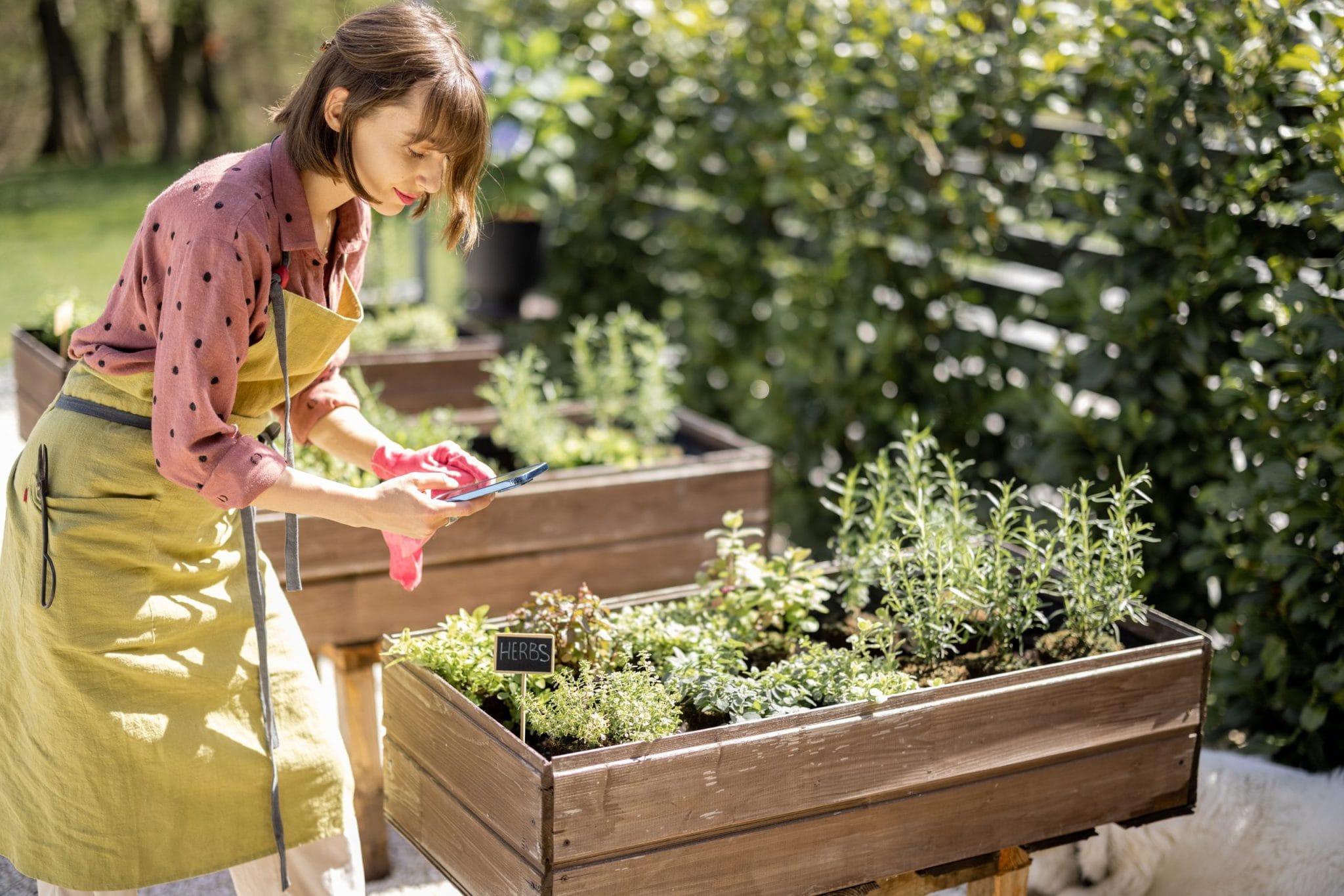
Edible Container Gardens: Productive Small Spaces
Container gardening offers remarkable productive potential, allowing for food growing in even the smallest spaces.
“The productivity possible from container vegetable gardens often surprises people,” notes kitchen garden specialist James Foster. “A thoughtfully planted 1m² of containers can provide significant harvests of herbs, salad leaves, and even compact vegetables throughout the growing season.”
For maximum productivity, consider:
– Vertical growing systems for trailing crops like strawberries or tumbling tomatoes
– Succession planting where quick-growing crops are replaced multiple times per season
– Compact varieties specifically bred for container cultivation
– Combining ornamental and edible plants in “beautiful edible” displays
This approach transforms even tiny balconies or patios into productive growing spaces that contribute to household food supply.
Wildlife-Friendly Container Gardens
Container gardens can create valuable wildlife habitat, particularly important in urban environments where natural resources may be scarce.
“Even small container gardens can support surprising biodiversity,” explains wildlife gardening expert Dr. Charlotte Moore. “Selecting pollen-rich plants, providing water sources, and creating microhabitats within container arrangements creates valuable urban wildlife corridors.”
Effective wildlife container features include:
– Pollinator-focused plantings with successive flowering periods
– Small water features or bird baths
– Insect hotels incorporated into container arrangements
– Berry-producing plants for bird food
– Night-scented plants for moth attraction
These wildlife-friendly elements can be seamlessly integrated into ornamental container displays, creating gardens that are both beautiful and ecologically valuable.
Therapeutic Container Gardening
The accessibility and manageable scale of container gardening makes it particularly suitable for therapeutic and adaptive gardening applications.
“Container gardening removes many physical barriers to gardening participation,” notes horticultural therapist Sophia Williams. “Raised containers eliminate bending, containers can be positioned for seated access, and the reduced maintenance requirements make gardening accessible to those with limited energy or mobility.”
For therapeutic applications, consider:
– Elevated containers at appropriate heights for users’ needs
– Lightweight growing media for containers that may need movement
– Sensory-rich plant selections with varied textures, scents, and colors
– Simplified maintenance routines that focus on enjoyable rather than strenuous tasks
These adaptations make gardening accessible to those who might find traditional ground-level gardening challenging while providing the well-documented mental health benefits of horticultural engagement.
Conclusion: The Limitless Potential of Limited Space
Container gardening represents perhaps the most democratic form of horticulture—making gardening accessible regardless of space limitations, tenure situations, or physical capabilities. Far from being a compromise necessitated by spatial constraints, contemporary container gardening offers unique creative opportunities and practical advantages that make it a preferred approach for many gardeners, regardless of available space.
The most successful container gardens embrace the medium’s inherent flexibility, creating displays that evolve throughout the year while maintaining consistent quality and interest. Through thoughtful plant selection, strategic container placement, and appropriate maintenance routines, even the smallest balcony or patio can become a garden of remarkable diversity, productivity, and beauty.
As you approach your own container garden, remember that the constraints of small spaces often inspire the most creative solutions. With careful planning and execution, your container garden can deliver experiences and rewards that rival or exceed those of much larger traditional gardens—proving definitively that exceptional gardening is measured not in square meters but in imagination, understanding, and care.