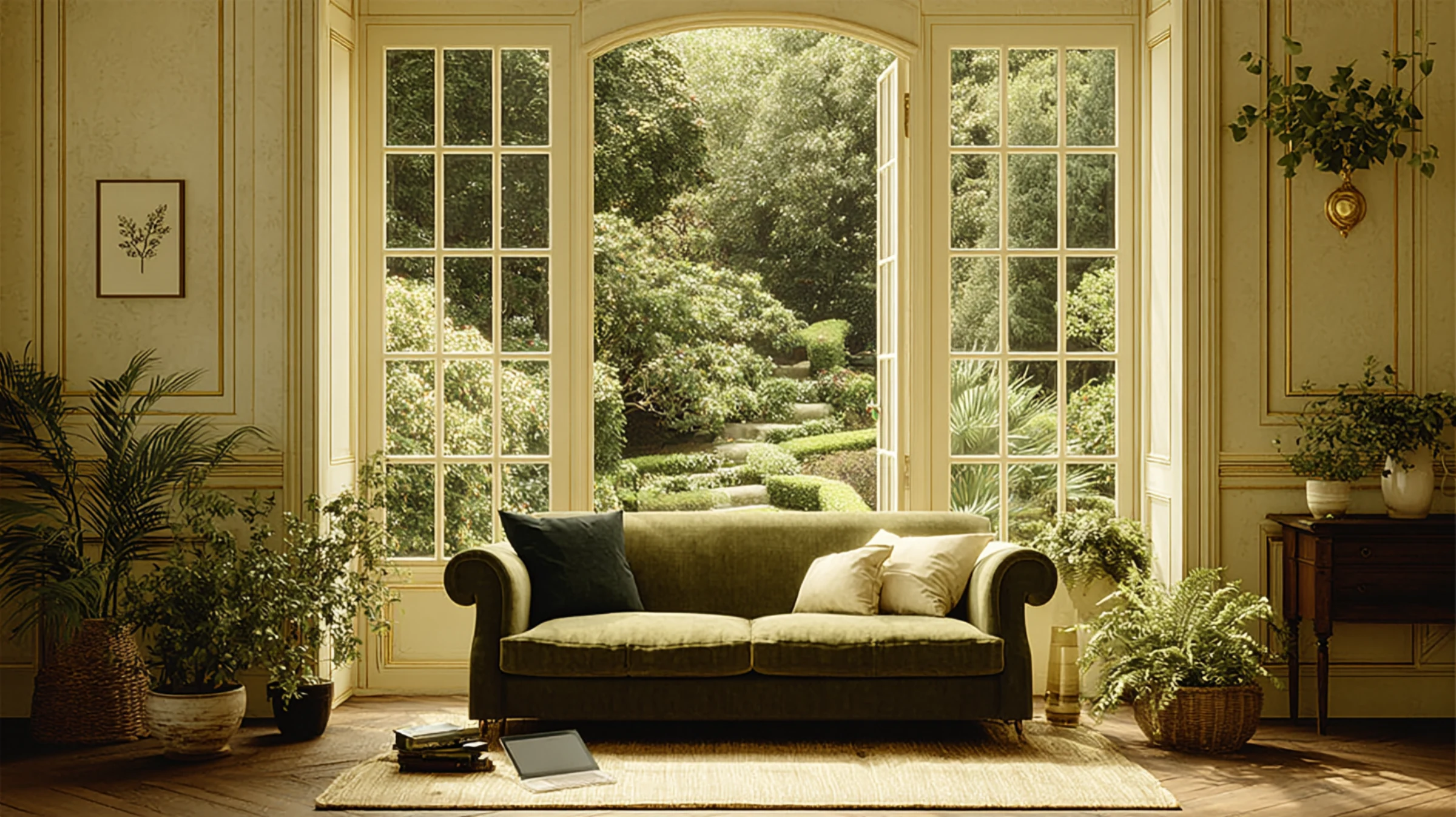
Japandi: Where East Meets West in Contemporary Design
The fusion of Japanese minimalism and Scandinavian functionality has emerged as one of the most compelling design movements of recent years. This harmonious blend, known as “Japandi,” represents more than…
House of Willow Alexander·
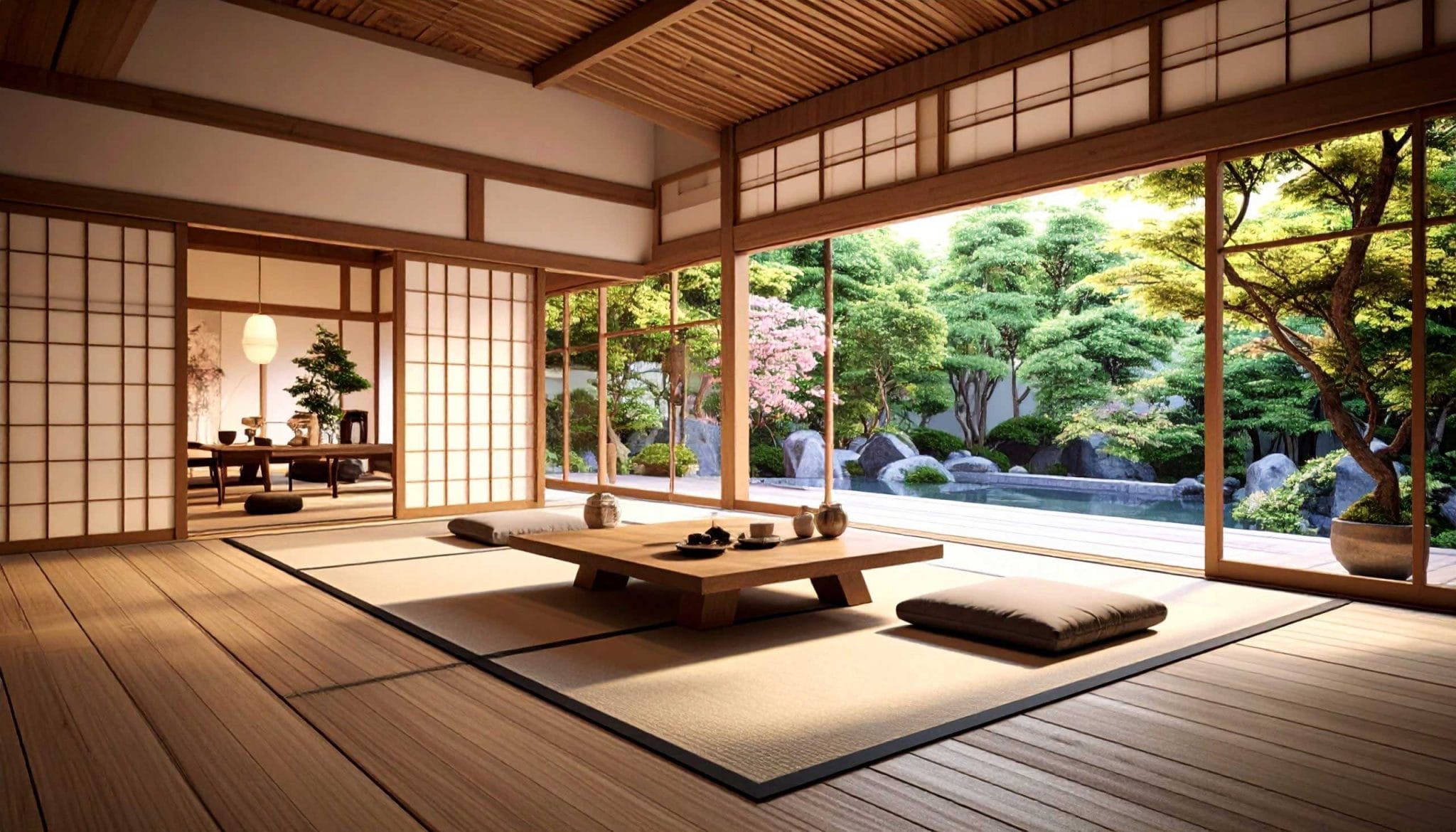
The fusion of Japanese minimalism and Scandinavian functionality has emerged as one of the most compelling design movements of recent years. This harmonious blend, known as “Japandi,” represents more than merely an aesthetic trend; it embodies a thoughtful approach to living that prioritizes tranquility, authenticity, and purpose. By combining the warm minimalism of Nordic design with the refined restraint of Japanese aesthetics, Japandi creates environments that feel simultaneously serene and welcoming, sophisticated yet unpretentious.
Philosophical Foundations: Where Two Traditions Meet
The remarkable synergy between Japanese and Scandinavian design philosophies stems from shared values despite their geographic distance:
Shared Principles
Several core beliefs unite these seemingly distant traditions:
Respect for Natural Materials
Both cultures demonstrate profound appreciation for natural materials—particularly wood—with emphasis on revealing rather than concealing inherent beauty. Japanese tradition celebrates the grain patterns of hinoki cypress and the subtle color variations of cedar, while Scandinavian design showcases the warm tones of oak, pine, and birch. This material honesty creates environments that maintain connection to the natural world despite their refined craftsmanship.
Functional Simplicity
Both approaches prioritize function over unnecessary ornamentation, believing that objects should serve clear purposes rather than merely decorating spaces. Japanese design reflects this through multipurpose rooms and furniture that can be stored when not needed, while Scandinavian tradition manifests in clever storage solutions and multifunctional pieces. This functional clarity prevents spaces from becoming cluttered with purposeless objects.
Craftsmanship Appreciation
Both traditions value skilled craftsmanship and quality construction that creates objects intended to last generations rather than following temporary trends. Japanese woodworking techniques like those used in traditional joinery without nails demonstrate this commitment, as do Scandinavian furniture-making traditions that emphasize structural integrity alongside aesthetic refinement. This craftsmanship focus creates more meaningful material relationships than mass-produced alternatives.
Balance Pursuit
Both philosophies seek equilibrium between opposing elements—whether emptiness and occupation, light and shadow, or simplicity and warmth. Japanese concepts like “ma” (negative space) and Scandinavian emphasis on light management throughout long winters reflect this balance consciousness. This harmonious approach prevents spaces from feeling either austere or overwhelming.
Distinctive Contributions
Each tradition brings unique elements to the fusion:
Japanese Influences
- Wabi-Sabi Appreciation
The Japanese concept embracing imperfection, impermanence, and the beauty of aging creates counterpoint to perfectionist tendencies in contemporary design. This philosophy manifests in Japandi through asymmetrical arrangements, handmade objects with visible variations, and materials that develop patina rather than maintaining pristine appearance. This imperfection embrace creates more authentic environments than flawless contemporary minimalism. - Negative Space Valuation
The Japanese concept of “ma” (間)—the meaningful emptiness between objects—influences Japandi’s comfort with unoccupied space. Rather than filling every surface or corner, Japandi interiors incorporate deliberate emptiness that allows remaining elements to be fully appreciated. This spatial restraint creates more contemplative environments than densely arranged alternatives. - Nature Connection
The Japanese tradition of bringing natural elements indoors—whether through carefully positioned plants, natural materials, or views framed like artwork—significantly influences Japandi’s biophilic quality. This nature integration creates more restorative environments than spaces disconnected from natural elements. - Ritual Consciousness
Japanese awareness of how spaces support daily rituals—from tea preparation to bathing—influences Japandi’s attention to how environments facilitate meaningful daily activities. This ritual mindfulness creates more intentional living spaces than those designed primarily for appearance.
Scandinavian Contributions
- Hygge Comfort
The Danish concept of “hygge”—creating atmosphere of comfort and contentment—adds warmth to what might otherwise become austere minimalism. This comfort emphasis manifests through soft textiles, ambient lighting, and inviting seating arrangements that encourage relaxation and connection. This coziness creates more livable environments than pure minimalism might suggest. - Democratic Design
The Scandinavian belief that well-designed objects should be accessible to many rather than only the wealthy influences Japandi’s practicality despite its refined appearance. This accessibility focus creates more inclusive design approach than exclusive luxury traditions. - Light Optimization
Nordic expertise in maximizing natural light—developed through centuries of dark winters—shapes Japandi’s luminous quality through window treatments, reflective surfaces, and strategic artificial lighting. This light consciousness creates more uplifting environments than spaces without deliberate illumination strategies. - Social Consideration
Scandinavian tradition of designing spaces that facilitate gathering and conversation influences Japandi’s human-centered quality despite its restraint. This social awareness creates more connected environments than individualistic approaches to space planning.
Aesthetic Characteristics: The Visual Language of Japandi
Several distinctive visual elements characterize this design approach:
Color Palette
Japandi features a distinctive chromatic approach:
Neutral Foundation
Muted, natural tones dominate—from warm whites and soft creams to gentle taupes and subtle grays—creating serene backgrounds that highlight material quality and form rather than competing for attention. This neutral base creates more peaceful environments than high-contrast or vibrant schemes.
Earth Connection
Natural pigments derived from soil, minerals, and plants—whether actual or inspired—create grounding presence through terracotta, umber, moss, and stone tones. These earth-connected colors create more authentic environments than synthetic or trend-driven palettes.
Selective Contrast
Carefully placed darker elements—perhaps charcoal accents, indigo textiles, or black metal details—create visual punctuation without overwhelming the predominantly light composition. This restrained contrast creates more sophisticated environments than either monotone schemes or high-contrast approaches.
Undertone Harmony
Colors share compatible undertones—typically warm or neutral rather than cool—creating cohesion despite varied hues. This undertone consistency creates more harmonious environments than collections of colors without temperature relationship.
Material Selection
Distinctive material choices define Japandi spaces:
Wood Prominence
Timber appears extensively—in flooring, furniture, architectural elements, and accessories—with preference for natural finishes that reveal grain patterns and color variations rather than concealing them. This wood emphasis creates more organic environments than spaces dominated by synthetic materials.
Textural Contrast
Rough elements balance smooth surfaces—perhaps raw linen alongside polished wood, or textured ceramics against sleek metal—creating tactile interest without busy patterns. This textural variety creates more sensory environments than visually flat spaces with uniform surfaces.
Natural Fiber Integration
Plant-based materials—rattan, jute, bamboo, paper, and cotton—add warmth and textural variety while maintaining connection to natural origins. These natural fibers create more tactile environments than spaces limited to hard surfaces or synthetic textiles.
Crafted Ceramics
Handmade ceramic elements—from tableware to decorative objects—add organic shapes, subtle color variation, and human touch that prevents spaces from feeling mechanical despite their simplicity. This ceramic presence creates more soulful environments than those without handcrafted elements.
Form and Line
Distinctive shapes characterize Japandi environments:
Clean Silhouettes
Furniture and objects feature straightforward forms without unnecessary embellishment, allowing material quality and proportional relationships to create visual interest rather than decorative details. These simplified forms create more restful environments than visually complex alternatives.
Organic Influence
Despite geometric clarity, subtle organic qualities—gently curved edges, slightly irregular shapes, or natural asymmetry—prevent sterility and mathematical rigidity. This organic softening creates more natural environments than strictly rectilinear approaches.
Horizontal Emphasis
Low-profile furniture, horizontal lines, and grounded compositions create sense of stability and tranquility rather than vertical drama or imposing presence. This horizontal orientation creates more relaxed environments than spaces dominated by tall or imposing elements.
Thoughtful Asymmetry
Balanced yet not perfectly symmetrical arrangements—influenced by Japanese compositional principles—create dynamic equilibrium rather than rigid formality. This deliberate asymmetry creates more engaging environments than either chaotic or strictly symmetrical arrangements.
Space Organization
How space functions significantly defines Japandi interiors:
Breathing Room
Objects and furniture have sufficient space around them to be appreciated individually rather than creating visual congestion, with careful consideration of negative space as design element rather than merely empty area. This spatial generosity creates more contemplative environments than densely arranged alternatives.
Functional Zoning
Spaces are organized according to activities they support rather than decorative schemes, with clear purpose for each area that guides furnishing decisions. This functional clarity creates more purposeful environments than spaces arranged primarily for appearance.
Visual Calm
Surfaces remain relatively clear rather than displaying numerous objects, with careful curation of what remains visible and thoughtful concealment of items not in immediate use. This visual restraint creates more peaceful environments than spaces with numerous objects competing for attention.
Circulation Consciousness
Movement paths through spaces remain unobstructed, with furniture arranged to facilitate natural flow rather than creating obstacles or awkward navigation. This movement awareness creates more harmonious environments than spaces where function is compromised by arrangement.
Room-by-Room Applications: Japandi Throughout the Home
This design approach manifests differently across various spaces:
Living Areas
Social spaces demonstrate key Japandi principles:
Conversational Arrangement
Seating oriented for human interaction rather than technology viewing, typically featuring lower-profile sofas and chairs arranged to facilitate face-to-face communication. This social orientation creates more connected environments than media-centered arrangements.
Multifunctional Elements
Pieces that serve multiple purposes—perhaps storage ottomans, extendable tables, or modular seating—maximize functionality without requiring numerous single-purpose items. This versatility creates more adaptable environments than spaces filled with specialized furniture.
Textile Warmth
Natural fiber textiles—wool throws, linen cushions, cotton rugs—add softness and warmth to what might otherwise become austere through simple forms and restrained color. This textile integration creates more inviting environments than minimalist spaces without softening elements.
Curated Display
Carefully selected objects—perhaps a single sculptural branch, a handmade ceramic vessel, or a thoughtfully framed artwork—create focal points without cluttering surfaces with numerous items. This curatorial restraint creates more impactful environments than spaces with many competing visual elements.
Kitchens
Culinary spaces reflect distinctive approaches:
Material Honesty
Natural materials—wood cabinetry, stone countertops, ceramic backsplashes—create visual warmth while maintaining cleanability and durability required for cooking spaces. This material authenticity creates more inviting environments than kitchens dominated by synthetic surfaces.
Functional Clarity
Tools and equipment organized according to use patterns, with frequently used items accessible and occasional-use tools stored away to prevent visual clutter. This organizational logic creates more efficient environments than spaces where appearance takes precedence over function.
Visual Simplicity
Cabinet fronts typically feature clean lines without elaborate detailing, often with integrated handles or simple hardware that maintains uninterrupted surfaces. This visual calm creates more peaceful environments than kitchens with decorative elaboration.
Crafted Elements
Handmade touches—perhaps ceramic serving pieces, wooden utensils, or woven textiles—add warmth and personality to utilitarian spaces without compromising functionality. This crafted presence creates more soulful environments than purely industrial kitchen approaches.
Bedrooms
Sleeping spaces embody tranquility principles:
Restful Simplicity
Furnishings limited to essential pieces—typically bed, nightstands, and perhaps a single storage piece—without unnecessary additions that create visual distraction. This intentional minimalism creates more peaceful environments than bedrooms filled with numerous furniture pieces.
Natural Bedding
Linens in natural fibers—linen, cotton, or wool—in neutral tones with perhaps a single accent color or subtle pattern, creating inviting comfort without busy visual elements. This textile quality creates more restful environments than bedrooms with elaborate or synthetic bedding.
Considered Lighting
Illumination designed for different activities and moods—from focused reading lights to ambient evening glow—with emphasis on warm tones and adjustable brightness. This lighting consciousness creates more adaptable environments than spaces with limited or harsh lighting options.
Nature Connection
Plant presence, natural materials, and when possible, views of outdoor elements that maintain connection to natural rhythms and elements even in private spaces. This biophilic quality creates more restorative environments than bedrooms isolated from natural elements.
Bathrooms
Utilitarian spaces receive distinctive treatment:
Spa Influence
Design that transforms necessary functions into restorative rituals through thoughtful material selection, lighting quality, and spatial arrangement. This wellness orientation creates more rejuvenating environments than purely functional bathroom approaches.
Material Warmth
Natural elements—wooden bath accessories, stone surfaces, plant presence—that balance the necessarily hard, water-resistant surfaces with organic warmth. This material counterpoint creates more inviting environments than bathrooms limited to cold, clinical surfaces.
Simplified Fixtures
Plumbing elements with straightforward forms and minimal ornamentation, often in matte finishes rather than high polish, that perform their functions without visual complexity. This fixture restraint creates more peaceful environments than bathrooms with elaborate hardware.
Ritual Support
Organization and amenities that facilitate self-care rituals rather than merely hygiene functions, with consideration for the experiential quality of daily activities. This ritual consciousness creates more meaningful environments than spaces designed solely for efficiency.
Material Focus: The Substance of Japandi
Several key materials define this design approach:
Wood Applications
Timber plays central role in Japandi interiors:
Species Selection
Preference for lighter to medium-toned woods—oak, ash, maple, birch, and pine from Scandinavian tradition; hinoki, cedar, and cypress from Japanese influence—that create warm but not heavy presence. These lighter species create more uplifting environments than spaces dominated by darker woods.
Finish Approach
Natural treatments that protect while revealing rather than concealing grain patterns and color variations—often matte oils or waxes rather than high-gloss polyurethanes. These natural finishes create more authentic environments than surfaces with artificial appearance.
Joinery Appreciation
Construction details that showcase craftsmanship rather than hiding it—whether through traditional Japanese joinery techniques or Scandinavian furniture-making traditions that emphasize structural integrity. This construction honesty creates more meaningful connections to how objects are made.
Aging Allowance
Acceptance and even appreciation of how wood changes over time—developing patina, subtle color shifts, and character marks that tell the story of use and environment. This temporal awareness creates more authentic environments than spaces requiring pristine maintenance.
Textile Integration
Fabrics add essential warmth to Japandi spaces:
Fiber Priority
Emphasis on natural materials—linen, cotton, wool, and occasionally silk—with minimal synthetic content, creating both visual and tactile quality that synthetic alternatives cannot match. This fiber authenticity creates more sensory environments than spaces with artificial textiles.
Weave Interest
Textural variety through different weaving techniques—perhaps loose linen weaves alongside tighter cotton constructions or nubby wool textures—creating visual interest through structure rather than pattern. This textural approach creates more sophisticated environments than spaces relying on decorative patterns for interest.
Subtle Patterning
When patterns appear, they typically feature restrained, nature-inspired motifs—perhaps abstracted botanical forms, gentle geometric elements, or traditional Japanese patterns like seigaiha waves—rather than bold graphics or complex designs. This pattern restraint creates more peaceful environments than spaces with visually demanding textiles.
Crafted Details
Evidence of handwork—visible stitching, natural dye variations, or traditional techniques like shibori or sashiko—that adds human dimension to simple forms. This crafted quality creates more soulful environments than spaces with machine-perfect textiles.
Ceramic Elements
Handmade pottery adds essential character:
Form Simplicity
Straightforward shapes with subtle variation that reveals human creation rather than mechanical production, often featuring gentle asymmetry or slight irregularities that create visual interest without complexity. This formal restraint creates more authentic environments than either perfectly uniform or elaborately shaped ceramics.
Surface Interest
Glazes and finishes that reveal rather than conceal the material beneath—whether through speckled clay bodies, transparent glazes that show material variation, or intentional glaze breaks that reveal clay at edges. This surface honesty creates more engaging environments than ceramics with uniform, opaque finishes.
Functional Beauty
Pieces designed to be used rather than merely displayed, with consideration for how they feel in the hand, function in daily rituals, and age through regular use. This utilitarian beauty creates more meaningful environments than spaces with purely decorative ceramics.
Color Restraint
Palettes dominated by earth tones—whites, creams, grays, blacks, and browns—with occasional muted blues (often indigo-derived) or subtle greens that reference natural pigments rather than bright commercial colors. This chromatic restraint creates more harmonious environments than ceramics with vibrant or artificial coloration.
Metal Accents
Metal elements provide necessary contrast:
Finish Selection
Preference for matte, brushed, or patinated surfaces rather than high polish, creating subtle rather than reflective presence that integrates harmoniously with other materials. These subdued finishes create more cohesive environments than spaces with highly polished metal elements.
Material Choices
Emphasis on metals that develop character over time—brass that patinates, iron that develops subtle rust tones, or copper that gradually oxidizes—rather than those that maintain unchanging appearance. This aging acceptance creates more authentic environments than metals requiring constant maintenance to prevent natural processes.
Structural Honesty
Metal elements that reveal rather than conceal their functional purpose, whether through visible joinery, exposed fasteners, or forms that express how they support or connect other elements. This structural clarity creates more honest environments than designs that hide functional aspects.
Proportional Restraint
Metal typically appears as accent rather than dominant material, providing visual punctuation and necessary contrast without overwhelming warmer elements like wood and textiles. This proportional balance creates more harmonious environments than spaces where metal becomes dominant element.
Creating Japandi Spaces: Practical Approaches
Several strategies help develop successful Japandi interiors:
Transitioning Existing Spaces
Adapting current environments to Japandi principles:
Thoughtful Reduction
Evaluating possessions based on both functionality and meaningful connection rather than accumulation, removing items that serve neither purpose effectively. This intentional editing creates more purposeful environments than spaces filled with objects retained without consideration.
Material Evaluation
Assessing existing elements for alignment with Japandi principles—natural materials, functional design, craftsmanship quality—and gradually replacing synthetic or poorly made items with more aligned alternatives. This material consciousness creates more authentic environments than superficial style changes.
Color Recalibration
Shifting toward more neutral, nature-inspired palettes through wall colors, textile choices, and accessory selection without necessarily requiring complete replacement of all elements. This chromatic evolution creates more harmonious environments than abrupt or comprehensive color changes.
Spatial Reconsideration
Rearranging furniture to create more generous circulation, conversational groupings, and functional clarity, often requiring fewer pieces than previously thought necessary. This spatial rethinking creates more balanced environments than merely changing decorative elements while maintaining crowded arrangements.
New Element Selection
Choosing new components for Japandi spaces:
Investment Prioritization
Focusing resources on fewer, better-quality pieces rather than numerous less expensive items, with particular emphasis on elements used daily or that occupy significant visual space. This quality focus creates more satisfying environments than spaces filled with disposable or temporary objects.
Multifunctionality Valuation
Selecting items that serve multiple purposes or adapt to different needs rather than single-function pieces, reducing overall quantity while maintaining functionality. This versatility creates more efficient environments than spaces requiring numerous specialized items.
Craftsmanship Recognition
Seeking evidence of skilled making—whether through traditional joinery, hand-finished surfaces, or visible maker’s marks—rather than mass-produced uniformity, even when working with limited budgets. This crafted quality creates more soulful environments than spaces filled with purely machine-made objects.
Longevity Consideration
Evaluating potential purchases based on both physical durability and design timelessness rather than trend alignment, selecting items intended to remain relevant and functional for decades. This temporal awareness creates more sustainable environments than spaces furnished according to temporary trends.
Balance Achievement
Finding equilibrium between different elements:
Warmth and Minimalism
Balancing the potential austerity of simplified forms and restrained palettes with warming elements—natural materials, varied textures, and subtle organic shapes—that prevent spaces from feeling cold or unwelcoming. This warmth integration creates more inviting environments than pure minimalism often provides.
Function and Beauty
Ensuring practical needs receive priority while maintaining aesthetic cohesion, recognizing that truly successful design serves daily life beautifully rather than compromising either function or appearance. This dual consideration creates more successful environments than spaces prioritizing either utility or aesthetics exclusively.
Tradition and Contemporaneity
Incorporating elements that reference both Japanese and Scandinavian heritage while remaining relevant to contemporary life rather than creating museum-like historical recreations. This temporal balance creates more authentic environments than either strictly traditional or aggressively modern approaches.
Simplicity and Interest
Maintaining visual calm while incorporating enough variation—through texture, subtle color shifts, or natural material variations—to prevent monotony or sterility. This visual balance creates more engaging environments than either chaotic complexity or extreme simplicity.
Maintenance Approaches
Sustaining Japandi qualities over time:
Patina Appreciation
Allowing natural aging processes—wood darkening, metal oxidation, fabric softening—rather than attempting to maintain pristine “new” appearance indefinitely. This temporal acceptance creates more authentic environments than spaces requiring constant renewal to prevent natural changes.
Regular Editing
Periodically reassessing possessions and arrangements to prevent gradual accumulation that compromises the intentional restraint central to Japandi aesthetics. This ongoing curation creates more purposeful environments than spaces that gradually fill without conscious decision.
Seasonal Adjustment
Making subtle changes that acknowledge natural cycles—perhaps lighter textiles in summer months, additional layers in winter, or botanical elements that reflect current season—while maintaining consistent underlying principles. This seasonal awareness creates more connected environments than spaces that remain static regardless of natural changes.
Repair Prioritization
Addressing damage or wear through thoughtful repair—whether traditional Japanese kintsugi ceramic mending or Scandinavian furniture restoration—rather than replacement, allowing objects to maintain their history while continuing functionality. This regenerative approach creates more meaningful environments than disposable approaches to material goods.
Cultural Considerations: Appreciation vs. Appropriation
Thoughtful implementation requires cultural awareness:
Respectful Engagement
Approaching cultural elements with appropriate understanding:
Historical Knowledge
Developing genuine understanding of the traditions being referenced—whether Japanese concepts like wabi-sabi or Scandinavian approaches like hygge—rather than superficial aesthetic adoption without context. This informed approach creates more authentic environments than spaces based on misunderstood or decontextualized elements.
Contemporary Connection
Recognizing how traditional elements remain relevant in their cultures of origin rather than treating them as static historical artifacts, understanding their ongoing evolution and current applications. This living awareness creates more respectful environments than spaces treating cultural elements as fixed or exotic.
Personal Relevance
Finding meaningful personal connection to adopted elements rather than including them solely for their visual appeal or trend alignment, considering how they relate to individual values and lifestyle. This personal integration creates more authentic environments than spaces assembled from disconnected cultural references.
Maker Recognition
When possible, acquiring items directly from artisans working within these traditions or from companies with transparent supply chains and fair compensation practices. This ethical sourcing creates more responsible environments than spaces furnished without consideration of production contexts.
Avoiding Superficiality
Several pitfalls require conscious avoidance:
Symbol Misuse
Preventing inappropriate use of culturally significant symbols or objects without understanding their meaning or traditional context, particularly religious or ceremonial elements. This respectful restraint creates more appropriate environments than spaces incorporating misunderstood cultural symbols.
Exotic Framing
Avoiding presentation of cultural elements as novel curiosities rather than components of rich, ongoing traditions with contemporary relevance and evolution. This contextual awareness creates more respectful environments than spaces treating cultural elements as exotic decorative objects.
Depth Neglect
Moving beyond surface-level aesthetic adoption to engage with underlying philosophies and values that give these design approaches their substance and significance. This philosophical engagement creates more meaningful environments than spaces mimicking visual qualities without understanding their foundations.
Homogenization Risk
Recognizing the distinctive qualities of both Japanese and Scandinavian traditions rather than blending them into generic “global minimalism” that loses cultural specificity and depth. This cultural specificity creates more authentic environments than spaces reflecting homogenized international style.
Sustainability Alignment: Ecological Consciousness
Japandi naturally supports environmental responsibility:
Resource Consciousness
Several aspects promote responsible material use:
Longevity Emphasis
Creating spaces and selecting objects intended to last generations rather than requiring frequent replacement, reducing resource consumption through extended product lifecycles. This durability focus creates more sustainable environments than spaces furnished with temporary or disposable items.
Quality Prioritization
Investing in well-made pieces that maintain functionality and appearance over time rather than lower-quality alternatives requiring more frequent replacement despite lower initial cost. This quality valuation creates more responsible environments than spaces filled with short-lived products.
Material Selection
Choosing renewable, biodegradable, or recyclable materials—wood from responsibly managed forests, plant-based textiles, and natural finishes—rather than petroleum-derived or difficult-to-recycle alternatives. This material consciousness creates more ecological environments than spaces dominated by synthetic components.
Repair Culture
Maintaining and restoring existing elements rather than replacing them when signs of wear appear, extending useful life while reducing waste generation. This regenerative approach creates more sustainable environments than replacement-based maintenance.
Consumption Reduction
Several principles naturally limit excessive acquisition:
Intentional Minimalism
Acquiring only what serves clear purpose or provides meaningful connection rather than filling spaces based on convention or decorative impulse. This purposeful restraint creates more responsible environments than spaces accumulated without conscious limitation.
Multifunctionality Valuation
Selecting versatile pieces that serve multiple needs rather than numerous single-purpose items, reducing overall material requirements while maintaining functionality. This efficiency creates more sustainable environments than spaces requiring specialized items for each function.
Quality Over Quantity
Investing in fewer, better objects rather than numerous less expensive alternatives, reducing overall resource consumption while creating more satisfying material relationships. This quality focus creates more sustainable environments than spaces filled with disposable items.
Trend Resistance
Creating timeless environments based on enduring principles rather than following temporary fashion, preventing the waste generated by frequent style-driven replacements. This temporal awareness creates more responsible environments than spaces requiring regular updating to maintain current appearance.
Energy Consideration
Several aspects promote reduced energy consumption:
Natural Light Optimization
Designing spaces that maximize daylight through window treatments, reflective surfaces, and thoughtful space planning, reducing artificial lighting requirements during daylight hours. This illumination strategy creates more energy-efficient environments than spaces relying primarily on electric lighting.
Passive Comfort
Incorporating traditional approaches to thermal comfort—natural ventilation, appropriate insulation, and seasonal adaptations—rather than relying exclusively on mechanical systems. This passive approach creates more efficient environments than spaces dependent solely on energy-intensive climate control.
Local Adaptation
Modifying traditional Japanese and Scandinavian approaches to suit local climate conditions rather than imposing inappropriate solutions that require excessive energy to maintain comfort. This contextual awareness creates more sustainable environments than spaces fighting rather than working with local conditions.
Conscious Technology
Integrating necessary electronic elements thoughtfully—perhaps through dedicated areas, concealed solutions, or multifunctional approaches—rather than allowing them to dominate spaces visually or energetically. This technological restraint creates more balanced environments than spaces organized primarily around devices.
Contemporary Relevance: Why Japandi Resonates Now
Several current factors explain this design approach’s growing popularity:
Psychological Benefits
Japandi offers particular wellbeing advantages:
Sensory Relief
Creating visual calm through simplified forms, restrained palettes, and reduced quantity provides counterbalance to the sensory overload many experience in digital-dominated daily life. This perceptual respite creates more restorative environments than visually complex or stimulating spaces.
Nature Connection
Incorporating natural materials, organic forms, and often plant presence helps maintain connection to natural elements despite increasingly urban and technology-mediated lifestyles. This biophilic quality creates more grounding environments than spaces without natural references.
Attention Restoration
Designing spaces that allow focused attention rather than constantly pulling awareness in multiple directions supports cognitive function and mental clarity increasingly challenged by fragmented attention patterns. This focus support creates more restorative environments than spaces with numerous visual distractions.
Authenticity Provision
Surrounding oneself with genuine materials, handcrafted objects, and elements that develop character over time provides counterbalance to the digital simulation and virtual experiences increasingly dominant in contemporary life. This material authenticity creates more grounding environments than spaces filled with synthetic or screen-based experiences.
Social Relevance
Japandi aligns with evolving social values:
Home Sanctuary
As homes increasingly serve multiple functions—workplace, recreation space, social venue, and retreat—designs that support varied activities while maintaining calm atmosphere become increasingly valuable. This functional flexibility creates more supportive environments than spaces designed for more limited purposes.
Consumption Questioning
Growing awareness of environmental impacts and resource limitations has increased interest in approaches that prioritize quality, longevity, and meaning over quantity and novelty. This consumption consciousness creates more responsible environments than spaces based on continuous acquisition.
Digital Counterbalance
As digital interaction becomes increasingly dominant, physical environments that engage non-visual senses—touch, smell, proprioception—through natural materials and tactile qualities provide necessary sensory counterpoint. This multisensory quality creates more balanced environments than spaces designed primarily for visual impact.
Wellbeing Prioritization
Increasing recognition of how physical environments affect mental and emotional health has heightened interest in spaces designed to reduce stress and support restoration rather than merely showcasing status or style. This wellness orientation creates more supportive environments than spaces designed without consideration of psychological impact.
Future Adaptability
Several qualities suggest ongoing relevance:
Trend Transcendence
By focusing on enduring principles rather than temporary fashion, Japandi creates environments likely to remain relevant despite changing decorative trends. This timeless quality creates more enduring environments than spaces closely tied to specific style moments.
Flexibility Provision
The inherent adaptability of multifunctional spaces and versatile furnishings allows accommodation of changing needs without requiring complete redesign or replacement. This adaptability creates more resilient environments than rigidly defined or specialized spaces.
Technology Integration
The balanced approach to incorporating necessary contemporary elements while maintaining traditional values provides framework for integrating future innovations without compromising fundamental principles. This integrative capacity creates more adaptable environments than either technology-resistant or technology-dominated approaches.
Climate Responsiveness
The emphasis on passive comfort strategies, natural materials, and local adaptation provides foundation for addressing changing climate conditions without abandoning core aesthetic and philosophical principles. This environmental responsiveness creates more resilient environments than approaches dependent on specific climate conditions or energy-intensive solutions.
Conclusion: The Enduring Appeal of Japandi
The harmonious fusion of Japanese and Scandinavian design philosophies offers more than merely aesthetic appeal; it provides thoughtful approach to creating environments that support wellbeing, sustainability, and meaningful material relationships. By combining the warm minimalism of Nordic tradition with the refined restraint of Japanese aesthetics, Japandi creates spaces that feel simultaneously serene and welcoming, sophisticated yet unpretentious.
In a world increasingly characterized by digital immersion, environmental challenges, and sensory overload, the Japandi emphasis on natural materials, functional simplicity, and visual calm offers valuable counterbalance. These spaces provide sanctuary not through isolation from contemporary reality but through thoughtful engagement with how environments shape experience, influence behavior, and reflect values.
Perhaps most significantly, Japandi represents design approach that transcends mere style to embody philosophy of living—one that prioritizes quality over quantity, meaning over novelty, and authenticity over perfection. By creating spaces that support both physical comfort and psychological wellbeing, this fusion offers pathway to environments that feel simultaneously timeless and contemporary, global and personal.
As we navigate increasingly complex relationship between global influences and local traditions, digital immersion and physical experience, consumption patterns and environmental responsibility, Japandi provides balanced approach that acknowledges these tensions without requiring extreme positions. This middle path—finding harmony between seemingly opposing elements—may be its most valuable contribution to contemporary design discourse and practice.