Sustainable Garden Water Features: Balancing Beauty and Environmental Responsibility
Water features have long been cherished elements in garden design, bringing movement, sound, reflection, and wildlife into outdoor spaces. From formal fountains to naturalistic ponds, the presence of water creates…
House of Willow Alexander·
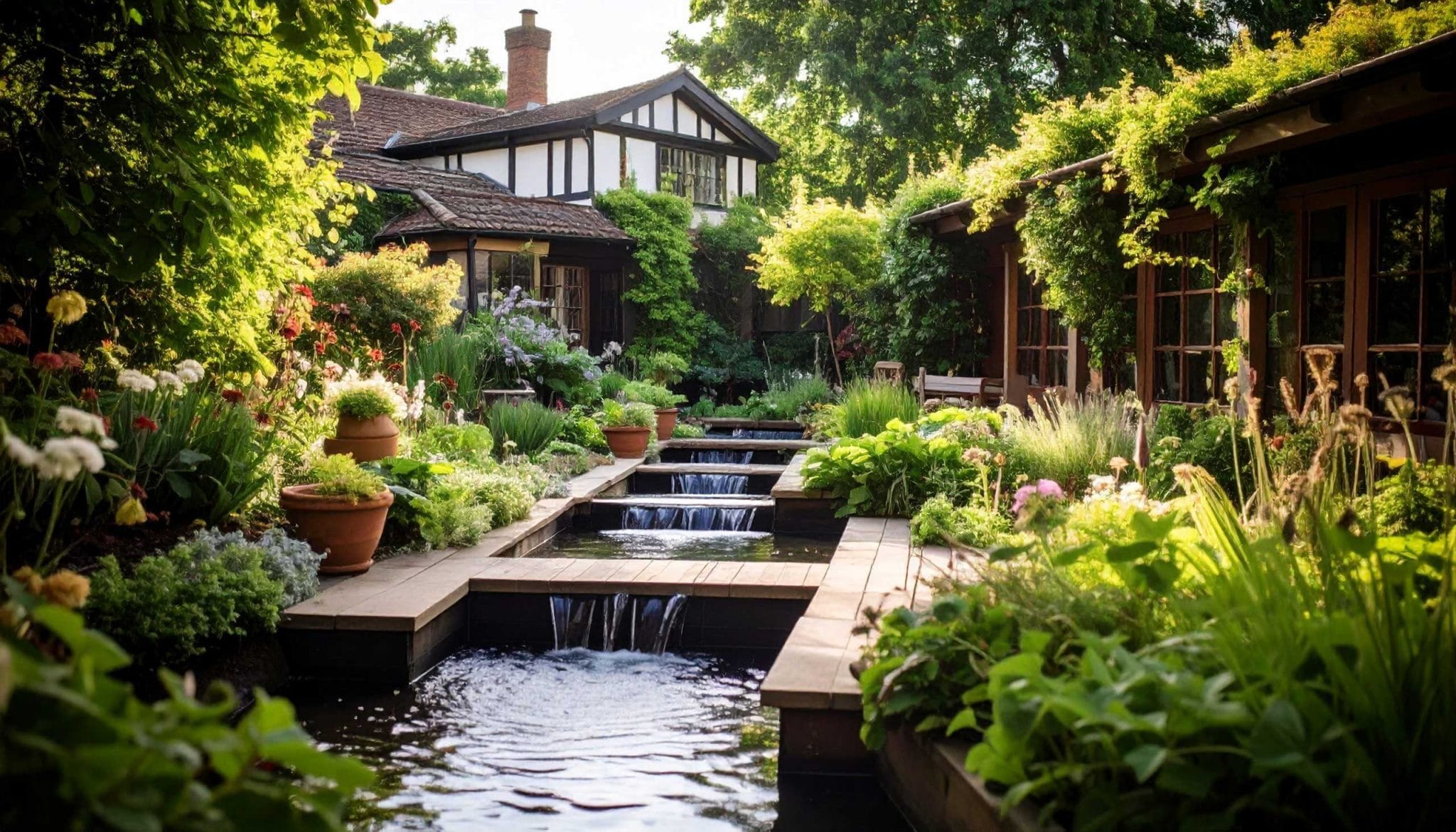
Water features have long been cherished elements in garden design, bringing movement, sound, reflection, and wildlife into outdoor spaces. From formal fountains to naturalistic ponds, the presence of water creates focal points that engage multiple senses while connecting gardens to one of nature’s most essential elements. However, as environmental awareness grows and water resources face increasing pressure, contemporary garden design must reconcile the aesthetic and experiential benefits of water features with responsible environmental stewardship. This exploration examines how thoughtfully designed water elements can enhance gardens while minimizing ecological impact through sustainable approaches to construction, operation, and maintenance.
The Allure of Water: Understanding the Appeal
Before exploring sustainable approaches, it’s worth considering why water features hold such enduring appeal in garden design:
Sensory Engagement
Water features stimulate multiple senses simultaneously:
Visual Dimension
Water brings unique visual qualities to gardens—from mirror-like reflections that double visual space to hypnotic ripples that create constant movement. These visual characteristics change dramatically with light conditions, creating gardens that transform throughout the day as sunlight interacts differently with water surfaces.
Auditory Experience
The sound of water—whether gentle trickles, steady flows, or occasional splashes—adds acoustic dimension often missing from purely visual garden designs. These water sounds mask background noise, create psychological sense of coolness, and provide constant yet non-repetitive auditory interest that helps gardens feel alive even when viewed from a distance.
Tactile Invitation
Water features invite touch in ways other garden elements rarely achieve—from trailing fingers through still pools to feeling spray from fountains on hot days. This tactile engagement creates more immersive garden experiences while connecting visitors directly to one of nature’s most fundamental elements.
Psychological Cooling
Even without physical contact, the presence of water creates perception of coolness through both visual cues and evaporative effects. This psychological cooling makes gardens with water features particularly valuable during warmer months when outdoor spaces might otherwise feel uncomfortably hot.
Ecological Contributions
Well-designed water features support garden ecosystems:
Biodiversity Support
Water features, particularly those with naturalistic design, create habitat for diverse organisms—from microscopic aquatic life to amphibians, insects, and birds. These living systems bring additional movement, sound, and interest to gardens while supporting broader ecological networks.
Microclimate Moderation
The thermal mass of water and its evaporative effects create more stable microclimates in surrounding garden areas. These moderating influences can protect sensitive plants from temperature extremes while creating more comfortable conditions for garden users.
Pollinator Attraction
Water sources, especially those with shallow edges or landing spots, provide essential hydration for bees, butterflies, and other pollinators. This support for pollinator populations benefits flowering plants throughout the garden while increasing wildlife observation opportunities.
Plant Diversity Expansion
Water features enable cultivation of moisture-loving plants that would be impractical in standard garden conditions. This expanded plant palette creates more diverse gardens with specialized species that might otherwise be absent from the landscape.
Design Significance
Water features serve important compositional functions:
Focal Creation
Water naturally draws attention, making it effective for creating garden focal points that organize surrounding spaces. These water-centered focal points provide visual anchors that help gardens feel coherent rather than chaotic.
Spatial Definition
The edges of water features—whether formal pool perimeters or naturalistic pond margins—create clear spatial boundaries that help define garden rooms and circulation routes. These defining edges organize garden experiences while creating clear transitions between different areas.
Reflective Expansion
Still water surfaces reflect sky, surrounding plants, and architectural elements, visually expanding garden space through these mirror images. This reflective quality makes gardens feel larger and more three-dimensional than their actual footprints would suggest.
Temporal Marking
Water responds visibly to changing conditions—reflecting seasonal light, freezing in winter, or supporting different wildlife throughout the year. This responsive quality helps gardens express time and seasonal change in ways static elements cannot achieve.
Environmental Challenges: Recognizing the Issues
Traditional water features often present several environmental concerns:
Resource Consumption
Water features can demand significant resources:
Water Usage
Conventional water features often require substantial initial filling and regular topping up to compensate for evaporation, splashing, or leakage. This consumption can be particularly problematic in regions experiencing water scarcity or during drought conditions when garden water use may face restrictions.
Energy Requirements
Pumps, filters, aerators, and lighting systems typically require continuous electricity to maintain water circulation, clarity, and visual effects. This ongoing energy demand creates both environmental impact and operating costs that may be difficult to justify for purely decorative features.
Material Intensity
Traditional construction often involves resource-intensive materials like concrete, synthetic liners, or non-local stone that carry significant embodied energy and carbon footprints. These material choices can undermine the environmental performance of water features regardless of how efficiently they operate after installation.
Chemical Dependence
Many conventional water features rely on chemical treatments to maintain water clarity and prevent algae growth. These chemical inputs can harm beneficial organisms, contaminate surrounding soil if water overflows, and create ongoing maintenance requirements with both environmental and financial costs.
Ecological Disruption
Poorly designed water features can create unintended consequences:
Habitat Disconnection
Isolated water features with vertical sides, excessive depth, or chemical treatments often function as ecological traps rather than genuine habitat—attracting wildlife but providing limited support for complete life cycles. These disconnected features may actually harm local populations by drawing animals away from more suitable natural habitats.
Invasive Introduction
Water gardens have historically been vectors for introducing non-native aquatic plants and animals that can escape into natural waterways. These introductions have caused significant ecological damage in many regions, with species like water hyacinth, floating pennywort, or red-eared slider turtles becoming problematic invaders.
Mosquito Proliferation
Stagnant water features without proper circulation or biological controls can become breeding grounds for mosquitoes and other pest species. These unintended consequences can create public health concerns while undermining the enjoyment of outdoor spaces.
Water Table Disruption
Features that interact with groundwater through liners that leak or designs that expose water tables can alter local hydrology in ways that affect surrounding vegetation or neighboring properties. These hydrological disruptions may take years to become apparent but can cause significant long-term problems.
Maintenance Burdens
Traditional approaches often create ongoing challenges:
Algae Management
Conventional water features frequently struggle with algae growth, particularly in sunlit locations with nutrient-rich water. This common issue typically leads to either intensive maintenance regimes or reliance on chemical treatments that compromise ecological value.
Sediment Accumulation
Leaves, soil, plant material, and other debris inevitably enter open water features, creating sediment that requires periodic removal. This maintenance need often involves disruptive cleaning operations that temporarily destroy habitat value while creating disposal challenges for the removed material.
System Failures
Pumps, filters, liners, and other technical components have finite lifespans and eventually require replacement. These system failures can create significant repair costs while potentially causing water loss or damage to surrounding garden areas if not addressed promptly.
Seasonal Transitions
In climates with freezing winters, conventional water features often require draining or special protection to prevent damage from ice expansion. These seasonal transitions create additional maintenance requirements while potentially compromising habitat value during winter months.
Sustainable Approaches: Design Principles
Several key principles guide more environmentally responsible water feature design:
Closed-Loop Systems
Minimizing external inputs creates more sustainable operations:
Rainwater Harvesting
Designing water features to capture and store rainwater from roofs, paving, or other impermeable surfaces reduces or eliminates dependence on municipal water supplies. These integrated systems might include collection tanks, filtration components, and overflow mechanisms that direct excess water to garden irrigation rather than stormwater systems.
Recirculation Efficiency
Carefully engineered pumping systems that move water with minimal energy consumption while achieving desired aesthetic effects. These efficient systems typically involve right-sized pumps, short pipe runs with minimal bends, variable speed controls, and gravity-assisted flow wherever possible.
Evaporation Reduction
Design strategies that minimize unnecessary water loss—perhaps through partial shading, wind protection, or floating plants that cover portions of the water surface. These evaporation-conscious approaches maintain water levels longer while reducing refill requirements.
Leak Prevention
Construction techniques and materials that ensure water remains within the feature rather than seeping into surrounding soil. These quality-focused methods might include proper underlayment preparation, professional-grade liners with protective layers, and careful attention to pipe penetrations and edge details.
Biological Filtration
Natural processes maintain water quality with minimal intervention:
Plant Filtration
Aquatic and marginal plants selected specifically for their ability to absorb nutrients and filter water. These biological cleaners might include submerged oxygenators like hornwort, floating plants like water lettuce, or emergent species like iris and rush that remove nutrients through their growth cycles.
Beneficial Microorganisms
Designing conditions that support diverse microbial communities that process organic matter and maintain water clarity naturally. These microscopic workforces require appropriate substrate materials, adequate oxygen levels, and protection from harmful chemicals that would disrupt their populations.
Fish Integration
Thoughtful inclusion of appropriate fish species that consume algae, mosquito larvae, and other potential problems while contributing to system balance. These living components must be selected based on water volume, depth, temperature range, and overall system design rather than purely aesthetic preferences.
Balanced Ecosystems
Designing complete ecological systems with appropriate proportions of different elements—typically following ratios like 60% water surface, 30% plant coverage, and 10% open substrate. These balanced approaches create self-regulating systems that maintain equilibrium with minimal human intervention.
Energy Efficiency
Minimizing operational resource use ensures long-term sustainability:
Solar Power
Integrating photovoltaic panels that directly power pumps and other electrical components, creating energy-independent systems. These solar solutions might include battery storage for cloudy periods, variable operation based on available sunlight, or hybrid systems that can switch to grid power when necessary.
Gravity Utilization
Designing water movement to maximize gravity-powered flow rather than pump-driven circulation. These gravity-conscious approaches might include terraced designs where water moves naturally between different levels, requiring pumping only for the final return to the highest point.
Reduced Operating Hours
Timing systems that limit energy-intensive operations to periods when they provide most benefit—perhaps running fountains only during daylight hours or when garden spaces are typically in use. These scheduled operations reduce energy consumption while often extending equipment lifespan.
LED Lighting
Energy-efficient illumination that creates dramatic effects with minimal power consumption. These lighting solutions typically consume 80-90% less electricity than traditional underwater lighting while providing greater flexibility for creating different moods and highlighting specific water features.
Habitat Creation
Designing for ecological value alongside human enjoyment:
Varied Depths
Water features with different depth zones that support diverse aquatic life and provide appropriate conditions for various plant species. These varied profiles typically include shallow margins (5-10cm) for emergent plants, mid-depth areas (30-60cm) for aquatic plants, and deeper zones (60cm+) that provide temperature stability and refuge during extreme weather.
Access Consideration
Thoughtful edge design that allows wildlife to enter and exit water safely—typically including gently sloping sides, textured surfaces for grip, or specific wildlife ramps. These access features prevent water features from becoming traps for animals that fall in accidentally.
Native Species
Prioritizing locally appropriate plants and animals that contribute to regional ecological networks rather than isolated exotic collections. These native-focused approaches create water features that support local biodiversity while requiring less intervention to maintain healthy balances.
Seasonal Awareness
Designing for year-round habitat value rather than purely summer aesthetics, with consideration for winter refuge, breeding seasons, and migration patterns. These temporally-conscious approaches might include permanent deep zones that remain unfrozen, specific spawning areas, or plants that provide winter structure and food sources.
Implementation Strategies: Practical Applications
Several specific approaches demonstrate sustainable principles in action:
Natural Swimming Pools
Chemical-free swimming areas maintained through biological processes:
Defining Characteristics
Natural swimming pools (NSPs) separate swimming zones from regeneration zones where plants and microorganisms purify water naturally. These dual-zone systems typically maintain approximately equal areas for swimming and regeneration, with water circulating continuously between them.
Construction Approaches
NSPs can be constructed using either lined systems (with high-quality EPDM or polyethylene liners) or sealed concrete structures, depending on site conditions and design preferences. These construction methods create defined boundaries while preventing water loss through seepage.
Filtration Systems
Most NSPs combine biological filtration through planted zones with physical filtration through specialized substrates that trap particles while hosting beneficial microorganisms. These layered approaches typically include coarse gravel for initial filtration, followed by finer materials that capture smaller particles.
Maintenance Patterns
Well-designed NSPs require different but not necessarily more intensive maintenance than conventional pools—focusing on plant management, occasional sediment removal, and system monitoring rather than chemical testing and treatment. These maintenance regimes typically follow seasonal patterns with more intensive interventions during spring startup and autumn shutdown.
Rain Gardens with Water Features
Stormwater management combined with aesthetic water elements:
Functional Integration
Rain gardens designed to capture, filter, and slowly release stormwater can incorporate decorative water features that operate during and after rain events. These integrated systems might include temporary pools that fill during rain, overflow channels with decorative rocks, or small recirculating features that operate using stored rainwater.
Construction Sequence
These systems typically begin with appropriate site grading to direct water flow, followed by excavation, installation of any necessary drainage layers, and finally planting with species selected for both water management and aesthetic appeal. This layered construction creates systems that function hydrologically while providing visual interest.
Plant Selection
Effective rain garden water features require plants that can tolerate both periodic inundation and dry periods between rain events. These resilient species typically include native sedges, rushes, and perennials with deep root systems that help maintain soil structure while accessing moisture at different depths.
Seasonal Considerations
Rain garden water features must be designed to handle both heavy storm events and extended dry periods without losing either functional capacity or aesthetic appeal. These flexible systems might include overflow provisions for extreme events, deeper water areas that maintain moisture longer during dry periods, and plants selected for visual interest even when water is absent.
Formal Fountains with Sustainable Technology
Traditional aesthetics achieved through contemporary methods:
Water Conservation
Formal fountains can be designed with minimal water volumes, precise nozzles that create maximum visual effect with minimum flow, and careful basin design that prevents splashing and evaporation. These efficient approaches maintain traditional appearance while dramatically reducing water consumption.
Energy Reduction
Contemporary fountain technology includes variable speed pumps, efficient LED lighting, and smart controllers that adjust operation based on conditions or schedules. These technological solutions maintain visual impact while reducing energy consumption by 50-80% compared to older systems.
Construction Materials
Traditional-appearing fountains can be constructed using recycled materials, locally sourced stone, or lower-impact alternatives to conventional concrete. These material choices reduce embodied carbon while often providing more authentic appearance than mass-produced components.
Maintenance Simplification
Modern fountain design incorporates easy-access components, filtration systems that reduce cleaning frequency, and materials that resist scaling and staining. These practical improvements reduce maintenance requirements while extending system lifespan.
Wildlife Ponds with Minimal Intervention
Habitat-focused water features that largely self-regulate:
Design Principles
Wildlife ponds prioritize ecological function over formal aesthetics, with irregular shapes, varied depths, diverse edge conditions, and minimal technological components. These naturalistic approaches create conditions where plants and animals establish balanced relationships with minimal human intervention.
Construction Methods
Effective wildlife ponds typically use high-quality liners protected by underlay and soil layers, with edges carefully concealed and protected from UV degradation. These construction details create durable systems while maintaining natural appearance.
Plant Communities
Successful wildlife ponds incorporate diverse plant communities in different zones—submerged oxygenators, floating-leaf species, emergent marginals, and moisture-loving bank plants. These layered plant communities provide habitat complexity while contributing to water quality maintenance.
Management Approach
Wildlife ponds require different rather than less management than formal water features—focusing on occasional thinning of vigorous plants, selective removal of accumulated organic matter, and monitoring for invasive species. This management style works with natural processes rather than constantly counteracting them.
Rill and Channel Systems
Linear water features with minimal resource requirements:
Design Characteristics
Rills and channels create dynamic water interest through movement rather than volume, typically using narrow, shallow courses with occasional wider basins or drops that create visual and auditory focal points. These linear systems maximize impact while minimizing water volume and energy requirements.
Construction Techniques
Well-executed rills require precise grading to maintain appropriate flow rates, durable materials that resist water erosion, and careful detailing of joints and transitions. These quality-focused approaches create systems that function reliably with minimal maintenance.
Energy Efficiency
Rill systems can be designed to maximize gravity flow, with pumping required only to return water from the lowest point to the highest. These gravity-conscious designs minimize energy consumption while creating constant water movement.
Winter Management
In freezing climates, narrow water channels can either be designed to drain completely for winter or to create attractive ice features that provide winter interest. These seasonal approaches maintain year-round garden value while preventing freeze damage to system components.
Material Considerations: Sustainable Choices
Material selection significantly influences environmental impact:
Liners and Containment
Different options offer varying environmental profiles:
Synthetic Options
When synthetic liners are necessary, EPDM rubber generally offers better environmental performance than PVC, with greater durability, lower toxicity, and better end-of-life recycling potential. These rubber liners typically last 30+ years when properly installed and protected from UV exposure and physical damage.
Clay Alternatives
In suitable soil conditions, traditional puddled clay techniques or modern bentonite clay applications can create water-tight features without synthetic materials. These natural approaches require specific soil conditions and more specialized installation but create more integrated systems with lower embodied carbon.
Concrete Considerations
When structural concrete is necessary, environmental impact can be reduced through mixes incorporating recycled aggregate, lower-cement formulations, or alternatives like limecrete that offer lower carbon footprints. These modified concrete approaches maintain structural integrity while reducing environmental impact by 30-60%.
Sealed Stone
Natural stone features can be made water-tight through traditional lime mortar techniques or modern stone sealants with minimal environmental impact. These stone-based approaches often age more gracefully than concrete alternatives while connecting to historical construction traditions.
Pumps and Mechanics
Equipment choices significantly affect operational sustainability:
Pump Selection
Variable speed, high-efficiency pumps sized appropriately for actual requirements rather than maximum capacity create systems with dramatically lower energy consumption. These right-sized approaches typically reduce energy use by 40-60% compared to conventional pump selections.
Filtration Options
Mechanical filters designed for easy cleaning, long service intervals, and low pressure drop maintain water quality while minimizing energy waste. These efficient filters might include self-cleaning features, large surface areas that reduce clogging, or gravity-fed designs that eliminate additional pumping requirements.
Pipe Considerations
Hydraulically efficient pipe systems with minimal bends, appropriate diameters, and smooth interior surfaces reduce pumping energy requirements while improving system performance. These flow-optimized approaches typically involve larger diameter pipes than minimum requirements, sweeping rather than tight bends, and materials selected for long-term flow characteristics.
Control Systems
Smart controllers that adjust operation based on conditions, usage patterns, or weather forecasts optimize system performance while reducing resource consumption. These intelligent systems might reduce operation during rainy periods, adjust flow rates based on temperature, or create different effects at different times of day.
Edge Treatments
Boundary details influence both aesthetics and ecology:
Living Edges
Planted margins with appropriate edge protection create habitat value while naturally filtering water and concealing technical elements. These living boundaries typically involve plant-friendly materials like coir rolls, rock arrangements that prevent erosion, or submerged shelves that support emergent species.
Permeable Boundaries
Edge designs that allow controlled water movement between feature and surrounding soil create more integrated systems that support broader garden hydrology. These permeable approaches might include overflow areas that direct excess water to rain gardens, seepage zones that support moisture-loving plants, or seasonal wetlands that expand during wet periods.
Material Transitions
Thoughtful detailing where different materials meet—water to stone, liner to soil, or hard surfaces to planting—creates both visual refinement and technical durability. These transition details often determine whether water features appear as integral garden elements or awkward impositions.
Maintenance Access
Edge designs that provide appropriate access for necessary maintenance without compromising aesthetics or safety ensure long-term functionality. These practical considerations might include removable sections, disguised access points, or dual-purpose elements that serve both decorative and functional roles.
Integration Strategies: Connecting to Broader Systems
Water features function best when connected to larger contexts:
Garden Hydrology
Water features can serve broader water management functions:
Rainwater Utilization
Water features designed as components of integrated rainwater harvesting systems capture precipitation for both aesthetic and practical purposes. These dual-function systems might store roof runoff in decorative basins, filter water through ornamental rills before storage, or display water levels that rise and fall with recent rainfall.
Irrigation Connection
Water features that serve as irrigation reservoirs provide both visual interest and practical function, particularly in regions with seasonal water restrictions. These productive systems might include formal pools with subsurface connections to irrigation systems, naturalistic ponds with simple pumping options for garden watering, or water features designed to overflow into surrounding planting areas during periodic cleaning.
Flood Mitigation
In appropriate contexts, water features can serve as components of sustainable drainage systems (SuDS) that reduce flood risk while providing aesthetic value. These integrated approaches might include detention basins designed as seasonal water features, decorative channels that manage surface water flow, or permeable water feature surrounds that increase infiltration.
Groundwater Relationship
Thoughtful consideration of how water features interact with groundwater—whether through sealed systems that prevent contamination or intentional connections that support natural hydrology. These groundwater-conscious approaches require site-specific understanding of subsurface conditions and might involve different solutions in different parts of the same garden.
Landscape Context
Water features should respond to broader settings:
Topographic Response
Water features that acknowledge and express existing landform rather than imposing arbitrary forms disconnected from context. These site-responsive approaches might follow natural drainage lines, occupy logical low points, or create water movements that reflect the surrounding landscape character.
Ecological Networks
Water features designed to support regional ecological systems rather than functioning as isolated decorative elements. These connected approaches might provide stepping-stone habitat between larger water bodies, support specific local species of conservation concern, or incorporate plants that participate in broader ecological communities.
Visual Relationships
Water features positioned to create meaningful visual connections with both garden elements and broader landscape features. These visually integrated approaches might frame distant views, reflect specific garden elements, or create foreground interest for larger landscape compositions.
Cultural References
Water features that acknowledge historical or cultural water traditions appropriate to their location rather than importing disconnected styles. These culturally-grounded approaches might reference local agricultural water systems, industrial water heritage, or indigenous water management traditions in contemporary forms.
Seasonal Adaptation
Water features should function appropriately year-round:
Winter Strategies
In freezing climates, water features designed either to be safely drained for winter or to create attractive frozen forms that provide winter interest. These seasonally-adaptive approaches prevent damage while maintaining garden value throughout the year.
Drought Response
In regions experiencing increasing drought frequency, water features designed to remain attractive even with reduced water levels or temporary shutdown. These resilient designs might include graduated basins that maintain smaller water areas during restrictions, planting schemes that provide interest even when water is reduced, or alternative dry-weather configurations that maintain spatial function.
Maintenance Timing
Water feature maintenance requirements aligned with natural seasonal patterns and broader garden maintenance rhythms. These synchronized approaches might concentrate major interventions during spring and autumn while requiring only minimal attention during peak growing seasons when other garden areas demand more time.
Visual Transformation
Water features designed to change character intentionally through seasons rather than attempting to maintain identical appearance year-round. These temporally-expressive approaches might showcase different plants in different seasons, create different water effects based on seasonal flow rates, or incorporate elements specifically designed to capture ice formations, fallen leaves, or other seasonal phenomena.
User Experience
Water features should enhance human engagement with gardens:
Multisensory Design
Water features that engage multiple senses rather than focusing solely on visual impact—incorporating sound through movement, touch through accessibility, and even smell through appropriate planting. These immersive approaches create more memorable and meaningful garden experiences.
Interaction Opportunities
Where appropriate, water features designed for direct interaction rather than distant appreciation—perhaps through stepping stones that cross shallow water, edges that invite sitting with feet in water, or shallow areas specifically designed for supervised play. These interactive elements transform passive features into participatory experiences.
Contemplative Potential
Water features positioned and designed to support contemplation, reflection, and mental restoration. These psychologically-supportive approaches might create partially enclosed seating areas with water views, position water movement to create gentle background sound that masks distractions, or incorporate reflective water surfaces that encourage sky-watching and mindful observation.
Educational Integration
Water features that reveal ecological processes, demonstrate sustainable water management, or connect visitors to water heritage. These educational approaches might include viewing platforms that allow observation of aquatic life, interpretive elements that explain system function, or design references that connect to historical water traditions.
Maintenance Considerations: Sustaining Performance
Long-term success requires appropriate care strategies:
Ecological Management
Working with natural processes reduces intervention requirements:
Biological Balance
Maintaining appropriate balance between different system components—plants, animals, microorganisms, and water volume—creates self-regulating systems that require less intervention. These balanced approaches typically involve monitoring key indicators and making small adjustments before problems develop rather than reactive treatments after issues become apparent.
Seasonal Interventions
Concentrating major maintenance activities during appropriate seasonal windows—typically spring setup and autumn shutdown in temperate climates—with minimal intervention between. These rhythmic approaches work with natural cycles while minimizing disruption to wildlife and garden enjoyment.
Selective Approach
Targeted interventions that address specific issues rather than wholesale system disruption—perhaps removing individual invasive plants, thinning specific overgrown areas, or addressing particular water quality parameters. These precise approaches maintain system integrity while resolving problems with minimal collateral impact.
Observation Emphasis
Regular monitoring that identifies emerging issues before they require major intervention—noting changes in water clarity, plant growth patterns, or wildlife activity that might indicate developing imbalances. These observational practices create opportunities for minor adjustments that prevent major problems.
Technical Maintenance
Equipment care ensures reliable operation:
Preventative Scheduling
Regular inspection and maintenance of mechanical components before failure occurs—checking pump operation, cleaning filters, examining seals and connections. These preventative approaches extend equipment lifespan while preventing water loss or system damage from component failures.
Seasonal Protection
Appropriate winterization in freezing climates—whether draining systems, installing heaters, or maintaining water movement to prevent freezing. These seasonal protections prevent expensive damage while maintaining system functionality throughout the year.
Component Access
Designing for practical maintenance access to pumps, filters, and other equipment without compromising aesthetics or safety. These practical considerations might include disguised access hatches, removable sections of decking, or equipment positioned in dedicated chambers separate from the main water feature.
Replacement Planning
Realistic assessment of component lifespans with planned replacement schedules rather than emergency responses to failures. These anticipatory approaches might include maintaining spare parts for critical components, budgeting for periodic replacements, or designing systems where individual elements can be upgraded without complete reconstruction.
Aesthetic Maintenance
Preserving visual appeal alongside function:
Debris Management
Regular removal of leaves, twigs, and other organic matter before decomposition affects water quality or visual appeal. These routine practices might include skimming surfaces, emptying collection baskets, or installing preventative measures like leaf nets during autumn in deciduous settings.
Algae Prevention
Proactive approaches to prevent algae proliferation rather than reactive treatments—maintaining appropriate plant coverage, ensuring adequate circulation, and limiting nutrient inputs. These preventative strategies create conditions where algae remain minor components of balanced systems rather than becoming dominant problems.
Plant Management
Regular division, thinning, or pruning of aquatic and marginal plants to maintain appropriate balance and prevent single species dominance. These horticultural practices maintain both ecological function and visual appeal while preventing the need for more disruptive interventions.
Surface Cleaning
Appropriate cleaning of visible surfaces—removing mineral deposits from fountain nozzles, clearing biofilm from visible underwater surfaces, or managing water marks on decorative elements. These aesthetic practices maintain visual quality while preserving ecological function.
Resource Monitoring
Tracking inputs ensures ongoing sustainability:
Water Consumption
Regular monitoring of water addition requirements with investigation of any unexpected increases that might indicate leaks or excessive evaporation. These tracking practices create awareness of actual resource use while providing early warning of developing problems.
Energy Usage
Periodic assessment of electricity consumption with adjustments to operating schedules or equipment settings if usage exceeds expectations. These monitoring approaches prevent energy waste while optimizing system performance for different seasons or conditions.
Chemical Inputs
If any treatments are necessary, careful tracking of what is added, when, and why, with emphasis on minimizing interventions and selecting least-harmful options. These conscious practices prevent unnecessary chemical use while maintaining appropriate records for future reference.
Maintenance Time
Realistic assessment of time requirements for different maintenance tasks, with system modifications if upkeep becomes disproportionate to benefit. These practical evaluations ensure water features remain assets rather than burdens, with appropriate balance between enjoyment and effort.
Case Studies: Exemplary Sustainable Water Features
Several notable examples demonstrate successful sustainable approaches:
Urban Applications
City settings present particular challenges and opportunities:
London Rain Garden, Butler’s Wharf
This public installation demonstrates how stormwater management can create attractive water features in dense urban settings. The design captures runoff from surrounding paved areas, directing it through a series of planted basins with small recirculating features that operate using harvested rainwater. This integrated approach provides both environmental function and public amenity while requiring minimal ongoing resources.
Barcelona Roof Terrace by Martínez Lapeña-Torres
This elevated garden shows how minimal water volumes can create maximum impact in water-stressed regions. The design uses a thin sheet of water flowing over textured stone to create visual movement, sound, and cooling effects with just centimeters of water depth and minimal pumping requirements. This resource-efficient approach creates immersive water experience while acknowledging Mediterranean water scarcity.
New York Pocket Park by SCAPE
This small public space demonstrates how water features can serve multiple functions in constrained urban settings. The design incorporates stormwater management, wildlife habitat, and public education through a series of connected basins that filter street runoff while providing habitat stepping stones for urban wildlife. This multifunctional approach maximizes public benefit from limited space while addressing environmental challenges.
Singapore HDB Development by Ramboll Studio Dreiseitl
This residential landscape shows how integrated water management can create community amenities while addressing tropical rainfall intensity. The design transforms conventional drainage infrastructure into attractive water features that clean runoff, reduce flood risk, and create recreational opportunities. This systems-based approach demonstrates how technical requirements can generate aesthetic and social benefits rather than being hidden as separate infrastructure.
Residential Examples
Private gardens demonstrate different scales of application:
California Drought-Resistant Water Garden by Arterra
This residential project shows how water features can remain appropriate even in severe drought conditions. The design uses minimal water volumes in precisely detailed basins, extensive rainwater harvesting, and xerophytic planting to create garden focal points that require almost no supplemental water. This climate-responsive approach maintains the sensory benefits of water while acknowledging regional environmental constraints.
UK Wildlife Pond by Sarah Price
This garden demonstrates how naturalistic water features can support biodiversity while requiring minimal intervention. The design uses gently sloping margins, diverse native planting, and careful positioning relative to existing garden habitats to create self-sustaining ecological systems. This habitat-focused approach creates constantly changing garden interest through wildlife activity rather than technological displays.
German Natural Swimming Pond by Biotop
This private installation shows how swimming can be accommodated without chemicals or high energy consumption. The design separates swimming areas from regeneration zones where plants and microorganisms naturally purify water, creating a system that requires minimal inputs beyond occasional plant management. This biological approach provides recreational function without the environmental impacts of conventional pools.
Japanese Influenced Garden by Ishihara Kazuyuki
This contemporary interpretation of traditional Japanese water aesthetics demonstrates how historical approaches often embody sustainable principles. The design uses minimal water volumes in carefully crafted containers, precise flow rates that maximize sound with minimal pumping, and thoughtful integration with surrounding planting to create immersive experience without resource intensity. This culturally-grounded approach connects to centuries of water conservation tradition while creating thoroughly contemporary garden spaces.
Public Landscapes
Larger scale projects demonstrate broader applications:
Australian Botanic Garden Water-Sensitive Design
This public garden demonstrates how water features can function within broader water-sensitive urban design frameworks. The installation captures, cleans, and displays stormwater through a series of connected features that provide both educational and aesthetic functions while supporting the garden’s irrigation needs. This integrated approach transforms water management from hidden infrastructure to celebrated landscape feature.
Danish Climate Adaptation Park by SLA
This municipal project shows how flood management can create recreational water features with year-round community benefits. The design accommodates occasional extreme rainfall events while providing daily amenity through accessible water features that change character with different water levels. This adaptive approach creates resilient public spaces that function across different weather conditions rather than failing during extremes.
UK Hospital Healing Garden
This healthcare setting demonstrates how therapeutic benefits of water can be achieved with minimal environmental impact. The design uses small-scale water features with precisely calibrated sound properties, solar-powered circulation, and wildlife-supporting elements to create restorative environments for patients and staff. This wellbeing-focused approach prioritizes sensory quality over water quantity while maintaining low maintenance requirements appropriate for healthcare settings.
French Ecological Park by Agence TER
This regional park shows how water features can connect to broader ecological restoration goals. The design rehabilitates damaged hydrology through a series of interconnected water bodies that manage flood risk, improve water quality, and create habitat while providing recreational opportunities. This landscape-scale approach demonstrates how water features can contribute to environmental repair rather than merely providing decoration.
Future Directions: Emerging Approaches
Several developing trends suggest future evolution:
Technological Innovations
New technologies are expanding possibilities:
Digital Monitoring
Emerging sensor systems that provide real-time data on water quality, flow rates, energy consumption, and system performance enable more precise management with less intervention. These monitoring technologies allow early identification of developing issues while optimizing resource use through responsive adjustments rather than fixed operating parameters.
Renewable Integration
Increasingly sophisticated integration of renewable energy—particularly direct solar-to-pump systems without battery storage—creates energy-independent water features with minimal environmental footprint. These integrated approaches eliminate ongoing energy costs while ensuring water features remain operational during grid outages.
Biomimetic Design
Water management systems that explicitly mimic natural processes—from filtration approaches based on river hyporheic zones to flow patterns that replicate stream morphology—create more resilient, self-regulating systems. These nature-inspired approaches often achieve better results with less energy and fewer inputs than conventional engineered solutions.
Smart Materials
Developing materials with specific performance characteristics—self-cleaning surfaces, responsive permeability, or enhanced biological compatibility—create new possibilities for water feature design. These material innovations may reduce maintenance requirements while improving both aesthetic and ecological performance.
Climate Adaptation
Responding to changing environmental conditions:
Rainfall Intensity
Water features designed to accommodate increasingly extreme rainfall patterns—with capacity to manage occasional intense storms while remaining attractive during extended dry periods. These resilient designs might include expanded overflow capacity, variable water levels that remain visually appealing at different heights, or systems that can temporarily store exceptional volumes before gradually releasing them.
Temperature Extremes
Approaches that maintain functionality and appeal despite more frequent temperature extremes—from extended heat waves to more severe freezing events. These adaptive designs might include deeper refuge zones that maintain stable temperatures during heat, freeze-resistant components, or seasonal configuration changes that respond to different climate challenges.
Evaporation Management
Increasingly sophisticated approaches to reducing evaporative water loss in response to higher average temperatures and extended dry periods. These water-conserving strategies might include floating covers that reduce surface exposure while maintaining aesthetic appeal, planting configurations that provide strategic shading, or operational adjustments based on weather forecasts.
Drought Resilience
Water features designed to maintain function and appeal even during severe water restrictions—perhaps through rainwater-only operation, extremely efficient recirculation, or alternative dry-weather configurations. These resilient approaches acknowledge increasing water scarcity while maintaining the sensory and psychological benefits water brings to gardens.
Ecological Enhancement
Deepening connections to natural systems:
Biodiversity Targeting
Water features designed to support specific species of conservation concern rather than general wildlife attraction—perhaps creating habitat for particular amphibians, invertebrates, or plants facing habitat loss. These focused approaches connect garden water features to broader conservation efforts while creating more distinctive ecological identities.
Soil Relationship
More sophisticated understanding of how water features interact with surrounding soil ecology—from rhizosphere processes at marginal plantings to broader soil moisture patterns influenced by seepage or overflow. These integrated perspectives create water features that contribute positively to overall garden soil health rather than functioning as isolated elements.
Microbiome Consideration
Growing appreciation for the complex microbial communities that develop in water features and their role in both water quality and broader garden ecology. These microscopic perspectives recognize that successful water features depend as much on invisible biological processes as on visible design elements.
Seasonal Expressiveness
Increasing emphasis on water features that intentionally express seasonal change—not merely tolerating different conditions but actively showcasing them through features designed to interact with ice formation, fallen leaves, or varying water levels. These temporally-expressive approaches create gardens that celebrate rather than resist natural cycles.
Cultural Integration
Deepening meaning beyond function and aesthetics:
Heritage Recovery
Water features that reconnect communities to historical water traditions, agricultural practices, or industrial heritage that shaped local landscapes. These culturally-grounded approaches create designs with specific local resonance rather than generic decorative elements.
Climate Communication
Water features designed to make climate patterns visible and understandable—perhaps expressing rainfall patterns, demonstrating water conservation principles, or visualizing broader hydrological systems. These communicative approaches transform water features into educational tools that increase environmental awareness through daily experience.
Participatory Design
Community involvement in creating, maintaining, and evolving water features, particularly in public settings where collective ownership enhances both appreciation and care. These collaborative approaches create water features with social value beyond their physical attributes.
Therapeutic Intentionality
Increasing focus on the specific psychological and physiological benefits water features provide, with designs tailored to support mental restoration, stress reduction, or particular therapeutic needs. These wellbeing-centered approaches recognize water features as health assets rather than merely decorative elements.
Conclusion: Balancing Aesthetics and Responsibility
Water features remain among the most compelling elements designers can incorporate into gardens, with unique capacity to engage multiple senses, create focal points, support biodiversity, and establish distinctive sense of place. However, contemporary environmental awareness demands thoughtful reconsideration of how these elements are designed, constructed, and maintained to ensure their benefits justify their resource requirements.
The most successful contemporary water features achieve multiple objectives simultaneously—creating beautiful, engaging garden elements while demonstrating responsible resource use, supporting ecological systems, and connecting meaningfully to their specific contexts. This integrated approach requires moving beyond purely decorative thinking to consider water features as functioning components of broader systems, whether garden hydrology, local ecology, or cultural landscapes.
By applying the principles and approaches outlined in this exploration, garden designers and owners can create water features that provide enduring pleasure while embodying environmental responsibility. These thoughtfully conceived elements demonstrate that sustainability need not compromise beauty or function, but can instead inspire innovative solutions that enhance both ecological performance and human experience.
As climate patterns change and environmental awareness grows, water features that balance aesthetic delight with resource efficiency and ecological contribution will increasingly define best practice in garden design. These balanced approaches recognize that true garden quality emerges not just from what we see and experience directly, but from the integrity of the systems that support those experiences and their relationship to the wider world.