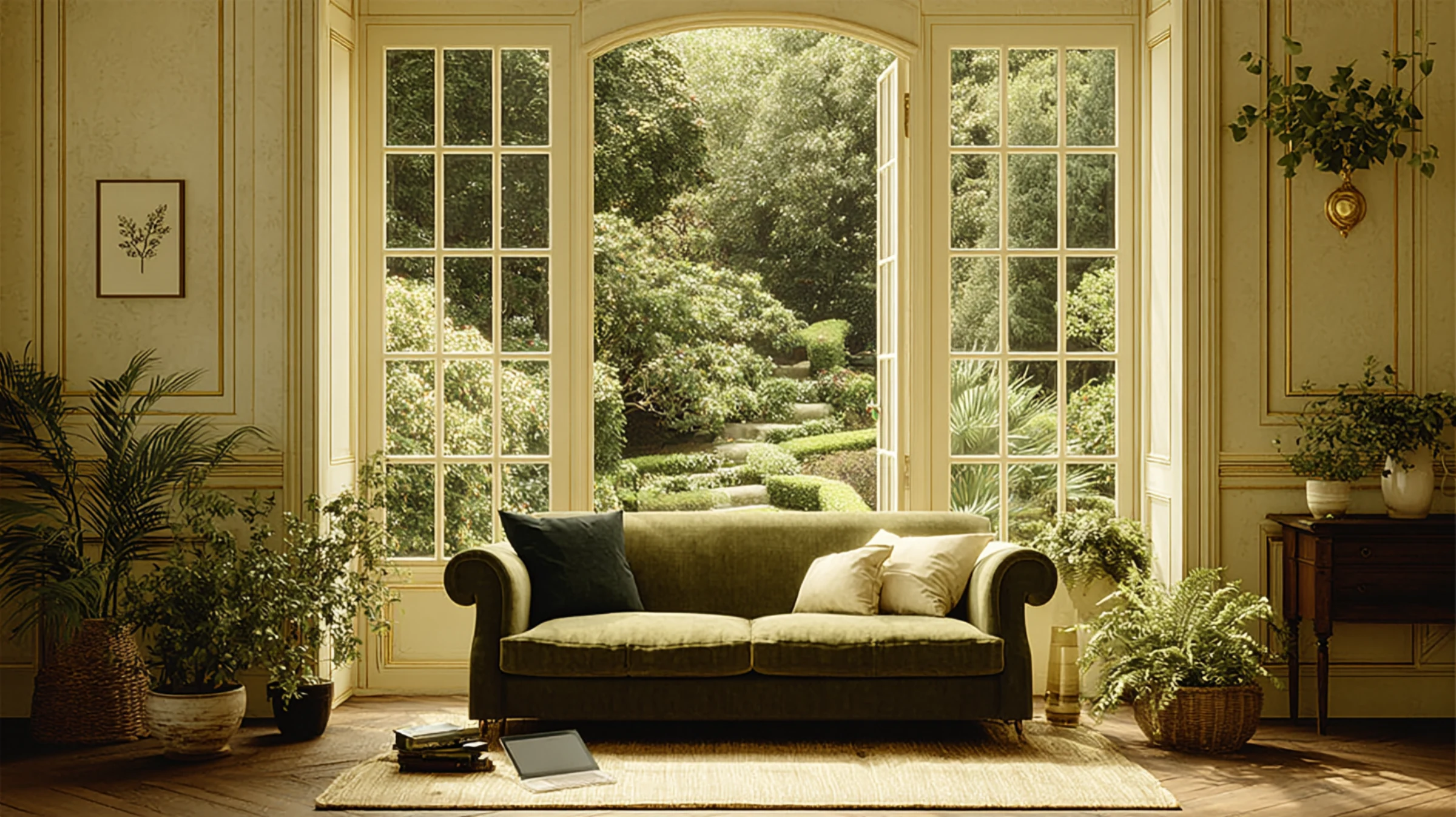
New British Eclecticism: The Art of Curated Contrast
The New British Eclecticism: Curated Contrast and Cultural Confidence In the ever-evolving landscape of British interior design, a distinctive approach has emerged that defies simple categorization yet feels quintessentially British…
House of Willow Alexander·
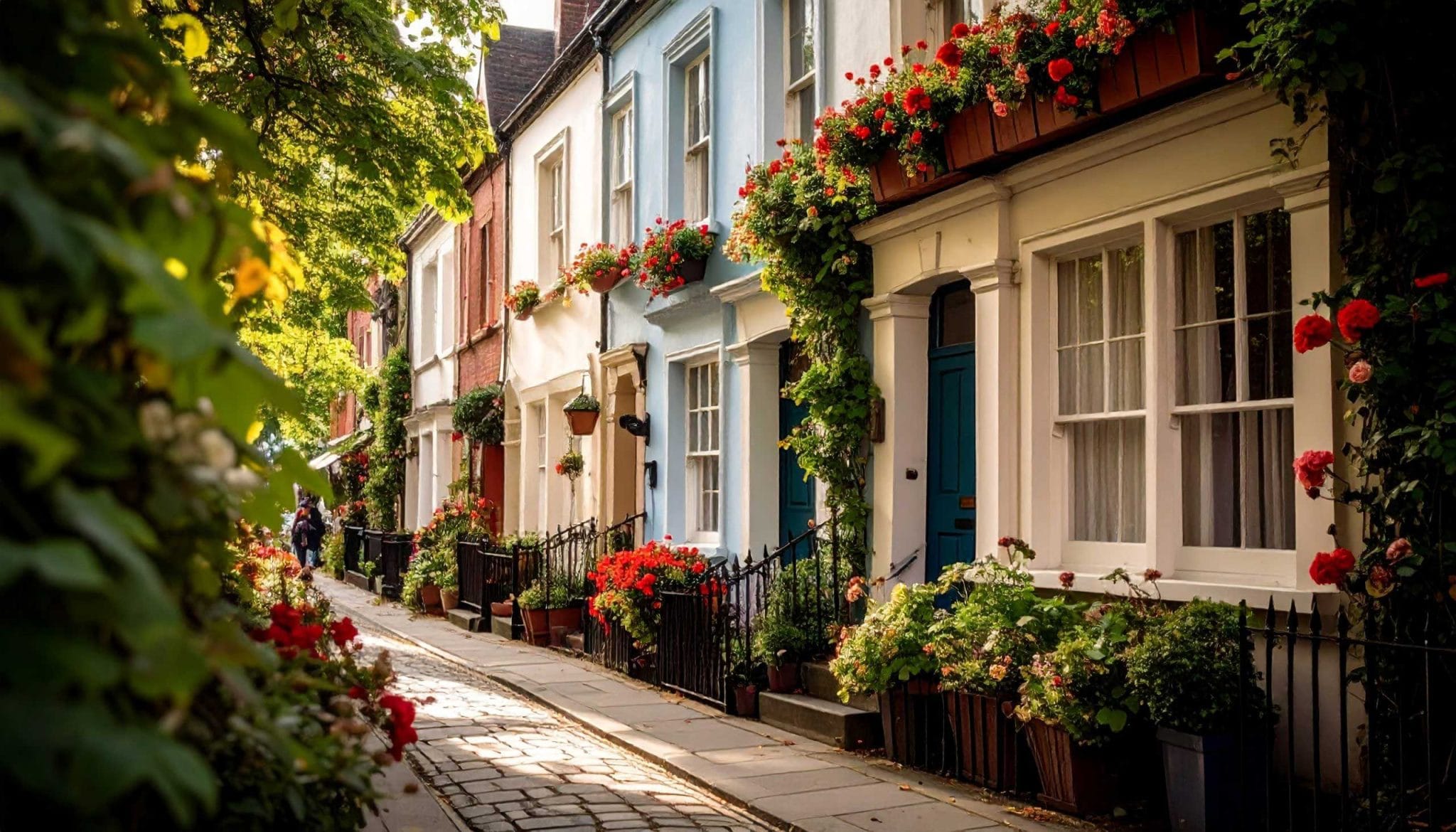
The New British Eclecticism: Curated Contrast and Cultural Confidence
In the ever-evolving landscape of British interior design, a distinctive approach has emerged that defies simple categorization yet feels quintessentially British in its sophisticated irreverence. The New British Eclecticism represents a deliberate departure from minimalist restraint and formulaic design, instead embracing thoughtful juxtaposition, personal narrative, and cultural depth. This design philosophy celebrates the tension between seemingly disparate elements—contemporary and antique, formal and casual, global and local—creating spaces that feel simultaneously curated and spontaneous, refined yet comfortable.
The Philosophy of Curated Contrast
At its core, the New British Eclecticism is defined by several key principles that distinguish it from both traditional British classicism and international contemporary design:
Intentional Juxtaposition
Temporal Dialogue
Contemporary pieces engage in visual conversation with antiques, creating dynamic tension between different eras. This might manifest as a sleek contemporary dining table surrounded by Georgian chairs, or a minimalist sofa positioned beneath a traditional oil portrait. The juxtaposition highlights the distinctive qualities of each piece while creating a sense that the space has evolved organically rather than being created in a single moment.
Stylistic Counterpoint
Formal elements are balanced with casual touches, preventing spaces from feeling either too precious or too relaxed. A meticulously restored architectural cornice might share space with deliberately distressed textiles, or an elegant chesterfield sofa might be paired with industrial side tables. This balance creates environments that feel simultaneously sophisticated and livable.
Material Conversation
Natural materials interact with manufactured ones, creating textural richness and visual complexity. Rough-hewn timber beams might contrast with polished marble surfaces, or handwoven textiles might drape across precision-engineered furniture. This material dialogue acknowledges both craftsmanship heritage and technological innovation.
Scale Interplay
Delicate details coexist with bold statements, creating visual rhythm and preventing monotony. A collection of miniature botanical drawings might be arranged around an oversized contemporary canvas, or a substantial antique armoire might be balanced by delicate ceramic vessels. This scale variation creates visual journeys that reward both immediate impression and closer inspection.
Narrative Coherence
Personal Storytelling
Objects and arrangements reflect individual histories, interests, and experiences rather than adhering to external style dictates. A well-traveled collector might display artifacts from global journeys alongside family heirlooms, while a literature enthusiast might organize spaces around significant book collections. This personal approach ensures spaces feel authentic rather than performative.
Thematic Connections
Subtle threads—perhaps color relationships, material qualities, or formal elements—create cohesion across seemingly disparate objects. A particular blue tone might appear in different intensities throughout various textiles, artworks, and accessories, or a geometric motif might recur across different scales and applications. These connective elements provide visual coherence without obvious matching.
Evolutionary Approach
Spaces appear to have developed over time rather than being created in a single design gesture. Furniture arrangements suggest adaptation to changing needs, art collections indicate evolving tastes, and the overall impression is one of thoughtful accumulation rather than wholesale decoration. This temporal quality creates environments that feel lived-in rather than staged.
Cultural Dialogue
British design traditions engage with global influences in ways that acknowledge both heritage and contemporary global context. A traditional English roll-arm sofa might be upholstered in contemporary African textiles, or Chinese export porcelain might be displayed alongside modern British ceramics. This cultural conversation reflects Britain’s historical global connections while acknowledging contemporary multicultural reality.
Sophisticated Irreverence
Rule Awareness
Design conventions are broken deliberately rather than accidentally, demonstrating understanding of traditions even while departing from them. A traditional room might feature unexpectedly contemporary lighting, or classical architectural elements might frame distinctly modern art. This knowing subversion creates intellectual engagement beyond mere visual appeal.
Humor Integration
Subtle wit appears in unexpected details, preventing spaces from feeling self-important despite their sophistication. This might manifest as whimsical accessories, surprising color combinations, or furniture that references historical forms with contemporary twists. This playfulness creates environments that feel intelligent without pretension.
Imperfection Embrace
Signs of age, wear, and human touch are valued rather than eliminated, acknowledging that perfection often lacks character. Patinated metals, weathered wood, and textiles showing evidence of repair all contribute to environments that feel authentic rather than pristine. This comfort with imperfection creates more relaxed, livable spaces.
Conventional Subversion
Traditional elements appear in unexpected contexts or combinations, challenging assumptions about how they “should” be used. Formal dining chairs might surround a kitchen work table, or traditional wallpaper might be applied to ceiling surfaces rather than walls. This recontextualization creates fresh perspectives on familiar elements.
Historical Context and Contemporary Evolution
The New British Eclecticism has deep historical roots while responding to contemporary realities:
Historical Foundations
Grand Tour Legacy
The 18th and 19th century British tradition of collecting global artifacts during educational European journeys established precedent for incorporating diverse cultural elements into British interiors. Contemporary eclectic spaces continue this tradition of cultural curiosity while acknowledging more complex understanding of cultural exchange and appropriation.
Country House Accumulation
The organic evolution of British country houses, where successive generations added contemporary elements to inherited environments, created naturally layered interiors that mixed periods and styles. Modern eclectic approaches reference this evolutionary quality while compressing the timeline through deliberate curation.
Arts and Crafts Influence
The late 19th century movement’s emphasis on craftsmanship, material honesty, and personal connection to objects continues to influence contemporary appreciation for handmade elements and authentic materials. Today’s eclectic spaces often feature artisanal pieces that provide counterpoint to mass-produced elements.
Colonial Interaction
Britain’s imperial history created complex patterns of cultural exchange that influenced domestic interiors through imported goods, adapted motifs, and hybrid styles. Contemporary approaches acknowledge this history while attempting more equitable cultural dialogue that respects origins and contexts.
Contemporary Catalysts
Digital Saturation
As digital imagery makes global design instantly accessible, distinctive personal spaces have gained importance as antidotes to visual homogenization. Eclectic interiors resist easy categorization or replication, providing unique environments that reflect individual identity rather than trending aesthetics.
Sustainability Awareness
Growing environmental consciousness has increased appreciation for existing objects, vintage pieces, and antiques that prevent unnecessary production. Eclectic spaces naturally incorporate previously owned items, extending their lifecycle while creating richer visual environments than spaces furnished entirely with new pieces.
Cultural Fluidity
Increasingly diverse British society has created more nuanced understanding of cultural exchange, allowing thoughtful incorporation of global influences beyond simplistic appropriation. Contemporary eclectic spaces often reflect personal connections to different cultures rather than decorative exoticism.
Authenticity Valuation
Reaction against mass production and algorithm-driven recommendations has increased appreciation for spaces that reflect genuine personal history rather than curated perfection. Eclectic interiors prioritize meaningful objects and arrangements over photogenic coherence.
Notable Practitioners
Beata Heuman
This Swedish-born, London-based designer has developed a distinctively playful approach to British eclecticism, combining traditional elements with unexpected color, custom details, and whimsical touches. Her work demonstrates how foreign perspectives can refresh British traditions while maintaining their essential character.
Rita Konig
Daughter of renowned designer Nina Campbell, Konig has evolved her own approach to relaxed British interiors that combine family heirlooms, contemporary art, and comfortable furnishings with seemingly effortless sophistication. Her spaces exemplify the lived-in quality that distinguishes British eclecticism from more formal approaches.
Ben Pentreath
Architect and designer Pentreath creates spaces that reference classical proportions and traditional elements while incorporating bold color, contemporary art, and unexpected combinations. His work demonstrates how architectural understanding can provide framework for eclectic furnishing approaches.
Retrouvius
This design studio and architectural salvage company, founded by Adam Hills and Maria Speake, creates interiors that incorporate reclaimed materials and vintage elements in contemporary contexts. Their work exemplifies how sustainability concerns can drive eclectic approaches that celebrate material history.
Key Elements of the New British Eclecticism
Several distinctive components characterize this design approach:
Furniture Arrangements
Conversational Groupings
Furniture arrangements prioritize human interaction rather than architectural symmetry or television viewing, often featuring chairs and sofas positioned for face-to-face conversation. This social emphasis creates more dynamic spaces than the perimeter-hugging arrangements common in minimalist interiors.
Mixed Provenance
Furnishings from different periods, styles, and sources coexist based on function, form, and narrative connection rather than matching suites. A Georgian chest might stand beside a mid-century chair and contemporary side table, united by proportional relationships rather than stylistic consistency.
Comfort Priority
Despite sophisticated appearance, seating and tables prioritize genuine comfort and functionality rather than merely visual impact. Deeply upholstered sofas, chairs with proper back support, and tables at appropriate heights ensure spaces function as well as they look.
Layered Arrangements
Furniture appears in layers rather than single planes, with smaller pieces—occasional tables, footstools, plant stands—creating intermediate heights between primary seating and floor level. This dimensional complexity creates more engaging visual environments than simplified arrangements.
Color Application
Complex Palettes
Color schemes incorporate multiple hues in various saturations rather than limited palettes, creating visual richness and allowing diverse elements to find chromatic connections. These complex color relationships provide sophisticated alternatives to monochromatic or triad-based contemporary schemes.
Historical References
Traditional British color combinations—perhaps Drawing Room Blue with Suffolk Pink, or Olive with Burgundy—appear in fresh contexts or unexpected proportions. These historical references connect contemporary spaces to design heritage while avoiding pastiche through modern application.
Unexpected Accents
Surprising color moments—perhaps a vivid yellow chair in an otherwise subdued room, or a bright red interior revealed when a cabinet opens—create visual punctuation and prevent spaces from feeling too carefully coordinated. These chromatic surprises introduce energy and prevent predictability.
Patinated Complexity
Colors appear with variation, texture, and depth rather than flat application, whether through actual patina on aged surfaces or deliberate techniques like glazing, color-washing, or layered finishes. This complexity creates more engaging surfaces than uniform contemporary finishes.
Art and Object Display
Salon-Style Groupings
Artwork appears in dense, carefully composed arrangements rather than isolated placement, creating collective impact beyond individual pieces. These groupings might combine different media, periods, and subjects united by subtle relationships of color, theme, or scale.
Collection Presentation
Objects with thematic connections—whether vintage ceramics, natural specimens, or travel souvenirs—appear in deliberate groupings that transform individual items into curated collections. These arrangements create focal points while revealing personal interests and histories.
Unexpected Positioning
Art and objects appear in surprising locations—perhaps small paintings hung on bookcase edges, sculptures placed on dining tables, or collections displayed in bathrooms—rather than conventional placement. This unexpected positioning creates discovery moments throughout spaces.
Layered Surfaces
Tabletops, mantels, and shelves feature overlapping arrangements of objects, books, and art rather than minimal styling, creating visual depth and suggesting ongoing engagement with possessions. These layered compositions feel dynamic rather than static, suggesting addition and rearrangement over time.
Textile Integration
Pattern Mixing
Multiple textile patterns coexist through careful scale variation, color connection, or motif relationships rather than matching coordination. A large-scale floral might appear alongside geometric stripes and abstract prints, united by color palette or proportional relationships.
Textural Contrast
Smooth fabrics appear alongside nubby textures, creating tactile variety and visual interest beyond pattern and color. Silk might contrast with raw linen, or velvet might appear alongside textured wool, creating sensory richness through touch as well as appearance.
Relaxed Application
Textiles appear with comfortable imprecision—slightly rumpled linen, gently puddling curtains, or loosely draped throws—rather than crisp perfection. This relaxed approach creates more inviting environments than the taut, precise textile applications common in minimalist spaces.
Narrative Textiles
Fabrics with history—whether actual antique textiles, contemporary pieces with traditional techniques, or materials with personal significance—add depth beyond decorative pattern. These narrative textiles connect spaces to broader cultural contexts and personal histories.
Lighting Layers
Fixture Diversity
Lighting combines different types, periods, and styles rather than coordinated suites, with contemporary pieces appearing alongside antique or vintage fixtures based on function and form rather than matching aesthetic. This diversity creates more interesting illumination than uniform contemporary systems.
Ambient Priority
Lighting prioritizes atmospheric quality over uniform illumination, with multiple lower-intensity sources creating pools of light rather than even brightness. This layered approach creates more nuanced environments than the consistent illumination common in contemporary spaces.
Unexpected Scale
Lighting fixtures often appear in surprising proportions—perhaps oversized pendants over dining tables, substantial table lamps on small surfaces, or miniature fixtures in prominent positions. This scale play creates visual interest while challenging conventional expectations.
Shade Character
Lamp shades contribute significant design elements rather than neutral backgrounds, whether through distinctive shapes, unusual materials, or custom details like trim, pleating, or lining. These characterful shades create personality even when fixtures are not illuminated.
Spatial Applications
The New British Eclecticism manifests differently across various rooms:
Living Spaces
Conversation Architecture
Furniture arrangements create multiple interaction zones rather than single focal points, allowing different activities and groupings within one space. A large drawing room might feature a primary seating arrangement, a separate reading corner, and a small game table area, creating different social possibilities within one room.
Comfort Layering
Abundant soft furnishings—cushions, throws, upholstered footstools—create physical comfort that balances visual sophistication. This tactile generosity invites actual use rather than mere appreciation, distinguishing these spaces from more austere contemporary interiors.
Book Integration
Reading material appears throughout rather than being confined to dedicated libraries, with books stacked on tables, arranged on shelves, and placed near seating. This literary presence suggests intellectual engagement and provides personal context beyond purely decorative elements.
Evolutionary Evidence
Spaces show signs of development and adaptation rather than wholesale design, with newer elements integrated among established pieces. This layered quality creates environments that feel responsive to changing needs rather than frozen in designer perfection.
Dining Areas
Table Personality
Dining surfaces feature character—whether through aged wood patina, unusual materials, or distinctive bases—rather than neutral backgrounds for place settings. These characterful tables become room anchors rather than merely functional surfaces.
Chair Variation
Seating often incorporates deliberate variety rather than matching sets, whether through different side and host chairs, completely mixed seating, or unified frames with varied upholstery. This diversity creates more dynamic compositions than conventional dining suites.
Layered Tabletop
Table settings incorporate multiple elements—placemats, chargers, varied glassware, and centerpieces—creating visual abundance rather than minimalist precision. This layered approach suggests generous hospitality rather than austere formality.
Contextual Richness
Surrounding elements—perhaps sideboards displaying serving pieces, walls featuring food-related art, or visible kitchen equipment—create context beyond the dining surface itself. This environmental richness creates more engaging dining experiences than isolated tables in minimal surroundings.
Bedrooms
Textile Abundance
Beds feature multiple fabric layers—perhaps combining quilts, blankets, throws, and cushions in varied patterns and textures—creating inviting comfort beyond decorative appearance. This textile richness creates more sensory experiences than the minimal bedding common in contemporary styling.
Functional Beauty
Practical elements—bedside lighting, water carafes, reading material—become design components rather than merely utilitarian objects. This integration of function and aesthetics creates spaces that work beautifully rather than merely looking beautiful.
Personal Context
Intimate objects—perhaps family photographs, meaningful artwork, or significant mementos—create personal sanctuary beyond generic comfort. These contextual elements transform bedrooms from merely restful spaces to meaningful personal environments.
Retreat Creation
Seating beyond the bed itself—perhaps a reading chair, small desk, or window seat—creates multi-functional retreat rather than merely sleeping space. This functional diversity transforms bedrooms into private domains rather than single-purpose rooms.
Bathrooms
Unexpected Decoration
Decorative elements typically associated with living spaces—perhaps artwork, antique furniture, or substantial lighting—elevate utilitarian areas beyond mere function. This decorative approach transforms necessary spaces into enjoyable environments rather than purely practical zones.
Material Warmth
Natural materials—wood, stone, metals with patina—balance the necessary hard surfaces with visual warmth and tactile quality. This material richness creates more engaging sensory experiences than the clinical surfaces common in contemporary bathrooms.
Collected Presence
Personal objects—perhaps displayed toiletries, small sculptures, or botanical elements—create individual character beyond fixtures and fittings. These personalized touches prevent bathrooms from feeling anonymous despite their utilitarian requirements.
Textile Integration
Fabric elements—perhaps substantial window treatments, upholstered stools, or draped towels—soften potentially harsh bathroom environments. This textile presence creates more comfortable atmospheres than the hard-surfaced minimalism common in contemporary bathrooms.
Creating Eclectic Spaces: Practical Approaches
Several strategies can help develop successful eclectic interiors:
Foundational Framework
Architectural Respect
Working with rather than against a building’s period, proportions, and details provides coherent framework for eclectic furnishings. This architectural foundation creates appropriate context for diverse elements rather than competing with them.
Color Strategy
Developing underlying color approach—whether through wall colors, consistent accents, or recurring tones—creates cohesion across varied elements. This chromatic framework provides visual connection without requiring matching components.
Functional Clarity
Establishing clear space planning based on actual use patterns before addressing decorative elements ensures eclectic spaces work effectively rather than merely looking interesting. This practical foundation prevents style from overwhelming function.
Quality Priority
Investing in well-made foundational pieces—particularly seating, beds, and storage—provides substantial framework for more experimental decorative elements. This quality base ensures eclectic spaces feel luxurious rather than chaotic despite their variety.
Curation Strategies
Narrative Connection
Selecting items with personal meaning or historical significance rather than merely decorative appeal creates deeper engagement with environments. This meaning-based approach ensures spaces tell authentic stories rather than merely following aesthetic formulas.
Visual Conversation
Considering how elements interact visually—through color relationships, formal echoes, or scale contrasts—rather than matching creates dynamic compositions. This relational approach creates more sophisticated environments than coordinated suites or sets.
Editing Discipline
Removing elements that neither serve functional purposes nor contribute meaningful narrative prevents eclectic from becoming chaotic. This curatorial discipline ensures spaces feel intentional rather than merely accumulated.
Evolution Allowance
Leaving room—both physically and conceptually—for future additions allows spaces to develop rather than remaining static. This growth mindset creates more authentic environments than completely resolved designs that resist adaptation.
Implementation Approaches
Layered Process
Developing spaces over time rather than completing all elements simultaneously allows organic evolution and response to lived experience. This gradual approach creates more authentic environments than wholesale implementations of predetermined schemes.
Unexpected Combinations
Deliberately pairing items that conventional wisdom would separate—perhaps an antique chest with contemporary art, or traditional architecture with modern lighting—creates distinctive character. This combinatory approach prevents predictable outcomes while creating visual interest.
Comfort Balancing
Ensuring practical comfort and functionality balances visual sophistication, preventing spaces from becoming museums rather than homes. This livability focus creates environments that support daily life while providing aesthetic pleasure.
Personal Confidence
Trusting individual preferences and connections rather than following external validation creates authentic environments that reflect actual lives rather than aspirational images. This self-trust produces more meaningful spaces than trend-driven approaches.
Contemporary Relevance and Future Evolution
The New British Eclecticism offers particular relevance to current concerns:
Sustainability Alignment
Reuse Prioritization
Incorporating existing pieces—whether family heirlooms, vintage finds, or antiques—reduces demand for new production while creating richer visual environments. This reuse approach naturally aligns with circular economy principles while creating distinctive character impossible with entirely new furnishings.
Longevity Design
Creating spaces that evolve rather than requiring wholesale replacement when trends change reduces consumption and waste. This evolutionary approach produces more sustainable environments than style-specific designs with built-in obsolescence.
Quality Valuation
Appreciating craftsmanship and durability over novelty encourages investment in pieces that will last generations rather than requiring frequent replacement. This quality focus creates both more sustainable and more satisfying environments than disposable approaches.
Repair Culture
Embracing visible mending, restoration, and adaptation of existing pieces challenges throwaway culture while creating objects with ongoing stories. This regenerative approach creates more meaningful material relationships than consumption-based decorating.
Psychological Benefits
Personal Expression
Environments that reflect actual personalities and histories rather than external ideals create authentic self-expression that supports psychological wellbeing. This expressive quality creates more meaningful connection than spaces designed primarily for others’ approval.
Temporal Continuity
Incorporating elements from different life periods creates sense of continuous identity rather than constant reinvention. This temporal connection supports psychological stability through material continuity despite life changes.
Stimulation Balance
Visually rich environments provide appropriate sensory stimulation without overwhelming coherence, creating spaces that engage rather than exhaust attention. This stimulation balance offers alternatives to both chaotic overstimulation and austere minimalism.
Adaptation Capacity
Spaces designed to evolve naturally accommodate life changes—from family growth to new interests—without requiring complete reinvention. This flexibility creates more resilient environments than rigidly defined designs that resist modification.
Future Directions
Digital Counterpoint
As virtual environments become increasingly significant, physically rich spaces that engage multiple senses gain importance as counterbalance to digital flatness. This sensory richness provides necessary contrast to screen-based experiences while supporting full-spectrum human perception.
Hyper-Local Focus
Growing interest in regional distinctiveness and local craftsmanship suggests more geographically specific eclectic approaches that reflect particular British locations rather than generic national style. This regional specificity creates more authentic environments than homogenized “British” aesthetics.
Climate Adaptation
Changing environmental conditions will likely influence material choices, thermal strategies, and functional requirements while maintaining eclectic aesthetic approaches. This adaptive evolution will create climate-appropriate environments that maintain distinctive character despite practical modifications.
Global Conversation
Increasingly nuanced understanding of cultural exchange suggests more thoughtful incorporation of global influences based on meaningful connection rather than decorative exoticism. This ethical evolution will create more respectful environments that acknowledge complex cultural histories.
Conclusion: The Distinctive Character of New British Eclecticism
The New British Eclecticism represents more than merely a decorative style; it embodies a distinctly British approach to creating meaningful environments that balance sophistication with comfort, history with innovation, and individual expression with cultural context. By embracing contrast, celebrating imperfection, and prioritizing narrative over formula, this design philosophy creates spaces that feel simultaneously timeless and contemporary, personal and culturally connected.
In a world increasingly dominated by algorithm-driven recommendations and globally homogenized aesthetics, the deliberate idiosyncrasy and thoughtful curation of eclectic British interiors offers refreshing authenticity. These spaces resist easy categorization or replication precisely because they emerge from specific lives, histories, and contexts rather than abstract style dictates.
The most successful eclectic interiors share certain qualities despite their visual diversity: they feel collected rather than decorated, evolved rather than installed, and lived-in rather than staged. They demonstrate confidence in personal taste rather than seeking external validation, and they prioritize meaning over perfection. Perhaps most importantly, they create environments that support actual lives in all their complexity rather than presenting aspirational images disconnected from daily reality.
As British design continues to evolve in response to changing social, environmental, and technological contexts, the eclectic approach offers particular resilience through its inherent adaptability. Rather than requiring wholesale reinvention when conditions change, eclectic spaces naturally accommodate new elements while maintaining continuity with the past. This evolutionary capacity ensures that the New British Eclecticism will likely continue to develop while maintaining its distinctive character—sophisticated yet comfortable, knowledgeable yet irreverent, and always unmistakably British.