Garden Room Design: Creating Outdoor Living Spaces
The concept of the garden room—an outdoor space designed with the same attention to function, comfort, and aesthetics as interior rooms—has transformed how we think about and use our gardens….
House of Willow Alexander·
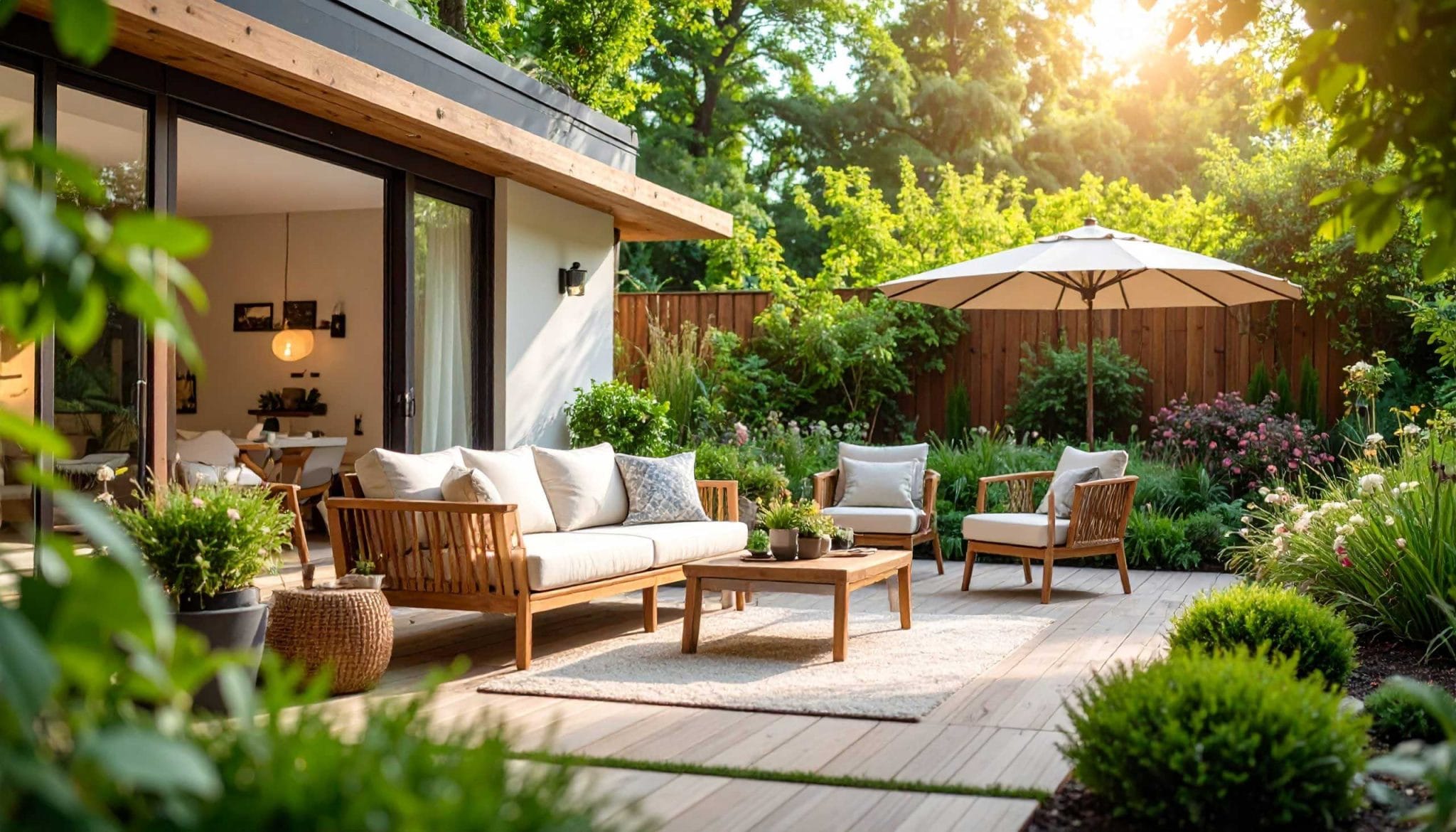
The concept of the garden room—an outdoor space designed with the same attention to function, comfort, and aesthetics as interior rooms—has transformed how we think about and use our gardens. These thoughtfully designed outdoor living areas extend usable space beyond the confines of the house, creating opportunities for dining, entertaining, relaxation, or work in direct connection with nature. As the British climate becomes more amenable to outdoor living and our appreciation for outdoor space has intensified, garden rooms have evolved from occasional luxury to essential components of well-designed homes. This exploration examines the principles, approaches, and considerations that create successful outdoor living spaces suited to the British context.
Conceptual Foundations: Rethinking Outdoor Space
Understanding the garden room concept provides foundation for effective design:
Defining Characteristics
Several qualities distinguish garden rooms from general garden areas:
Spatial Definition
Unlike open lawn or general planting areas, garden rooms have clear boundaries that create distinct spatial experiences. These defining elements might be structural (walls, screens, pergolas) or vegetative (hedges, tall grasses, tree canopies) but create recognizable “room-like” enclosure.
Functional Clarity
Garden rooms are designed around specific activities or uses rather than general appreciation. This functional focus guides decisions about size, layout, materials, and furnishings to support particular experiences—whether dining with friends, quiet reading, or creative work.
Comfort Prioritization
Successful garden rooms address human comfort needs through thoughtful consideration of seating, shelter, shade, and sensory experience. This comfort-centered approach creates spaces people genuinely use rather than merely admire from a distance.
Seasonal Extension
Well-designed garden rooms incorporate features that extend usability beyond perfect summer days—perhaps through shelter from prevailing winds, overhead protection from light rain, or heating elements for cooler evenings. This seasonal thinking transforms occasional spaces into regularly used extensions of the home.
Historical Context
The garden room concept has evolved through different traditions:
Classical Precedents
The concept of outdoor rooms has ancient roots in Mediterranean courtyard gardens and Roman peristyle spaces, where outdoor areas functioned as essential living spaces for much of the year. These classical approaches emphasized the integration of architecture and landscape to create comfortable outdoor environments.
Arts and Crafts Influence
The British Arts and Crafts movement popularized the concept of garden “rooms” divided by hedges or walls, each with distinct character and purpose. Influential designers like Gertrude Jekyll and Edwin Lutyens created gardens as series of interconnected outdoor spaces that extended the architectural experience beyond the house.
Mid-Century Modernism
Modernist designers emphasized the fluid connection between interior and exterior spaces through large glass doors, consistent flooring materials, and architectural elements that continued from inside to outside. This integrated approach blurred traditional boundaries between house and garden.
Contemporary Evolution
Recent decades have seen garden rooms become increasingly sophisticated, with outdoor kitchens, integrated lighting, audio systems, and weather protection transforming seasonal spaces into true extensions of the home. This evolution reflects both technological developments and changing expectations about outdoor living.
Psychological Dimensions
Garden rooms offer distinctive psychological benefits:
Nature Connection
Garden rooms satisfy biophilic needs for nature contact while providing the psychological comfort of defined space. This balance between natural elements and human-scaled enclosure creates environments that feel simultaneously safe and stimulating.
Sensory Richness
The multisensory nature of garden rooms—combining fresh air, natural light, plant fragrance, and textural diversity—creates immersive experiences distinctly different from interior spaces. This sensory richness offers valuable counterpoint to increasingly digital and visual daily experiences.
Psychological Transition
Garden rooms create intermediate zones between fully domestic and wilder garden areas, allowing for psychological transition between different modes of being. These threshold spaces help people shift between work and relaxation, social engagement and solitude, or focused attention and open awareness.
Expanded Territory
Well-designed garden rooms genuinely expand perceived living space, creating psychological sense of a larger, more varied home environment. This territorial expansion offers particular value in dense urban settings where interior space may be limited.
Design Principles: Creating Successful Garden Rooms
Several key principles guide effective garden room design:
Spatial Definition
The defining boundaries create the room-like quality:
Enclosure Balance
Successful garden rooms balance enclosure for definition with openness for light, views, and connection to the broader landscape. This balance typically involves solid boundaries on some sides with more permeable elements on others, creating spaces that feel defined without being confined.
Vertical Dimension
The height of enclosing elements significantly influences how a garden room feels, with taller boundaries creating more intimate, immersive experiences and lower elements maintaining broader visual connections. This vertical consideration should respond to both human scale and the specific activities the space will host.
Threshold Articulation
How one enters a garden room—whether through an archway, between sentinel plants, down steps, or through a narrow passage—significantly influences the experience of arrival and discovery. These threshold moments deserve particular design attention as they frame the experience of the space beyond.
Overhead Plane
The treatment of the space above a garden room—whether open sky, tree canopy, pergola structure, or tensile shade—completes its spatial definition. This “ceiling” consideration affects not just weather protection but light quality, sense of enclosure, and overall spatial character.
Functional Organization
Internal arrangement supports intended activities:
Activity Zoning
Within garden rooms, different functions often require distinct zones—perhaps a cooking area separate from dining space, or a conversation grouping distinct from more private seating. These internal zones should be clearly organized while maintaining overall cohesion.
Circulation Clarity
Even in modest garden rooms, clear movement paths that don’t interfere with seating or activity areas ensure comfortable use. These circulation routes should consider both movement within the room and connections to other garden areas or the house.
Flexibility Provision
The most successful garden rooms accommodate different group sizes, activities, or times of day through movable elements or multifunctional features. This adaptability might include modular seating, tables that expand, or adjustable shade elements.
Storage Integration
Practical storage for cushions, small tools, entertainment items, or children’s toys allows garden rooms to function smoothly without requiring constant movement between indoors and out. These storage elements should be weatherproof and aesthetically integrated rather than appearing as afterthoughts.
Material Selection
Materials significantly influence both aesthetics and functionality:
Material Dialogue
Thoughtful relationship between materials used in the house and garden room creates visual connection while acknowledging the different conditions of outdoor spaces. This material conversation might involve using similar colors but more weather-resistant versions, or echoing architectural details in simplified outdoor forms.
Weathering Consideration
Materials selected not just for initial appearance but for how they will age and weather create garden rooms that improve rather than deteriorate over time. This long-term thinking might favor natural materials that develop patina—like cedar that silvers, copper that verdigris, or stone that develops moss—over those that simply fade or degrade.
Maintenance Realism
Material choices should reflect realistic maintenance capabilities and expectations, with honest assessment of how much care various options will require. This practical approach might mean choosing naturally rot-resistant woods over those requiring regular treatment, or selecting fabrics specifically designed for outdoor exposure.
Sensory Qualities
Beyond visual appearance, materials should be evaluated for tactile qualities, acoustic properties, scent, and thermal behavior. This multisensory consideration creates spaces that feel good to touch, don’t amplify sound unpleasantly, smell natural rather than synthetic, and don’t become uncomfortably hot in summer sun.
Planting Integration
Plants transform structural spaces into living environments:
Architectural Function
Plants can serve architectural functions within garden rooms—creating walls (hedges), ceilings (climbing plants on pergolas), or floor patterns (ground covers between pavers). These structural uses integrate natural elements into the fundamental spatial definition.
Seasonal Consideration
Plant selection should consider year-round presence and seasonal highlights that align with when the space will be most used. This temporal thinking might emphasize evening-fragrant plants for dining areas used primarily at night, or focus on winter structure for spaces visible from indoor rooms during colder months.
Maintenance Alignment
Planting designs should align with the maintenance level appropriate for the space, with more intensive schemes reserved for highly visible or frequently used areas. This practical approach might mean selecting more resilient, lower-maintenance plants for peripheral areas while focusing horticultural attention on key focal points.
Sensory Contribution
Plants selected specifically for sensory qualities—fragrance near seating areas, grasses that move in slight breezes, or textural variety within touching distance—enhance the experiential richness of garden rooms. These sensory selections create spaces that engage visitors more fully than purely visual designs.
Typologies: Garden Room Variations
Different garden room types serve particular functions:
Dining Spaces
Outdoor dining areas require specific considerations:
Sizing Adequacy
Successful dining spaces provide adequate room not just for the table and chairs but for movement around them when occupied. This spatial generosity typically means allowing at least 1 meter beyond the edge of the table on all sides, with more where circulation routes pass or serving needs to occur.
Surface Stability
Dining areas require particularly stable, level surfaces to prevent wobbling tables or tipping chairs. These functional needs typically favor solid paving over loose materials like gravel, with careful attention to creating truly level surfaces rather than slight slopes that become problematic in use.
Shade Provision
Some form of shade option—whether permanent structure, retractable awning, large umbrella, or deciduous tree canopy—makes dining spaces usable during hot or bright conditions. This comfort consideration significantly extends the usability of outdoor dining areas beyond perfect weather days.
Service Convenience
Thoughtful positioning relative to the kitchen or inclusion of outdoor preparation areas minimizes awkward carrying of food and dishes. This practical planning might include dedicated serving surfaces, outdoor storage for frequently used items, or even full outdoor kitchens in spaces used regularly for entertaining.
Lounge Settings
Relaxation-focused spaces emphasize comfort and atmosphere:
Seating Generosity
Comfortable, genuinely lounge-worthy seating—whether built-in benches with thick cushions, proper outdoor sofas, or oversized chairs that allow relaxed postures—transforms occasional spaces into regularly used retreats. This comfort investment creates spaces people genuinely want to occupy rather than merely look at.
Conversation Arrangement
Seating arranged to facilitate easy conversation—typically in roughly circular or square groupings where people can see each other without straining—creates socially comfortable spaces. This arrangement consideration should include appropriate side tables within easy reach for drinks or books.
Evening Ambiance
Integrated lighting that creates gentle, warm illumination rather than harsh brightness extends usability into evening hours. This atmospheric approach typically combines different light sources at various heights—perhaps path lights, lanterns, festoon strings, or subtle uplighting of key plants or structures.
Weather Adaptation
Some form of weather protection—whether solid roof, retractable canopy, or quick-deploying covers—extends the seasonal use of lounge spaces. This practical addition might include heating elements for cooler evenings or screening for wind protection in exposed locations.
Work and Creativity Spaces
Garden rooms can support productive activities:
Connection Provision
Outdoor work spaces increasingly require power and data connections to support digital devices. These practical needs can be addressed through weather-protected outlets, extended WiFi coverage, or even solar charging options for truly independent spaces.
Ergonomic Consideration
Work activities require proper ergonomic support—appropriate table heights, comfortable seating, and glare reduction. These functional needs might mean selecting adjustable furniture, positioning work surfaces to avoid direct sunlight on screens, or creating partial overhead protection.
Acoustic Management
Spaces intended for concentration benefit from some acoustic buffering from both household and neighborhood noise. This sensory consideration might involve positioning work spaces away from play areas or roads, using water features to provide masking sound, or incorporating sound-absorbing elements like living walls.
Inspiration Integration
Creative spaces benefit from thoughtful inclusion of inspiring elements—perhaps particularly beautiful plants, interesting views, or artistic features. These stimulating additions create environments that support creative thinking rather than merely providing functional work surfaces.
Contemplative Retreats
Spaces designed for reflection serve distinct needs:
Sensory Curation
Contemplative spaces benefit from carefully curated sensory experiences that support mental clarity—perhaps simplified color palettes, gentle sound from water or grasses, or specific fragrances known to promote calm. This sensory restraint creates environments that quiet rather than stimulate the mind.
Privacy Assurance
True retreat spaces require genuine privacy from both household activity and external oversight. This seclusion might involve strategic screening, careful positioning away from overlooking windows, or acoustic separation from noisier garden areas.
Comfort for Stillness
Seating designed to support comfortable stillness for extended periods—whether meditation benches, deeply comfortable loungers, or hammocks—encourages contemplative use. This specialized comfort consideration differs from social seating by focusing on supporting individual bodies in restful positions rather than facilitating interaction.
Natural Connection
Elements that connect users to natural rhythms and processes—views of sky for watching cloud patterns, water features with gentle movement, or plants that attract wildlife—enhance contemplative experience. These connecting elements create opportunities for the mind to rest on natural phenomena rather than human concerns.
Technical Considerations: Making Garden Rooms Work
Several practical aspects ensure garden rooms function effectively:
Surface Treatments
Floor surfaces significantly influence both aesthetics and functionality:
Material Selection
Different activities require different surface qualities—dining areas need stability for furniture, lounge spaces might prioritize bare-foot comfort, play areas require resilience to impact. These functional needs should guide material selection alongside aesthetic preferences.
Drainage Planning
All outdoor surfaces require thoughtful drainage to prevent puddles, slippery conditions, or water damage to adjacent structures. This technical consideration typically involves subtle slopes (1-2%) away from buildings, drainage channels at transition points, or permeable materials that allow water infiltration.
Transition Detailing
How different surfaces meet—whether garden room flooring to lawn, paving to gravel, or outdoor to indoor flooring—requires careful detailing to create both visual coherence and practical functionality. These transition zones often benefit from robust edge treatments that prevent material migration while creating clean visual lines.
Maintenance Implications
Different surfaces create different maintenance requirements—from regular sweeping of smooth paving to occasional replenishment of gravel or annual cleaning of decking. These ongoing needs should be considered alongside initial installation costs when selecting materials.
Weather Management
Extending usability beyond perfect conditions requires specific strategies:
Rain Protection
Some form of overhead covering—whether permanent roof, retractable awning, or tensile canopy—significantly extends usability during light rain. These protective elements should include proper drainage considerations to manage water runoff without creating secondary problems.
Wind Mitigation
Strategic screening from prevailing winds—through solid elements, permeable barriers like trellis with climbers, or carefully positioned planting—creates more comfortable microclimates. This wind management should consider both winter cold winds and summer cooling breezes, potentially with seasonal adjustment options.
Temperature Moderation
Features that moderate temperature extremes—from shade elements and planting for summer cooling to fire pits, infrared heaters, or reflective surfaces for winter warmth—extend seasonal use. These comfort elements transform occasionally used spaces into year-round amenities.
Sun Management
Thoughtful orientation and adjustable shade options address changing sun angles throughout the day and seasons. This solar consideration might include retractable awnings, adjustable louvers, or deciduous planting that provides summer shade while allowing winter sunlight.
Lighting Design
Effective lighting transforms evening use:
Layered Approach
Combining different light types at various heights—perhaps path lights at ground level, table lamps or lanterns at mid-height, and overhead festoon or downlights—creates depth and atmosphere. This layered approach avoids the flat appearance of single-source lighting while providing functional illumination where needed.
Control Flexibility
Separate circuits or dimmable options allow lighting to adapt to different activities, group sizes, or times of evening. This flexibility might include practical task lighting for cooking or dining areas that can be switched independently from more atmospheric ambient lighting.
Technical Integration
Weather-resistant fixtures, properly rated outdoor wiring, and thoughtful control systems ensure safety and longevity. These technical aspects require professional installation to address waterproofing, proper burial depths for cables, and appropriate transformers for low-voltage systems.
Energy Consideration
Solar-powered options, LED technology, or timer systems reduce energy consumption while providing necessary illumination. These sustainable approaches create lighting that remains practical to use regularly rather than generating concerns about excessive energy use.
Practical Amenities
Additional features enhance functionality:
Water Access
Convenient water sources—whether decorative features that double as irrigation, discrete hose connections, or full outdoor sinks—support both maintenance and activities like cooking or plant care. These practical elements should be frost-protected in British conditions, typically through drain-down capabilities or insulation.
Power Provision
Weather-protected electrical outlets support everything from laptop use to lighting, heating, or entertainment systems. These essential services require professional installation with proper outdoor-rated components, residual current devices for safety, and thoughtful positioning for convenience without visual intrusion.
Audio Integration
Discreet outdoor speaker systems—whether permanent installations or portable Bluetooth options—enhance atmosphere for entertaining or personal enjoyment. These audio elements should be weatherproof, positioned for even sound distribution, and controllable for appropriate volume given neighboring properties.
Cooking Facilities
Options ranging from simple fire pits or portable barbecues to fully equipped outdoor kitchens extend functional capabilities. These cooking elements should consider smoke management, prevailing wind direction, proximity to seating areas, and appropriate heat-resistant surrounding materials.
Integration Strategies: Connecting to House and Garden
Garden rooms function best when thoughtfully connected to adjacent spaces:
House Relationship
The connection to interior spaces significantly influences functionality:
Visual Connection
Maintaining sightlines between indoor and outdoor spaces—whether through glass doors, strategically placed windows, or aligned openings—creates perception of expanded space. This visual relationship makes both areas feel larger while encouraging movement between them.
Threshold Treatment
How the transition between inside and outside is handled—whether through flush thresholds, consistent flooring materials, or gradual steps—affects both physical ease of movement and psychological connection. These threshold details deserve particular attention as they are experienced every time the space is used.
Stylistic Dialogue
Some degree of design conversation between interior and exterior spaces—through complementary materials, related color palettes, or echoed forms—creates coherence without requiring exact matching. This stylistic relationship helps garden rooms feel like natural extensions of the home rather than disconnected afterthoughts.
Practical Proximity
Thoughtful positioning relative to related interior spaces—outdoor dining near the kitchen, quiet garden rooms accessible from study areas, or play spaces visible from family rooms—enhances functional connection. This practical relationship supports intuitive movement between indoor and outdoor activities.
Garden Context
Integration with the broader landscape creates coherent experiences:
Transitional Zoning
Creating graduated transitions between more architectural garden rooms and more naturalistic garden areas helps both spaces feel appropriately connected. These transitional zones might use architectural plants with natural forms, more irregular paving patterns, or structural elements partially covered with climbing plants.
Borrowed Scenery
Framing views of attractive garden features, neighboring trees, or distant landscape elements from within garden rooms expands their perceived space and connection to context. These borrowed views become particularly valuable in smaller gardens where actual space is limited.
Circulation Planning
Thoughtful pathways that connect different garden rooms and garden areas create intuitive movement through the entire landscape. These circulation routes should consider both practical movement needs and experiential qualities like discovery, revelation, or changing perspective.
Maintenance Coordination
Designing garden rooms with maintenance patterns similar to adjacent garden areas creates practical efficiency and visual coherence. This coordinated approach might mean selecting plants with similar care requirements for both areas, or ensuring access routes work for maintaining all spaces.
Seasonal Considerations
Thinking beyond summer maximizes year-round value:
Winter Visibility
Garden rooms often have heightened importance during winter months when other garden areas may be less used. This seasonal significance suggests particular attention to how these spaces appear from inside the house during colder periods, perhaps through structural elements, winter-interest planting, or lighting that creates appealing views from interior spaces.
Seasonal Transitions
Designing for graceful transitions between seasons—perhaps with storage for summer cushions, easily deployed weather protection, or planting that changes character through the year—creates spaces that remain functional and attractive year-round. This transitional thinking prevents garden rooms from becoming abandoned during off-peak seasons.
Microclimate Manipulation
Understanding how seasonal conditions affect specific locations allows for microclimate creation that extends comfortable use. This environmental modification might include wind barriers for winter, shade creation for summer, or reflective surfaces that maximize spring and autumn warmth.
Maintenance Rhythms
Aligning maintenance needs with seasonal patterns creates more sustainable care routines. This rhythmic approach might concentrate major interventions during key transition periods while maintaining lighter, regular attention throughout the year.
Stylistic Approaches: Aesthetic Directions
Garden rooms can express various design languages:
Contemporary Minimalism
Clean-lined, material-focused approaches create distinctive character:
Material Emphasis
Contemporary garden rooms often feature fewer materials used in larger expanses—perhaps a single paving type throughout, consistent wall treatments, or limited material palette for furniture. This restrained approach creates calm, cohesive spaces where material quality becomes particularly important.
Geometric Clarity
Simple, clear geometric forms—whether rectangular spaces, linear arrangements, or precise circular elements—create architectural definition without ornamental detail. This geometric approach typically emphasizes horizontal planes with occasional vertical elements for punctuation.
Restrained Planting
Plant selections often focus on architectural forms, textural contrast, and green tones rather than abundant flowering or complex combinations. This disciplined approach might feature clipped hedges, specimen grasses, or plants selected primarily for form rather than seasonal change.
Integrated Detailing
Technical elements like drainage, lighting, or level changes are typically integrated into the design rather than appearing as separate components. This seamless approach might include flush drains within paving, lighting concealed within structures, or invisible fixings for furniture and features.
Naturalistic Integration
More organic approaches blur boundaries between architecture and nature:
Soft Boundaries
Edges between different elements—whether paving to planting, seating to surroundings, or structural to growing components—are often deliberately softened or blurred. This integrated approach might include plants allowed to spill onto pathways, irregular paving edges, or structures partially enveloped by vegetation.
Material Weathering
Materials selected specifically for how they will age and weather—developing patina, moss growth, or color changes that integrate them into the garden over time. This temporal approach creates spaces that appear increasingly settled and connected to their context rather than remaining visually separate.
Ecological Planting
Plant selections often emphasize species that work together in communities, support wildlife, or reflect natural plant associations. This ecological approach creates more resilient, lower-intervention plantings that evolve rather than requiring constant maintenance to maintain a fixed appearance.
Sensory Prioritization
Design decisions guided by sensory experience beyond visual appearance—how spaces sound, smell, feel to touch, or change with weather conditions. This experiential approach creates gardens that engage visitors more fully than purely visual designs.
Classic Formality
Traditional approaches emphasize order and time-tested elements:
Symmetrical Organization
Formal garden rooms often employ symmetry—either bilateral or radial—to create ordered, balanced compositions. This classical approach typically organizes elements around central axes or focal points that anchor the spatial experience.
Defined Boundaries
Clear, often rectilinear boundaries—whether clipped hedges, walls, or architectural elements—create distinct separation between different spaces. This definitive approach emphasizes the “room” quality through clear thresholds and contained experiences.
Traditional Materials
Material selections often reference historical precedents—natural stone, brick, timber, gravel—used in traditional patterns and applications. This historical connection creates spaces with timeless quality that resist dating or appearing trendy.
Controlled Planting
Plant selections and arrangements typically demonstrate clear human intention—whether through symmetrical placement, repeated patterns, or maintained forms like topiary or pleached trees. This ordered approach creates spaces where nature appears cultivated rather than wild.
Eclectic Personalization
Individualistic approaches prioritize personal expression:
Collected Elements
Spaces assembled from diverse components—perhaps furniture collected over time, meaningful objects incorporated as features, or plants selected for personal significance rather than design coherence. This accumulated approach creates gardens with narrative quality that reflect their creators’ journeys.
Style Fusion
Deliberate mixing of different design languages—perhaps contemporary furniture within traditional structures, or architectural elements juxtaposed with naturalistic planting. This hybrid approach creates distinctive spaces that resist categorization while expressing individual vision.
Adaptive Reuse
Incorporation of repurposed elements—whether architectural salvage, reimagined objects, or materials with previous lives—creates layers of history and meaning. This sustainable approach connects new garden rooms to broader narratives while reducing environmental impact.
Evolving Design
Spaces designed to accommodate change and addition over time rather than achieving fixed “finished” state. This developmental approach creates gardens that can evolve with changing needs, new discoveries, or shifting preferences.
Implementation Considerations: From Concept to Reality
Creating successful garden rooms involves several practical aspects:
Budget Allocation
Financial resources require thoughtful distribution:
Investment Prioritization
Allocating larger portions of available budget to elements that create most impact or are difficult to change later—perhaps key structural components, mature specimen plants, or high-quality paving—while economizing on elements easily upgraded over time. This strategic approach creates immediately successful spaces while allowing for future enhancement.
Quality vs. Quantity
Choosing fewer elements of higher quality rather than more extensive development with compromised materials or execution. This focused approach creates more satisfying spaces that age well rather than requiring premature replacement or appearing quickly dated.
Phased Implementation
Developing comprehensive plans that can be executed in logical stages as resources permit, ensuring each phase functions well while building toward the complete vision. This incremental approach allows for distribution of costs over time while creating immediately usable spaces.
Maintenance Consideration
Balancing initial construction costs against ongoing maintenance requirements to create realistic total cost of ownership. This lifecycle approach might justify higher initial investment in durable materials or construction methods that reduce long-term maintenance needs and costs.
Professional Collaboration
Working effectively with design and construction professionals:
Expertise Alignment
Selecting professionals whose experience and aesthetic sensibilities align with project requirements—whether garden designers, landscape architects, builders, or specialists like lighting designers. This matched approach creates more effective collaboration than trying to adapt professionals to unfamiliar project types.
Clear Communication
Developing explicit shared understanding of priorities, constraints, and desired outcomes before detailed design begins. This foundational clarity prevents misaligned expectations or fundamental revisions late in the process.
Phased Engagement
Structuring professional involvement appropriately for project complexity—perhaps full-service design and implementation management for complex projects, or consultation at key decision points for simpler spaces. This scaled approach ensures professional input where most valuable without unnecessary costs.
Documentation Quality
Ensuring designs are properly documented with clear drawings, specifications, and details appropriate to construction complexity. This thorough approach prevents execution problems, enables accurate pricing, and provides reference for future maintenance or modifications.
Construction Considerations
Building process significantly influences outcomes:
Sequencing Logic
Organizing construction phases to prevent damage to completed elements—typically addressing drainage and utilities first, then hard landscaping, structures, and finally planting. This logical progression prevents rework or quality compromises from out-of-sequence operations.
Weather Timing
Scheduling weather-sensitive operations—particularly concreting, paving, and planting—during appropriate seasonal windows. This climate-conscious approach prevents quality problems from attempting construction during unsuitable conditions.
Access Planning
Ensuring practical routes for materials, equipment, and personnel that minimize damage to existing garden areas or completed work. This logistical planning prevents unnecessary remediation costs or quality compromises from difficult access.
Detail Execution
Paying particular attention to junction points between different materials or elements, as these transitions often determine whether the finished space appears refined or awkward. This detail focus creates gardens that feel cohesive and intentional rather than assembled from disparate components.
Maintenance Planning
Long-term care ensures ongoing success:
Realistic Assessment
Honestly evaluating available maintenance resources—whether homeowner time, professional services, or community involvement—and designing accordingly. This practical approach prevents creating gardens that deteriorate because maintenance requirements exceed available resources.
Documentation Provision
Creating simple maintenance guides that outline care requirements, seasonal tasks, and appropriate techniques for specific elements. This knowledge transfer ensures gardens can be properly maintained even as responsibility changes over time.
Access Consideration
Ensuring all areas requiring maintenance remain practically accessible for necessary equipment and activities. This foresight prevents creating beautiful spaces that cannot be properly maintained due to access limitations.
Seasonal Planning
Organizing maintenance tasks to align with natural seasonal rhythms, concentrating major interventions during key transition periods while maintaining lighter, regular attention throughout the year. This aligned approach creates more efficient workflows and healthier gardens.
Case Studies: Exemplary Garden Rooms
Several notable examples illustrate successful approaches:
Urban Applications
City settings demonstrate space-maximizing solutions:
London Roof Terrace by Adolfo Harrison
This compact roof space demonstrates how thoughtful zoning can create multiple functions within limited dimensions. The design uses built-in furniture that doubles as storage, vertical planting to maximize growing space, and carefully positioned screening to create privacy without blocking light.
Brooklyn Townhouse Garden by Future Green Studio
This narrow urban garden illustrates effective division of limited space into distinct rooms with different characters. The design uses level changes, overhead structures, and material shifts to create separate dining, lounging, and play areas that feel generous despite tight dimensions.
Barcelona Courtyard by Conillas Landscaping
This interior courtyard shows how vertical surfaces can become primary garden elements when floor space is minimal. The design emphasizes living walls, climbing plants, and overhead planting to create immersive green experience despite limited horizontal area.
Tokyo Micro Garden by Kiyoaki Takeda
This tiny urban space demonstrates how three-dimensional thinking can create surprising spatial richness. The design uses multiple levels, integrated seating, and carefully selected miniature plant species to create a garden room that feels expansive despite its minimal footprint.
Rural Contexts
Country settings show different possibilities:
Oxfordshire Garden by Dan Pearson Studio
This country garden demonstrates thoughtful transition between architectural spaces near the house and more naturalistic areas beyond. The design uses a progression of increasingly informal materials and planting styles to create a sequence of spaces that mediate between domestic architecture and surrounding landscape.
Hampshire Garden by Tom Stuart-Smith
This extensive garden shows how distinct garden rooms can create rhythm and discovery within larger landscapes. The design uses hedges, walls, and landform to create a series of outdoor spaces with different characters that reveal themselves sequentially rather than being immediately visible.
Cotswold Garden by Jinny Blom
This historic setting demonstrates how contemporary garden rooms can respectfully integrate with period architecture. The design uses traditional materials and forms reinterpreted with modern sensibility to create spaces that feel appropriate to their context while serving contemporary living patterns.
Scottish Estate by Arne Maynard
This exposed site shows how garden rooms can create comfortable microclimates in challenging conditions. The design uses substantial stone walls, carefully positioned evergreen hedging, and robust structural planting to create protected spaces that remain usable despite harsh weather.
Contemporary Innovations
Recent projects demonstrate evolving approaches:
Sussex Garden by Christopher Bradley-Hole
This modernist garden demonstrates how minimalist design language can create powerfully atmospheric spaces. The design uses limited material palette, precise geometric forms, and carefully selected plant species to create garden rooms with strong architectural presence and emotional impact.
California Garden by Andrea Cochran
This drought-adapted garden shows how sustainability concerns can generate distinctive aesthetic approaches. The design uses resilient native species, permeable surfaces, and water-conscious features to create garden rooms that remain beautiful and functional with minimal resource consumption.
Dutch Garden by Piet Oudolf
This perennial-focused design demonstrates how ecological planting approaches can create immersive sensory experiences. The design uses naturalistic plant communities selected for structural quality and extended seasonal interest to create spaces that evolve dramatically through the year.
Australian Garden by Sam Cox
This climate-responsive design shows how local materials and indigenous plant species can create distinctive sense of place. The design uses weathered timber, local stone, and native plants adapted to specific site conditions to create garden rooms that feel deeply connected to their environmental context.
Conclusion: The Future of Garden Rooms
The garden room concept continues to evolve in response to changing lifestyles, environmental awareness, and technological possibilities:
Emerging Trends
Several developments are shaping contemporary approaches:
Climate Resilience
Increasing awareness of climate change is driving garden room designs that anticipate greater weather extremes—more intense rainfall, higher summer temperatures, or stronger winds. These forward-looking approaches incorporate flexible protection systems, drought-resistant planting, and permeable surfaces that manage water effectively.
Technology Integration
Advances in outdoor-rated technology—from weatherproof televisions and sound systems to sophisticated lighting controls and automated irrigation—are creating garden rooms with unprecedented functional capabilities. These technical enhancements enable outdoor spaces to support activities previously confined indoors.
Productive Incorporation
Growing interest in food production is influencing garden room design to incorporate edible elements alongside ornamental components. These integrated approaches might include herb walls near outdoor kitchens, fruit trees providing shade for seating areas, or decorative vegetables within ornamental borders.
Wellness Focus
Increasing emphasis on health and wellbeing is creating garden rooms specifically designed to support physical and mental health—from yoga decks and exercise areas to meditation spaces and sensory gardens. These wellness-oriented spaces recognize the therapeutic potential of thoughtfully designed outdoor environments.
Enduring Principles
Despite evolving expressions, certain fundamentals remain constant:
Human Scale
Successful garden rooms, regardless of style or era, maintain comfortable human proportions that create psychological ease. This fundamental quality ensures spaces feel neither oppressively enclosed nor uncomfortably exposed, striking balance between definition and openness.
Sensory Engagement
The most memorable garden rooms engage multiple senses rather than focusing solely on visual impact. This multisensory quality creates immersive experiences that connect people more deeply to their surroundings than purely visual appreciation.
Contextual Response
The most successful garden rooms respond thoughtfully to their specific contexts—whether architectural style of adjacent buildings, character of surrounding landscape, or local climate conditions. This responsive approach creates spaces that feel appropriate and connected rather than imposed or generic.
Temporal Awareness
Enduring garden rooms acknowledge and express time—through seasonal planting changes, materials that weather gracefully, or designs that accommodate growth and maturation. This temporal dimension creates spaces that evolve and improve rather than remaining static or deteriorating.
The garden room concept remains powerful because it addresses fundamental human desires for spaces that mediate between architecture and nature, combining the comfort and functionality of interior rooms with the sensory richness and connection to natural cycles that outdoor settings provide. As our understanding of environmental psychology deepens and our technical capabilities expand, these intermediate spaces become increasingly sophisticated in both their design and their contribution to quality of life.
By thoughtfully applying the principles and considerations outlined in this exploration, contemporary garden makers can create outdoor living spaces that transcend mere fashion to become genuinely valuable extensions of the home—places that support diverse activities, connect people to natural rhythms, and provide distinctive experiences impossible in conventional interior spaces.