The English Cottage Garden: Timeless Charm for Modern Spaces
The English cottage garden represents one of Britain’s most beloved and enduring landscape traditions—an apparently artless profusion of flowers, herbs, and edibles that has influenced garden design worldwide. This seemingly…
House of Willow Alexander·
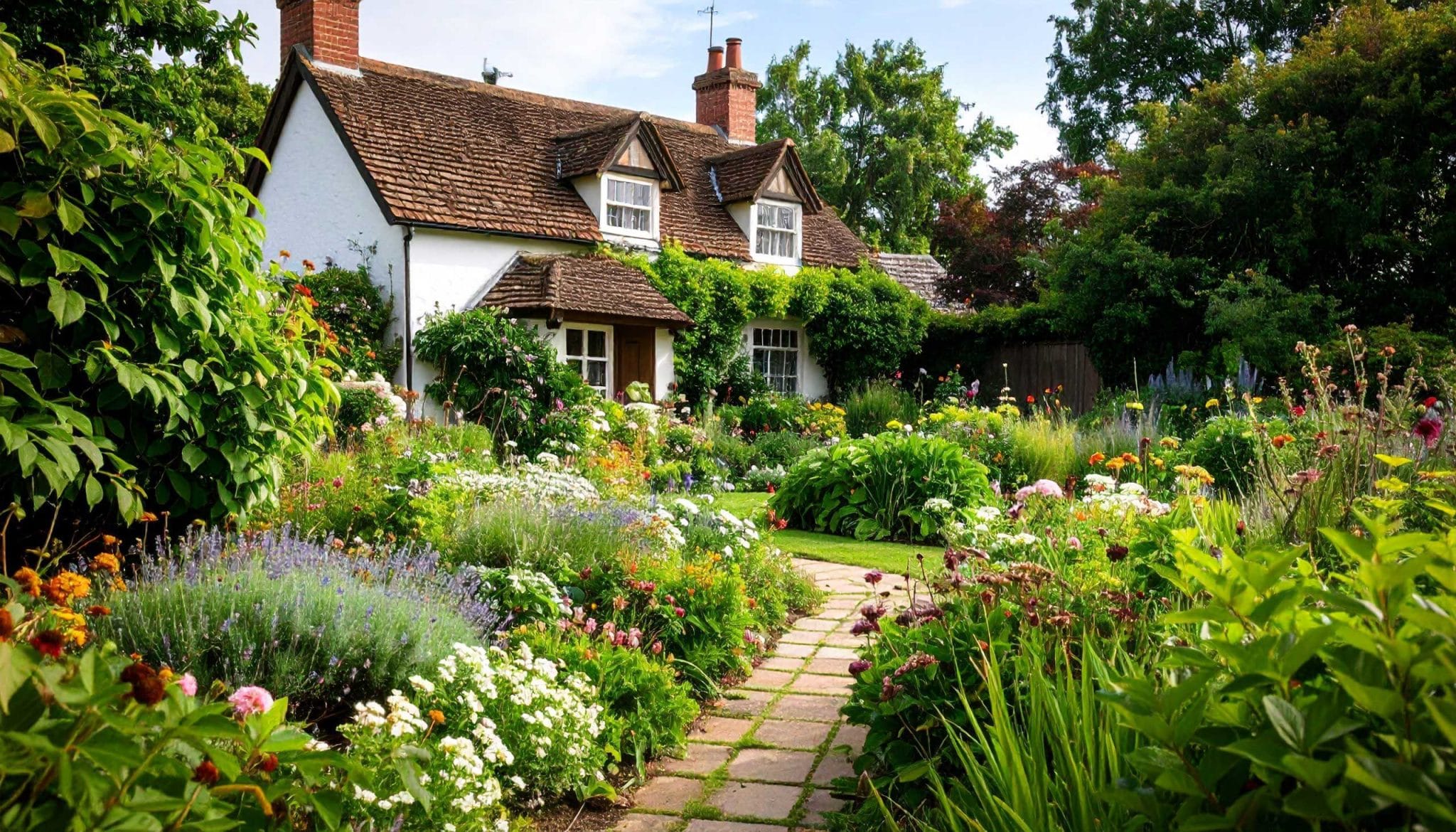
The English cottage garden represents one of Britain’s most beloved and enduring landscape traditions—an apparently artless profusion of flowers, herbs, and edibles that has influenced garden design worldwide. This seemingly casual style, with its abundant plantings and relaxed aesthetic, offers a compelling counterpoint to more formal garden traditions. Yet beneath its apparently haphazard charm lies a sophisticated approach to creating gardens that feel both abundant and intimate, regardless of their size. This exploration examines the historical development, design principles, and contemporary applications of cottage garden style, revealing how this quintessentially British approach remains relevant for modern gardens.
Historical Development: From Necessity to National Identity
Understanding the evolution of cottage gardens provides context for their enduring appeal:
Humble Origins
Cottage gardens emerged from practical necessity rather than design theory:
Utilitarian Beginnings
The original cottage gardens were primarily functional spaces created by rural workers to supplement meager incomes and provide household necessities. These modest plots combined vegetables, herbs, fruit trees, and flowers in close proximity to maximize production from limited space.
Resourceful Adaptation
Early cottage gardeners practiced resourceful horticulture, saving seeds, propagating through division, and sharing plants within communities. This thrifty approach created gardens filled with proven performers suited to local conditions rather than fashionable or exotic specimens.
Integrated Living
The traditional cottage garden functioned as an extension of the home—a productive outdoor space where daily life unfolded. This integration of garden with household activities created spaces designed around human patterns of use rather than abstract aesthetic principles.
Seasonal Rhythms
The cottage garden’s development was guided by natural cycles and seasonal necessities, from spring planting to autumn harvest and winter preservation. This temporal dimension created gardens that reflected annual rhythms and long-term sustainability rather than static visual effects.
Literary Romanticization
The perception of cottage gardens was significantly shaped by artistic and literary interpretation:
Victorian Idealization
During the Victorian era, the cottage garden was romanticized as representing an idealized rural life untouched by industrialization. This cultural reframing transformed what had been primarily utilitarian spaces into symbols of a simpler, more authentic existence.
Arts and Crafts Influence
The Arts and Crafts movement embraced and elevated cottage garden aesthetics as an authentic expression of national character. Influential figures like Gertrude Jekyll and William Robinson advocated for naturalistic planting approaches inspired by humble cottage gardens but refined through artistic sensibility.
Literary Representation
Writers from Jane Austen to Beatrix Potter incorporated cottage gardens into their work, further cementing these spaces in the national imagination. These literary depictions often emphasized the cottage garden’s role as a setting for simple virtues and domestic contentment.
Artistic Documentation
Painters like Helen Allingham created idealized visual records of cottage gardens that influenced public perception of what these spaces should contain and how they should appear. These artistic interpretations often emphasized picturesque elements while minimizing the practical aspects of working gardens.
Evolution into Design Style
The transition from vernacular practice to recognized design approach occurred gradually:
Early Formalization
The late 19th century saw the first attempts to analyze and codify cottage garden principles by designers like William Robinson, whose “wild garden” approach represented a formalized interpretation of cottage garden naturalism in reaction against Victorian formal bedding schemes.
Jekyll’s Refinement
Gertrude Jekyll’s work represented a sophisticated development of cottage garden principles, applying color theory and artistic composition to create more deliberately designed versions of the apparently casual cottage style. Her influential books and gardens demonstrated how informal planting could be elevated through thoughtful design.
Mid-Century Preservation
During the mid-20th century, cottage gardens became symbols of national heritage worth preserving during a period of rapid landscape change. Organizations like the National Trust began documenting and restoring historic cottage gardens as cultural artifacts.
Contemporary Reinterpretation
Recent decades have seen cottage garden principles adapted to diverse settings beyond the rural cottage, from urban gardens to public spaces. This broader application demonstrates the style’s flexibility and enduring relevance across different contexts and scales.
Essential Elements: Defining Characteristics
Several key elements define the cottage garden style:
Abundant Plantings
Dense, layered planting creates the characteristic cottage garden abundance:
Vertical Layering
Plants of different heights create a multi-layered effect, from ground covers and low-growing herbs through mid-height perennials to taller structural elements like hollyhocks and climbing roses. This vertical stratification maximizes growing space while creating visual complexity.
Temporal Succession
Thoughtful plant selection ensures continuous interest through successive waves of bloom from early spring through late autumn. This sequential flowering creates gardens that evolve through the seasons rather than reaching a single peak moment.
Edge-to-Edge Growing
Unlike more formal styles with distinct beds separated by bare earth or lawn, cottage gardens typically grow plants from edge to edge within defined spaces. This abundant approach leaves little bare soil visible, creating the impression of natural profusion.
Self-Seeding Encouragement
Many cottage garden plants are allowed to self-seed, creating naturalistic drifts and unexpected combinations that evolve over time. This semi-wild quality contributes to the characteristic sense of relaxed abundance.
Informal Structure
Beneath the apparent casualness lies thoughtful organization:
Geometric Framework
Traditional cottage gardens often contain simple geometric elements—rectangular beds, straight paths, circular focal points—that provide underlying order beneath seemingly random plantings. This hidden structure creates gardens that feel simultaneously organic and coherent.
Architectural Anchors
Structural elements like arbors, trellises, or simple seating provide year-round definition that balances the seasonal flux of plantings. These architectural components often serve practical functions while creating visual anchors within the composition.
Enclosure Elements
Some form of enclosure—whether humble picket fences, woven hazel hurdles, or simple hedges—typically defines cottage garden boundaries. These defining elements create the sense of intimate sanctuary characteristic of the style while providing practical protection from wildlife.
Informal Paths
Narrow paths that wind through plantings allow access for maintenance while encouraging close engagement with plants. These intimate routes typically use simple, local materials like brick, gravel, or packed earth rather than elaborate paving.
Plant Palette Characteristics
Specific plant selections contribute to the cottage garden character:
Heritage Varieties
Traditional cottage gardens feature time-tested plant varieties with proven performance rather than the latest novelties. These heritage plants often possess superior fragrance, extended flowering periods, or particular resilience that has ensured their continued cultivation.
Romantic Bloomers
Flowers with romantic associations—roses, peonies, foxgloves, hollyhocks, sweet peas—feature prominently in cottage gardens. These emotive plants create gardens that evoke nostalgic connections and emotional responses beyond purely visual appreciation.
Aromatic Inclusion
Fragrant plants play essential roles in cottage gardens, from lavender and rosemary to scented geraniums and sweet-smelling roses. This aromatic dimension creates multi-sensory experiences that enhance the immersive quality characteristic of the style.
Productive Integration
Even primarily ornamental cottage gardens typically include some productive elements—perhaps fruit trees, berry bushes, culinary herbs, or decorative vegetables—that connect to the style’s utilitarian origins. This productive aspect distinguishes cottage gardens from purely decorative approaches.
Naturalistic Aesthetic
The cottage garden’s distinctive visual character emerges from several aesthetic qualities:
Soft Edges
Plants are allowed to spill over path edges, blur boundaries, and intermingle, creating soft transitions rather than hard divisions. This relaxed approach creates gardens that feel evolved rather than imposed.
Controlled Chaos
The apparent wildness of cottage gardens is actually a carefully balanced state between order and chaos, with enough structure to feel intentional but enough spontaneity to appear natural. This delicate balance requires ongoing management to maintain.
Imperfection Acceptance
Unlike more formal styles that emphasize pristine appearance, cottage gardens embrace a certain comfortable imperfection—seedheads left for birds, plants allowed to complete their natural cycles, and evidence of growth and decay as part of the garden’s story.
Personal Expression
Traditional cottage gardens reflected their makers’ personalities, preferences, and needs rather than following fashion. This individualistic quality remains central to contemporary interpretations, with each garden expressing its creator’s particular vision.
Design Principles: Creating Contemporary Cottage Gardens
Several key principles guide successful cottage garden design:
Spatial Organization
Thoughtful organization creates gardens that feel both abundant and navigable:
Room-Like Spaces
Dividing even modest gardens into distinct “rooms” creates a sense of discovery and makes spaces feel larger through sequential revelation. These divisions might use soft boundaries like taller plants or more defined elements like arbors or partial screens.
Circulation Clarity
While paths may appear casual, successful cottage gardens maintain clear circulation routes that allow practical movement through the space. These pathways typically follow logical desire lines between destinations while encouraging meandering exploration.
Destination Creation
Simple seating areas positioned to capture particular views, morning sun, or evening light create destinations that encourage lingering engagement with the garden. These modest focal points might be as simple as a bench beneath a fragrant climber or a chair positioned to view a particularly beautiful planting combination.
Scale Consideration
Appropriate scaling of elements to available space ensures gardens feel abundant rather than overcrowded. This thoughtful proportioning might mean using smaller varieties of traditional cottage plants in more confined spaces or limiting the palette to maintain clarity in very small gardens.
Planting Strategies
Specific approaches create the characteristic cottage garden abundance:
Generous Groupings
Plants are typically arranged in generous groups rather than individual specimens, creating visual impact and allowing each type to make a meaningful contribution to the overall composition. These groupings might contain anywhere from three to seven plants depending on the species and available space.
Repetition with Variation
Key plants repeated throughout the garden create cohesion and rhythm, while variations in their companions prevent monotony. This balanced approach creates gardens that feel both unified and diverse.
Intermingling Encouragement
Plants are positioned to grow together rather than as isolated specimens, with taller species providing support for more delicate neighbors and ground covers filling gaps between larger plants. This intermingled approach creates resilient plant communities while maximizing growing space.
Seasonal Planning
Thoughtful succession ensures the garden maintains interest throughout growing seasons, with early bulbs giving way to spring perennials, summer bloomers, autumn seed heads, and winter structural elements. This temporal planning creates gardens that reward year-round engagement.
Maintenance Approaches
Distinctive maintenance practices contribute to cottage garden character:
Relaxed Formality
Cottage garden maintenance balances intervention with acceptance, allowing plants some freedom while preventing true chaos. This approach might include deadheading some flowers while leaving others to self-seed, or maintaining crisp edges around beds while allowing plants within them to mingle freely.
Ongoing Adjustment
Rather than major seasonal overhauls, traditional cottage gardens receive continuous small adjustments—removing a plant that’s outgrown its space, dividing spreading perennials, or adding new elements as opportunities arise. This incremental approach creates gardens that evolve gradually rather than changing dramatically.
Seasonal Rhythms
Maintenance follows natural cycles, with major interventions timed to align with plant growth patterns rather than calendar convenience. This seasonal approach might include early spring division of summer-flowering perennials, midsummer pruning of spring bloomers, or autumn rearrangement of spring bulbs.
Waste Minimization
Traditional cottage garden maintenance emphasizes resource cycling—composting plant material, saving seeds, propagating through division, and reusing materials. This closed-loop approach creates gardens with minimal external inputs and outputs.
Material Selection
Appropriate materials enhance cottage garden character:
Local Authenticity
Traditional cottage gardens utilized locally available materials—local stone, site-harvested timber, or regionally produced brick—creating gardens that belonged to their particular place. Contemporary interpretations maintain this principle by selecting materials appropriate to local context rather than importing disconnected elements.
Weathered Character
Materials that weather gracefully and develop patina over time—natural wood allowed to silver, stone that develops moss, or metal that acquires verdigris—enhance the cottage garden’s evolved quality. This temporal dimension creates gardens that improve rather than deteriorate with age.
Handcrafted Elements
Simple handcrafted features—whether woven willow supports, hand-split oak gates, or pottery made by local artisans—contribute authenticity and personal connection. These artisanal elements provide distinctive character while supporting traditional crafts and local makers.
Soft Hardscaping
Permeable surfaces like gravel paths, grass walkways, or packed earth allow water infiltration while maintaining the garden’s soft character. These permeable approaches create practical circulation without the hard visual impact of extensive paving.
Contemporary Applications: Adapting Tradition
The cottage garden approach adapts readily to various contemporary contexts:
Urban Interpretations
Cottage garden principles translate effectively to urban settings:
Courtyard Transformations
Small urban courtyards can become immersive cottage-style retreats through vertical growing, container groupings, and careful plant selection. These compact interpretations focus on creating the sensory richness and abundant feeling of larger cottage gardens within confined dimensions.
Front Garden Revival
Replacing underutilized front lawns with cottage-style plantings creates neighborhood-enhancing beauty while potentially increasing biodiversity and reducing resource consumption. These semi-public interpretations often emphasize neat edges and some structural formality to maintain neighborhood appropriateness while incorporating cottage garden abundance within.
Balcony Adaptations
Even the smallest outdoor spaces can incorporate cottage garden elements through layered container plantings, vertical growing systems, and thoughtful plant selection. These micro-interpretations focus on creating immersive sensory experiences rather than trying to replicate full garden layouts.
Community Expressions
Cottage garden approaches work effectively in community garden contexts, allowing multiple gardeners to express individual preferences while creating cohesive overall effects. These collective interpretations often combine productive and ornamental elements while building community through plant sharing and collaborative maintenance.
Contemporary Lifestyles
Modern adaptations address contemporary needs and constraints:
Lower-Maintenance Interpretations
Time-conscious adaptations emphasize structural plantings, reliable performers, and simplified palettes that create cottage garden character with reduced maintenance requirements. These practical approaches might incorporate more shrubs, fewer short-lived perennials, or selected self-sustaining plant communities.
Drought-Adapted Versions
Climate-conscious interpretations substitute traditional water-loving cottage plants with visually similar but more drought-tolerant alternatives. These adaptive approaches maintain the abundant, romantic feeling while reducing water requirements and increasing resilience to weather extremes.
Child-Friendly Designs
Family-oriented cottage gardens incorporate durable plants, safe materials, and spaces for play while maintaining the style’s sensory richness and discovery potential. These inclusive designs might include wider paths, plants selected for resilience rather than delicacy, and productive elements that engage children in growing food.
Wildlife-Focused Approaches
Ecologically-minded interpretations emphasize plants that support pollinators, birds, and beneficial insects while maintaining traditional cottage garden aesthetics. These habitat-conscious designs often incorporate specific features like bee hotels, bird baths, or butterfly-attracting plant groupings.
Larger Landscape Integration
Cottage garden principles can inform larger landscape approaches:
Estate Applications
Cottage garden areas within larger estate landscapes create intimate counterpoints to more expansive features. These nested applications often appear near houses or as destination features within broader landscape schemes, providing human-scale experiences within grander contexts.
Public Space Adaptation
Cottage garden principles applied in public contexts create inviting, human-scale environments within institutional or civic settings. These public interpretations typically emphasize durability, clear structure, and ease of maintenance while incorporating the style’s characteristic abundance and sensory richness.
Commercial Settings
Hospitality venues, retail environments, or office landscapes can utilize cottage garden approaches to create distinctive, welcoming atmospheres. These commercial applications often emphasize seasonal peak periods, memorable sensory experiences, and manageable maintenance requirements.
Productive Landscapes
Market gardens and small-scale agricultural operations can incorporate cottage garden aesthetics to create productive landscapes that are also visually appealing. These working interpretations balance efficiency with beauty, often incorporating flowers for cutting or pollinator support alongside food production.
Plant Selection: Building Blocks of Cottage Style
Specific plant categories contribute particular qualities to cottage gardens:
Structural Framework
Several plant types provide year-round structure:
Roses
No plant is more closely associated with cottage gardens than the rose, particularly informal shrub and climbing varieties with relaxed habits and abundant flowering. Traditional varieties like gallicas, albas, and damasks offer superior fragrance and disease resistance compared to modern hybrid teas, while selected English roses combine old-rose character with repeat flowering.
Flowering Shrubs
Modest-sized shrubs like philadelphus, weigela, or deutzia provide structural presence while contributing seasonal flowering displays. These woody plants anchor cottage garden compositions and maintain garden structure through winter dormancy when herbaceous elements have died back.
Small Fruit Trees
Compact fruit trees—whether full-size varieties trained as espaliers or naturally smaller forms like step-over apples—provide vertical structure while connecting to the cottage garden’s productive heritage. These dual-purpose elements contribute blossom in spring, fruit in summer or autumn, and architectural presence year-round.
Evergreen Elements
Limited evergreen elements—perhaps clipped box balls, rosemary bushes, or holly specimens—provide winter structure and visual anchors amid seasonal flux. These permanent elements typically represent no more than 15-20% of the total planting to maintain the predominantly seasonal character essential to cottage style.
Perennial Core
Herbaceous perennials form the heart of cottage garden plantings:
Cottage Classics
Traditional favorites like delphiniums, lupins, peonies, and hollyhocks create the quintessential cottage garden feeling through their romantic associations and vertical presence. These classic elements connect contemporary interpretations to historical precedent while providing dramatic seasonal impact.
Reliable Workhorses
Long-flowering, low-maintenance perennials like hardy geraniums, catmint, and Japanese anemones provide extended seasonal interest with minimal intervention. These dependable plants form the backbone of successful cottage gardens, providing consistent performance between more ephemeral showpieces.
Self-Seeders
Plants that gently self-seed—like aquilegias, foxgloves, verbascum, or nigella—create the characteristic evolving quality of cottage gardens, appearing in new locations each year. These semi-wild elements introduce serendipity and natural distribution patterns that counter excessive human control.
Ornamental Grasses
Though not traditional cottage elements, selected ornamental grasses can contribute valuable textural contrast and winter presence to contemporary interpretations. These modern additions are most successful when chosen for soft character and modest scale that complements rather than dominates traditional cottage plants.
Seasonal Highlights
Various plant groups create distinctive seasonal moments:
Spring Bulbs
Naturalized bulbs—from snowdrops and crocus through daffodils and tulips to alliums—provide early season interest before perennials reach their peak. These ephemeral elements typically appear in drifts or clusters rather than formal arrangements, creating natural-looking distributions.
Summer Annuals
Selected annuals like cosmos, nicotiana, or calendula extend the flowering season and fill gaps between perennial cycles. These temporary elements are typically grown from seed rather than purchased as bedding plants, connecting to the cottage garden tradition of self-sufficiency.
Autumn Seedheads
Plants selected partly for attractive seedheads—like teasels, eryngium, or ornamental alliums—extend seasonal interest into autumn and winter. These structural elements provide food for birds while creating visual interest during dormant periods.
Winter Structure
Plants with distinctive winter presence—perhaps hydrangeas with persistent flowerheads, grasses with winter-lasting plumes, or shrubs with colorful stems—maintain garden interest during dormancy. These year-round contributors ensure the garden remains engaging even in its quietest season.
Productive Elements
Edible components connect to cottage garden origins:
Culinary Herbs
Herbs like rosemary, thyme, sage, and chives integrate ornamental and practical functions while contributing fragrance and pollinator support. These multi-purpose plants typically occupy prominent positions near paths where their scent can be appreciated and their leaves easily harvested.
Soft Fruits
Berries and currants—whether as dedicated bushes, trained against walls, or incorporated into mixed borders—provide seasonal harvests while contributing attractive flowers and foliage. These productive elements connect contemporary gardens to the cottage garden’s self-sufficient heritage.
Decorative Vegetables
Vegetables selected partly for ornamental qualities—perhaps rainbow chard, purple kale, or scarlet runner beans—integrate food production with aesthetic contribution. These dual-purpose plants allow productive growing even in primarily ornamental settings.
Edible Flowers
Flowers with culinary uses—like nasturtiums, borage, or calendula—provide both visual beauty and practical harvest. These multifunctional plants exemplify the cottage garden’s integration of practical and aesthetic purposes within single elements.
Implementation Approaches: From Concept to Reality
Creating successful cottage gardens involves several practical considerations:
Site Preparation
Thorough preparation creates foundations for long-term success:
Soil Improvement
Generous organic matter incorporation—whether compost, well-rotted manure, or leaf mold—creates the rich, moisture-retentive soil that supports dense cottage garden plantings. This fundamental preparation may represent the most important investment in long-term garden success.
Weed Management
Thorough initial weed removal prevents persistent problems that become difficult to address once dense plantings are established. This foundational work might include repeated cultivation, solarization in severe cases, or careful hand-weeding depending on site conditions.
Drainage Assessment
Understanding existing drainage patterns prevents future problems, with remediation as needed to ensure neither waterlogging nor excessive dryness. This site-specific evaluation might lead to installing drainage systems in heavy soils or incorporating water-retentive materials in freely-draining conditions.
Structural Installation
Establishing major structural elements—paths, edging, arbors, or seating—before major planting prevents damage to established plants during construction. This sequencing creates the garden’s framework before adding the softer elements that will eventually dominate the visual experience.
Planting Approaches
Specific planting techniques enhance cottage garden success:
Generous Spacing
While mature cottage gardens appear densely planted, initial spacing should allow plants to reach proper size without excessive competition. This foresight prevents overcrowding that leads to poor air circulation, disease problems, or premature decline.
Soil Coverage
Planting densely enough to cover soil within 1-2 growing seasons prevents weed establishment while creating the characteristic cottage garden abundance. This balanced approach might include temporary fillers like annuals while perennials reach mature size.
Vertical Integration
Incorporating climbing plants on walls, fences, arbors, or obelisks from the beginning maximizes growing space and creates the layered effect essential to cottage style. These vertical elements should be installed during initial planting to prevent damage to established plants later.
Succession Planning
Incorporating plants with different seasonal peaks ensures continuous interest throughout the growing year. This temporal planning creates gardens that evolve through distinct seasonal moments rather than reaching a single climax followed by decline.
Establishment Care
Specific approaches during the establishment phase set patterns for long-term success:
Watering Regimes
Consistent moisture during establishment—typically the first full growing season—develops deep root systems that support future resilience. This early attention prevents shallow rooting that creates vulnerability to drought stress in subsequent years.
Early Intervention
Prompt addressing of emerging issues—whether pest problems, disease outbreaks, or plants performing poorly in selected locations—prevents minor challenges from becoming major setbacks. This vigilant approach during establishment creates gardens that develop along desired trajectories rather than requiring major later corrections.
Formative Pruning
Early structural pruning of shrubs, climbers, and selected perennials develops good architecture that supports future growth patterns. These formative interventions are typically less intensive but more crucial than maintenance pruning of established plants.
Ongoing Evaluation
Regular assessment during establishment identifies both successful elements to repeat and unsuccessful selections to reconsider. This reflective practice creates opportunities for continuous improvement rather than rigid adherence to initial plans regardless of performance.
Maintenance Rhythms
Establishing sustainable maintenance patterns ensures long-term success:
Seasonal Frameworks
Organizing maintenance tasks according to natural seasonal rhythms creates efficient workflows aligned with plant needs. This seasonal approach typically concentrates major interventions during key transition periods—early spring, post-spring flowering, late summer, and late autumn.
Incremental Approach
Distributing maintenance in small, regular sessions rather than occasional intensive efforts maintains garden quality while preventing overwhelming workloads. This incremental approach might involve weekly attention to different garden sections rather than monthly whole-garden maintenance.
Prioritization Strategies
Identifying maintenance priorities—tasks with highest impact on garden health and appearance—ensures limited time is used effectively. This strategic approach typically emphasizes weed management in spring, deadheading during peak flowering, and structural adjustments in dormant seasons.
Record Keeping
Simple documentation of major plantings, successful combinations, and effective maintenance approaches creates valuable reference for future seasons. These records need not be elaborate—even basic notes or seasonal photographs provide useful guidance for ongoing development.
Case Studies: Exemplary Cottage Gardens
Several notable examples illustrate successful cottage garden approaches:
Historic Precedents
Traditional cottage gardens demonstrate enduring principles:
Hidcote Manor Garden, Gloucestershire
Lawrence Johnston’s iconic Arts and Crafts garden demonstrates how cottage garden principles can be elevated through artistic refinement without losing their essential character. The garden’s series of intimate “rooms” filled with abundant plantings shows how structural definition enhances rather than contradicts cottage garden abundance.
Sissinghurst Castle Garden, Kent
Vita Sackville-West and Harold Nicolson’s celebrated garden demonstrates how cottage-style plantings gain impact through architectural definition. The famous White Garden in particular shows how limiting the palette while maintaining abundant planting creates sophisticated interpretations of cottage garden principles.
Great Dixter, East Sussex
Christopher Lloyd’s continuously evolving garden demonstrates how innovation and experimentation can revitalize cottage garden traditions. The bold combinations, unexpected plant selections, and dynamic approach to garden development show how cottage gardens can remain vital rather than becoming museum pieces.
Cottage Garden Museum, Worcestershire
This recreation of a traditional worker’s cottage garden demonstrates authentic historical approaches to productive ornamental spaces. The garden’s integration of vegetables, herbs, flowers, and fruit in a modest space illustrates the original practical approach that inspired later more ornamental interpretations.
Contemporary Interpretations
Modern examples show adaptive approaches:
Sarah Raven’s Perch Hill Farm, East Sussex
This working garden demonstrates how cottage garden principles can incorporate contemporary knowledge about ecology and sustainability. The garden’s emphasis on pollinator support, cut flower production, and ornamental food growing shows how traditional approaches can address current concerns.
Tom Stuart-Smith’s Own Garden, Hertfordshire
This personal garden demonstrates how cottage garden abundance can incorporate contemporary plant selections and design sensibilities. The garden’s combination of relaxed planting with clean architectural lines shows how traditional approaches can feel fresh rather than merely nostalgic.
Dan Pearson’s Hillside, Somerset
This rural garden demonstrates how cottage garden principles can respond sensitively to landscape context. The garden’s gradual transition from more cultivated areas near the house to wilder elements that merge with the surrounding landscape shows how cottage gardens can connect to rather than separate from their natural settings.
Adam Frost’s Lincolnshire Garden
This family garden demonstrates how cottage garden approaches can accommodate contemporary lifestyles and practical needs. The garden’s combination of productive areas, play spaces, and ornamental plantings shows how traditional principles can create multifunctional spaces for modern living.
Conclusion: The Enduring Relevance of Cottage Gardens
The cottage garden tradition endures not through rigid preservation but through continuous adaptation that maintains core principles while responding to changing circumstances. This living tradition offers several valuable qualities particularly relevant to contemporary challenges:
Ecological Significance
Cottage gardens offer environmental benefits beyond aesthetics:
Biodiversity Support
The diverse plantings, extended flowering seasons, and minimal chemical interventions typical of cottage gardens create valuable habitat for pollinators, beneficial insects, and birds. This ecological function transforms gardens from purely decorative features into meaningful contributions to local biodiversity.
Resource Efficiency
Traditional cottage garden practices—composting, seed saving, plant division, rainwater harvesting—represent sustainable approaches increasingly relevant in resource-conscious times. These closed-loop systems create gardens with minimal external inputs and outputs.
Climate Resilience
The mixed plantings, deep soil preparation, and emphasis on proven adaptable varieties create gardens with inherent resilience to weather extremes and changing conditions. This adaptive capacity becomes increasingly valuable as climate patterns become less predictable.
Productive Potential
The integration of ornamental and edible plants creates gardens that contribute to household food security while remaining beautiful. This productive dimension offers partial answers to concerns about food miles, chemical use, and connection to growing processes.
Psychological Benefits
Cottage gardens offer distinctive experiential qualities:
Sensory Richness
The multilayered sensory experience of cottage gardens—fragrance, texture, movement, sound, and taste alongside visual beauty—creates immersive environments that engage visitors completely. This multisensory quality offers powerful antidotes to the predominantly visual and digital nature of contemporary life.
Temporal Connection
The clear expression of seasonal cycles in cottage gardens connects people to natural rhythms often obscured in modern environments. This temporal grounding offers psychological benefits through reinforcing natural patterns and cycles.
Creative Expression
The individualistic nature of cottage gardens provides opportunities for personal expression and creative engagement often lacking in more formulaic garden styles. This creative dimension transforms gardening from maintenance chore to artistic practice.
Nurturing Practice
The cottage garden’s emphasis on cultivation, growth, and care creates opportunities for nurturing engagement that yields both physical beauty and psychological wellbeing. This caring relationship with living systems offers valuable counterbalance to production-focused or achievement-oriented aspects of contemporary life.
Cultural Significance
Cottage gardens carry meaningful cultural dimensions:
Heritage Connection
The cottage garden tradition connects contemporary practitioners to centuries of gardening knowledge and cultural history. This temporal continuity offers sense of participation in ongoing traditions rather than isolated individual practice.
Accessible Beauty
Unlike some garden styles requiring extensive resources or specialized knowledge, cottage gardens can be created with modest means and developed incrementally. This accessibility democratizes garden-making, allowing diverse participants to create beauty regardless of economic circumstances.
Community Building
The cottage garden tradition of plant sharing, seed saving, and horticultural knowledge exchange builds community connections through shared practice. These collaborative dimensions create gardens embedded in social networks rather than isolated aesthetic objects.
Identity Expression
The distinctively British character of cottage gardens connects to national and regional identity while remaining open to adaptation in diverse contexts. This cultural grounding provides sense of place and belonging increasingly valuable in globalized contexts.
The most successful contemporary cottage gardens achieve that rare quality of feeling simultaneously timeless and timely—clearly connected to historical tradition while addressing distinctly modern needs and circumstances. By balancing preservation with adaptation, these gardens demonstrate how traditional approaches can remain relevant through thoughtful evolution rather than rigid replication.
As environmental concerns, resource limitations, and hunger for authentic experience continue to shape contemporary life, the cottage garden’s combination of beauty, productivity, and sustainability offers a compelling model for creating gardens that nourish both people and ecosystems. These abundant, intimate spaces demonstrate how human cultivation can enhance rather than diminish natural systems, creating gardens that feel simultaneously natural and cultural, wild and tended, personal and universal.