Walled Garden Revival: The Return of Horticultural Sanctuaries
The walled garden, once a standard feature of British country estates, is experiencing a remarkable renaissance in contemporary landscape design. These enclosed horticultural spaces—historically created to extend growing seasons, protect…
House of Willow Alexander·
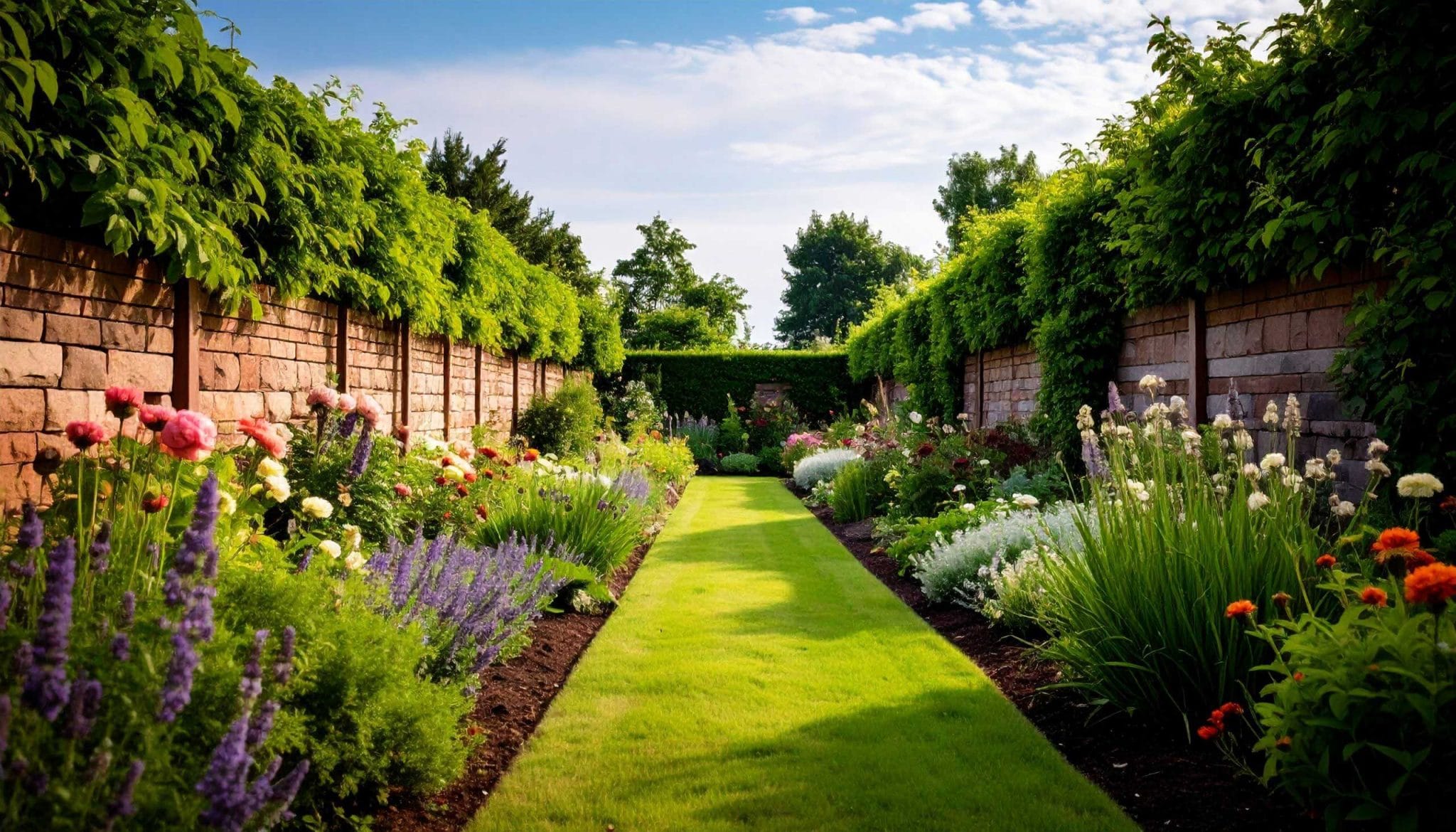
The walled garden, once a standard feature of British country estates, is experiencing a remarkable renaissance in contemporary landscape design. These enclosed horticultural spaces—historically created to extend growing seasons, protect tender plants, and provide year-round produce—are being rediscovered and reinterpreted for modern living. Their combination of shelter, microclimate advantages, and inherent sense of sanctuary resonates powerfully with current desires for privacy, food security, and immersive garden experiences. This exploration examines the historical context, design principles, and contemporary applications that are driving the revival of these distinctive landscape features.
Historical Context: The Evolution of Walled Gardens
Understanding the rich history of walled gardens provides valuable context for their contemporary revival:
Origins and Development
Walled gardens have ancient roots that evolved through different cultural traditions:
Medieval Beginnings
The earliest European walled gardens emerged from monastic traditions, where enclosed spaces provided both practical growing areas and contemplative retreats. These hortus conclusus (enclosed gardens) combined utilitarian food production with symbolic spiritual significance, creating protected spaces that represented paradise on earth.
Renaissance Elaboration
During the Renaissance, walled gardens became more geometrically complex and aesthetically ambitious, incorporating formal parterres, water features, and architectural elements. While still productive, these spaces increasingly served display and pleasure functions alongside practical cultivation.
Victorian Perfection
The 19th century represented the pinnacle of walled garden development in Britain, with elaborate complexes featuring heated walls, glasshouses, and specialized growing areas. These productive powerhouses supplied country houses with year-round fruit, vegetables, and cut flowers, often employing dozens of gardeners with specialized roles.
20th Century Decline
The combined impacts of two world wars, changing social structures, and increasing availability of imported produce led to the decline of many historic walled gardens. Labor-intensive maintenance became economically unsustainable, resulting in many being abandoned, repurposed, or simplified to require less intensive care.
Traditional Design Elements
Several key features characterized traditional walled gardens:
Enclosing Walls
The defining feature—high walls typically constructed from local stone or brick—created both physical protection and beneficial microclimates. These substantial structures, often 3-4 meters high, sheltered plants from wind and frost while absorbing and radiating solar heat.
Orientation and Exposure
Careful orientation maximized sunlight exposure, with south-facing walls capturing solar energy for heat-loving crops. This thoughtful positioning created graduated microclimates within the garden, allowing for cultivation of plants with different temperature requirements.
Internal Organization
Traditional layouts typically divided the interior into geometric beds separated by paths in cruciform or grid patterns. This organization facilitated access for maintenance while creating distinct growing zones for different crops or plant types.
Water Management
Sophisticated water systems—from central wells or fountains to irrigation channels and storage tanks—ensured reliable water supply independent from external sources. These self-contained systems represented early examples of resource efficiency and resilience.
Functional Zoning
Historic walled gardens typically incorporated distinct functional areas:
Productive Quarters
The main garden area was traditionally divided into quarters or other geometric sections devoted to different types of production—perhaps vegetables, small fruits, herbs, and cut flowers—allowing for efficient crop rotation and specialized care.
Fruit Walls
Walls were utilized as growing surfaces for trained fruit trees, with different aspects (south, east, west) supporting different species according to their heat requirements. These vertical growing spaces effectively increased the productive area while taking advantage of radiated warmth.
Glasshouse Integration
Glasshouses, often built against north walls to maximize southern exposure, extended growing capabilities to include exotic fruits and out-of-season crops. These structures ranged from simple cold frames to elaborate heated conservatories depending on the estate’s resources.
Service Areas
Practical work spaces—potting sheds, tool storage, composting areas, and sometimes gardeners’ accommodations—were typically incorporated into or adjacent to the walled garden, creating self-contained horticultural complexes.
Contemporary Revival: Drivers and Adaptations
Several factors have contributed to renewed interest in walled gardens:
Cultural Catalysts
Broader cultural shifts have created fertile ground for walled garden appreciation:
Privacy Premium
In an era of increasing density and digital exposure, physically enclosed spaces that offer genuine privacy have gained new value. Walled gardens provide rare opportunities for unobserved outdoor living in a world where privacy has become a luxury.
Slow Living Movement
The growing interest in slower, more mindful lifestyles has created appreciation for contemplative spaces that encourage presence and sensory engagement. Walled gardens naturally support this mindset through their enclosed, immersive quality and connection to seasonal rhythms.
Climate Consciousness
Awareness of climate change has heightened interest in microclimates that can buffer extremes and extend growing seasons without artificial inputs. The passive environmental modification provided by walled gardens represents a low-tech sustainability strategy with centuries of proven effectiveness.
Food Security Interest
Increasing concern about food provenance and security has revitalized interest in productive home gardens. Walled gardens, with their proven capacity for intensive, year-round production, offer compelling models for those seeking greater self-sufficiency.
Design Adaptations
Contemporary interpretations maintain core principles while adapting to modern contexts:
Scale Flexibility
While historic walled gardens were often vast complexes requiring substantial estates, contemporary versions adapt the concept to various scales—from compact urban courtyards to medium-sized suburban plots. These scaled adaptations maintain the essential qualities of enclosure and microclimate creation while fitting modern property dimensions.
Material Evolution
Traditional stone and brick construction remains ideal but is supplemented by contemporary alternatives that provide similar benefits with different aesthetic qualities or lower costs. These might include gabion walls (stone-filled wire baskets), rammed earth construction, or even living walls that combine structure with planting.
Stylistic Integration
While historic walled gardens typically employed formal geometric layouts, contemporary versions often integrate more naturalistic planting styles within the structured framework. This fusion creates spaces that feel both ordered and organic, combining architectural definition with ecological sensibility.
Multifunctional Programming
Modern walled gardens frequently incorporate diverse functions beyond traditional production—outdoor dining areas, fire pits, water features, or dedicated meditation spaces—creating multifunctional retreats that serve various aspects of contemporary living.
Practical Innovations
New approaches address contemporary challenges while honoring traditional principles:
Reduced Maintenance Strategies
Labor-saving design and maintenance approaches make walled gardens viable with fewer gardening hours. These strategies might include simplified planting schemes, automated irrigation, perennial-focused plantings, or selected areas of higher maintenance balanced by more self-sufficient zones.
Climate Adaptation
Forward-looking designs anticipate changing climate conditions, incorporating water harvesting, drought-tolerant plant selections, or flexible systems that can respond to increasing weather volatility. These adaptations maintain the walled garden’s historical role as a buffer against environmental extremes.
Technological Integration
Subtle integration of contemporary technology—from weather-responsive irrigation to soil monitoring systems—enhances functionality while maintaining traditional aesthetics. These modern additions support efficient management without compromising the timeless quality that makes walled gardens appealing.
Accessibility Improvements
Thoughtful modifications ensure walled gardens can be enjoyed by people with diverse abilities—wider paths for wheelchair access, raised beds for easier maintenance, or sensory-focused areas that engage multiple perceptual channels. These considerations extend the walled garden tradition to more inclusive communities.
Design Principles: Creating Contemporary Walled Gardens
Several key principles guide successful contemporary interpretations:
Enclosure Strategies
The defining walls require thoughtful consideration:
Height Considerations
Wall height significantly influences both microclimate effects and experiential qualities. Taller walls (2.5-3 meters) create stronger shelter and more dramatic enclosure but require careful scaling of internal elements to maintain proportion. Lower walls (1.5-2 meters) provide definition while feeling less imposing but offer reduced climate benefits.
Permeability Balance
Completely solid walls create maximum shelter but can feel oppressive without careful design. Strategic openings—whether windows offering external views, decorative pierced sections that filter light, or covered gateways that create transitional thresholds—maintain the sense of enclosure while avoiding claustrophobia.
Vertical Utilization
Walls provide valuable vertical growing space for trained fruit trees, climbing ornamentals, or even edible vines. These living surfaces soften architectural elements while maximizing productive potential and creating dynamic seasonal change as plants develop.
Material Selection
Wall materials significantly influence both aesthetic character and functional performance. Traditional materials like local stone or handmade brick develop patina and character over time while providing thermal mass; contemporary alternatives should aim for similar longevity and weathering qualities to create gardens that improve with age.
Internal Organization
The layout within the walls determines both functionality and experience:
Axial Clarity
Strong axes create organizational structure and guide movement through the space. These primary lines typically align with main entrances and might lead to focal features like fountains, specimen trees, or seating areas that anchor the composition.
Spatial Rhythm
Alternating enclosed and open areas creates rhythm and discovery, preventing the entire garden from being visible at once. This sequential revelation might involve garden rooms divided by hedges, pergola-covered pathways that frame views, or level changes that create distinct zones.
Proportional Harmony
The relationship between open areas and planted spaces significantly influences how the garden feels. The classical approach of dividing the ground plane into geometric beds separated by paths creates pleasing order, with the width of paths proportional to the scale of beds and overall garden size.
Focal Hierarchy
Successful walled gardens typically include primary focal points that anchor the overall composition and secondary features that reward closer exploration. This hierarchy creates gardens that work both as cohesive wholes when viewed from entrance points and as collections of engaging details when experienced intimately.
Microclimate Optimization
Maximizing the climate benefits requires thoughtful planning:
Sun Mapping
Understanding how sunlight moves across the space throughout the day and through different seasons allows for optimized planting placement. This mapping helps identify hot spots ideal for heat-loving plants, shadier corners for woodland species, and transitional zones with filtered light.
Wind Patterns
While walls provide general wind protection, understanding how air moves within the garden—including potential funneling through entrances or swirling in corners—helps refine planting strategies and placement of seating or other weather-sensitive functions.
Thermal Mass Utilization
Maximizing the benefits of heat-storing materials—whether through dark-colored stone walls, water features that capture and slowly release warmth, or paved areas that absorb daytime heat—extends the growing season and creates more comfortable human environments in cooler months.
Water Integration
Thoughtful water features moderate temperature extremes while adding sensory qualities through sound and movement. Even modest water elements—small pools, narrow rills, or simple fountains—contribute significantly to both microclimate and experiential richness.
Planting Approaches
Plant selection and arrangement significantly influence character and maintenance:
Structural Framework
Evergreen structural elements—whether hedges, topiary forms, or architectural plants with strong year-round presence—provide permanent definition that maintains garden structure through seasonal changes. This framework typically represents 20-30% of total planting in well-balanced schemes.
Seasonal Layering
Thoughtful succession planning ensures visual interest throughout the year, with different plants taking prominence in different seasons. This temporal layering might include spring bulbs beneath summer-flowering perennials, autumn-coloring shrubs, and plants with winter structural interest.
Productive Integration
Even primarily ornamental walled gardens benefit from productive elements that connect to the space’s historical purpose. These might include espaliered fruit trees against walls, herb collections near seating areas, or decorative vegetable varieties integrated into ornamental schemes.
Sensory Consideration
Plants selected not only for visual qualities but for scent, texture, sound, and even taste create immersive environments that engage all senses. This sensory richness becomes particularly powerful in enclosed spaces where sensations are concentrated and protected from dilution.
Functional Applications: Contemporary Uses
Modern walled gardens serve diverse functions beyond traditional production:
Culinary Gardens
Food-focused walled gardens connect to historical roots while addressing contemporary interests:
Chef’s Gardens
Gardens designed specifically to supply restaurants or enthusiastic home cooks emphasize diversity, unusual varieties, and year-round production. These culinary-focused spaces often incorporate quick-access herb areas near kitchen entrances, with more extensive production zones organized by plant family or harvest season.
Edible Landscapes
Approaches that combine ornamental and productive plants create beautiful spaces that happen to produce food rather than utilitarian plots. These integrated designs might feature colorful lettuces as border edging, grape-covered pergolas providing both fruit and shade, or fruit trees as structural elements within mixed plantings.
Heritage Preservation
Gardens focused on preserving traditional or rare varieties serve both practical and cultural conservation functions. These living gene banks might specialize in regional apple varieties, traditional medicinal herbs, or vegetables developed for specific local conditions, connecting horticultural heritage to contemporary practice.
Educational Demonstration
Walled gardens designed to demonstrate sustainable growing techniques provide valuable teaching environments. These spaces often incorporate different growing methods side-by-side—perhaps traditional rows alongside permaculture guilds or no-dig beds—to illustrate various approaches to food production.
Therapeutic Spaces
The inherent qualities of walled gardens make them ideal for wellbeing applications:
Healing Gardens
Gardens designed specifically for therapeutic purposes—whether connected to healthcare facilities or created as independent wellness spaces—utilize the protective qualities of walled enclosures to create safe environments for recovery and restoration. These designs typically emphasize multisensory engagement, accessibility, and spaces for both solitary reflection and supported interaction.
Contemplative Retreats
Meditation-focused gardens draw on the monastic origins of walled spaces to create environments conducive to mindfulness and spiritual practice. These contemplative designs often feature simplified planting palettes, careful sound management, and seating positioned to encourage extended stillness and observation.
Stress-Reduction Environments
Gardens designed specifically to counteract stress incorporate elements known to reduce physiological stress markers—moving water, prospect-refuge balances (protected seating with views), and specific proportions of enclosure to openness. These evidence-informed designs create measurable wellbeing benefits beyond general garden enjoyment.
Horticultural Therapy Settings
Gardens designed for active therapeutic gardening programs include accessible working areas, adaptable tools, and planting schemes specifically selected for therapeutic engagement. These functional spaces balance productive activities with restorative experiences, often incorporating both communal and private areas.
Social Sanctuaries
Walled gardens create ideal settings for human connection:
Entertainment Venues
Gardens designed primarily for gathering and entertaining balance open areas for flexible use with intimate spaces for smaller conversations. These social spaces often incorporate outdoor kitchens, fire features, or integrated lighting that extends usability into evening hours.
Family Retreats
Multi-generational gardens provide safe spaces for children to play while offering adults relaxation areas, creating environments where different age groups can enjoy simultaneous activities. These family-focused designs might include discovery features for younger users alongside comfortable seating for supervision or adult relaxation.
Community Hubs
Publicly accessible walled gardens serve as protected community spaces in urban or exposed environments. These civic amenities often incorporate flexible areas for programmed activities alongside quieter zones for individual use, creating layered spaces that serve diverse community needs.
Cultural Venues
Gardens designed to host cultural events—from outdoor performances to exhibitions or workshops—balance functional requirements with aesthetic quality. These cultural spaces require careful consideration of access, services, and adaptability while maintaining the essential character that makes walled gardens distinctive.
Creative Retreats
The enclosed nature of walled gardens creates ideal environments for creative pursuits:
Artist’s Inspiration
Gardens designed to stimulate creative practice often emphasize sensory richness, changing light conditions, and botanical diversity that provides constant visual inspiration. These spaces might include sheltered work areas where weather doesn’t interrupt creative flow, or specific viewpoints that frame compelling compositions.
Writer’s Refuges
Gardens conducive to writing and thinking balance stimulation with tranquility, creating environments that spark ideas without overwhelming concentration. These thoughtful retreats often incorporate comfortable seating with both sheltered and open-sky options, allowing for different working conditions as weather and mood dictate.
Photography Settings
Gardens designed with visual documentation in mind consider how light interacts with plants throughout the day and seasons, creating constantly changing photographic opportunities. These visually-focused spaces might emphasize contrasting textures, dramatic seasonal transitions, or architectural elements that create compelling compositional frameworks.
Multi-Arts Venues
Gardens designed to support various creative practices incorporate flexible spaces that can adapt to different artistic needs—perhaps open areas for performance, sheltered studios for visual arts, or acoustically-considered spaces for music. These versatile environments support creative cross-pollination while providing the protected atmosphere conducive to artistic vulnerability.
Case Studies: Exemplary Contemporary Interpretations
Several notable examples illustrate successful contemporary approaches:
Historic Restorations with Modern Purpose
Revitalized historic walled gardens demonstrate thoughtful adaptation:
The Walled Garden at Fulham Palace, London
This restoration of a 17th-century bishop’s garden balances historical accuracy with contemporary relevance through careful crop selection, educational programming, and community involvement. The design maintains traditional quadrant organization while incorporating modern sustainable practices and accessible interpretation that connects visitors to both horticultural and social history.
The Walled Garden at Gordon Castle, Scotland
One of Britain’s largest restored walled gardens (over 8 acres) demonstrates viable commercial applications through its integrated business model combining productive horticulture, visitor experiences, and product development. The restoration maintains historic structure while creating a financially sustainable operation that supports ongoing preservation.
West Dean Walled Garden, Sussex
This exemplary productive garden combines historic techniques with contemporary training programs, creating a living classroom for traditional skills. The restoration demonstrates how historic practices can remain relevant through educational application, maintaining cultural knowledge that might otherwise be lost.
Helmsley Walled Garden, Yorkshire
This five-acre restoration illustrates successful therapeutic application of historic gardens, combining production with horticultural therapy programs. The garden demonstrates how historic spaces can address contemporary social needs while preserving traditional practices and varieties.
New Interpretations in Contemporary Settings
Purpose-built contemporary walled gardens show creative adaptation of traditional principles:
Hauser & Wirth Somerset, Durslade Farm
Piet Oudolf’s perennial-focused walled garden demonstrates how contemporary ecological planting approaches can work within traditional frameworks. The design maintains the enclosed character and strong geometry of historic precedents while employing naturalistic plant communities that require different maintenance approaches than historic models.
The Garden at The Newt in Somerset
This ambitious new creation demonstrates how traditional walled garden principles can incorporate contemporary design language and technology. The garden maintains historic productive focus while introducing innovative presentation, modern cultivars, and sophisticated interpretation that connects visitors to both agricultural heritage and current horticultural innovation.
Arne Maynard Garden Design Projects
Multiple private gardens by this influential designer show how walled garden principles can be adapted to different scales and contexts. These designs demonstrate thoughtful balance between historic reference and contemporary living, creating spaces that feel simultaneously timeless and responsive to modern needs.
Tom Stuart-Smith Urban Projects
Several urban projects demonstrate how walled garden principles can create protected microcosms within challenging city environments. These designs show how traditional enclosure strategies can address contemporary urban challenges like pollution, security concerns, and limited space while creating unexpectedly lush environments in dense settings.
Implementation Considerations: From Concept to Reality
Creating successful walled gardens involves several practical considerations:
Site Assessment
Understanding existing conditions guides appropriate development:
Microclimate Analysis
Detailed assessment of existing sun patterns, wind exposure, frost pockets, and moisture conditions informs both wall placement and internal organization. This analysis identifies both challenges to address and natural advantages to leverage.
Soil Evaluation
Comprehensive soil testing guides both structural decisions (foundation requirements for walls) and horticultural planning (amendment strategies, drainage needs, or contamination remediation in urban sites). This foundational understanding prevents costly mistakes and ensures long-term viability.
Access and Circulation
Analysis of how the garden connects to surrounding spaces—both for human movement and practical considerations like maintenance equipment access—ensures the enclosed nature enhances rather than impedes functionality. This circulation planning balances the desire for separation with practical operational needs.
Viewshed Consideration
Understanding visual relationships—both views into the garden from surrounding areas and views outward from within the enclosure—guides decisions about wall height, placement of openings, and internal organization. This visual analysis helps create gardens that feel private without being disconnected from their context.
Construction Approaches
Building methods significantly influence both budget and character:
Traditional Masonry
Solid masonry construction using traditional materials and techniques creates authentic character and maximum longevity but represents significant investment. These substantial structures typically require professional construction with specialized knowledge of historic building methods.
Hybrid Systems
Combining traditional facing materials with modern structural systems can reduce costs while maintaining authentic appearance. These approaches might include brick or stone facing over concrete block cores, creating the aesthetic of traditional construction with simplified building methods.
Alternative Materials
Contemporary materials like gabion walls (stone-filled wire baskets), rammed earth, or even living walls formed from hedges or espalier frameworks can create the enclosed character with different aesthetic qualities and often lower costs. These alternatives may offer sustainability advantages through reduced embodied carbon or enhanced habitat value.
Phased Implementation
Developing walled gardens in planned phases allows for distribution of costs over time while creating immediately usable spaces. These phased approaches might begin with a single walled section that creates a protected microclimate, adding additional walls or internal features as resources permit.
Maintenance Planning
Sustainable management requires thoughtful planning:
Resource Allocation
Realistic assessment of available maintenance resources—whether professional staff, owner time, or community volunteers—should guide design complexity and plant selection. This honest evaluation prevents creating gardens that deteriorate due to maintenance requirements exceeding available resources.
Seasonal Workflows
Planning maintenance tasks to align with natural seasonal rhythms creates more efficient workflows and healthier gardens. This seasonal approach might concentrate major interventions during key transition periods while maintaining lighter, regular attention throughout growing seasons.
Skill Development
Identifying necessary skills for specific garden elements—whether specialized pruning techniques for trained fruit trees or particular propagation methods for collection preservation—ensures knowledge development keeps pace with garden development. This skills-based approach prevents creating garden elements that cannot be properly maintained due to knowledge gaps.
Documentation Systems
Establishing effective record-keeping for both horticultural information and maintenance activities creates institutional memory that survives individual staff changes. These documentation practices ensure continuity of care and prevent loss of valuable information about plant sources, successful techniques, or problem solutions.
Community Engagement
Many contemporary walled gardens benefit from community connections:
Participatory Design
Involving future users in the design process—whether family members in private gardens or community stakeholders in public spaces—creates more responsive designs and builds investment in long-term success. This participatory approach often reveals unexpected priorities or opportunities that enhance the final design.
Volunteer Programs
Structured volunteer involvement can extend maintenance capacity while creating meaningful engagement opportunities. These programs require careful design to balance volunteer experience quality with genuine contribution to garden needs.
Educational Programming
Interpretive elements and organized activities—from signage and self-guided materials to workshops and tours—enhance visitor experience while building appreciation for the garden’s significance. These educational dimensions often help justify resource allocation for historic properties or public spaces.
Partnership Development
Connections with related organizations—from schools and universities to healthcare providers or cultural institutions—can create mutually beneficial relationships that support garden sustainability. These partnerships might provide specialized knowledge, additional resources, or expanded audiences that enhance the garden’s impact and viability.
Conclusion: Walled Gardens for the Future
The revival of walled gardens represents more than nostalgic recreation of historic features. These thoughtfully enclosed spaces address fundamental human needs for security, connection to natural cycles, and immersive sensory experience that have become increasingly rare in contemporary environments. By combining the proven wisdom of traditional approaches with responsive adaptation to current conditions, the walled garden tradition continues its evolution as a living, practical art form rather than merely preserved history.
The most successful contemporary interpretations achieve that rare quality of feeling simultaneously timeless and timely—clearly connected to historical precedent while addressing distinctly modern challenges and opportunities. These gardens demonstrate how traditional knowledge can remain relevant through thoughtful adaptation, creating spaces that honor the past while serving present needs and anticipating future conditions.
As climate uncertainty increases and digital saturation drives hunger for authentic physical experience, the walled garden’s combination of environmental modification and sensory richness offers a compelling model for resilient, nurturing landscapes. These horticultural sanctuaries provide not just practical growing environments but psychological refuge—spaces where natural rhythms remain perceptible and human scale interaction with plants remains possible regardless of external conditions.