Vertical Garden Design: Living Walls for Urban Spaces
In an era of increasing urbanization and diminishing green space, vertical gardens have emerged as a transformative solution that reconciles our innate connection to nature with the realities of contemporary…
House of Willow Alexander·
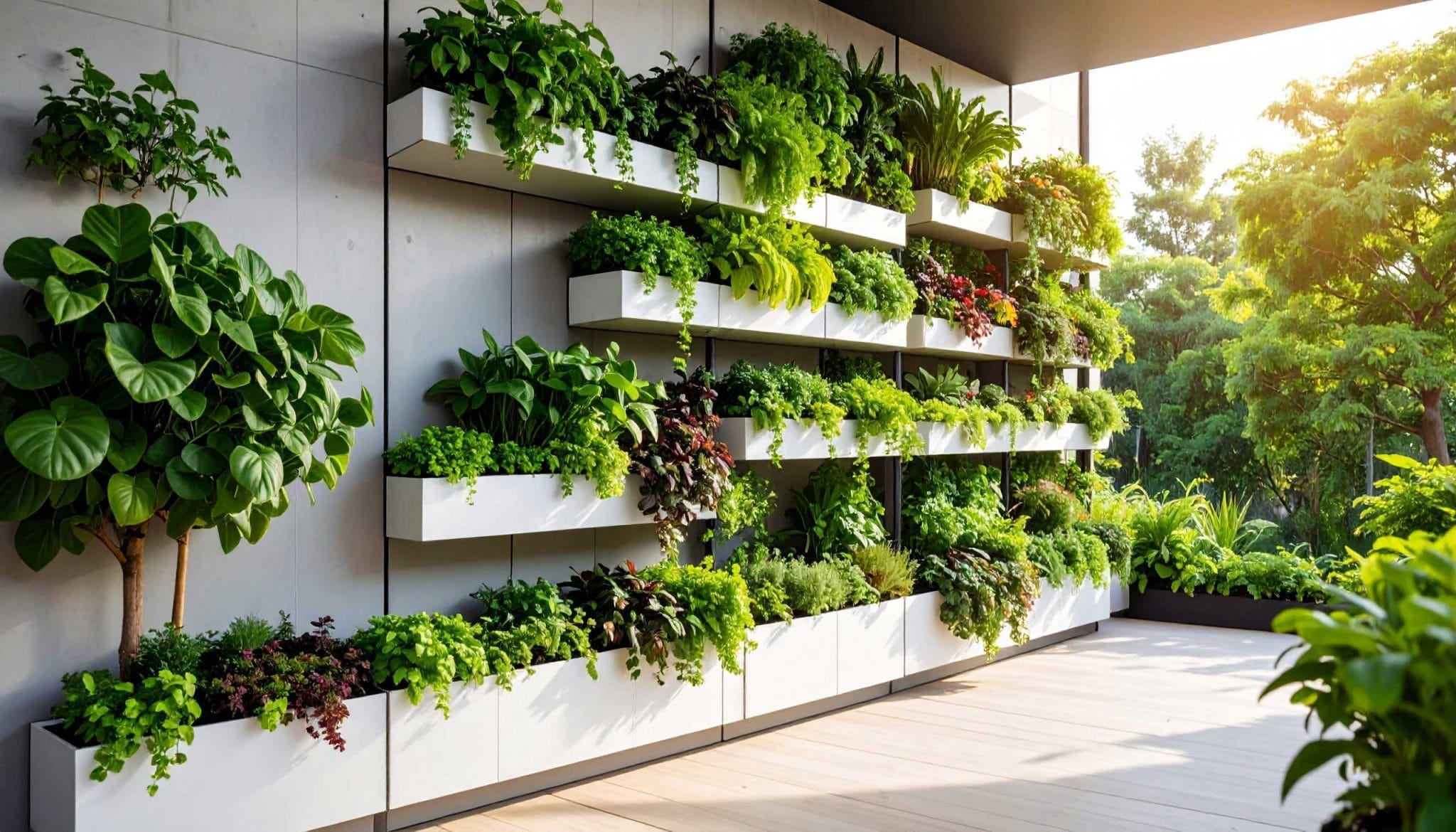
In an era of increasing urbanization and diminishing green space, vertical gardens have emerged as a transformative solution that reconciles our innate connection to nature with the realities of contemporary city living. These living walls—whether elaborate installations spanning multiple stories or modest arrangements in compact gardens—offer opportunities to introduce verdant life into spaces where traditional landscaping might be impossible. This exploration delves into the principles, techniques, and considerations that make vertical gardens both beautiful and viable in the British climate.
The Vertical Advantage: Benefits Beyond Aesthetics
While the visual impact of vertical gardens is immediately apparent, their advantages extend far beyond mere decoration:
Environmental Benefits
Vertical plantings contribute significantly to environmental quality:
Improved Air Quality
Plants naturally filter air pollutants, absorbing carbon dioxide and releasing oxygen through photosynthesis. In urban environments with compromised air quality, vertical gardens create pockets of cleaner air, with certain species particularly effective at capturing particulate matter and volatile organic compounds. Research suggests that strategically placed living walls can reduce street-level pollution by up to 30% in some contexts.
Temperature Regulation
The combination of plant transpiration and the insulating properties of growing media helps moderate temperatures both inside and outside buildings. Exterior living walls can reduce surface temperatures by 10-15°C during summer months, mitigating urban heat island effects, while interior installations help stabilize indoor temperatures and potentially reduce energy consumption.
Biodiversity Support
Even modest vertical plantings provide valuable habitat for pollinators, beneficial insects, and birds, creating stepping stones of biodiversity through otherwise inhospitable urban environments. Thoughtfully designed living walls can incorporate specific plants to support particular species, from nectar-rich flowers for bees and butterflies to dense foliage for nesting birds.
Noise Reduction
The combination of plants, growing medium, and supporting structures absorbs sound energy, reducing noise pollution in urban environments. This acoustic benefit is particularly valuable along busy roads or in densely populated areas where ambient noise affects wellbeing.
Psychological and Social Impact
The presence of vertical greenery significantly influences human experience:
Biophilic Connection
Vertical gardens satisfy our innate biophilic need for connection with natural elements, even in highly built environments. This connection has been linked to reduced stress, improved cognitive function, and enhanced creativity—benefits particularly valuable in urban contexts where nature access is limited.
Visual Interest
Living walls transform blank vertical surfaces into dynamic, ever-changing compositions that evolve through seasons and years. This temporal quality creates ongoing visual engagement unlike static architectural elements, with different plants coming into prominence as they flower, fruit, or develop autumn coloration.
Spatial Transformation
Vertical plantings can dramatically alter spatial perception, making small areas feel more expansive through the depth and complexity they introduce. This transformative quality is particularly valuable in compact urban gardens, narrow light wells, or confined courtyards.
Community Pride
Public vertical gardens often become points of neighborhood pride and identity, creating distinctive landmarks that enhance sense of place. These installations frequently become catalysts for broader community engagement with environmental issues and urban greening initiatives.
Practical Advantages
Vertical approaches offer several practical benefits over traditional horizontal gardening:
Space Efficiency
The obvious primary advantage of vertical gardening lies in its minimal footprint, allowing significant plant volume to occupy spaces too constrained for conventional planting. This efficiency becomes particularly valuable in urban contexts where ground-level space commands premium prices.
Accessibility
Well-designed vertical gardens can bring plants to eye level or within easy reach, eliminating the need to bend or kneel for maintenance. This accessibility makes gardening more inclusive for those with mobility limitations or physical disabilities.
Pest Reduction
Elevating plants above ground level can reduce problems with certain ground-dwelling pests like slugs and snails, while the vertical orientation improves air circulation that helps prevent fungal issues common in densely planted horizontal beds.
Visibility Maximization
Vertical displays ensure that each plant remains visible rather than being obscured by others, allowing for greater appreciation of individual specimens and more effective display of collections or particularly ornamental species.
Design Approaches: From Architectural to Intimate
Vertical garden design spans a spectrum from monumental architectural statements to intimate domestic installations:
Architectural Integration
Large-scale vertical gardens often function as integral architectural elements:
Façade Transformation
Entire building façades transformed through vertical planting create landmark structures where architecture and horticulture become inseparable. These ambitious installations typically involve sophisticated irrigation systems, carefully engineered supporting structures, and maintenance access integrated into the building design.
Atrium Installations
Interior vertical gardens spanning multiple stories bring nature into the heart of buildings, often becoming central features around which other spaces are organized. These installations typically benefit from controlled interior conditions but require careful artificial lighting design to support plant health.
Structural Division
Living walls can function as semi-permeable dividers between different areas, providing visual separation while maintaining a sense of connection. This approach works particularly well in open-plan environments where complete division would feel oppressive but some spatial definition is desired.
Entrance Statements
Vertical gardens positioned at entrances create powerful first impressions that establish biophilic credentials immediately upon arrival. These threshold installations signal values and priorities before visitors even enter the main space.
Landscape Integration
Within garden contexts, vertical elements create distinctive spatial experiences:
Garden Room Division
Freestanding vertical gardens can define different “rooms” within larger landscapes, creating more intimate spaces with specific characters and functions. These dividing elements offer opportunities for both sides to be planted, potentially with different schemes responding to different aspects or adjacent uses.
Boundary Transformation
Existing boundaries—whether walls, fences, or buildings—can be transformed from visual limitations into design assets through vertical planting. This approach is particularly valuable in urban gardens where boundaries typically dominate the visual experience.
Focal Creation
Strategically placed vertical elements create focal points that draw the eye and anchor garden compositions. These punctuation points often become more effective when they incorporate height variation from surrounding plantings.
Screening Solutions
Vertical plantings can obscure unattractive views or create privacy without the solid barrier effect of walls or fences. This semi-permeable quality allows light and air movement while filtering visibility in a more natural, evolving way than static screens.
Domestic Applications
Smaller-scale approaches bring vertical gardening into everyday living environments:
Balcony Transformations
Even the smallest balconies can accommodate vertical growing systems that transform these limited outdoor spaces into verdant retreats. These installations typically emphasize lightweight systems with integrated irrigation to minimize structural load and maintenance requirements.
Interior Living Walls
Domestic-scale living walls bring biophilic benefits into interior spaces, from statement installations in entrance halls or living areas to more modest arrangements in kitchens, bathrooms, or home offices. These systems typically focus on species selected for lower light tolerance and consistent indoor temperatures.
Window Enhancement
Vertical plantings positioned to frame windows create living curtains that filter light, enhance views, and create connection between interior and exterior. These arrangements can be designed to provide privacy while maintaining light transmission.
Furniture Integration
Vertical growing systems incorporated into furniture pieces—from room dividers with integrated planters to shelving units designed to accommodate plants—create multifunctional elements that bring nature into daily life without requiring dedicated garden space.
Plant Selection: Horticultural Considerations
Successful vertical gardens depend on appropriate plant selection for specific conditions:
Climate Adaptation
Plants must be suited to the particular microclimate of each installation:
Exterior Resilience
Outdoor vertical gardens in the British climate require species with good cold hardiness, wind tolerance, and adaptation to variable rainfall patterns. Native species often perform particularly well, having evolved for local conditions, though many non-native plants from similar climate zones also thrive when thoughtfully selected.
Interior Suitability
Indoor installations typically utilize tropical or subtropical species adapted to consistent temperatures and lower light levels. These plants must tolerate the relatively dry atmosphere of heated buildings, though irrigation and occasional misting can mitigate this challenge.
Microclimate Response
Even within a single vertical garden, conditions can vary significantly from top to bottom or side to side based on light exposure, air movement, and moisture distribution. Thoughtful designs respond to these variations by positioning plants accordingly rather than treating the entire surface as homogeneous.
Seasonal Considerations
Deciduous species in exterior installations create seasonal variation but may leave the structure looking sparse during winter months. Combining evergreen structural plants with deciduous seasonal highlights ensures year-round interest while embracing natural cycles.
Growth Habit and Vigor
Plant architecture and growth patterns significantly influence vertical garden success:
Root System Compatibility
Plants with fibrous, relatively shallow root systems typically perform better in the limited soil volume of vertical systems than those with deep taproots or aggressive spreading habits. Understanding root behavior helps predict long-term viability in constrained growing conditions.
Growth Rate Balance
Combining plants with similar growth rates prevents more vigorous species from overwhelming slower-growing neighbors. When mixing different growth habits, regular maintenance must account for these variations to maintain balanced compositions.
Trailing vs. Upright Forms
Plants with naturally trailing or cascading habits create different effects from those with more upright growth. Thoughtful combinations of these different forms create dynamic compositions with varied textures and movements.
Mature Size Consideration
Anticipating the mature size of each species prevents overcrowding or maintenance challenges as the garden develops. This foresight is particularly important in systems where plant replacement is complex or disruptive.
Aesthetic Composition
Visual relationships between plants create the overall impact of vertical gardens:
Textural Dialogue
Combining different leaf sizes, shapes, and textures creates visual interest even when using a limited color palette. This textural variation becomes particularly important in predominantly green schemes where flower color plays a minimal role.
Seasonal Progression
Thoughtful combinations ensure visual interest throughout the year, with different plants coming into prominence during different seasons. This temporal dimension creates gardens that reward repeated viewing and reflect natural cycles.
Color Relationships
Color strategies range from harmonious schemes using related hues to more dramatic compositions with deliberate contrast. The vertical format often allows for more intense color than might feel overwhelming in horizontal beds, as the viewing relationship changes how color is perceived.
Pattern Creation
The grid-like planting cells of many vertical systems lend themselves to deliberate pattern creation—from simple blocks of single species to more complex pictorial or abstract designs. These patterns can respond to architectural features, emphasize movement through spaces, or create specific emotional responses.
Technical Systems: Making Vertical Gardens Viable
Various technical approaches support plant life in vertical orientations:
Modular Systems
Pre-fabricated modular solutions offer accessibility for many applications:
Pocket Systems
Fabric or plastic pockets attached to backing structures create individual planting cells that can be installed on existing walls or freestanding frames. These systems offer flexibility and relatively straightforward installation but typically support smaller plants due to limited soil volume.
Panel Modules
Rigid panels with integrated planting cells, typically made from plastic, metal, or composite materials, create more structured installations with consistent appearance. These systems often incorporate built-in irrigation and can be pre-grown before installation for immediate impact.
Tray Configurations
Horizontal trays arranged in stepped configurations create a vertical effect while allowing plants to grow in their natural orientation. This approach simplifies irrigation as water can flow naturally downward from tray to tray, though it typically creates a less vertical final appearance than true living walls.
Container Arrays
Arrangements of individual containers mounted on vertical surfaces or supporting structures create more flexibility for different plant sizes and root requirements. These systems often allow for easier replacement of individual plants but may create less unified visual effect than integrated approaches.
Built-In Solutions
Custom-designed systems integrated into architecture offer maximum design control:
Integrated Planters
Purpose-built planters incorporated into architectural elements create seamless integration between building and planting. These systems typically offer larger soil volumes than modular approaches, supporting more substantial plant material and reducing irrigation frequency.
Hydroponic Walls
Soilless systems where plants grow directly in nutrient solution circulated through the wall structure eliminate weight concerns associated with growing media while providing precise control over plant nutrition. These technically sophisticated systems require more specialized knowledge but can support exceptional plant health in challenging conditions.
Green Façades
Supporting structures that allow climbing plants to create vertical green surfaces offer simpler, often more sustainable alternatives to full living walls. These systems work with plants’ natural growth habits rather than forcing non-climbing species into vertical orientations.
Hybrid Approaches
Combinations of different techniques within single installations allow each area to utilize the most appropriate system for its specific conditions and plant selections. These hybrid solutions often create more resilient, adaptable installations than single-system approaches.
Irrigation and Nutrition
Water and nutrient delivery systems are critical to vertical garden success:
Drip Irrigation
Precisely positioned drip emitters deliver water directly to each planting pocket or module, minimizing waste while ensuring even distribution. These systems typically operate on timers calibrated to seasonal needs, with moisture sensors increasingly incorporated to optimize water use.
Recirculating Systems
Closed-loop irrigation that captures and reuses runoff water reduces consumption while ensuring no nutrients are lost. These systems typically incorporate filtration to prevent clogging and may include monitoring for water quality parameters.
Fertigation Integration
Combining fertilizer application with irrigation (fertigation) ensures plants receive consistent nutrition without separate feeding operations. These systems typically use liquid organic fertilizers or controlled-release nutrients calibrated to plant needs and growth cycles.
Rainwater Harvesting
Connecting vertical garden irrigation to rainwater collection systems reduces reliance on treated water while providing naturally soft water ideal for plant growth. These integrated approaches enhance overall sustainability while creating more resilient systems less dependent on municipal supply.
Installation and Maintenance: Practical Considerations
Successful vertical gardens require thoughtful installation and ongoing care:
Structural Requirements
The supporting structure must accommodate both initial and mature installation weight:
Load Calculation
Accurate assessment of fully saturated weight, including plants at mature size, growing medium, and the system itself, ensures structural adequacy. These calculations typically include safety factors to accommodate exceptional conditions like heavy rainfall or unexpected plant growth.
Attachment Methods
Secure connections between the growing system and supporting structure prevent failure, with different methods appropriate for different wall constructions. These connections must account for both vertical loads and potential wind forces on exterior installations.
Moisture Protection
Waterproofing layers between living walls and building surfaces prevent moisture damage to underlying structures. These protective elements are particularly important for installations on existing buildings not originally designed for plant integration.
Access Planning
Incorporating maintenance access—whether permanent features like catwalks and ladders or provision for temporary access equipment—ensures ongoing care remains practical. This consideration becomes particularly important for larger installations where reaching all areas from ground level is impossible.
Maintenance Protocols
Regular care ensures long-term success and appearance:
Irrigation Monitoring
Regular checking of irrigation function prevents both drought stress and waterlogging, with seasonal adjustments to account for changing weather conditions and plant needs. Automated systems increasingly incorporate remote monitoring capabilities that alert to malfunctions or unusual conditions.
Pruning Regimes
Scheduled trimming maintains desired appearance and prevents more vigorous species from overwhelming neighbors. These interventions typically follow seasonal patterns, with major cutbacks timed to minimize visual impact and align with natural growth cycles.
Plant Replacement
Protocols for replacing unsuccessful or aging plants maintain overall garden quality without disrupting the entire installation. Well-designed systems allow for individual plant replacement without disturbing adjacent specimens.
Pest and Disease Management
Regular monitoring identifies potential issues before they become severe, with integrated pest management approaches minimizing chemical interventions. The vertical orientation often reduces certain pest pressures but may increase vulnerability to others, requiring specific vigilance.
Seasonal Considerations
Vertical gardens change with the seasons, requiring adaptive care:
Winter Protection
Exterior installations in colder regions may require additional protection during extreme weather, from adjusting irrigation frequency to prevent freezing damage to providing temporary coverings for particularly tender species. These protective measures become especially important during establishment periods before plants reach full hardiness.
Spring Rejuvenation
Annual cutbacks and feeding regimes timed to coincide with spring growth flush rejuvenate installations after winter dormancy. These interventions typically represent the most intensive maintenance period of the year, setting the foundation for successful seasonal development.
Summer Hydration
Increased irrigation during hot periods prevents drought stress, with particular attention to areas exposed to direct sun or drying winds. Water retention additives in growing media can help moderate moisture fluctuations during extreme conditions.
Autumn Transition
Reducing fertilization and adjusting irrigation prepares plants for dormancy, while selective pruning removes growth unlikely to survive winter conditions. These preparations help prevent winter damage while maintaining aesthetic quality through the dormant season.
Contemporary Innovations and Future Directions
Vertical garden design continues to evolve through material innovations, technological integration, and changing approaches to urban space:
Material Developments
New materials create expanded possibilities for vertical growing:
Biodegradable Substrates
Growing media and supporting structures made from renewable, biodegradable materials reduce environmental impact while often improving plant performance through better root environments. These substrates frequently incorporate recycled materials or agricultural byproducts that would otherwise become waste.
Lightweight Engineered Media
Specialized growing media developed specifically for vertical applications optimize water retention, aeration, and nutrient availability while minimizing weight. These engineered substrates often combine inorganic components for structure with organic materials for biological activity.
Integrated Photovoltaics
Solar collection systems incorporated into vertical garden structures generate energy while supporting plant life, creating truly multifunctional façades. These hybrid systems typically position photovoltaic elements to capture maximum sunlight while allowing sufficient light for plant growth in adjacent areas.
Smart Textiles
Fabrics with integrated sensors that monitor moisture, temperature, or nutrient levels provide real-time data on growing conditions. These intelligent materials enable more precise management while reducing the need for separate monitoring systems.
Technological Integration
Advanced technologies enhance both function and experience:
Environmental Monitoring
Sensor networks that track multiple parameters—from soil moisture and nutrient levels to ambient light and air quality—enable precise management and early problem detection. These systems increasingly incorporate machine learning to identify patterns and predict maintenance needs before visible symptoms appear.
Automated Maintenance
Robotic systems for pruning, plant health assessment, or pest detection reduce labor requirements while improving consistency. These technologies are particularly valuable for large-scale installations where manual inspection of every plant becomes impractical.
Digital Twins
Virtual models that mirror physical installations allow for simulation of interventions, prediction of seasonal changes, or visualization of long-term development. These digital representations enhance both maintenance planning and client communication about expected evolution.
Augmented Experience
Digital layers that provide information about plant species, system function, or environmental benefits enhance educational value and visitor engagement. These interpretive elements transform vertical gardens from purely aesthetic features into communication tools for environmental awareness.
Ecological Evolution
Vertical gardens increasingly incorporate ecological principles beyond simple aesthetics:
Habitat-Focused Design
Installations specifically designed to support particular species or ecological functions—from pollinator support to bird habitat—enhance biodiversity value beyond generic “greening.” These ecologically-focused approaches often incorporate specific plant selections, nesting opportunities, or water sources integrated into the vertical structure.
Food Production Integration
Edible vertical gardens that combine ornamental and productive species create multifunctional installations with both aesthetic and practical benefits. These productive walls typically focus on herbs, leafy greens, and compact fruiting plants suitable for vertical growing conditions.
Climate Adaptation
Designs that anticipate changing climate conditions—selecting species for future scenarios rather than current conditions—create more resilient installations with longer functional lifespans. This forward-looking approach often incorporates greater diversity to hedge against uncertain future conditions.
Urban Ecosystem Services
Vertical gardens designed specifically to provide quantifiable ecosystem services—from stormwater management to air filtration or urban cooling—move beyond decorative applications to become functional infrastructure. These performance-focused installations often incorporate monitoring systems to document their environmental contributions.
Conclusion: Vertical Gardens as Urban Necessity
As urban density increases and connection to nature becomes both more challenging and more essential, vertical gardens transcend their origins as novelty or luxury to become vital components of livable cities. These living systems represent one of the most promising strategies for reconciling dense urban development with human biophilic needs and environmental imperatives.
By understanding both the technical requirements and experiential possibilities of vertical planting, designers can create installations that not only survive but thrive, delivering multiple benefits from aesthetic enhancement to ecological function. These green walls become more than decorative features—they emerge as essential infrastructure for healthier, more resilient urban environments.
In the most successful examples, vertical gardens achieve that rare quality of seeming simultaneously innovative and natural—clearly engineered yet aligned with biological systems. This integration of technology and nature creates living architecture that evolves over time, connecting urban dwellers to seasonal rhythms and natural processes even in the most built environments.