
Sustainable Home Materials: A Guide to Ethical Choices and Maintenance
In the pursuit of creating homes that reflect our values, the materials we choose and how we maintain them represent some of our most significant environmental decisions. At House…
House of Willow Alexander·
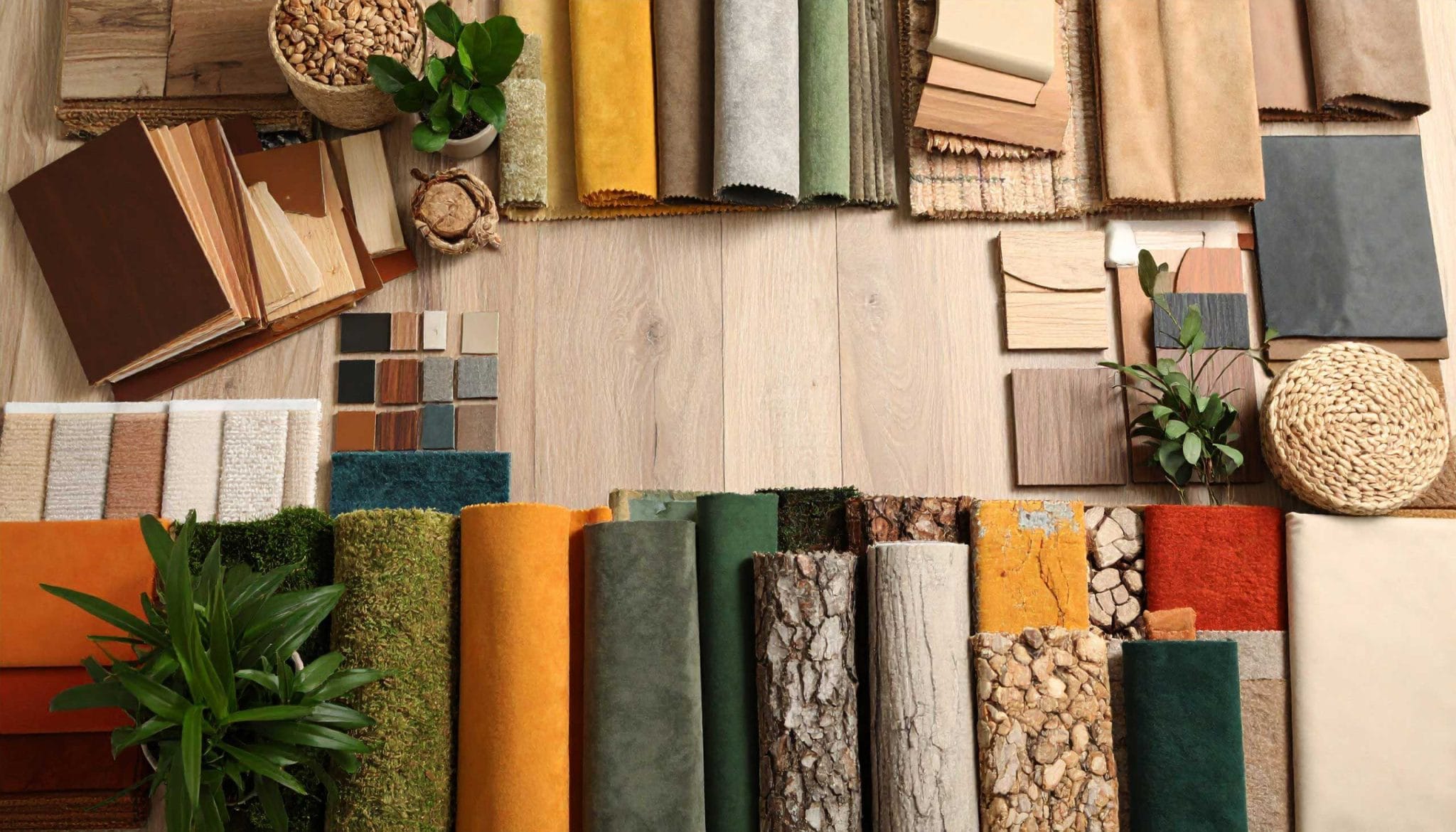
In the pursuit of creating homes that reflect our values, the materials we choose and how we maintain them represent some of our most significant environmental decisions. At House of Willow Alexander, we believe that truly sustainable interiors begin with thoughtful material selection and continue through mindful maintenance practices that extend longevity while minimizing environmental impact.
This comprehensive guide explores both the selection and care of sustainable home materials, offering practical guidance for homeowners committed to creating spaces that honor both aesthetic excellence and environmental responsibility. By understanding the full lifecycle of materials—from sourcing to eventual replacement—we can make choices that align our homes with our values while creating spaces of exceptional beauty and integrity.
Understanding Material Sustainability: Beyond Surface Claims
The Lifecycle Perspective
Comprehensive material assessment considers impacts across the entire existence of a product:
Extraction and Harvesting Impacts
The beginning of any material’s lifecycle often represents its most significant environmental impact, making sourcing considerations paramount in sustainability assessment. This origination dimension involves understanding the specific extraction methods used for different materials—from mining practices for stone and metals to harvesting approaches for wood and plant-based materials—and their associated environmental and social impacts. The integrity you maintain by considering these often-hidden impacts reflects commitment to comprehensive rather than selective sustainability. By developing awareness of these extraction considerations, you create foundation for more complete material assessment rather than focusing solely on visible characteristics.
Manufacturing Energy Intensity
The energy required to transform raw materials into finished products varies dramatically between different options, creating significant differences in embodied carbon. This production dimension involves understanding the specific manufacturing processes used for different materials—from energy-intensive approaches like conventional cement production to lower-impact methods like traditional woodworking—and their associated climate implications. The climate responsibility you exercise by considering these embodied impacts reflects commitment to addressing less visible but crucial environmental factors. By incorporating these energy considerations into material decisions, you address climate impacts beyond operational energy use.
Transportation Footprints
The distance and methods used to transport materials from source to installation site can significantly impact overall environmental footprint, particularly for heavy items. This logistical dimension involves considering both the geographic origins of different materials and the transportation methods used throughout the supply chain. The environmental responsibility you exercise by considering these transportation factors reflects commitment to addressing the full system impacts of material choices. By incorporating these logistical considerations into material decisions, you reduce unnecessary carbon emissions associated with global material movement.
Installation Impact Assessment
The process of incorporating materials into your home involves additional inputs—from adhesives to finishing products—that significantly affect overall environmental impact. This implementation dimension involves understanding the specific installation requirements for different materials—from chemical-intensive approaches requiring significant ventilation to simpler mechanical methods with minimal additional inputs. The health protection you maintain by considering these installation impacts reflects commitment to both environmental and human wellbeing. By incorporating these implementation considerations into material decisions, you address the often-overlooked transition from product to installed element.
Maintenance Requirement Evaluation
The ongoing care needs of different materials create significant differences in lifetime environmental impact beyond initial production considerations. This maintenance dimension involves understanding the specific care requirements for different materials—from chemical-dependent options requiring frequent treatment to more resilient choices that maintain integrity with minimal intervention. The lifetime impact reduction you achieve by considering these maintenance factors reflects commitment to long-term rather than merely point-of-purchase sustainability. By incorporating these care considerations into material decisions, you address the cumulative impact of decades of material stewardship.
End-of-Life Pathways
The ultimate fate of materials after their useful life significantly affects their overall environmental impact, making disposal or reuse potential important considerations. This lifecycle completion dimension involves understanding what happens to different materials when they’re eventually removed—from non-biodegradable options that persist in landfills to recyclable or biodegradable alternatives with more responsible end-of-life pathways. The circular thinking you develop by considering these end-of-life factors reflects commitment to complete lifecycle responsibility. By incorporating these disposal considerations into material decisions, you address the full timeline of material impact rather than focusing solely on acquisition and use phases.
Key Environmental Considerations
Renewable vs. Finite Resources
The fundamental distinction between materials derived from renewable sources and those depleting finite resources creates significant difference in long-term sustainability. This resource dimension involves understanding which materials come from naturally renewing sources—like responsibly harvested wood, rapidly regenerating bamboo, or annually harvested cork—versus those depleting limited reserves like certain stones and metals. The resource stewardship you exercise by prioritizing renewable materials reflects commitment to intergenerational responsibility. By incorporating these resource considerations into material decisions, you support systems that can continue providing indefinitely rather than depleting irreplaceable resources.
Biodiversity Impact Assessment
The effect of material sourcing on ecosystem health and species diversity represents crucial but often overlooked sustainability factor. This ecological dimension involves understanding how different material production systems—from monoculture plantations to diverse agroforestry approaches—affect habitat integrity and species protection. The ecological responsibility you exercise by considering these biodiversity factors reflects commitment to environmental health beyond carbon considerations. By incorporating these ecosystem considerations into material decisions, you support production systems that maintain rather than degrade biological diversity.
Water Footprint Evaluation
The water required throughout a material’s lifecycle creates significant sustainability differences, particularly in water-stressed regions. This hydrological dimension involves understanding the specific water requirements for different materials—from water-intensive options like conventional cotton to lower-impact alternatives like linen or hemp for textiles. The resource consciousness you demonstrate by considering these water factors reflects commitment to addressing less visible but crucial environmental impacts. By incorporating these hydrological considerations into material decisions, you reduce pressure on increasingly stressed freshwater systems.
Chemical Burden Assessment
The toxic substances used in producing, finishing, and maintaining different materials significantly affect both environmental and human health impacts. This toxicological dimension involves understanding the specific chemical inputs associated with different materials—from heavily treated options requiring numerous synthetic compounds to natural alternatives finished with plant-based oils or mineral pigments. The health protection you maintain by considering these chemical factors reflects commitment to both environmental and human wellbeing. By incorporating these toxicological considerations into material decisions, you reduce unnecessary exposure to problematic substances while supporting cleaner production systems.
Carbon Sequestration Potential
Beyond merely minimizing carbon emissions, certain materials actually capture and store carbon, creating significant climate benefits. This carbon dimension involves understanding which materials—particularly plant-based options like wood, hemp, and straw—actively remove carbon from the atmosphere and store it within their structure. The climate positive impact you create by prioritizing these sequestering materials reflects commitment to regenerative rather than merely less-damaging approaches. By incorporating these carbon considerations into material decisions, you support systems that actively improve rather than merely harm less.
Social Justice Implications
The human conditions under which materials are produced represent essential sustainability consideration that connects environmental and social responsibility. This ethical dimension involves understanding the labor practices, community impacts, and indigenous rights considerations associated with different material sources. The ethical integrity you maintain by considering these social factors reflects commitment to sustainability that encompasses human wellbeing alongside environmental health. By incorporating these justice considerations into material decisions, you support production systems that benefit rather than exploit the people involved in creating materials.
Certification and Verification Systems
Forestry Certification Navigation
For wood and paper products, third-party certification systems provide crucial verification of responsible management claims. This verification dimension involves understanding the specific standards and verification processes behind different certification systems—from comprehensive approaches like Forest Stewardship Council (FSC) to more narrowly focused alternatives—and their relative credibility. The sourcing integrity you maintain by prioritizing credibly certified wood products reflects commitment to verified rather than merely claimed sustainability. By utilizing these certification systems, you support forestry practices that maintain ecosystem health while providing ongoing material resources.
Textile Certification Understanding
For fabric and fiber products, various certification systems address different aspects of environmental and social responsibility. This verification dimension involves understanding the specific focus and verification processes behind different systems—from organic certifications addressing chemical inputs to fair trade standards focusing on labor practices—and their complementary nature. The textile integrity you maintain by prioritizing credibly certified fabric products reflects commitment to verified rather than merely claimed sustainability. By utilizing these certification systems, you support textile production that minimizes environmental harm while protecting worker wellbeing.
Building Material Verification Systems
For structural and finishing materials, various assessment frameworks evaluate different aspects of environmental performance. This verification dimension involves understanding the specific focus and assessment methods behind different systems—from comprehensive approaches like Cradle to Cradle certification to more focused standards addressing particular impact categories. The material integrity you maintain by prioritizing credibly verified products reflects commitment to substantiated rather than merely claimed performance. By utilizing these verification systems, you support production approaches that demonstrate rather than merely assert environmental responsibility.
Greenwashing Identification Skills
Developing capacity to distinguish between meaningful sustainability initiatives and marketing-driven claims creates foundation for more effective material choices. This discernment dimension involves understanding common greenwashing tactics—from vague claims without verification to narrow certifications presented as comprehensive assessments—and how to evaluate their credibility. The decision integrity you maintain by seeing beyond misleading claims reflects commitment to authentic rather than superficial sustainability. By developing these critical evaluation skills, you become less vulnerable to marketing manipulation while supporting genuinely responsible producers.
Local Verification Approaches
For materials sourced from nearby producers, direct relationship and verification often provide more meaningful assessment than formal certification systems. This relational dimension involves developing capacity to ask appropriate questions, evaluate responses, and build direct understanding of production practices through site visits and producer relationships. The sourcing integrity you maintain through these direct verification approaches reflects commitment to authentic understanding rather than merely documented claims. By developing these relationship-based verification approaches, you support local producers while gaining deeper insight into actual rather than merely claimed practices.
Transparency Expectation Development
Creating clear standards for the information you require from material suppliers establishes foundation for more informed decisions regardless of formal certification. This informational dimension involves developing specific expectations regarding disclosure of sourcing locations, production methods, chemical inputs, labor practices, and other key factors affecting sustainability. The decision integrity you maintain through these transparency expectations reflects commitment to informed rather than marketing-driven choices. By establishing these information requirements, you support producers committed to openness while avoiding those relying on information gaps to mask problematic practices.
Sustainable Material Options: Practical Choices for Different Applications
Flooring Materials
The substantial surface area and high wear requirements of flooring make these material choices particularly significant:
Hardwood Considerations
Wood flooring offers exceptional durability and repair potential when sourced and maintained responsibly. This traditional option involves selecting appropriate species based on both performance requirements and sustainability considerations—prioritizing FSC-certified sources, considering reclaimed options for character and environmental benefits, and evaluating local species that minimize transportation impacts. The longevity you achieve through quality hardwood selection often spans generations when properly maintained, creating exceptional lifetime value. By selecting appropriate wood flooring, you create foundation elements that can last centuries rather than decades while maintaining renewable material cycles.
Cork Exploration
Cork flooring provides unique combination of comfort, acoustic benefits, and exceptional sustainability when properly sourced. This renewable option involves understanding the specific harvesting methods that allow cork extraction without tree removal, evaluating different manufacturing approaches from solid cork to composite options, and considering the particular performance characteristics suited to different applications. The environmental benefits you achieve through cork selection include supporting ancient Mediterranean cork oak ecosystems that harbor exceptional biodiversity while providing sustainable livelihoods. By selecting quality cork flooring, you create warm, comfortable surfaces with excellent environmental credentials.
Linoleum Rediscovery
True linoleum (distinct from vinyl often incorrectly called by this name) offers exceptional environmental credentials combined with remarkable durability and repair potential. This traditional option involves understanding the natural ingredients that comprise authentic linoleum—primarily linseed oil, pine rosin, wood flour, cork dust, and jute backing—and the particular maintenance approaches that maintain its appearance and performance. The environmental benefits you achieve through linoleum selection include biodegradability at end of life, natural antimicrobial properties that reduce cleaning chemical needs, and exceptional durability that can exceed 40 years with proper care. By selecting quality linoleum, you create resilient surfaces with excellent environmental credentials and distinctive aesthetic character.
Ceramic Tile Assessment
Ceramic and porcelain tiles offer exceptional durability and moisture resistance with varying environmental credentials depending on sourcing and production methods. This versatile option involves evaluating different production approaches—from artisanal methods with lower energy intensity to industrial processes with higher efficiency—and considering both the tile itself and the setting materials that affect overall environmental impact. The longevity you achieve through quality tile selection often exceeds most alternative flooring materials, creating exceptional lifetime value despite potentially higher embodied energy. By selecting appropriate ceramic options, you create extremely durable surfaces particularly suited to wet areas while supporting material traditions with ancient lineage.
Natural Stone Evaluation
Stone flooring offers unmatched durability and thermal properties with environmental considerations primarily related to extraction methods and transportation impacts. This ancient option involves understanding the specific quarrying approaches used for different stone types, evaluating local versus imported options with attention to transportation impacts, and considering the particular performance characteristics suited to different applications. The thermal benefits you achieve through appropriate stone selection include exceptional thermal mass that can significantly contribute to passive heating and cooling strategies. By selecting responsibly sourced stone, you create flooring with multigenerational lifespan while connecting to building traditions dating to earliest human structures.
Bamboo Considerations
Bamboo flooring offers rapid renewability with varying environmental credentials depending on manufacturing methods and sourcing practices. This contemporary option involves understanding the significant differences between various production approaches—from formaldehyde-heavy conventional manufacturing to more responsible methods using safer binders—and the importance of sourcing from well-managed plantations rather than those replacing natural forests. The environmental benefits you achieve through carefully selected bamboo include supporting one of the world’s fastest-growing woody plants with exceptional carbon sequestration capacity. By selecting quality bamboo from responsible sources, you create durable surfaces with distinctive aesthetic character and rapid renewability.
Wall Treatments
The visual prominence and substantial surface area of walls make these material choices particularly impactful:
Natural Paint Systems
Plant and mineral-based paints offer exceptional environmental and health benefits compared to conventional alternatives, with continuing performance improvements making them increasingly practical. This healthier option involves understanding the different formulations available—from traditional milk and clay paints to more contemporary plant-based options—and their particular application and maintenance characteristics. The health benefits you achieve through natural paint selection include significantly reduced VOC exposure during both application and ongoing occupancy, while environmental benefits include biodegradability and reduced production toxicity. By selecting appropriate natural paints, you create beautiful wall finishes that support rather than compromise indoor air quality.
Clay Plaster Exploration
Earth-based wall finishes offer exceptional humidity regulation and aesthetic depth with minimal environmental impact when sourced responsibly. This traditional option involves understanding the different formulations available—from site-sourced earthen plasters to pre-mixed clay products—and their particular application and maintenance characteristics. The performance benefits you achieve through clay plaster selection include natural humidity regulation that helps maintain optimal indoor moisture levels, while environmental benefits include minimal processing energy and complete biodegradability. By selecting appropriate earth-based finishes, you create walls with distinctive depth and character while connecting to building traditions dating to earliest human structures.
Lime-Based System Consideration
Lime plasters and washes offer exceptional durability and breathability with lower environmental impact than conventional cement-based alternatives. This traditional option involves understanding the different formulations available—from structural lime plasters to decorative lime washes—and their particular application and curing requirements. The performance benefits you achieve through lime-based selection include natural antimicrobial properties and exceptional breathability that helps prevent moisture issues, while environmental benefits include carbon reabsorption during curing that partially offsets production emissions. By selecting appropriate lime-based finishes, you create walls with distinctive character and exceptional longevity while supporting material traditions with ancient lineage.
Reclaimed Wood Application
Wood wall elements from reclaimed sources offer exceptional character while preventing new harvest and diverting materials from waste streams. This repurposed option involves sourcing considerations ranging from architectural salvage operations to deconstructed industrial structures, with attention to both aesthetic character and structural integrity. The environmental benefits you achieve through reclaimed wood selection include avoiding new harvest impacts while preventing existing materials from entering waste streams, often with additional character benefits from aged patina. By selecting quality reclaimed wood, you create distinctive wall elements with exceptional environmental credentials and unique historical connection.
Sustainable Paper Options
Wallpaper created with environmental consciousness offers distinctive design possibilities with varying sustainability credentials depending on specific materials and production methods. This decorative option involves evaluating different base materials—from recycled paper to natural fiber alternatives—alongside printing methods and adhesive systems that affect overall environmental impact. The design benefits you achieve through wallpaper selection include pattern possibilities difficult to achieve through other means, while environmental considerations focus primarily on production methods and end-of-life recyclability. By selecting responsibly produced wallpaper, you create distinctive wall treatments with artistic possibilities beyond what paint alone can achieve.
Cork Wall Applications
Cork wall treatments offer acoustic benefits alongside thermal insulation properties with exceptional sustainability credentials when properly sourced. This multifunctional option involves understanding different installation approaches—from sheet cork to tile formats—alongside finishing considerations that affect both appearance and performance. The functional benefits you achieve through cork wall applications include sound absorption that improves acoustic comfort alongside insulation properties that enhance thermal performance, while environmental benefits mirror those of cork flooring. By incorporating cork wall elements, you create spaces with improved comfort characteristics while supporting sustainable harvesting systems with ancient roots.
Countertop Materials
The intensive use and food contact aspects of countertops make these material choices particularly important:
Solid Wood Exploration
Wood countertops offer warmth and repairability with varying environmental credentials depending on species selection and sourcing practices. This traditional option involves selecting appropriate species based on performance requirements—with harder varieties like maple and walnut offering greater durability than softer alternatives—alongside sourcing considerations that prioritize responsible forestry practices. The practical benefits you achieve through wood countertop selection include repairability that allows surface renewal through simple sanding and reoiling rather than replacement, while environmental benefits include carbon sequestration and renewable sourcing. By selecting appropriate wood countertops, you create warm, functional surfaces with excellent environmental credentials when properly sourced.
Recycled Paper Composite Consideration
Paper-based composite countertops offer distinctive environmental benefits by transforming waste paper into durable surfaces through innovative manufacturing processes. This innovative option involves understanding the specific production methods used by different manufacturers—particularly regarding binder systems that affect overall environmental impact—alongside performance characteristics suited to different applications. The environmental benefits you achieve through recycled paper selection include diverting significant paper waste from landfills while creating surfaces with moderate impact resistance and distinctive aesthetic character. By selecting quality paper composite countertops, you support innovative approaches to waste reduction while creating functional surfaces with unique appearance.
Reclaimed Stone Evaluation
Stone countertops from reclaimed sources offer exceptional durability and character while preventing new extraction and diverting materials from waste streams. This repurposed option involves sourcing considerations ranging from architectural salvage operations to decommissioned commercial installations, with attention to both aesthetic character and structural integrity. The environmental benefits you achieve through reclaimed stone selection include avoiding new quarrying impacts while preventing existing materials from entering waste streams, often with additional character benefits from previous use patterns. By selecting quality reclaimed stone, you create distinctive countertops with exceptional environmental credentials and unique historical connection.
Sintered Stone Assessment
Engineered stone surfaces created through sintering processes offer exceptional durability with varying environmental credentials depending on specific production methods. This contemporary option involves evaluating different manufacturing approaches—particularly regarding energy sources and raw material selection—alongside performance characteristics that typically include exceptional stain and heat resistance. The practical benefits you achieve through sintered stone selection include extreme durability and minimal maintenance requirements, while environmental considerations focus primarily on production energy and end-of-life recyclability. By selecting responsibly produced sintered stone, you create extremely durable surfaces with potential lifetime extension beyond natural stone alternatives.
Terrazzo Reconsideration
Traditional terrazzo and contemporary variations offer exceptional durability and design flexibility with varying environmental credentials depending on specific material composition. This versatile option involves evaluating different formulations—from traditional cement-based systems incorporating stone fragments to contemporary bio-based binders with recycled glass—alongside installation methods that affect overall environmental impact. The longevity you achieve through quality terrazzo selection often exceeds most alternative countertop materials, creating exceptional lifetime value despite potentially complex installation. By selecting appropriate terrazzo formulations, you create extremely durable surfaces with distinctive aesthetic character and excellent repairability.
Solid Surface Evaluation
Acrylic-based solid surface materials offer seamless installation and repair potential with varying environmental credentials depending on specific formulations. This contemporary option involves evaluating different manufacturing approaches—particularly regarding the inclusion of recycled content and renewable ingredients—alongside performance characteristics that typically include moderate impact and heat resistance with excellent repairability. The practical benefits you achieve through solid surface selection include seamless installation that eliminates grout lines and the ability to repair significant damage through refinishing rather than replacement. By selecting formulations with higher recycled content, you create functional surfaces with moderate environmental impact and excellent longevity through repairability.
Cabinetry and Storage
The substantial material volume and chemical considerations of cabinetry make these choices particularly significant:
Formaldehyde-Free Panel Products
Engineered wood products created without formaldehyde-based adhesives offer significant health benefits while maintaining functional performance for cabinetry applications. This healthier option involves understanding different panel types—from plywood to particleboard alternatives—and the specific binder systems that affect both emissions and performance characteristics. The health benefits you achieve through formaldehyde-free selection include significantly reduced indoor air pollution from one of the most common and problematic building-related chemicals. By selecting appropriate formaldehyde-free panels, you create cabinetry foundations that support rather than compromise indoor air quality.
Solid Wood Cabinet Consideration
Cabinets constructed primarily from solid wood offer exceptional durability and repair potential when sourced responsibly, with particular benefits for components subject to moisture exposure. This traditional option involves selecting appropriate species based on both performance requirements and sustainability considerations—prioritizing certified sources, considering reclaimed options for character and environmental benefits, and evaluating local species that minimize transportation impacts. The longevity you achieve through quality solid wood selection often spans generations when properly constructed and maintained, creating exceptional lifetime value. By selecting appropriate solid wood cabinetry, you create storage elements that can last decades while maintaining renewable material cycles.
Bamboo Cabinet Exploration
Cabinetry incorporating bamboo elements offers rapid renewability with varying environmental credentials depending on manufacturing methods and sourcing practices. This contemporary option involves understanding the significant differences between various production approaches—from formaldehyde-heavy conventional manufacturing to more responsible methods using safer binders—and the importance of sourcing from well-managed plantations. The environmental benefits you achieve through carefully selected bamboo include supporting one of the world’s fastest-growing woody plants with exceptional carbon sequestration capacity. By selecting quality bamboo from responsible sources, you create durable cabinetry with distinctive aesthetic character and rapid renewability.
Reclaimed Material Integration
Cabinetry incorporating reclaimed elements offers exceptional character while preventing new harvest and diverting materials from waste streams. This repurposed option involves sourcing considerations ranging from architectural salvage operations to deconstructed furniture, with attention to both aesthetic character and functional integrity. The environmental benefits you achieve through reclaimed material selection include avoiding new harvest impacts while preventing existing materials from entering waste streams, often with additional character benefits from aged patina. By incorporating quality reclaimed elements, you create distinctive cabinetry with exceptional environmental credentials and unique historical connection.
Non-Toxic Finish Selection
Cabinet finishes created without harmful chemicals offer significant health benefits while maintaining protective performance when properly selected and applied. This healthier option involves understanding different finish types—from traditional oil-wax combinations to contemporary water-based polyurethanes—and their particular application and maintenance characteristics. The health benefits you achieve through non-toxic finish selection include significantly reduced VOC exposure during both application and ongoing occupancy, while environmental benefits include reduced production toxicity and often improved repairability. By selecting appropriate non-toxic finishes, you create cabinetry that maintains beauty and durability without compromising indoor air quality.
Hardware Consideration
Cabinet hardware choices offer opportunity for both aesthetic expression and environmental responsibility through material selection and longevity considerations. This detailed dimension involves evaluating different material options—from solid brass with exceptional durability to recycled aluminum with lower embodied energy—alongside design considerations that affect long-term functionality. The performance benefits you achieve through quality hardware selection include smoother operation and significantly extended cabinetry lifespan through component durability. By selecting appropriate hardware, you create cabinetry systems with improved functionality and reduced replacement requirements through component failure.
Textiles and Soft Furnishings
The intimate contact and chemical considerations of textiles make these choices particularly important for both health and environmental impact:
Organic Fiber Prioritization
Textiles produced from organically grown fibers offer significant environmental benefits by eliminating synthetic pesticides and fertilizers from production systems. This healthier option involves understanding certification systems that verify organic claims, evaluating different fiber types—from cotton and wool to less common alternatives like hemp and nettle—and considering the particular performance characteristics suited to different applications. The environmental benefits you achieve through organic fiber selection include supporting agricultural systems that maintain soil health and biodiversity while reducing water pollution from agricultural chemicals. By selecting certified organic textiles, you create healthier home environments while supporting agricultural systems that regenerate rather than deplete natural resources.
Natural Dye Consideration
Textiles colored using plant and mineral-based dyes offer reduced chemical impact compared to conventional synthetic alternatives, with continuing improvements making them increasingly practical. This traditional option involves understanding different natural colorant sources—from traditional dyestuffs like indigo and madder to innovative approaches using agricultural waste—and their particular performance characteristics including light-fastness and washing durability. The environmental benefits you achieve through natural dye selection include reduced water pollution from production processes and elimination of problematic chemicals found in many synthetic dyes. By selecting appropriate naturally dyed textiles, you create softer color palettes with reduced environmental impact and distinctive depth not achievable through synthetic alternatives.
Local Textile Exploration
Textiles produced within regional proximity offer reduced transportation impacts while supporting local economic systems and often maintaining traditional production knowledge. This community-conscious option involves identifying regional textile producers—from small-scale weavers to larger operations maintaining local production—and understanding their particular material sources and production methods. The environmental benefits you achieve through local textile selection include significantly reduced transportation impacts, while social benefits include supporting regional economic resilience and traditional skill preservation. By selecting locally produced textiles, you create more direct connection with production systems while reducing unnecessary transportation impacts.
Recycled Fiber Integration
Textiles incorporating recycled content offer significant environmental benefits by diverting materials from waste streams and reducing virgin resource requirements. This innovative option involves understanding different recycled sources—from post-consumer textiles to innovative materials created from plastic waste—and their particular performance characteristics suited to different applications. The environmental benefits you achieve through recycled fiber selection include waste stream reduction and decreased resource extraction, though considerations regarding microplastic shedding remain important for synthetic recycled content. By selecting appropriate recycled content textiles, you support circular material systems while creating functional and beautiful soft furnishings.
Non-Toxic Treatment Evaluation
Textiles produced without harmful chemical treatments offer significant health benefits while maintaining necessary performance characteristics when properly selected. This healthier option involves understanding problematic treatments to avoid—including certain stain repellents, flame retardants, and antimicrobial treatments with health concerns—and identifying safer alternatives or design approaches that reduce treatment needs. The health benefits you achieve through avoiding problematic treatments include reduced exposure to chemicals increasingly linked to health issues ranging from hormone disruption to neurological impacts. By selecting untreated or safely treated textiles, you create healthier home environments while reducing unnecessary chemical exposure.
Durability and Repairability Prioritization
Textiles selected for longevity and repair potential offer significant environmental benefits through extended useful life and reduced replacement frequency. This quality-focused option involves evaluating construction characteristics that indicate durability—from fiber selection to weaving density to finishing methods—alongside repairability features that allow maintenance rather than disposal when damage occurs. The environmental benefits you achieve through durable textile selection include significantly reduced lifetime impact through decreased replacement frequency, often outweighing initial production differences between options. By selecting quality textiles designed for longevity, you create soft furnishings with extended useful lives while developing more enduring relationship with material possessions.
Sustainable Material Maintenance: Extending Life While Minimizing Impact
General Maintenance Principles
Several overarching approaches apply across different material categories:
Preventative Care Prioritization
Establishing systems that prevent damage rather than address it after occurrence significantly extends material lifespan while reducing intervention intensity. This proactive dimension involves identifying specific vulnerability factors for different materials—from moisture exposure for wood elements to UV degradation for natural textiles—and implementing appropriate protective measures before damage occurs. The longevity you achieve through preventative approaches often significantly exceeds reactive maintenance, while typically requiring less intensive interventions. By prioritizing prevention, you address potential issues before they develop into significant problems requiring more resource-intensive solutions.
Natural Cleaning System Development
Creating comprehensive cleaning approach based on environmentally responsible ingredients establishes foundation for ongoing material care that maintains appearance without unnecessary chemical exposure. This systematic dimension begins with assembling a core collection of multi-purpose, environmentally sound cleaning agents—pure castile soap, white vinegar, baking soda, essential oils with antimicrobial properties, and citric acid—that can replace dozens of specialized conventional products containing problematic chemicals. The health benefits you achieve through natural cleaning systems include significantly reduced chemical exposure during both application and residual presence, while environmental benefits include reduced water pollution and packaging waste. By establishing these foundational systems, you create sustainable framework for ongoing care rather than perpetuating dependence on environmentally problematic products.
Appropriate Cleaning Frequency Determination
Establishing suitable cleaning intervals for different materials and contexts prevents both inadequate maintenance and excessive intervention that can accelerate wear. This calibrated dimension involves understanding the specific needs of different materials—from those requiring frequent attention to maintain integrity to those benefiting from minimal intervention—and establishing appropriate schedules based on actual rather than arbitrary considerations. The material longevity you achieve through appropriate frequency often significantly exceeds both neglect and excessive cleaning, which can each cause damage through different mechanisms. By calibrating maintenance intervals to actual needs, you prevent both deterioration from inadequate care and damage from excessive intervention.
Material-Appropriate Tool Selection
Using tools specifically suited to different material characteristics prevents damage during maintenance while improving cleaning effectiveness. This tailored dimension involves understanding the specific vulnerabilities of different materials—from scratch sensitivity to moisture limitations—and selecting maintenance tools that provide effective cleaning without risking damage. The material protection you achieve through appropriate tool selection prevents accumulating damage from repeated maintenance activities that might individually cause minor but collectively significant harm. By selecting suitable tools for each material type, you maintain appearance and function without inadvertently causing deterioration through maintenance itself.
Repair Culture Cultivation
Developing skills and systems for addressing material damage helps counteract disposability culture while preserving valuable resources and often maintaining character that replacement would eliminate. This regenerative dimension includes assembling appropriate repair supplies for different materials, learning basic restoration techniques suited to different damage types, identifying quality local repair resources for more complex issues, and establishing regular maintenance sessions that include assessment and repair components. The resource conservation you achieve through repair-oriented approaches significantly reduces lifetime material consumption while often preserving character elements that give spaces distinctive personality. By embracing this repair-focused approach, you participate in important cultural shift away from disposability toward more sustainable relationship with material goods.
Documentation System Establishment
Creating organized records of material sources, maintenance requirements, and repair history provides crucial information that supports appropriate care while facilitating future interventions. This informational dimension involves maintaining accessible documentation of original material sources and specifications, recommended maintenance approaches from manufacturers or traditional knowledge, repair history including methods and materials used, and appropriate professional resources for specialized needs. The care continuity you achieve through comprehensive documentation ensures appropriate maintenance approaches even as household members or property ownership changes over time. By establishing these information systems, you create capacity for consistent care that maintains material integrity through transitions that might otherwise disrupt maintenance knowledge.
Material-Specific Maintenance Approaches
The living nature of wood requires specific approaches that work with rather than against its natural characteristics:
Natural Oil Finish Maintenance
Wood surfaces finished with natural oils require specific renewal approaches that maintain protection while working with rather than against the material’s natural properties. This nourishing dimension involves understanding appropriate renewal intervals based on use patterns and exposure conditions, selecting suitable natural oils—from traditional linseed and tung oils to contemporary hardwax oil combinations—and implementing proper application techniques that build protection without creating vulnerable film finishes. The wood vitality you maintain through appropriate oil renewal keeps surfaces protected while allowing beneficial interaction with environmental moisture that prevents brittleness. By implementing these nourishing practices, you maintain both the beauty and functionality of wood elements while supporting their natural characteristics.
Moisture Relationship Management
Wood’s hygroscopic nature requires specific approaches that maintain appropriate moisture balance to prevent both drying damage and moisture-related issues. This equilibrium dimension involves understanding the specific moisture dynamics of different wood applications—from flooring exposed to varying conditions to cabinetry in potentially damp environments—and implementing appropriate stabilization approaches ranging from humidity management to suitable finish selection. The dimensional stability you achieve through moisture-conscious management prevents common wood problems including cracking, warping, and joint failure that often lead to premature replacement. By working with rather than against wood’s natural moisture relationship, you maintain material integrity while preventing avoidable damage.
Refinishing vs. Replacement Evaluation
Developing clear criteria for determining when wood elements require refinishing rather than replacement prevents unnecessary resource consumption while maintaining material integrity. This evaluative dimension involves understanding the specific conditions that indicate refinishing appropriateness—from surface wear that hasn’t compromised structural integrity to cosmetic issues that don’t affect functionality—versus situations where replacement becomes necessary. The resource conservation you achieve through appropriate refinishing significantly reduces lifetime material consumption while often preserving character elements that give spaces distinctive personality. By implementing these evaluation approaches, you prevent unnecessary replacement while ensuring interventions occur before damage progresses beyond repair potential.
Sun Exposure Management
Wood’s vulnerability to UV degradation requires specific protection strategies that prevent damage while maintaining natural appearance. This protective dimension involves understanding the specific UV sensitivity of different wood types and finishes, implementing appropriate protection ranging from physical measures like window treatments to UV-inhibiting finish components, and establishing regular assessment routines that identify early UV damage before it progresses significantly. The appearance preservation you achieve through UV-conscious management maintains wood beauty while preventing the color changes and surface degradation that often lead to premature refinishing or replacement. By implementing these protective approaches, you maintain wood’s natural beauty while preventing avoidable damage from sun exposure.
Scratch and Dent Remediation
Developing specific approaches for addressing minor damage prevents accumulation of wear that eventually necessitates more intensive intervention. This restorative dimension involves understanding appropriate techniques for different damage types—from simple scratches requiring localized treatment to dents that might benefit from moisture-based raising—and implementing these approaches before damage accumulates beyond easy remediation potential. The surface integrity you maintain through prompt minor damage attention prevents the cumulative deterioration that often leads to premature refinishing requirements. By implementing these remediation approaches, you maintain wood appearance through ongoing small interventions rather than periodic intensive treatments.
Traditional Wax Application
For appropriate wood applications, traditional wax finishes offer renewable protection with excellent repairability and minimal environmental impact. This traditional dimension involves understanding suitable applications for wax finishes—particularly for decorative elements and less heavily used surfaces—selecting appropriate wax types ranging from beeswax to carnauba formulations, and implementing proper application techniques that build protection without excessive buildup. The renewable protection you achieve through wax application allows simple maintenance through localized renewal rather than complete refinishing when wear occurs. By implementing these traditional approaches for suitable applications, you create easily maintained surfaces with minimal environmental impact and excellent repair potential.
Stone and Tile Maintenance
The mineral nature of these materials requires specific approaches that maintain appearance while working with their particular characteristics:
Appropriate Sealer Selection
For porous stone and certain tile types, selecting suitable sealers significantly affects both maintenance requirements and environmental impact. This protective dimension involves understanding the specific porosity characteristics of different materials, evaluating sealer options ranging from traditional penetrating oils to contemporary water-based formulations, and implementing appropriate application schedules based on wear patterns and exposure conditions. The protection you achieve through appropriate sealing prevents staining and deterioration while significantly reducing cleaning intensity requirements. By selecting suitable sealers with minimal environmental and health impact, you maintain material integrity without unnecessary chemical exposure.
Natural Cleaner Formulation
Developing cleaning approaches specifically suited to different mineral materials prevents damage from inappropriate products while effectively maintaining appearance. This tailored dimension involves understanding the particular sensitivities of different stone and tile types—especially regarding acid vulnerability for calcareous stones like marble and limestone—and formulating appropriate cleaning solutions that maintain appearance without risking material damage. The material protection you achieve through appropriate cleaner selection prevents the etching, dulling, and deterioration that often results from conventional cleaning products. By developing material-specific cleaning approaches, you maintain appearance without inadvertently causing damage through maintenance itself.
Grout Maintenance Systems
For tiled surfaces, developing specific approaches for maintaining grout integrity prevents both appearance deterioration and potential moisture issues in adjacent materials. This focused dimension involves selecting appropriate grout types during installation—from traditional cementitious options to contemporary epoxy alternatives—implementing suitable cleaning and sealing protocols based on specific grout characteristics, and addressing deterioration promptly before it affects surrounding materials. The system integrity you maintain through grout-conscious care prevents the moisture penetration that often leads to significant damage beyond the tiled surface itself. By implementing these maintenance approaches, you preserve both the appearance and functionality of tiled installations through their vulnerable joint components.
Stain Response Protocols
Developing specific approaches for addressing different stain types on mineral surfaces prevents permanent discoloration while minimizing intervention intensity. This remedial dimension involves identifying stain composition—distinguishing between organic, oil-based, mineral, and other stain types—selecting appropriate removal methods based on specific stain characteristics, and implementing these approaches promptly before stains become permanently bonded to porous surfaces. The appearance preservation you achieve through appropriate stain response maintains material aesthetics while preventing the discoloration that often leads to more aggressive intervention requirements. By implementing these targeted approaches, you address inevitable accidents effectively without resorting to unnecessarily harsh treatments.
Crack and Chip Management
For stone and tile surfaces, developing specific approaches for addressing minor damage prevents progression to more significant deterioration requiring replacement. This restorative dimension involves understanding appropriate techniques for different damage types—from hairline cracks requiring monitoring to chips that benefit from carefully matched filling compounds—and implementing these approaches before damage compromises structural integrity or safety. The surface longevity you maintain through prompt minor damage attention prevents the progressive deterioration that often leads to complete replacement requirements. By implementing these remediation approaches, you maintain material integrity through targeted interventions rather than wholesale replacement.
Professional Maintenance Evaluation
Developing clear criteria for determining when professional intervention becomes appropriate prevents both inadequate DIY approaches and unnecessary service expenses. This evaluative dimension involves understanding the specific conditions that indicate professional service appropriateness—from deep staining beyond DIY remedy capacity to restoration needs requiring specialized equipment—and establishing relationships with qualified professionals using environmentally responsible methods. The material preservation you achieve through appropriate professional intervention at critical junctures often prevents more extensive deterioration while extending useful life. By implementing these evaluation approaches, you access specialized expertise when truly needed while handling routine maintenance through more economical DIY methods.
Textile Care
The organic nature and intimate contact of textiles require specific approaches that maintain appearance and function while minimizing environmental impact:
Washing Frequency Optimization
Establishing appropriate cleaning intervals for different textiles prevents both inadequate hygiene and excessive washing that accelerates wear and resource consumption. This calibrated dimension involves understanding the specific needs of different textiles and their applications—from items with direct body contact requiring frequent washing to decorative elements needing only occasional refreshment—and establishing appropriate schedules based on actual rather than arbitrary considerations. The textile longevity you achieve through appropriate frequency often significantly exceeds that of items subjected to excessive washing, which accelerates fiber breakdown through both mechanical and chemical mechanisms. By calibrating washing intervals to actual needs, you prevent both hygiene issues from inadequate cleaning and premature deterioration from excessive intervention.
Natural Detergent Utilization
Selecting cleaning agents specifically formulated for textile care without harsh chemicals significantly affects both fiber longevity and environmental impact. This formulation dimension involves evaluating detergent options ranging from traditional soap-based products to contemporary plant-derived formulations, understanding the specific needs of different fiber types, and selecting appropriate options that clean effectively without unnecessary additives. The fiber protection you achieve through appropriate detergent selection prevents the chemical deterioration that often results from conventional products containing optical brighteners, synthetic fragrances, and harsh surfactants. By selecting gentle yet effective cleaning agents, you maintain textile integrity while reducing water pollution from laundry activities.
Temperature and Agitation Minimization
Developing washing approaches that provide necessary cleaning with minimal mechanical and thermal stress significantly extends textile lifespan. This protective dimension involves understanding the specific temperature and agitation sensitivity of different textiles, selecting the minimum intervention levels necessary for adequate cleaning, and implementing appropriate machine settings or hand washing techniques based on these considerations. The fiber preservation you achieve through gentle washing approaches prevents the physical deterioration that often results from excessive temperature and agitation, particularly for natural fibers and delicate constructions. By implementing these protective washing methods, you maintain textile integrity while reducing energy consumption through lower temperature requirements.
Natural Stain Removal Techniques
Developing specific approaches for addressing different stain types on textiles prevents both permanent discoloration and damage from harsh chemical treatments. This remedial dimension involves identifying stain composition—distinguishing between protein-based, tannin, oil, and other stain types—selecting appropriate removal methods based on specific stain characteristics, and implementing these approaches promptly before stains set permanently. The appearance preservation you achieve through appropriate stain response maintains textile aesthetics while preventing the discoloration that often leads to premature replacement. By implementing these targeted approaches, you address inevitable accidents effectively without resorting to environmentally problematic commercial stain removers.
Proper Drying Methods
Selecting appropriate drying approaches for different textiles significantly affects both energy consumption and fiber longevity. This finishing dimension involves understanding the specific drying sensitivity of different textiles—from those benefiting from air drying to those requiring some machine drying to maintain softness—and implementing appropriate methods that prevent both energy waste and fiber damage. The textile preservation you achieve through appropriate drying methods prevents the shrinkage, shape distortion, and fiber damage that often results from excessive heat exposure. By implementing these tailored drying approaches, you maintain textile integrity while reducing energy consumption through more efficient drying methods.
Mending and Repair Integration
Developing skills and systems for addressing textile damage helps counteract disposability culture while preserving valuable resources. This regenerative dimension includes learning basic mending techniques suited to different textiles and damage types, assembling appropriate repair supplies for different fiber types, identifying quality local repair resources for more complex issues, and establishing regular maintenance sessions that include assessment and repair components. The textile longevity you achieve through repair-oriented approaches significantly reduces replacement frequency while often adding character through visible mending techniques that celebrate rather than disguise repair history. By embracing this repair-focused approach, you participate in important cultural shift away from textile disposability toward more sustainable relationship with fabric items.
Metal Element Care
The reactive nature of many metals requires specific approaches that prevent deterioration while maintaining appearance:
Appropriate Cleaner Selection
Developing cleaning approaches specifically suited to different metal types prevents damage from inappropriate products while effectively maintaining appearance. This tailored dimension involves understanding the particular sensitivities of different metals—from acid vulnerability in certain alloys to specific patina considerations for copper and brass—and formulating appropriate cleaning solutions that maintain appearance without risking material damage. The metal protection you achieve through appropriate cleaner selection prevents the corrosion acceleration, finish damage, and deterioration that often results from conventional cleaning products. By developing metal-specific cleaning approaches, you maintain appearance without inadvertently causing damage through maintenance itself.
Protective Coating Maintenance
For metals with applied finishes, developing specific approaches for maintaining protective coatings prevents both appearance deterioration and underlying corrosion. This protective dimension involves understanding the specific coating types used on different metal elements—from traditional wax and oil finishes to contemporary clear coats—implementing suitable renewal protocols based on specific coating characteristics, and addressing deterioration promptly before it affects base metals. The element integrity you maintain through coating-conscious care prevents the corrosion that often leads to significant damage requiring intensive restoration or replacement. By implementing these maintenance approaches, you preserve both the appearance and functionality of metal elements through their vulnerable surface protection.
Patina Management Decisions
For certain metals, developing intentional approach to patina development creates more satisfying relationship with natural aging processes while preventing problematic deterioration. This aesthetic dimension involves understanding the natural aging characteristics of different metals—particularly copper, brass, bronze, and certain steel alloys—distinguishing between desirable patina development and problematic corrosion, and implementing appropriate maintenance that guides rather than prevents natural aging. The material relationship you develop through patina-conscious approaches creates more authentic connection with metal elements while preventing the anxiety often associated with first signs of aging in pristine surfaces. By implementing these intentional approaches, you work with rather than against natural material processes while preventing deterioration that compromises integrity.
Humidity Consideration
For vulnerable metals, developing specific approaches for managing environmental moisture prevents corrosion acceleration while maintaining appropriate conditions for other household materials. This environmental dimension involves understanding the specific humidity sensitivity of different metals, implementing appropriate moisture management ranging from dehumidification in problem areas to microclimate creation for particularly valuable items, and establishing monitoring protocols that identify potential issues before visible damage occurs. The corrosion prevention you achieve through humidity-conscious management maintains metal integrity while preventing the deterioration that often leads to premature refinishing or replacement requirements. By implementing these protective approaches, you maintain metal appearance and function through environmental management rather than excessive direct intervention.
Galvanic Reaction Prevention
For installations involving multiple metal types, developing specific approaches for preventing galvanic corrosion maintains system integrity while preventing accelerated deterioration. This electrochemical dimension involves understanding the galvanic potential between different metals in direct contact, implementing appropriate isolation strategies ranging from non-conductive washers to protective coatings at junction points, and establishing inspection routines that identify early galvanic activity before significant damage occurs. The system longevity you achieve through galvanic-conscious management prevents the accelerated corrosion that often occurs at dissimilar metal junctions, particularly in the presence of moisture. By implementing these preventative approaches, you maintain multi-metal systems through appropriate design and maintenance rather than frequent component replacement.
Seasonal Protection Implementation
For exterior metal elements, developing seasonal protection strategies appropriate to local climate conditions prevents accelerated deterioration during challenging weather periods. This cyclical dimension involves understanding the specific seasonal threats in your climate—from winter salt exposure in northern regions to summer humidity in southern areas—implementing appropriate seasonal protection ranging from temporary coatings to physical covers, and establishing maintenance schedules aligned with seasonal transitions. The element longevity you achieve through season-conscious protection prevents the accelerated deterioration that often occurs during challenging climate periods. By implementing these cyclical approaches, you maintain exterior metal elements through proactive seasonal adaptation rather than reactive damage response.
Conclusion: The Integrated Approach to Material Stewardship
This comprehensive exploration of sustainable home materials offers more than a collection of product recommendations—it provides framework for more conscious relationship with the physical elements that compose our living environments. By understanding both the selection and maintenance dimensions of material sustainability, we create homes that not only minimize environmental impact through initial choices but continue this commitment through ongoing stewardship practices.
The transition from conventional material approaches to this more integrated methodology represents significant shift in relationship with our physical surroundings. Rather than viewing materials as disposable commodities selected primarily for immediate appeal or convenience, this perspective recognizes the profound environmental implications of our material choices while emphasizing the crucial role of ongoing care in determining true lifetime impact. This approach transforms our relationship with home materials from passive consumption into active stewardship—a chance to express values, develop skills, and create more conscious connection with our surroundings.
At House of Willow Alexander, we believe that truly sustainable interiors require both thoughtful initial selection and committed ongoing care. Through material choices that respect environmental limits and maintenance practices that extend useful life, we create homes that not only minimize negative impacts but actively contribute to more responsible material cultures. This approach honors both the craftsmanship embodied in quality materials and our responsibility to future generations who will inherit the consequences of our material decisions.
The journey toward more sustainable material relationships represents continuous evolution rather than destination. As our understanding of environmental impacts deepens and new material options emerge, our approaches continue to develop. Yet the fundamental principles remain consistent: selecting materials with awareness of their full lifecycle impacts, maintaining them through methods that extend longevity while minimizing harm, and developing deeper appreciation for the physical elements that compose our daily environments.
Through this mindful approach to material selection and care, we transform our homes from collections of commodities into expressions of values—tangible manifestations of our commitment to creating living environments that honor both aesthetic excellence and environmental responsibility through every material choice and maintenance practice.