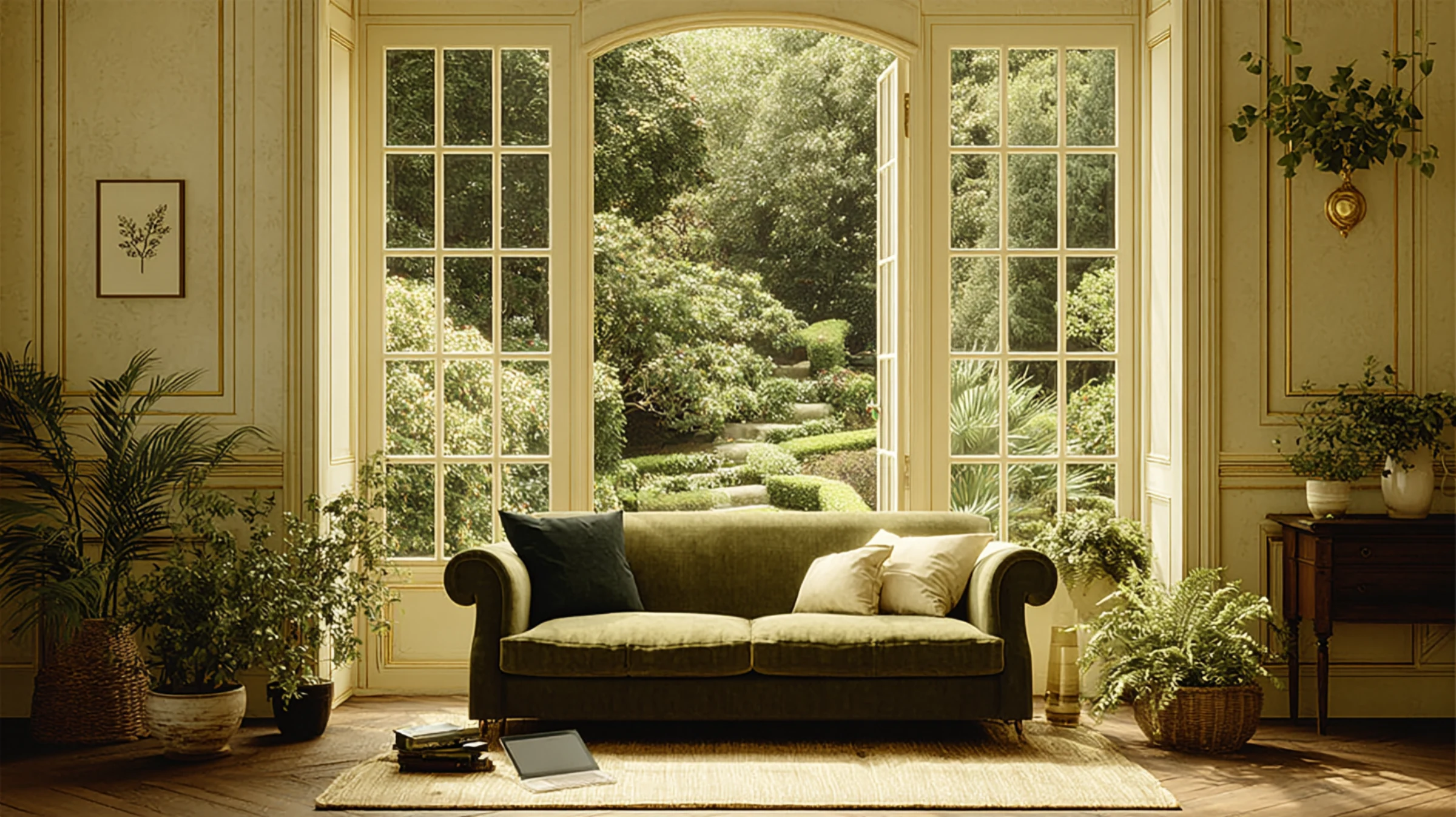
The Mindful Home: How Your Living Space Reflects Your State of Being
In the pursuit of creating beautiful living spaces, we often focus on aesthetics, functionality, and style. Yet beneath these visible dimensions lies a profound truth that the House of…
House of Willow Alexander·
In the pursuit of creating beautiful living spaces, we often focus on aesthetics, functionality, and style. Yet beneath these visible dimensions lies a profound truth that the House of Willow Alexander philosophy has long embraced: your home is not merely a container for your life—it is a mirror reflecting your inner state of being. This relationship between our internal landscape and our physical environment operates as a continuous dialogue, with each influencing and revealing aspects of the other in ways both subtle and significant.
Understanding this reciprocal relationship transforms how we approach the creation and curation of our homes. Rather than viewing interior design as simply an exercise in visual composition, we begin to recognize it as a practice of mindfulness—a tangible manifestation of our values, priorities, and emotional states that both reflects and influences who we are becoming.
The Mirror Effect: How Homes Reveal Inner States
Our living environments often communicate truths about our internal condition that we ourselves may not fully recognize:
Order and Chaos: The Physical Manifestation of Mental States
The organization of our physical spaces often parallels our cognitive and emotional organization:
Clutter as Externalized Thought Patterns
The accumulation of physical objects in our homes frequently mirrors the accumulation of unprocessed thoughts and emotions in our minds. This external manifestation explains why periods of mental overwhelm often coincide with increased environmental disorder, creating a visible representation of internal states. The relief you experience after decluttering a chaotic space reflects not merely aesthetic improvement but actual cognitive unburdening—as you create order externally, you simultaneously create capacity internally. This relationship works in both directions: addressing physical clutter can help clarify mental confusion, while processing emotional content often naturally leads to environmental organization. By recognizing this connection, you gain a powerful tool for understanding and addressing both internal and external states through their visible relationship.
Organizational Systems as Cognitive Frameworks
How we organize our possessions reveals underlying thought patterns and decision-making approaches that extend beyond mere tidiness preferences. This organizational dimension explains why our storage solutions, categorization methods, and arrangement principles often remain consistent across different homes and life stages, reflecting deeper cognitive frameworks rather than simply practical considerations. The satisfaction you experience in spaces organized according to your natural thinking patterns—whether you prefer visible accessibility or contained storage, categorical grouping or contextual arrangement, minimalist editing or comprehensive collection—reflects alignment between your environment and your cognitive style. By honoring rather than fighting these natural tendencies, you create systems that work with rather than against your inherent thought processes.
Transitional Spaces as Emotional Boundaries
The condition of threshold areas in our homes—entryways, mudrooms, foyers—often reveals our capacity for maintaining healthy boundaries between different aspects of life. This boundary dimension explains why these transitional spaces frequently become either chaotically cluttered or rigidly controlled, reflecting our relationship with emotional and psychological boundaries. The functionality you experience in well-designed transition zones—areas that effectively support the shedding of outside roles and preparation for home life—reflects not just practical convenience but psychological boundary health. By attending to these threshold spaces, you create physical support for the important psychological boundaries between different life domains.
Maintenance Patterns as Attention Distribution
The varying conditions of different areas in our homes often reveal our unconscious attention hierarchies and emotional priorities. This attentional dimension explains why certain spaces receive consistent care while others fall into neglect, creating an environmental map of our focus patterns. The disparity you might notice between meticulously maintained public areas and neglected private spaces, or between carefully curated aesthetic elements and overlooked functional systems, reflects actual attention distribution rather than mere oversight. By observing these patterns without judgment, you gain insight into your unconscious priorities and can make more conscious choices about where your attention flows.
Temporal Patterns: How We Inhabit Time Through Space
Our relationship with time manifests visibly in our home environments:
Delayed Decision Accumulation
Piles, storage boxes, and “temporary” arrangements often represent postponed decisions rather than mere disorganization. This decisional dimension explains why certain areas become persistent collection points for items awaiting determination, creating physical manifestations of decision avoidance. The liberation you experience when finally addressing these accumulated decision points reflects not just spatial clearing but actual decisional unburdening. By recognizing these physical collections as externalized decision backlogs, you can approach them as opportunities for decisional practice rather than merely organizational tasks.
Future-Past Balance Expression
The proportion of space dedicated to preserving past memories versus creating future possibilities reveals our temporal orientation and life stage. This temporal dimension explains why homes dominated by memorabilia and inherited items create different emotional experiences than those primarily organized around projects and aspirations. The alignment you feel in spaces that reflect your current temporal orientation—whether honoring significant history, engaging with present experience, or preparing for anticipated futures—reflects congruence between your environment and your life focus. By consciously calibrating this balance, you create homes that support rather than contradict your current relationship with time.
Completion Threshold Indicators
Unfinished projects, partially implemented systems, and abandoned improvements often reveal our relationship with perfectionism and completion. This threshold dimension explains why some homes contain numerous initiatives begun with enthusiasm but left unfinished when they failed to immediately achieve idealized outcomes. The pattern you might notice in repeatedly abandoned projects—perhaps consistently stalling at 80% completion, or regularly replacing “imperfect” systems rather than refining existing ones—reflects actual completion thresholds rather than mere circumstantial interruption. By recognizing these patterns, you gain insight into your relationship with perfectionism and can develop more realistic approaches to implementation and completion.
Maintenance Rhythm Reflection
The timing and frequency of home care activities—from daily tidying to seasonal deep cleaning—reveals our natural temporal rhythms and capacity for consistent attention. This rhythmic dimension explains why certain maintenance patterns feel effortless while others create persistent struggle, regardless of their objective difficulty. The ease you experience with maintenance approaches that align with your natural temporal patterns—whether you function best with brief daily attention, concentrated weekly efforts, or intensive seasonal projects—reflects synchronization between tasks and innate rhythms. By designing maintenance systems that work with rather than against these natural patterns, you create sustainable care approaches rather than perpetually failing ideals.
Material Language: What Our Choices Communicate
The physical elements we select for our homes speak volumes about our values and priorities:
Authenticity-Appearance Balance
Our material choices reveal the relative importance we place on authentic substance versus surface appearance. This value dimension explains why homes filled with genuine materials that age gracefully create fundamentally different experiences than those featuring synthetic materials designed to maintain unchanging appearances. The alignment you feel in environments that reflect your actual material values—whether prioritizing authentic materials with visible history, selecting for performance regardless of provenance, or balancing different considerations across contexts—reflects congruence between your choices and your true priorities. By making material selections with awareness of these values rather than defaulting to conventional options, you create environments that authentically express rather than contradict your material philosophy.
Quality-Quantity Calibration
The balance between fewer items of higher quality versus more numerous items of lower quality reveals our relationship with abundance and sufficiency. This calibration dimension explains why some homes contain carefully curated collections of significant pieces while others feature more numerous but less substantial elements. The satisfaction you experience in environments that reflect your actual abundance values—whether finding joy in thoughtful minimalism, drawing energy from generous multiplicity, or creating context-specific approaches to different categories—reflects alignment between your surroundings and your relationship with “enough.” By consciously calibrating this balance rather than unconsciously absorbing cultural defaults, you create homes that support rather than undermine your authentic sense of sufficiency.
Novelty-Continuity Tension
Our approach to incorporating new elements versus maintaining existing ones reveals our relationship with change and stability. This temporal dimension explains why some homes feature constant refreshment through new acquisitions while others maintain consistent elements over decades. The comfort you feel in environments that reflect your actual change preferences—whether thriving on regular renewal, drawing security from reliable continuity, or creating intentional balance between stable foundations and fresh accents—reflects congruence between your surroundings and your temperamental needs. By recognizing your natural position on this spectrum, you can create intentional approaches to home evolution that support rather than contradict your relationship with change.
Investment Distribution Priorities
Where we allocate resources—both financial and attentional—within our homes reveals our true priorities beyond stated values. This priority dimension explains why the actual condition of different elements—from structural systems to decorative accents—often tells a more accurate story about our values than our conscious narratives. The alignment you experience in spaces where resource allocation matches your professed priorities—whether investing in environmental sustainability, craftsmanship quality, technological integration, or aesthetic refinement—reflects congruence between stated and actual values. By observing these allocation patterns without judgment, you gain insight into your true priorities and can make more conscious choices about resource distribution.
Social Dynamics: How Spaces Reveal Relationships
Our homes communicate volumes about our relationships with others:
Boundary Permeability Indicators
How our homes manage the threshold between public and private realms reveals our relationship with social boundaries. This boundary dimension explains why some homes feature clearly delineated public and private zones while others blur these distinctions, reflecting different approaches to social permeability. The comfort you experience in environments that match your actual boundary preferences—whether thriving with clear delineation between public and private realms, preferring fluid transitions between different degrees of intimacy, or creating context-specific approaches for different relationships—reflects alignment between your space and your social needs. By designing with awareness of these preferences rather than defaulting to conventional arrangements, you create homes that support rather than contradict your natural social boundaries.
Power Dynamic Manifestations
The allocation of space and resources within shared homes often reveals underlying relationship power structures beyond conscious awareness. This relational dimension explains why the distribution of territory, decision-making influence over different areas, and accommodation of individual preferences frequently creates physical maps of relationship dynamics. The tensions or ease you experience in shared environments often reflects actual power balance rather than merely practical considerations. By observing these spatial distributions without judgment, you gain insight into relationship patterns that might benefit from more conscious negotiation and balance.
Hospitality-Privacy Calibration
How our homes balance accommodation for visitors versus protection of resident needs reveals our relationship with social connection and personal boundaries. This social dimension explains why some homes seem designed primarily around entertaining while others prioritize the comfort of inhabitants, sometimes at the expense of guests. The alignment you feel in spaces that reflect your actual social values—whether finding joy in generous hospitality, requiring substantial private territory, or creating contextual approaches for different situations—reflects congruence between your environment and your social needs. By consciously calibrating this balance rather than unconsciously absorbing family patterns or social expectations, you create homes that support your authentic relationship with connection and solitude.
Conflict Geography Patterns
The physical locations where tensions typically emerge in shared homes often reveal underlying relationship dynamics and communication patterns. This conflict dimension explains why certain areas—perhaps shared bathrooms, kitchens during meal preparation, or transitional spaces during busy mornings—frequently become friction points regardless of their physical attributes. The patterns you might notice in where and when tensions emerge in your home reflects actual relationship dynamics rather than merely spatial inadequacies. By recognizing these patterns, you gain insight into relationship challenges that might benefit from both environmental and interpersonal attention.
The Feedback Loop: How Homes Shape Inner States
While our homes reflect our internal conditions, they simultaneously influence and shape those same states:
Environmental Psychology: The Science of Spatial Influence
Research has demonstrated how our surroundings affect our psychological functioning:
Attentional Restoration Effects
Environments with certain characteristics—particularly those incorporating natural elements, coherent complexity, and “soft fascination” features—actively restore our depleted cognitive resources. This restorative dimension explains why time spent in well-designed spaces with these qualities measurably improves attention capacity, emotional regulation, and decision-making ability. The mental clarity you experience after spending time in environments with natural views, gentle sensory variation, and freedom from demanding stimuli reflects actual cognitive restoration rather than merely pleasant distraction. By incorporating these restorative elements throughout your home, you create environments that actively replenish rather than further deplete your limited attentional resources.
Embodied Cognition Influences
Our physical environments shape our thinking patterns through their impact on our bodily experiences and sensory processing. This embodied dimension explains why different spatial qualities—from ceiling height to material textures to temperature variations—influence not just comfort but actual cognitive processes including creativity, abstract thinking, and emotional processing. The shifts you experience in your thinking patterns when moving between different environments—perhaps finding greater creative flow in spaces with higher ceilings, more concrete reasoning in rooms with tactile materials, or enhanced emotional processing in areas with moderate sensory complexity—reflects actual cognitive changes rather than merely subjective preferences. By designing with awareness of these influences, you can create environments that support different cognitive modes appropriate to various activities and needs.
Priming Effect Mechanisms
Physical elements in our environments unconsciously activate associated concepts and behaviors through automatic psychological processes. This priming dimension explains why spaces containing certain objects, images, or arrangements subtly influence behavior patterns and thought content without conscious awareness. The behavioral shifts you might notice in different environments—perhaps finding yourself naturally speaking more quietly in spaces with certain aesthetic qualities, moving more deliberately in rooms with particular material palettes, or thinking more expansively in areas with specific spatial proportions—reflects actual priming effects rather than coincidental associations. By understanding these subtle influences, you can more intentionally select environmental elements that prime desired states and behaviors.
Stress Modulation Factors
Different environmental qualities directly influence our physiological stress responses through their impact on our nervous system functioning. This stress dimension explains why certain spatial characteristics—including noise levels, visual complexity, light quality, and air conditions—create measurable changes in stress biomarkers regardless of conscious preferences. The relaxation you experience in environments with appropriate sensory conditions—moderate and controllable sound levels, visual compositions that provide interest without overwhelm, lighting that supports natural rhythms, and good air quality—reflects actual physiological regulation rather than merely psychological comfort. By designing with awareness of these factors, you create environments that actively support nervous system regulation rather than triggering stress responses.
Spatial Narratives: How Environments Tell Stories We Live By
The implicit narratives embedded in our homes shape our self-perception and behavior:
Identity Reinforcement Cycles
Our homes continuously reflect back stories about who we are, reinforcing certain aspects of identity through their physical manifestation. This narrative dimension explains why environments that embody particular self-conceptions—whether of sophistication, creativity, practicality, or other qualities—tend to strengthen those same characteristics through constant environmental feedback. The alignment you experience in spaces that reflect aspects of identity you wish to develop—perhaps surrounding yourself with elements that embody values you aspire to, or creating environments that support activities central to your desired self-concept—can actively reinforce those identity elements through daily interaction. By consciously curating these environmental narratives, you create homes that support becoming who you wish to be rather than merely reflecting who you have been.
Possibility Expansion or Constraint
The physical configuration of our homes either suggests or limits what we perceive as possible through their accommodation or restriction of different activities and states. This possibility dimension explains why environments designed with flexibility and potential in mind tend to support greater adaptability and creativity than those optimized solely for current functions. The expanded thinking you experience in spaces that suggest multiple possibilities—perhaps through adaptable furnishings, multi-purpose areas, or elements that can be reconfigured for different uses—reflects actual cognitive expansion rather than merely practical convenience. By designing with potential rather than just present needs in mind, you create environments that invite growth and evolution rather than reinforcing fixed patterns.
Status Quo Reinforcement Tendencies
Our familiar environments naturally reinforce existing patterns through the path of least resistance, making change more challenging without conscious intervention. This inertia dimension explains why significant life transitions often coincide with or require environmental changes to support new patterns and behaviors. The difficulty you might experience in establishing new habits within unchanged environments reflects actual behavioral reinforcement rather than merely psychological resistance. By strategically altering your environment during periods of intentional change, you create physical support for new patterns rather than relying solely on willpower to overcome environmental cues that reinforce previous behaviors.
Aspiration-Actuality Alignment
The gap between how we aspire to live and how our homes actually support daily life reveals important information about our relationship with ideals and reality. This alignment dimension explains why homes designed around idealized lifestyles rather than actual patterns often create subtle but persistent discomfort despite their apparent perfection. The ease you experience in environments that honestly accommodate your real rather than aspirational patterns—whether creating realistic storage for how you actually handle belongings, designing kitchen spaces around how you truly cook and eat, or establishing maintenance systems that match your actual rather than idealized capabilities—reflects congruence between environment and authentic life. By designing for your real rather than imagined self, you create homes that support rather than judge your daily experience.
Material Influence: How Physical Elements Shape Experience
The tangible qualities of our surroundings directly affect our physical and emotional states:
Sensory Regulation Impact
The sensory properties of our homes—including acoustic conditions, tactile qualities, olfactory elements, and visual characteristics—directly influence our nervous system regulation and emotional state. This sensory dimension explains why environments with thoughtful sensory design create measurably different physiological responses than those with haphazard or overwhelming sensory qualities. The regulation you experience in spaces with appropriate sensory conditions—acoustic environments that neither overload nor deprive, tactile elements that provide appropriate stimulation, olfactory qualities that support rather than overwhelm, and visual compositions that offer coherent complexity—reflects actual nervous system support rather than merely subjective preference. By designing with awareness of sensory impact, you create environments that actively contribute to rather than undermine physiological regulation.
Chronobiological Entrainment Factors
The light conditions, temperature variations, and activity cues in our homes directly influence our biological rhythms and sleep-wake cycles. This temporal dimension explains why environments aligned with natural patterns—particularly regarding light exposure throughout the day—support better sleep quality, energy regulation, and overall health than those that contradict these rhythms. The improvement you experience in sleep and energy when your home lighting mimics natural patterns—brighter, bluer light in morning spaces, warmer and dimmer illumination in evening areas, and appropriate darkness in sleeping spaces—reflects actual chronobiological alignment rather than merely comfortable conditions. By designing with awareness of these biological influences, you create environments that support rather than disrupt your natural temporal rhythms.
Proxemic Comfort Zones
The spatial dimensions and arrangements in our homes influence social comfort and interaction quality through their impact on interpersonal distances and orientations. This proxemic dimension explains why certain spatial configurations naturally facilitate comfortable conversation while others create subtle tension regardless of aesthetic quality. The ease you experience in well-designed conversation areas—seating arranged at appropriate angles and distances, acoustic conditions that support comfortable speech levels, sight lines that allow appropriate eye contact—reflects actual interpersonal comfort rather than merely functional convenience. By designing with awareness of these proxemic factors, you create environments that naturally support rather than hinder quality interaction.
Biophilic Connection Elements
The presence or absence of connections to natural patterns and elements in our homes directly influences our physiological and psychological wellbeing through evolutionary mechanisms. This biophilic dimension explains why environments incorporating natural materials, living elements, and patterns that mimic natural structures create measurably different health outcomes than those lacking these connections. The wellbeing you experience in spaces with thoughtful natural integration—whether through direct nature incorporation, material authenticity, or design patterns that reflect natural structures—represents actual biological response rather than merely aesthetic preference. By designing with awareness of these biophilic needs, you create environments that satisfy deep evolutionary requirements for natural connection.
Behavioral Architecture: How Spaces Shape Actions
The physical configuration of our environments guides our behavior in powerful ways:
Friction and Flow Engineering
The relative ease or difficulty of different actions in our homes—based on physical arrangement, accessibility, and sequence—significantly influences behavior patterns through the path of least resistance. This friction dimension explains why environmental design often proves more effective than willpower in establishing sustainable habits. The behavioral shifts you experience when desired actions are made physically easier—perhaps through thoughtful placement of exercise equipment, strategic positioning of healthy food options, or convenient arrangement of recycling systems—reflects actual behavior architecture rather than merely improved organization. By consciously engineering friction and flow in your environment, you create physical support for desired behaviors rather than relying solely on intention.
Default Setting Establishment
The pre-set conditions of our homes—from temperature settings to furniture arrangements to technology configurations—create powerful defaults that influence behavior through the principle of inertia. This default dimension explains why pre-established environmental conditions tend to persist regardless of their alignment with conscious intentions. The behavioral patterns you notice emerging from your environmental defaults—perhaps finding yourself consistently gathering in areas with comfortable seating and good light, regularly using items stored at eye level while neglecting those requiring effort to access, or habitually engaging with visible technology while overlooking less prominent alternatives—reflects the power of pre-set conditions rather than merely personal preference. By thoughtfully establishing these defaults, you create environments that naturally encourage desired behaviors without requiring constant conscious choice.
Decision Point Design
The physical configuration of choice moments in our homes—from pantry organization to entertainment options to communication systems—significantly influences decision outcomes through visibility, accessibility, and arrangement. This decision dimension explains why environmental design often proves more effective than willpower in supporting consistent choices aligned with values. The choice patterns you experience in well-designed decision points—perhaps finding yourself naturally selecting from visible healthy options in the refrigerator, easily maintaining organization systems that make appropriate storage obvious, or consistently using communication tools that are conveniently positioned—reflects actual decision architecture rather than merely improved options. By consciously designing these decision points, you create environmental support for choices aligned with your values.
Trigger Management Systems
The presence or absence of environmental cues that initiate specific behaviors—from activity reminders to stress triggers to habit signals—significantly influences our behavioral patterns through automatic associative processes. This trigger dimension explains why removing or adding specific environmental elements often proves more effective than willpower in changing established patterns. The behavioral shifts you experience when managing environmental triggers—perhaps finding unhelpful habits naturally diminishing when associated cues are removed, desired activities increasing when relevant reminders are strategically placed, or stress responses decreasing when specific triggers are eliminated—reflects actual cue-response mechanisms rather than merely coincidental changes. By consciously managing these environmental triggers, you create spaces that support rather than undermine desired behavior patterns.
Mindful Home Creation: Cultivating Conscious Relationship with Space
Moving beyond passive acceptance of our environments requires developing active awareness:
Observation Without Judgment: Seeing What Is
The first step in creating mindful relationship with our homes involves clear perception:
Pattern Recognition Development
Learning to observe the actual patterns in our homes—from traffic flow to clutter accumulation to maintenance rhythms—without immediate judgment creates foundation for meaningful change. This observational dimension explains why solutions imposed without understanding existing patterns often fail despite their theoretical appropriateness. The insight you gain through patient observation—noticing where items naturally accumulate, how spaces are actually used versus their intended functions, or when certain areas receive attention while others are neglected—provides essential information about the reality of your home relationship. By developing this observational capacity, you create foundation for changes that work with rather than against natural patterns.
Emotional Response Tracking
Becoming aware of our emotional reactions to different spaces and elements in our homes provides crucial information about our needs and preferences beyond conscious analysis. This emotional dimension explains why certain environments feel immediately right or wrong despite meeting all theoretical criteria for success. The wisdom you access through emotional awareness—noticing which spaces consistently create ease or tension, which elements evoke positive or negative responses, or how your emotional state shifts when moving between different areas—reveals important information about your unique environmental needs. By honoring rather than dismissing these emotional responses, you gain access to intuitive knowledge that complements intellectual understanding.
Actual vs. Idealized Usage Comparison
Observing how we actually use our homes versus how we imagine or intend to use them reveals important gaps between theory and practice. This usage dimension explains why spaces designed around idealized rather than actual patterns often remain unused or create persistent friction despite their apparent suitability. The clarity you gain through honest observation—noticing which carefully designed areas remain unused, which improvised spaces become centers of activity, or how intended functions evolve into actual uses—provides essential information for creating environments that support real rather than imagined life. By acknowledging these gaps without self-criticism, you develop basis for more authentic environmental choices.
Seasonal and Cyclical Variation Awareness
Recognizing how our home needs and patterns change across different timeframes—from daily cycles to seasonal shifts to life stage transitions—creates more comprehensive understanding of environmental requirements. This temporal dimension explains why static solutions often fail to satisfy despite their apparent appropriateness at a single point in time. The insight you develop through temporal awareness—noticing how space needs fluctuate throughout the day, how different areas gain or lose importance across seasons, or how functional requirements evolve through life stages—provides essential information for creating adaptable rather than rigid environments. By expanding observation across time, you develop more complete understanding of your dynamic relationship with home.
Alignment Seeking: Bridging Inner and Outer Landscapes
Creating congruence between our internal values and external environments requires intentional connection:
Value Materialization Practices
Developing conscious processes for translating abstract values into concrete environmental choices creates greater congruence between beliefs and surroundings. This translation dimension explains why homes that thoughtfully embody core values create deeper satisfaction than those assembled without this conscious connection. The alignment you experience when your environment reflects your actual priorities—whether environmental sustainability, family togetherness, creative expression, or other core values—represents genuine congruence rather than merely pleasant aesthetics. By developing explicit practices for this translation process, you create homes that authentically express rather than contradict what matters most to you.
Authentic Need Identification
Learning to distinguish between actual needs and conditioned wants creates foundation for more satisfying environmental choices. This discernment dimension explains why homes addressing genuine requirements create deeper fulfillment than those responding primarily to external expectations or marketing influences. The satisfaction you experience in environments that meet your authentic needs—whether for particular kinds of privacy, specific sensory conditions, certain types of functionality, or other genuine requirements—reflects actual need fulfillment rather than merely fashionable choices. By developing this discernment capacity, you create basis for more meaningful and enduring environmental decisions.
Aspiration-Reality Reconciliation
Finding balance between ideal visions and practical realities creates more sustainable approach to home creation than either pure pragmatism or ungrounded idealism. This balancing dimension explains why the most satisfying homes incorporate aspirational elements while honestly accommodating actual patterns and limitations. The integration you achieve when your environment includes both practical support for daily realities and elements that embody higher aspirations reflects healthy relationship with both the ideal and the real. By consciously working with this tension rather than collapsing to either extreme, you create homes that both support your current reality and inspire your continued growth.
Intuitive-Analytical Integration
Combining intuitive wisdom about what feels right with analytical understanding of what works well creates more complete approach to environmental choices. This integrative dimension explains why the most successful homes incorporate both emotional intelligence and practical knowledge rather than relying exclusively on either feeling or analysis. The comprehensive wisdom you access when integrating both ways of knowing—perhaps using emotional responses to guide initial directions while applying analytical thinking to implementation details, or checking rational plans against intuitive sense of rightness—creates more complete foundation for environmental decisions. By honoring both modes of understanding, you develop more balanced approach to home creation.
Intentional Adaptation: Evolving with Awareness
Creating homes that grow with us requires ongoing conscious adjustment:
Regular Reassessment Practices
Establishing consistent processes for reviewing how well our environments are serving current needs prevents unconscious misalignment from developing over time. This evaluative dimension explains why homes that undergo regular thoughtful assessment maintain greater relevance than those left unchanged despite evolving requirements. The continued alignment you maintain through periodic review—perhaps seasonally evaluating how well different areas are functioning, annually considering whether storage systems still match current patterns, or reassessing spatial allocations during significant life transitions—creates ongoing congruence rather than growing disconnection. By establishing these reassessment rhythms, you create homes that evolve alongside rather than diverge from your changing needs.
Experimental Approach Cultivation
Developing comfort with temporary trials and iterative adjustments creates more responsive relationship with our environments than fixed implementations. This experimental dimension explains why homes that evolve through series of thoughtful adjustments often achieve greater functionality than those executed according to rigid plans despite changing conditions. The environmental responsiveness you develop through experimental approach—perhaps trying furniture arrangements before permanent placement, testing organizational systems before full implementation, or creating temporary versions of major changes before final execution—allows discovery of what actually works rather than reliance on theoretical predictions. By embracing this experimental mindset, you create homes that learn from experience rather than adhering to potentially misaligned plans.
Incremental Change Appreciation
Recognizing the power of small, consistent adjustments creates more sustainable approach to home evolution than reliance on major overhauls. This incremental dimension explains why environments that develop through ongoing small improvements often achieve greater functionality than those that remain static between occasional comprehensive renovations. The continuous alignment you maintain through incremental approach—addressing issues as they emerge, implementing improvements when needs become apparent, and regularly refining systems based on actual use—creates responsive rather than periodically disrupted relationship with your environment. By valuing these small adjustments, you develop more sustainable and less overwhelming approach to home evolution.
Letting Go Capacity Development
Cultivating ability to release elements that no longer serve current needs creates space for environments to evolve appropriately over time. This release dimension explains why homes that periodically shed outdated components maintain greater relevance than those that accumulate without corresponding removal despite changing requirements. The renewed alignment you experience through thoughtful letting go—perhaps releasing furniture that no longer supports current activities, systems that once worked but now create friction, or decorative elements that no longer resonate with current aesthetic sensibilities—creates room for continued evolution rather than accumulated mismatch. By developing this capacity for release, you create homes that remain vital rather than becoming museums of past phases.
Community and Context: Expanding Beyond Individual Space
Truly mindful homes acknowledge their place within larger systems:
Neighborhood Integration Awareness
Recognizing how our homes exist within and contribute to broader community contexts creates more complete understanding of their impact and meaning. This contextual dimension explains why the most satisfying home relationships often include thoughtful connection to surrounding neighborhoods rather than isolation from local environments. The enrichment you experience through contextual awareness—perhaps understanding how your property affects neighborhood character, how local resources complement your home functions, or how community relationships extend your living environment beyond property boundaries—creates more complete home experience than property-limited perspective. By expanding awareness to include this broader context, you develop more integrated understanding of your home’s place within larger systems.
Environmental Impact Consciousness
Developing awareness of how our homes affect natural systems creates more responsible relationship with environmental resources and processes. This ecological dimension explains why homes created with consciousness of their broader impact often generate deeper satisfaction than those developed without this awareness, regardless of their aesthetic or functional qualities. The integrity you experience when your environmental choices align with ecological values—whether through energy systems that minimize climate impact, water usage that respects local conditions, or material selections that consider full lifecycle effects—reflects congruence between values and actions rather than merely reduced guilt. By cultivating this ecological consciousness, you create homes that participate responsibly in rather than exploit natural systems.
Cultural Context Consideration
Understanding how our homes exist within cultural traditions and historical patterns creates richer relationship with their meaning beyond personal preferences. This cultural dimension explains why homes that thoughtfully engage with relevant traditions—whether regional building approaches, cultural spatial patterns, or historical design languages—often achieve greater depth than those developed without this contextual awareness. The connection you experience when your home acknowledges its cultural context—perhaps incorporating regional materials that link to local building traditions, spatial arrangements that respect cultural patterns of living, or design elements that reference historical continuity—creates meaning beyond purely individual expression. By developing this cultural awareness, you create homes that participate in rather than ignore broader human narratives.
Future Inhabitant Consideration
Expanding our temporal horizon to include those who may occupy our spaces after us creates more responsible approach to home creation and modification. This temporal dimension explains why homes developed with awareness of their ongoing life beyond current ownership often embody different qualities than those created solely for immediate gratification. The stewardship you exercise when considering future inhabitants—perhaps selecting materials with multigenerational durability, creating flexible spaces that can adapt to different needs, or implementing systems with long-term viability—reflects expanded temporal perspective rather than merely extended personal benefit. By including this future awareness, you create homes that serve as responsible links in continuing chain of habitation rather than temporary personal commodities.
Conclusion: The Mindful Home Journey
The relationship between our inner states and our physical environments represents one of the most powerful yet frequently overlooked dimensions of human experience. By developing greater consciousness of this reciprocal influence—how our homes both reflect and shape who we are—we gain access to profound opportunities for greater alignment, authenticity, and wellbeing.
This mindful approach to home transforms our relationship with our living spaces from passive consumption to active dialogue. Rather than merely acquiring and arranging objects according to external standards or temporary trends, we begin to create environments that authentically express our values, support our actual needs, and evolve alongside our continuing development. This shift from decorating to cultivating fundamentally changes both the process and the outcome of home creation.
At House of Willow Alexander, we believe that this deeper understanding of the home-self relationship forms the foundation of truly meaningful interior design. Beyond aesthetic trends or status considerations lies the essential question that guides all authentic environmental choices: Does this space truly reflect and support who I am and who I am becoming?
The journey toward creating a mindful home is neither linear nor finite. It involves continuous observation, reflection, and adaptation as both we and our needs evolve over time. Yet this ongoing process itself becomes a powerful practice of mindfulness—a tangible way of bringing greater consciousness to how we create and inhabit the containers for our lives.
Through this thoughtful approach to our living environments, we discover that our homes can become not merely shelters for our bodies but sanctuaries for our becoming—physical manifestations of our values, laboratories for our growth, and reflections of our most authentic selves. In this conscious relationship between inner and outer landscapes, we find opportunities for greater coherence, integrity, and meaning in both our spaces and ourselves.