The Art of Bookshelf Curation: Beyond Bookshelf Wealth
When it comes to interior design, the ceiling—often referred to as the “fifth wall”—presents an extraordinary opportunity to transform your space. While bold patterned ceilings are making waves in the…
House of Willow Alexander·
When it comes to interior design, the ceiling—often referred to as the “fifth wall”—presents an extraordinary opportunity to transform your space. While bold patterned ceilings are making waves in the design world, the approach to ceiling design should be thoughtfully tailored to each room’s unique purpose, dimensions, and environmental conditions. In 2025, statement ceilings have evolved beyond one-size-fits-all solutions to become room-specific design elements that enhance functionality while making powerful aesthetic statements.
Living Room Ceiling Trends: Creating Conversation Pieces
The living room, as the heart of social interaction in most homes, benefits tremendously from ceiling designs that inspire conversation and create atmosphere. Current living room ceiling trends embrace both drama and comfort.
“Living rooms can support some of the most ambitious ceiling design ideas,” explains interior designer Olivia Harrington. “Since we typically spend more time in these spaces looking up—whether relaxing on a sofa or entertaining guests—the ceiling becomes a natural focal point.”
Popular living room ceiling trends for 2025 include:
Coffered Elegance
Coffered ceilings, with their grid of recessed panels, add architectural interest while maintaining a sense of tradition. Modern interpretations feature slimmer moldings and unexpected color combinations. For a contemporary twist, consider painting the recessed panels in a contrasting color to your primary ceiling tone, or installing subtle lighting within the coffers for evening ambiance.
Artistic Expression
The substantial surface area of living room ceilings makes them ideal canvases for artistic expression. From hand-painted murals to applied artistic elements, these ceilings become the room’s defining feature. Consider commissioning a local artist to create a bespoke ceiling mural that reflects your personal aesthetic or the home’s architectural period.
Mixed Material Statements
Combining materials like wood, metal, and plaster creates textural interest that draws the eye upward. Exposed wooden beams paired with metallic paint treatments or decorative plaster work particularly well in living spaces with higher ceilings, adding warmth and visual complexity.
Bedroom Ceiling Design: Crafting Tranquil Retreats
Bedroom ceiling design requires a more nuanced approach, as these spaces demand both visual interest and a sense of calm conducive to rest.
“The bedroom ceiling is the last thing you see before falling asleep and the first thing you see upon waking,” notes sleep environment specialist Dr. Emma Richardson. “Its design should promote relaxation while still reflecting personal style.”
Effective bedroom ceiling ideas include:
Gentle Color Gradients
Subtle color gradients that mimic dawn or dusk skies create a soothing visual effect perfect for bedrooms. These painted ceiling designs can be executed in calming blues, soft pinks, or gentle lavenders—colors proven to promote relaxation and quality sleep.
Fabric Treatments
Fabric ceiling upholstery offers acoustic benefits particularly valuable in bedrooms. From traditional tented ceilings to modern stretched fabric panels, these treatments dampen sound while adding luxurious texture. Consider natural fibers like linen or silk for their breathable qualities and subtle luster.
Celestial Themes
Star-inspired ceiling designs remain perennially popular in bedrooms. Modern approaches include fiber optic lighting systems that create realistic starry skies, or metallic painted constellations that catch the light. These celestial ceiling designs connect the sleeping space to the natural world, promoting a sense of peace and perspective.
Home Office Ceiling Design: Fostering Productivity
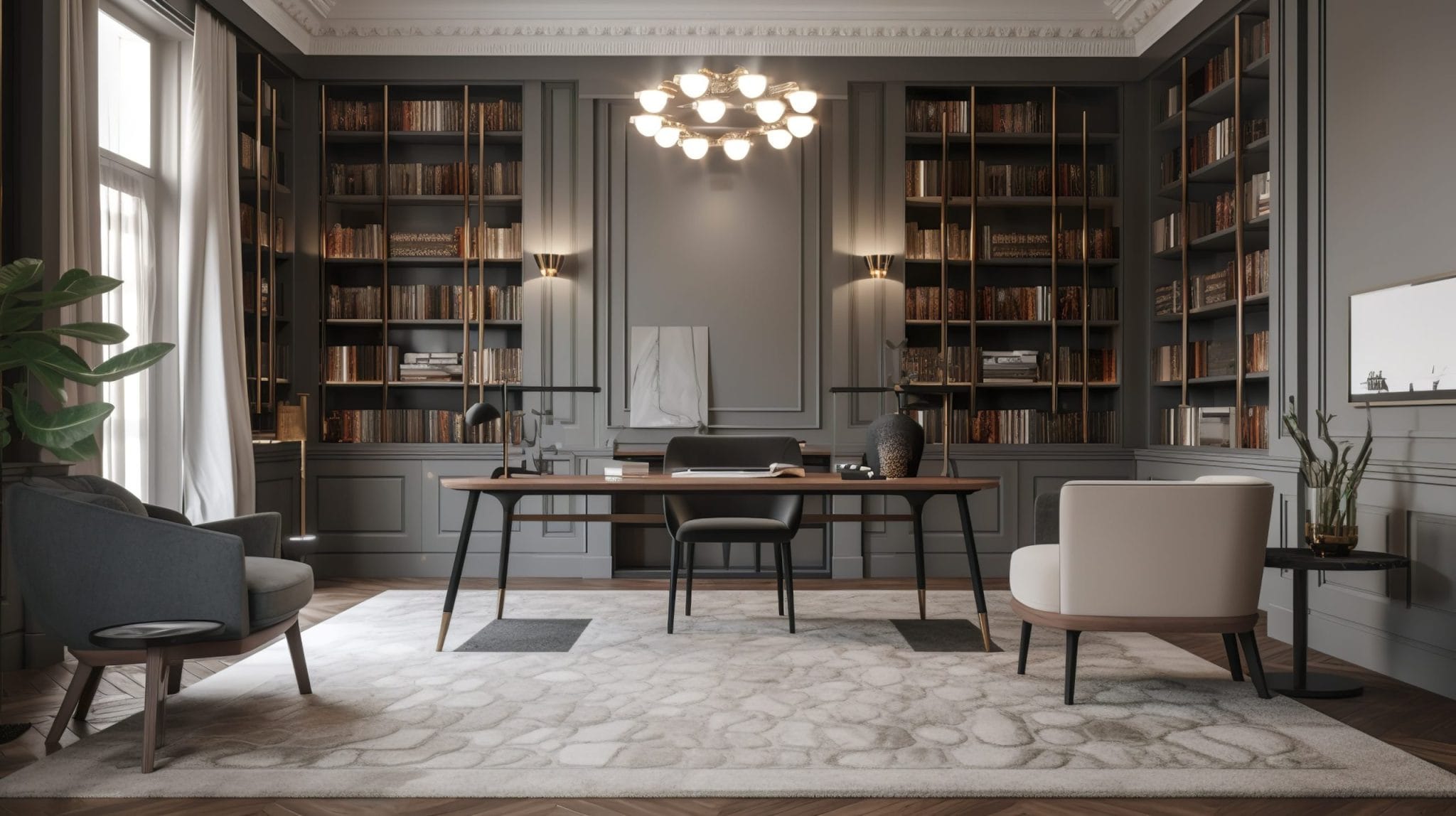
With remote work continuing to shape our home environments, home office ceiling design has emerged as a specialized field focused on creating spaces that enhance concentration and creativity.
“The ceiling in a workspace significantly impacts cognitive function,” explains workplace design consultant James Foster. “Thoughtful ceiling design can reduce eye strain, improve focus, and even influence creative thinking.”
Effective home office ceiling designs include:
Integrated Lighting Systems
Ceiling designs that incorporate sophisticated lighting systems help reduce screen glare and eye fatigue. Consider ceiling-mounted indirect lighting that bounces soft illumination off walls, or adjustable track systems that can be customized throughout the day as natural light changes.
Sound-Absorbing Treatments
Acoustic ceiling treatments are particularly valuable in home offices, where concentration is paramount. Modern options include decorative sound-absorbing panels that double as design elements, available in various colors and patterns to complement your workspace aesthetic.
Stimulating Patterns
For creative professionals, ceiling patterns that stimulate right-brain thinking can be beneficial. Geometric designs with slight irregularities or biophilic patterns that mimic natural forms have been shown to enhance creative problem-solving while remaining subtle enough not to distract from focused work.
Bathroom Ceiling Design: Moisture-Resistant Magnificence
Bathroom ceiling design presents unique challenges due to humidity and moisture concerns, but these practical considerations needn’t limit creative expression.
“Bathrooms actually offer some of the most exciting opportunities for ceiling design,” says bathroom renovation specialist Charlotte Davies. “Because these spaces are typically smaller, you can be more adventurous without overwhelming the room. The key is selecting moisture-resistant materials and proper ventilation.”
Successful bathroom ceiling ideas include:
Moisture-Resistant Ceiling Materials
Specialized moisture-resistant paints, tiles, and panels form the foundation of bathroom ceiling design. Today’s options extend far beyond basic white paint to include waterproof wallpapers, sealed wood paneling, and decorative metal tiles specifically formulated to withstand bathroom conditions.
Steam-Friendly Luxury
In spa-inspired bathrooms, ceilings can be designed to enhance the steam shower experience. Slightly sloped ceilings prevent water droplets from falling directly onto occupants, while certain materials like tadelakt (a waterproof lime plaster) or marine-grade woods add organic luxury while standing up to moisture.
Reflective Surfaces
Mirrored or high-gloss ceiling treatments can make compact bathrooms feel significantly larger. These reflective ceiling designs bounce light around the space, creating a sense of openness particularly valuable in smaller bathrooms or powder rooms with limited natural light.
Kitchen Ceiling Ideas: Practical Yet Striking
Kitchen ceiling ideas must balance bold design with practical considerations like ventilation, lighting, and resistance to cooking residues.
“The kitchen ceiling works harder than perhaps any other in the home,” explains culinary space designer Marcus Chen. “It needs to accommodate task lighting, extraction systems, and withstand heat and moisture while still looking beautiful.”
Effective kitchen ceiling designs include:
Integrated Extraction Solutions
Modern kitchen ceilings often incorporate ventilation systems that are as beautiful as they are functional. From ceiling-mounted extractors that double as lighting features to recessed systems that disappear when not in use, these integrated solutions maintain clean lines while performing essential functions.
Heat and Stain Resistant Finishes
Specialized ceiling finishes that resist yellowing from cooking steam and are easily cleanable form the foundation of smart kitchen ceiling design. Satin or semi-gloss paint formulations specifically designed for kitchen environments offer practical durability with a subtle sheen that reflects light.
Architectural Definition
In open-plan spaces, ceiling treatments can help define the kitchen zone without requiring walls. Coffered sections, changed ceiling heights, or distinct material treatments signal the transition between cooking and living areas while adding architectural interest.
Scale Considerations for Different Room Sizes
Beyond room function, ceiling height and room dimensions significantly impact appropriate ceiling design choices.
Ceiling Design for Small Rooms
In compact spaces, ceiling designs should be scaled appropriately to avoid overwhelming the room. Consider:
– Smaller pattern repeats that maintain proportion with the room size
– Lighter colors that visually raise the ceiling
– Glossy finishes that reflect light and create depth
– Vertical elements that draw the eye upward, creating the illusion of height
“In smaller rooms, the ceiling can actually be your secret weapon for making the space feel larger,” notes small space specialist Nina Hendricks. “The right ceiling treatment can visually expand the room in ways that wall treatments simply cannot.”
Ceiling Design for Large Spaces
Conversely, expansive rooms with high ceilings require designs bold enough to be appreciated from a distance:
– Larger pattern scales that can be properly perceived from below
– Deeper colors that visually lower overwhelmingly high ceilings
– Multi-level treatments that create intimacy in portions of the space
– Dramatic lighting features that activate the volume of air in the room
Ceiling Lighting Integration: Illuminating Your Design
No discussion of ceiling design would be complete without addressing lighting integration, as the two elements work in tandem to create successful spaces.
“Lighting and ceiling design must be considered simultaneously, not sequentially,” emphasizes lighting designer Thomas Wright. “The most successful ceiling designs incorporate lighting as an integral element rather than an afterthought.”
Effective ceiling lighting integration includes:
Cove Lighting for Texture Enhancement
Recessed lighting troughs around the perimeter of a room cast soft upward illumination that highlights textured ceiling treatments. This indirect lighting approach is particularly effective with textured plaster, fabric installations, or painted ceiling designs with subtle dimensionality.
Pendant Positioning with Pattern
When ceiling patterns are incorporated, pendant light positioning should either reinforce or intentionally contrast with the pattern’s rhythm. Random placement against a geometric ceiling pattern creates visual discord, while thoughtfully aligned fixtures enhance the overall design.
Color-Changing Capabilities
Modern LED systems with color-changing capabilities can dramatically transform painted ceiling designs throughout the day or for different occasions. A subtle ceiling mural might incorporate specific elements that respond to different light wavelengths, revealing new aspects of the design when lighting shifts from warm to cool tones.
Conclusion: The Ceiling as a Room-Defining Element
As we embrace the fifth wall revolution, understanding how to adapt ceiling designs for different room types allows us to create truly harmonious spaces where every surface contributes to both function and beauty. Whether you’re creating a tranquil bedroom retreat, a productive home office, or a statement-making living room, the ceiling offers unparalleled opportunities for personalization and expression.
By considering the specific needs of each room type—from moisture resistance in bathrooms to acoustic properties in workspaces—you can create ceiling designs that not only captivate visually but enhance the very way you experience your home. The most successful statement ceilings don’t just demand attention; they improve the room’s functionality while expressing your unique design perspective.
As you plan your next interior project, remember to look up. The perfect ceiling is waiting to transform your space from ordinary to extraordinary.