
The Evolution of British Architectural Preservation: From Conservation to Adaptive Reuse
In the storied landscape of British architecture, where centuries-old structures stand alongside contemporary designs, the philosophy of preservation has undergone a remarkable evolution. What began as a Victorian movement focused…
House of Willow Alexander·
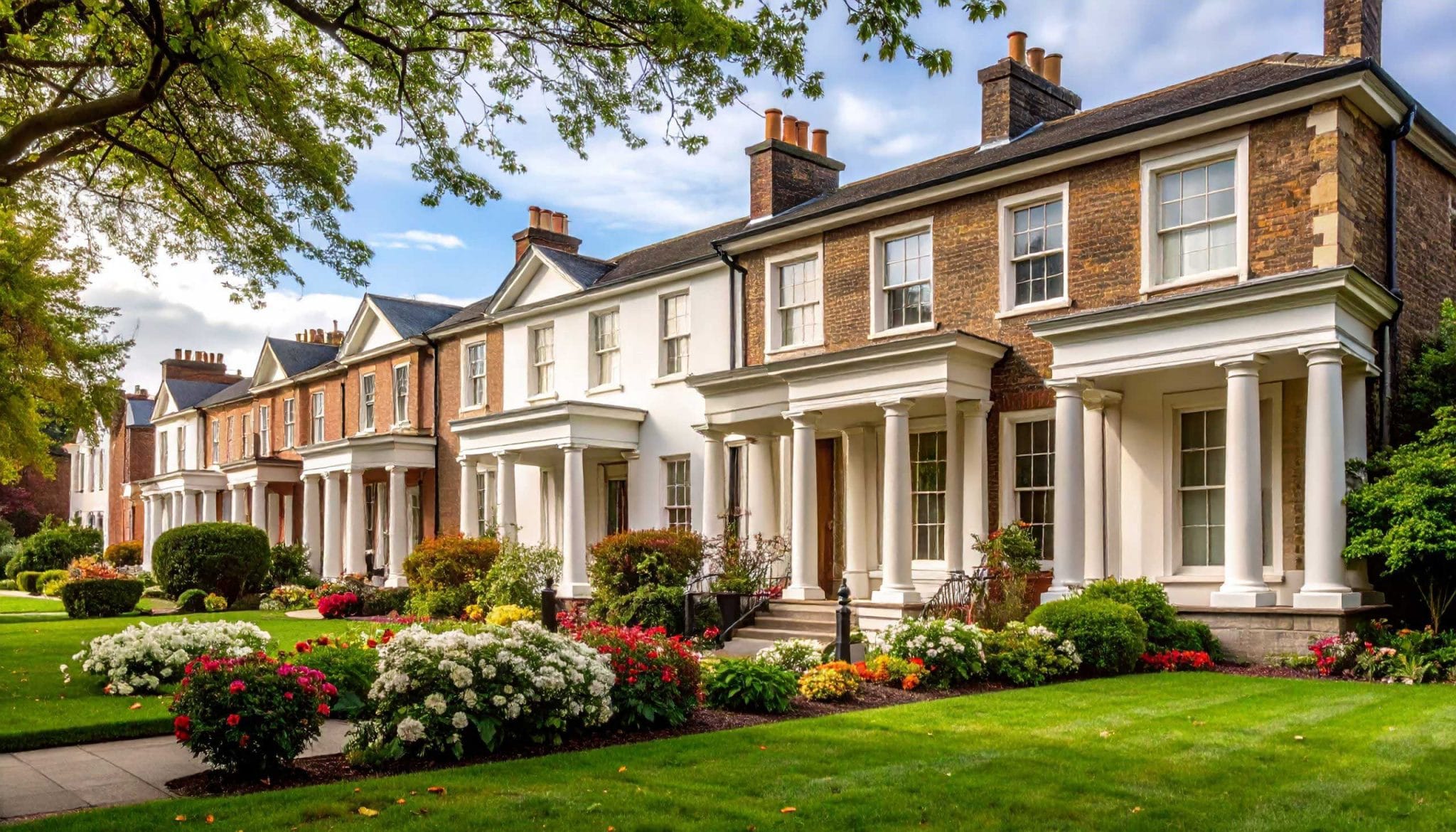
In the storied landscape of British architecture, where centuries-old structures stand alongside contemporary designs, the philosophy of preservation has undergone a remarkable evolution. What began as a Victorian movement focused on rigid conservation has transformed into a nuanced approach that balances historical integrity with modern functionality. This evolution reflects not merely changing aesthetic preferences, but a deeper shift in how we understand our relationship with the built environment—recognizing buildings not as static monuments but as living entities capable of continuous adaptation and renewal.
The Historical Foundations of British Preservation

The journey of architectural preservation in Britain has deep historical roots:
Victorian Conservation Principles
The modern preservation movement emerged from Victorian sensibilities:
The Anti-Scrape Movement
In the mid-19th century, as industrialization rapidly transformed Britain’s landscape, a countermovement emerged advocating for the protection of historical structures against overzealous “restoration” that often erased authentic historical elements. Led by figures like William Morris and the Society for the Protection of Ancient Buildings (SPAB), this “Anti-Scrape” philosophy argued for minimal intervention and honest repair rather than speculative reconstruction. This approach transformed preservation from recreation to stewardship. Medieval churches preserved with their authentic wear rather than reimagined in contemporary Victorian Gothic, ancient timber frames maintained with traditional techniques rather than replaced with modern equivalents, and historical stonework conserved in its weathered state rather than artificially “aged” all demonstrate how this philosophy prioritized authenticity over idealized recreation.
Romantic Preservation Ideals
The Victorian era’s romantic fascination with the medieval past created passionate advocacy for preserving Gothic and earlier structures as connections to a mythologized national history. This romanticism transformed ruins and ancient buildings from obsolete structures to cultural treasures. Crumbling abbey ruins preserved as picturesque landscapes rather than rebuilt, medieval castles maintained as romantic symbols rather than updated for contemporary use, and ancient village churches protected as embodiments of continuous tradition all demonstrate how romantic ideals shaped early preservation approaches.
Documentation Emphasis
Victorian preservationists pioneered systematic recording of historical structures, creating unprecedented documentation of Britain’s architectural heritage. This emphasis transformed preservation from casual interest to scholarly discipline. Detailed measured drawings of threatened buildings, photographic campaigns documenting historical structures, comprehensive architectural surveys of regional building types, and systematic cataloging of architectural features all demonstrate how documentation became fundamental to British preservation practice.
Craft Revival Connection
The preservation movement developed alongside renewed interest in traditional building crafts, creating synergy between conservation practice and craft knowledge. This connection transformed preservation from purely academic concern to practical craft discipline. Traditional masonry techniques revived for authentic repairs, historical carpentry methods relearned for timber structure conservation, traditional plastering approaches recovered for interior preservation, and ancient glazing techniques rediscovered for stained glass conservation all demonstrate how craft revival supported preservation practice.
Early 20th Century Developments

The preservation movement evolved significantly in the early 1900s:
Ancient Monuments Protection
The passage of the Ancient Monuments Protection Act in 1882 and subsequent legislation created the first formal legal framework for architectural preservation in Britain. This protection transformed preservation from voluntary advocacy to legal obligation. Stonehenge receiving official protection against alteration, prehistoric sites gaining legal safeguards against development, medieval ruins secured against demolition, and ancient earthworks protected from agricultural destruction all demonstrate how legal frameworks formalized preservation principles.
National Trust Formation
The establishment of the National Trust in 1895 created an institutional mechanism for preserving significant buildings through direct ownership and management. This formation transformed preservation from protest against destruction to proactive stewardship. Country houses acquired to prevent demolition, historic gardens maintained in traditional forms, vernacular buildings preserved as examples of regional traditions, and cultural landscapes protected in their entirety all demonstrate how institutional ownership became a powerful preservation tool.
Town Planning Integration
The early 20th century saw preservation concerns increasingly integrated into broader town planning approaches, creating more comprehensive protection for historic urban environments. This integration transformed preservation from individual building focus to urban context consideration. Historic town centers designated for special planning controls, traditional streetscapes protected against inappropriate development, historic districts recognized for their collective rather than individual significance, and urban viewsheds preserved to maintain historical character all demonstrate how preservation expanded beyond isolated monuments.
Inventory Development
The systematic cataloging of historically significant structures created essential knowledge base for preservation decision-making. This development transformed preservation from reactive to informed practice. County-by-county surveys of architectural heritage, systematic listing of buildings with historical or architectural significance, photographic archives documenting historical structures, and scholarly studies of regional building traditions all demonstrate how inventory creation supported more sophisticated preservation approaches.
Post-War Preservation Crisis
World War II and its aftermath created both challenges and opportunities:
Blitz Destruction Response
The extensive damage to historic structures during German bombing campaigns created unprecedented preservation challenges requiring innovative approaches. This response transformed preservation from gradual process to urgent necessity. Bombed churches stabilized as ruins rather than completely rebuilt, damaged historical structures carefully documented before repair, traditional materials salvaged from destroyed buildings for use in reconstruction, and innovative techniques developed for emergency structural stabilization all demonstrate how crisis drove preservation innovation.
Development Pressure Conflicts
Post-war reconstruction and modernization created intense pressure on historic environments, generating preservation battles that shaped public consciousness. These conflicts transformed preservation from specialist concern to public cause. Campaigns to save threatened Victorian railway stations, protests against comprehensive redevelopment of historic town centers, opposition to motorway construction through historic areas, and resistance to office tower development in sensitive contexts all demonstrate how preservation became a significant public movement.
Listing System Establishment
The creation of the national listing system provided systematic protection for buildings of special architectural or historic interest. This establishment transformed preservation from ad hoc to comprehensive approach. Grade I structures receiving highest level of protection for exceptional significance, Grade II* buildings recognized for particular importance, Grade II structures acknowledged for special interest, and local listing identifying buildings of neighborhood significance all demonstrate how systematic evaluation supported more consistent preservation.
Conservation Area Concept
The introduction of conservation areas in the 1967 Civic Amenities Act recognized the importance of protecting entire districts rather than just individual buildings. This concept transformed preservation from monument focus to context consideration. Historic town centers designated for their collective character, traditional villages protected in their entirety, industrial heritage areas preserved as comprehensive landscapes, and distinctive neighborhoods recognized for their overall quality all demonstrate how area-based approaches expanded preservation impact.
The Shift Toward Adaptive Reuse
The later 20th century saw fundamental philosophical changes:
Preservation Philosophy Evolution
Key conceptual shifts transformed the field:
“Conservative Repair” to “Managed Change”
Preservation philosophy evolved from emphasis on minimal intervention toward recognition that thoughtful change could enhance rather than diminish historical significance. This evolution transformed preservation from primarily preventive to actively interpretive practice. Industrial buildings adapted for new uses while preserving essential character, historical structures modified to accommodate contemporary functions, traditional buildings upgraded for modern comfort while maintaining integrity, and ancient monuments reinterpreted through sensitive contemporary interventions all demonstrate this philosophical shift.
Material Authenticity to Cultural Significance
Preservation focus expanded from primarily material authenticity to broader cultural significance, recognizing multiple values beyond physical fabric alone. This expansion transformed preservation from material fetishism to cultural stewardship. Buildings valued for their social history despite material alterations, structures preserved for their community significance rather than architectural purity, ordinary buildings recognized for their cultural rather than aesthetic importance, and everyday environments acknowledged alongside exceptional monuments all demonstrate this conceptual broadening.
Curatorial to Interpretive Approach
Preservation practice evolved from primarily curatorial model focused on maintaining historical evidence toward more interpretive approach concerned with communicating meaning. This evolution transformed preservation from primarily technical to communicative practice. Historical buildings presented to reveal multiple historical layers rather than single period, preservation approaches designed to make historical development legible, interventions conceived to enhance understanding of historical significance, and conservation designed to reveal rather than merely maintain historical evidence all demonstrate this interpretive turn.
Expert-Driven to Community-Engaged Process
Preservation decision-making evolved from primarily expert-determined process toward more inclusive approach incorporating community values and participation. This evolution transformed preservation from top-down to collaborative practice. Local communities involved in determining what aspects of heritage matter most, diverse stakeholders engaged in preservation planning processes, traditional knowledge incorporated alongside academic expertise, and preservation priorities influenced by broader social values all demonstrate this participatory shift.

Functional Adaptation Approaches
New methodologies emerged for adapting historical structures:
“Building Within” Techniques
Innovative approaches for inserting new structures within historical shells created preservation solutions balancing integrity and functionality. These techniques transformed preservation from static conservation to dynamic integration. New independent structures inserted within historic industrial shells, contemporary cores installed within retained historical facades, modern facilities incorporated within ancient walls, and new functional elements designed as distinct interventions within historical contexts all demonstrate this sophisticated approach to adaptation.
Services Integration Strategies
Methodologies for incorporating modern building services without compromising historical character enabled new uses for traditional structures. These strategies transformed preservation from aesthetic focus to functional enablement. Climate control systems discreetly integrated into historical buildings, modern electrical services incorporated without visual intrusion, contemporary plumbing installed with minimal impact on historic fabric, and digital infrastructure accommodated within traditional structures all demonstrate how technical innovation supported adaptive reuse.
Reversible Intervention Principles
The concept of reversibility—designing contemporary additions to be removable without damaging historical fabric—created more flexible approach to adaptation. These principles transformed preservation from permanent to potentially temporary modification. Glass additions designed for removal without harming original structures, modern partitions installed without permanent attachment to historical surfaces, contemporary fixtures mounted to minimize impact on original fabric, and new elements designed as clearly distinct from historical material all demonstrate this reversible approach.
Contrasting Design Strategies
The use of deliberately contrasting contemporary design alongside historical elements created clarity between original and new components. These strategies transformed preservation from imitative to dialogic approach. Modern glass extensions juxtaposed with traditional masonry, contemporary materials used alongside historical elements, new structures designed in explicit contrast to original buildings, and additions conceived as distinct from rather than mimicking historical styles all demonstrate this contrastive methodology.
Economic Sustainability Focus
Financial viability became increasingly central to preservation:
Heritage-Led Regeneration
Historical buildings became recognized as potential catalysts for broader economic revitalization rather than financial burdens. This recognition transformed preservation from economic liability to development asset. Industrial heritage sites repurposed as cultural destinations, historic urban cores revitalized through heritage tourism, traditional buildings adapted as creative industry hubs, and architectural landmarks leveraged as anchors for neighborhood regeneration all demonstrate preservation’s economic development potential.
Tax Incentive Programs
Financial mechanisms including tax relief for heritage properties created economic incentives for preservation investment. These programs transformed preservation from financial burden to potentially advantageous investment. Listed building consent paired with tax benefits for appropriate repairs, rehabilitation expenses offset through tax credits, heritage property maintenance supported through rate relief, and restoration costs partially recovered through tax incentives all demonstrate how fiscal policy supported preservation goals.
Commercial Viability Emphasis
Preservation increasingly focused on creating economically sustainable outcomes rather than purely conservation-driven approaches. This emphasis transformed preservation from primarily cultural to partially commercial practice. Historic buildings adapted for retail and hospitality uses, traditional structures converted to desirable office spaces, heritage properties developed as premium residential offerings, and historical sites reimagined as commercial leisure destinations all demonstrate this market-oriented approach.
Public-Private Partnership Models
Collaborative funding approaches combining public and private resources created more sustainable financial models for major preservation projects. These models transformed preservation from primarily state-funded to collaboratively financed activity. Government grants leveraged to attract private investment, charitable foundations partnering with commercial developers, community ownership models incorporating business operations, and institutional users collaborating with preservation organizations all demonstrate these hybrid funding approaches.
Sustainability Integration
Environmental concerns became increasingly central to preservation:
Embodied Energy Recognition
Growing awareness of the environmental value of existing building stock created new preservation rationale beyond historical significance alone. This recognition transformed preservation from purely cultural to partially environmental practice. Calculations demonstrating the carbon already invested in historical structures, analysis showing the environmental cost of demolition and replacement, research revealing the resource efficiency of maintaining existing buildings, and studies confirming the sustainability advantages of adaptive reuse all demonstrate this environmental justification.
Traditional Building Performance Research
Scientific study of how historical buildings actually perform environmentally challenged assumptions about their inefficiency and informed more appropriate interventions. This research transformed preservation from perceived environmental liability to potential sustainability asset. Studies revealing the thermal mass benefits of traditional construction, research demonstrating the natural ventilation advantages of historical designs, analysis showing the durability benefits of traditional materials, and investigations confirming the adaptability of historical structures all supported more environmentally informed preservation.
Sensitive Retrofit Methodologies
Techniques for improving environmental performance while respecting historical character created pathways for sustainable adaptation. These methodologies transformed preservation from environmental obstacle to sustainability opportunity. Secondary glazing systems designed for historical windows, breathable insulation approaches appropriate for traditional construction, energy-efficient service systems integrated without compromising character, and renewable energy technologies incorporated with minimal visual impact all demonstrate these balanced retrofit approaches.
Circular Economy Alignment
Preservation’s emphasis on material retention and building reuse aligned naturally with emerging circular economy principles. This alignment transformed preservation from primarily backward-looking to future-oriented practice. Historical buildings recognized as repositories of reusable materials, traditional structures valued for their adaptability to changing needs, heritage retrofits designed to minimize waste generation, and preservation approaches emphasizing repair over replacement all demonstrate this circular economy connection.
Contemporary British Preservation Practice
Current approaches reflect sophisticated integration of multiple values:
Heritage Values Framework
Modern practice recognizes multiple significance dimensions:
Evidential Value Recognition
Contemporary preservation acknowledges the importance of buildings as physical evidence of past construction techniques, materials, and design approaches. This recognition transforms preservation from aesthetic appreciation to archaeological understanding. Construction details preserved as evidence of historical building practices, original materials maintained as documentation of traditional sourcing and processing, structural systems conserved as records of engineering evolution, and surface treatments preserved as evidence of historical decorative approaches all demonstrate this evidential focus.
Historical Value Consideration
Buildings’ connections to significant events, movements, and people are recognized as essential aspects of their heritage importance. This consideration transforms preservation from architectural focus to historical contextualization. Structures preserved for their association with important historical figures, buildings conserved for their role in significant events, properties maintained for their illustration of social history, and structures protected for their demonstration of historical processes all reflect this historical emphasis.
Aesthetic Value Appreciation
The design quality, artistic merit, and sensory impact of historical buildings remain important considerations in contemporary preservation. This appreciation transforms preservation from purely documentary to partly aesthetic practice. Architecturally distinguished buildings preserved for their design excellence, structures maintained for their contribution to scenic quality, properties conserved for their craftsmanship demonstration, and buildings protected for their artistic significance all reflect this aesthetic dimension.
Communal Value Integration
Buildings’ significance to communities through memory, identity, and social connection is increasingly recognized as a legitimate preservation consideration. This integration transforms preservation from expert-determined to socially responsive practice. Structures preserved for their importance to community identity, buildings maintained for their role in collective memory, properties conserved for their social significance, and structures protected for their spiritual or symbolic importance all demonstrate this communal dimension.
Significance-Based Approach
Contemporary practice centers on comprehensive understanding:
Conservation Management Planning
Detailed plans identifying significance and appropriate treatment have become standard practice for major heritage properties. This planning transforms preservation from reactive to strategically managed process. Comprehensive documentation of historical development, systematic assessment of heritage values, detailed policies for appropriate intervention, and long-term strategies for sustainable management all characterize this planning-based approach.
Significance Thresholds Recognition
Contemporary practice acknowledges that different levels of significance warrant different preservation approaches, creating more nuanced intervention strategies. This recognition transforms preservation from uniform to calibrated response. The most significant elements receiving highest protection levels, less significant aspects allowed greater adaptation flexibility, neutral elements permitted substantial modification, and intrusive features identified for potential removal all demonstrate this graduated approach.
Balanced Scorecard Methodologies
Decision-making frameworks weighing multiple values—historical, economic, social, environmental—create more holistic basis for preservation choices. These methodologies transform preservation from single-criterion to multi-dimensional evaluation. Heritage impact assessments considering multiple value dimensions, options appraisals weighing different intervention approaches, sustainability evaluations incorporating cultural alongside environmental factors, and cost-benefit analyses including non-market values all demonstrate this balanced approach.
Tolerance for Change Assessment
Systematic analysis of how much modification different building elements can accommodate without compromising significance guides intervention decisions. This assessment transforms preservation from blanket protection to strategically managed adaptation. Highly significant elements identified for minimal intervention, character-defining features protected while allowing surrounding adaptation, significant spatial qualities preserved while permitting material updates, and important relationships maintained while accommodating new insertions all demonstrate this nuanced approach.
Layered History Approach
Contemporary practice values multiple historical periods:
Palimpsest Appreciation
Buildings are increasingly valued as palimpsests—records of multiple time periods rather than single historical moments—creating more complex preservation narratives. This appreciation transforms preservation from period restoration to temporal layering. Buildings preserved to reveal multiple construction phases, adaptations from different periods maintained rather than removed to reach “original” state, successive architectural interventions valued as part of continuous history, and various historical layers made legible through interpretation all demonstrate this palimpsest approach.
Additive Rather than Subtractive Philosophy
Contemporary interventions are conceived as adding new layers to continuing building narratives rather than attempting to freeze structures at particular moments. This philosophy transforms preservation from primarily retrospective to partly prospective practice. New additions designed as explicit contributions to ongoing building evolution, contemporary interventions conceived as future historical layers, modern adaptations approached as continuation rather than disruption of historical narrative, and current modifications designed with awareness of their future historical value all demonstrate this additive approach.
Legibility Emphasis
Making different historical periods distinguishable while harmonious creates more honest and educational preservation outcomes. This emphasis transforms preservation from potentially deceptive to deliberately transparent practice. Different construction phases made visually distinct through material choices, historical layers revealed through strategic exposure, building chronology made readable through design approaches, and intervention history made explicit through interpretation all demonstrate this legibility focus.
Meaningful Juxtaposition Creation
Thoughtful relationships between elements from different periods create rich dialogues between past and present. This creation transforms preservation from segregated to conversational approach. Contemporary insertions designed to highlight historical features, modern materials selected to complement traditional elements, new structures positioned to frame historical components, and current interventions conceived to enhance understanding of original features all demonstrate this juxtapositional methodology.
Community Engagement Expansion
Participatory approaches have become increasingly central:
Diverse Stakeholder Involvement
Preservation increasingly engages multiple community groups rather than just traditional heritage advocates, creating more inclusive significance assessment. This involvement transforms preservation from specialist domain to community process. Local residents consulted about neighborhood heritage values, diverse cultural groups engaged in significance determination, younger generations involved in heritage identification, and non-traditional stakeholders included in preservation planning all demonstrate this inclusive approach.
Co-Creation Methodologies
Collaborative approaches where communities actively participate in preservation decisions rather than merely being consulted create more democratic outcomes. These methodologies transform preservation from expert-delivered to co-produced practice. Community groups involved in developing conservation plans, local stakeholders participating in adaptive reuse design, neighborhood representatives engaged in determining appropriate interventions, and diverse voices incorporated in interpretation planning all demonstrate this co-creative approach.
Intangible Heritage Integration
Recognition that buildings matter not just for their physical fabric but for associated traditions, practices, and memories creates more holistic preservation approach. This integration transforms preservation from material focus to cultural practice. Buildings preserved for their connection to traditional activities, structures maintained as settings for community rituals, properties conserved for their role in cultural practices, and spaces protected for their association with collective memories all demonstrate this intangible dimension.
Digital Engagement Expansion
Online platforms create new opportunities for broader participation in preservation processes beyond traditional public meetings. This expansion transforms preservation from physically limited to digitally expanded engagement. Virtual consultation platforms gathering diverse community input, social media channels facilitating preservation conversations, digital archives collecting community heritage memories, and online forums enabling ongoing dialogue about adaptation proposals all demonstrate these expanded engagement approaches.
Case Studies in Adaptive Reuse Excellence
Several projects exemplify the evolution of British preservation:
Tate Modern, London
Herzog & de Meuron’s transformation of Bankside Power Station:
Industrial Heritage Reinterpretation
The conversion of Giles Gilbert Scott’s monumental power station into a world-class contemporary art museum demonstrated how industrial structures could be reimagined for cultural purposes without compromising their essential character. This reinterpretation transformed industrial obsolescence into cultural vitality. The massive turbine hall reinterpreted as dramatic exhibition space, industrial volumes repurposed for art display, utilitarian architecture reimagined for cultural function, and power generation infrastructure recontextualized as exhibition setting all demonstrate how industrial heritage can find new cultural purpose.
Contrasting Intervention Strategy
The architects’ approach of inserting distinctly contemporary elements within the historic industrial shell created clear dialogue between old and new. This strategy transformed potential conflict into meaningful conversation. The glass rooftop addition providing clear distinction from original structure, new interior elements designed in explicit contrast to industrial container, contemporary circulation systems visually differentiated from historical fabric, and modern service elements treated as distinct insertions all demonstrate this contrastive but respectful approach.
Spatial Character Preservation
Despite functional transformation, the project maintained the essential spatial qualities that defined the building’s industrial character. This preservation transformed functional obsolescence into spatial opportunity. The cathedral-like volume of the turbine hall maintained despite program change, industrial scale preserved as key experiential quality, structural expressiveness retained as defining characteristic, and spatial drama conserved as essential building attribute all demonstrate this spatial emphasis.
Programmatic Brilliance
The selection of contemporary art as new function brilliantly complemented the building’s industrial aesthetic and scale. This brilliance transformed potential limitation into perfect alignment. The industrial volumes providing ideal settings for large-scale installations, raw concrete surfaces creating appropriate backdrop for contemporary art, utilitarian aesthetic complementing modern artistic expressions, and monumental scale accommodating ambitious artistic projects all demonstrate this programmatic synergy.
King’s Cross Station, London
John McAslan’s sensitive renovation and extension:
Heritage Revelation Approach
The project removed inappropriate additions and revealed the original Victorian train shed in its full glory, demonstrating how subtraction can be as important as addition in preservation. This revelation transformed obscured heritage into celebrated feature. The removal of cluttering additions revealing the original structure’s elegance, clearing of accumulated modifications exposing the Victorian engineering, elimination of inappropriate interventions restoring spatial clarity, and subtraction of compromising elements reinstating architectural legibility all demonstrate this revelatory approach.
Contemporary Complement Creation
The semi-circular departure concourse provides distinctly modern space that enhances rather than competes with the historic structure. This creation transformed functional necessity into design opportunity. The contemporary concourse designed to complement rather than mimic historical style, modern structure conceived to enhance appreciation of Victorian engineering, new space created to improve functionality while respecting heritage, and additional facilities provided through clearly differentiated addition all demonstrate this complementary approach.
Functional Improvement Integration
The project dramatically enhanced the station’s functionality while respecting its historical significance. This integration transformed preservation from potential obstacle to operational improvement. Passenger circulation clarified while maintaining historical character, modern transport requirements accommodated within heritage context, contemporary retail integrated without compromising architectural integrity, and twenty-first century services incorporated within nineteenth-century structure all demonstrate this functional enhancement.
Urban Context Enhancement
The project improved the station’s relationship with its surroundings, creating better urban integration. This enhancement transformed isolated monument into connected urban element. The new concourse creating improved public space at station front, restored facade reestablishing dignified presence on Euston Road, enhanced permeability improving neighborhood connections, and thoughtful landscaping integrating station with surrounding development all demonstrate this contextual improvement.
Astley Castle, Warwickshire
Witherford Watson Mann’s innovative ruins stabilization:
Creative Ruins Approach
Rather than conventional restoration, the project stabilized a fire-damaged medieval castle by inserting contemporary living space within the ruins. This approach transformed apparent devastation into design opportunity. The ruined walls retained as authentic historical record, damaged structure stabilized rather than reconstructed, incomplete elements preserved rather than recreated, and historical fragments incorporated into new composition all demonstrate this creative engagement with ruins.
Weathertight Shell Creation
The project created habitable space within ruined walls through sensitive contemporary intervention. This creation transformed uninhabitable remains into functional architecture. The modern timber and glass insertions providing environmental separation, contemporary elements completing the enclosure where historical walls survived, new roof protecting both original fabric and modern insertions, and careful detailing negotiating junction between old and new all demonstrate this pragmatic but respectful approach.
Material Dialogue Establishment
The project created sophisticated conversation between ancient masonry and contemporary materials. This establishment transformed potential discord into harmonious relationship. The modern brick selected to complement historical masonry, contemporary timber contrasting with ancient stone, new glass highlighting original wall openings, and current interventions designed in dialogue with historical elements all demonstrate this material conversation.
Experiential Preservation
Despite substantial intervention, the project maintained the essential experiential qualities of the ruined castle. This preservation transformed potential loss into experiential continuity. The sense of historical layering maintained through intervention strategy, atmospheric qualities preserved despite functional transformation, connection to landscape retained as defining characteristic, and sense of time’s passage respected through design approach all demonstrate this experiential emphasis.
Coal Drops Yard, London
Heatherwick Studio’s reimagining of Victorian coal structures:
Industrial Infrastructure Recontextualization
The project transformed utilitarian coal-handling structures into sophisticated retail destination while maintaining industrial character. This recontextualization transformed prosaic infrastructure into cultural destination. The industrial brick viaducts repurposed as retail environment, coal-drop structures reimagined as shopping arcades, utilitarian architecture reinterpreted for leisure use, and functional infrastructure transformed into experiential destination all demonstrate this imaginative recontextualization.
Unifying Gesture Creation
The distinctive “kissing” roof connecting the two Victorian structures created architectural focal point while respecting historical buildings. This creation transformed separation into connection through dramatic intervention. The sweeping contemporary roof linking previously separate structures, modern architectural element creating new spatial experience, technically innovative addition complementing historical engineering, and distinctive intervention creating memorable identity while respecting heritage all demonstrate this unifying approach.
Public Realm Integration
The project created generous public space celebrating the industrial structures while connecting them to surrounding development. This integration transformed isolated heritage into urban catalyst. The new courtyard space framed by historical structures, pedestrian connections linking previously separated areas, public realm designed to highlight industrial architecture, and generous gathering spaces created between heritage buildings all demonstrate this public-oriented approach.
Craft-Focused Detailing
Despite contemporary intervention, the project emphasized craftsmanship in both restoration and new elements. This detailing transformed utilitarian structures through quality-focused approach. The careful restoration of original brickwork, thoughtful repair of historical elements, crafted quality of new interventions, and attention to detail in both preservation and addition all demonstrate this craft emphasis.