Transitional Architecture: Designing Spaces That Embrace Seasonal Change
Introduction: Designing with Nature’s Rhythm As the landscape transforms into rich amber and crimson hues, our homes too can be designed to gracefully transition with the changing season. Transitional architecture…
House of Willow Alexander·
Introduction: Designing with Nature’s Rhythm
As the landscape transforms into rich amber and crimson hues, our homes too can be designed to gracefully transition with the changing season. Transitional architecture (spaces that respond and adapt to seasonal shifts) offers a sophisticated approach to living in harmony with nature’s rhythm.
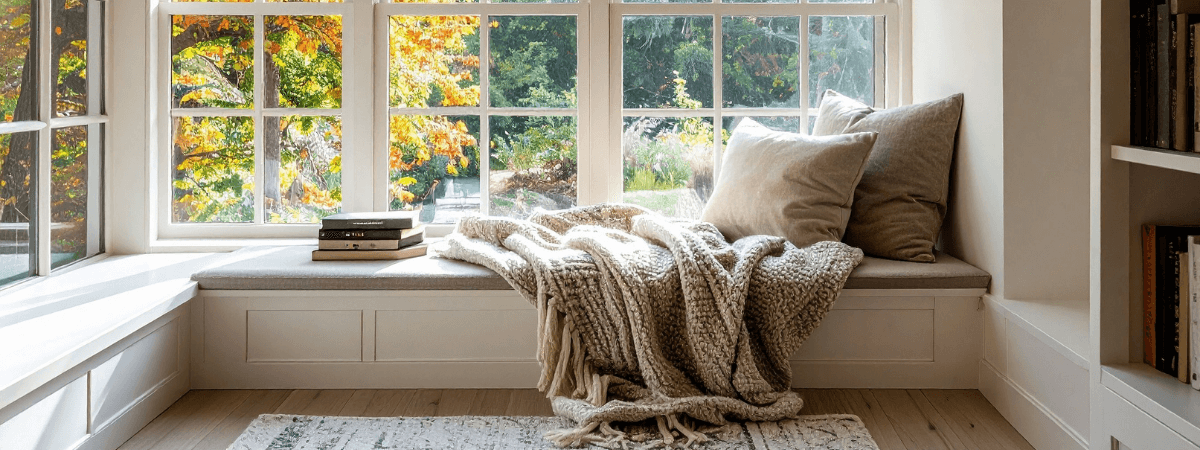
The concept centres on creating flexible spaces that can be easily modified as daylight hours shorten and temperatures drop. Consider rooms with adjustable layouts where furniture can be reconfigured to maximise natural light during the day. Architectural elements like deep-set window seats become perfect reading nooks as the weather turns, while thoughtfully positioned skylights capture precious golden light even as the sun sits lower in the sky.
Materials play a crucial role in transitional design. Opt for surfaces that respond to changing light conditions – brushed brass that warms under amber afternoon sun, textured plaster walls that create subtle shadow play, or polished wood floors that deepen in tone as the season progresses. These elements add visual warmth as natural light becomes more precious.
Consider the concept of “seasonal zoning”- designating areas of the home that can be emphasised or de-emphasised depending on the time of year. A covered terrace with a fire pit and weather-resistant furnishings extends living space well into the cooler months, while a library or media room might become more prominent as outdoor activities wane.
The hearth naturally becomes the architectural focal point during this season. Modern interpretations range from minimalist gas fireplaces to traditional wood-burning stoves, but all serve the same purpose: creating a gathering point that offers both physical warmth and psychological comfort as days shorten.
Architectural Elements for Seasonal Adaptation
Light-Capturing Strategies
As the sun’s path shifts lower in the sky, architectural elements that maximise natural light become essential. South-facing clerestory windows positioned high on walls allow low-angled sunlight to penetrate deep into interior spaces. Consider how these might be incorporated into renovation plans or new builds to dramatically improve seasonal light quality.

Glass links between solid structures create transitional spaces that capture precious daylight while providing shelter from cooling temperatures. These contemporary interpretations of traditional conservatories serve as buffer zones between indoors and outdoors, extending the seasonal use of the home.
Reflective surfaces strategically placed opposite windows can significantly amplify available light. Consider light shelves – horizontal surfaces positioned above eye level that bounce daylight deeper into rooms. These architectural elements can be designed as permanent features or as adjustable systems that respond to changing seasonal needs.
Thermal Considerations in Transitional Design
The building envelope (walls, roof, windows, and doors) requires careful consideration for seasonal comfort. High-performance glazing with low U-values minimizes heat loss while maximising solar gain, particularly important as temperatures drop. Consider triple glazing for north-facing windows and double glazing with solar control coatings for south-facing exposures.

Thermal mass (materials with the capacity to absorb, store, and release heat) plays a crucial role in seasonal comfort. Exposed concrete floors, stone feature walls, or clay plaster finishes absorb warmth during daylight hours and release it gradually as temperatures fall, creating natural temperature regulation that responds to seasonal patterns.
Zoned heating systems allow for targeted warmth where needed most as the season progresses. Consider underfloor heating in primary living areas, supplemented by traditional radiators or wood-burning stoves in spaces used primarily during cooler months. This layered approach to heating mirrors the natural layering that occurs in seasonal dressing.
Flexible Spatial Planning
Open-plan living, while popular for its sense of spaciousness, can present challenges during cooler months when cosier, more contained spaces might be preferred. Consider incorporating sliding panels, folding walls, or curtain systems that allow spaces to be reconfigured as seasonal needs change.

Circulation paths through the home deserve particular attention in transitional design. Create multiple routes that allow inhabitants to choose between efficiency (direct paths) and experience (routes that incorporate moments of delight or connection to the outdoors) depending on weather conditions and available time.
Threshold spaces—areas that mediate between indoors and outdoors—take on renewed importance during seasonal transitions. Boot rooms, mudrooms, or covered porches provide practical spaces for managing seasonal gear while creating psychological transitions between the wild outdoors and the controlled interior environment.
Material Palettes for Seasonal Resonance
Responsive Surfaces
Materials that change character with shifting light conditions create interiors that feel alive and responsive to seasonal change. Consider how different finishes might be incorporated to enhance this quality:
- Lime wash or clay plaster walls with subtle variations in texture catch and hold light differently throughout the day, creating surfaces that seem to breathe with the changing quality of seasonal light.
- Oiled wood flooring develops a deeper patina over time, responding to both use patterns and seasonal humidity changes. Species like oak, walnut, or cherry offer particularly beautiful aging characteristics.
- Handmade tiles with variable glazes create surfaces that reveal different aspects under different lighting conditions—perhaps appearing more muted on overcast days and developing unexpected depth when illuminated by the warm, low-angled light of autumn afternoons.
Thermal Comfort Through Material Selection
The tactile quality of materials significantly impacts perceived comfort as temperatures drop. Consider incorporating:
- Natural stone with honed rather than polished finishes for flooring in areas that receive direct sunlight. These surfaces absorb and radiate heat while providing a connection to the earth.
- Wool or other natural fibre insulation within walls not only improves thermal performance but also helps regulate humidity levels, creating healthier indoor air quality during months when ventilation might be reduced.
- Cork flooring or wall coverings provide natural insulation while adding visual warmth and acoustic benefits, particularly valuable as the home becomes more enclosed during cooler weather.
Transitional Colour Strategies
Colour selection plays a crucial role in creating spaces that respond beautifully to seasonal change. Rather than adhering to obvious seasonal palettes, consider:
- Base neutrals with depth and complexity (warm greys with undertones of umber, off-whites with hints of ochre, or deep charcoals with blue undertones) create sophisticated backdrops that respond differently to changing light conditions.
- Accent colours drawn from the transitional landscape (the deep burgundy of turning maple leaves, the silvery green of olive foliage, or the burnished gold of late grasses) add seasonal resonance without becoming overly literal.
- Consider the concept of “colour temperature” in material selection. Warmer tones (those with yellow, orange, or red undertones) create perceived warmth, while cooler tones (those with blue or green undertones) can make spaces feel more expansive but potentially less cosy.
Technological Integration for Seasonal Adaptation
Smart Systems for Changing Conditions
Contemporary technology offers unprecedented opportunities for homes to respond automatically to seasonal shifts:
- Automated blind and shading systems can be programmed to adjust based on sun position, maximising solar gain when beneficial and preventing overheating or glare when not.
- Smart lighting with adjustable colour temperature can compensate for the changing quality of natural light, gradually shifting from cooler to warmer tones as daylight diminishes.
- Climate control systems with learning capabilities can anticipate heating needs based on weather forecasts and occupancy patterns, creating seamless comfort while optimising energy use.
Energy Considerations in Transitional Design
Seasonal energy demands fluctuate significantly, making efficiency particularly important:
- Passive solar design principles (proper orientation, appropriate glazing, strategic thermal mass, and effective insulation) create buildings that naturally moderate seasonal extremes with minimal energy input.
- Consider renewable energy systems with seasonal production patterns that align with demand. Solar panels with slightly steeper angles than summer-optimised systems capture more energy from the lower autumn and winter sun.
- Heat recovery ventilation becomes increasingly important as homes are sealed against cooling temperatures. These systems maintain healthy air quality while conserving the energy used to heat the interior environment.
Biophilic Technology
The integration of nature-inspired technology creates spaces that maintain connection to natural rhythms even as outdoor time diminishes:
- Circadian lighting systems that mimic the changing colour temperature of natural light throughout the day help maintain healthy sleep-wake cycles as daylight hours shorten.
- Living walls with integrated irrigation and lighting systems bring nature indoors while improving air quality and acoustic performance, particularly valuable as windows remain closed more frequently.
- Water features with programmable flow rates and lighting create dynamic elements that respond to different times of day, adding sensory richness to interior environments.
Case Studies in Transitional Architecture
Rural Retreat: The Evolving Farmhouse
A contemporary interpretation of the traditional British farmhouse demonstrates how architectural heritage can inform seasonal responsiveness. The original stone structure provides thermal mass and a sense of permanence, while a modern glass extension creates a flexible space that can be fully utilised during warmer months and serves as a light-gathering element during cooler periods.
Key features include: * A central courtyard that provides sheltered outdoor space extending seasonal use * Adjustable external shading that modulates light and heat gain according to conditions * Traditional materials (local stone, slate, oak) combined with contemporary elements (structural glass, weathering steel) to create a dialogue between permanence and change
Urban Adaptation: The Responsive Townhouse
A Victorian London townhouse reimagined for contemporary living demonstrates how historic properties can be adapted to enhance seasonal performance without compromising architectural integrity.
The intervention includes: * A glass-roofed side return extension that captures low-angled light while providing a transitional space between the garden and interior * Restored sash windows with added secondary glazing that maintains historic character while improving thermal performance * Smart home systems integrated discreetly within the historic fabric, allowing for responsive heating, lighting, and ventilation
New Build: The Seasonally Intelligent Home
A purpose-built contemporary home in the Cotswolds demonstrates how new construction can fully embrace transitional design principles from conception.
Innovative features include: * A form that responds to solar geometry, with the building mass shaped to capture maximum light during cooler months while providing shade during warmer periods * Operable façade elements that can be adjusted seasonally to modulate ventilation, light, and views * Integrated gardens and courtyards that create microclimates extending the usability of outdoor spaces through transitional seasons
Conclusion: Designing for Seasonal Narrative
Transitional architecture acknowledges that our experience of home changes with the seasons. Rather than creating static environments that resist these natural shifts, thoughtful design can embrace and celebrate them, creating spaces that evolve in character and function throughout the year.
By considering light, materials, spatial flexibility, and technological integration through the lens of seasonal change, architects and designers can create homes that feel deeply attuned to natural rhythms. These environments support both physical comfort and psychological wellbeing, offering different kinds of shelter and delight as the landscape transforms outside.
The most successful transitional spaces tell a seasonal story—capturing the golden light of autumn afternoons, creating cosy gathering spots as temperatures drop, and maintaining connection to the outdoors even as we spend more time within. This narrative quality creates homes that feel alive and responsive, changing with us as we adapt to nature’s grand seasonal cycle.